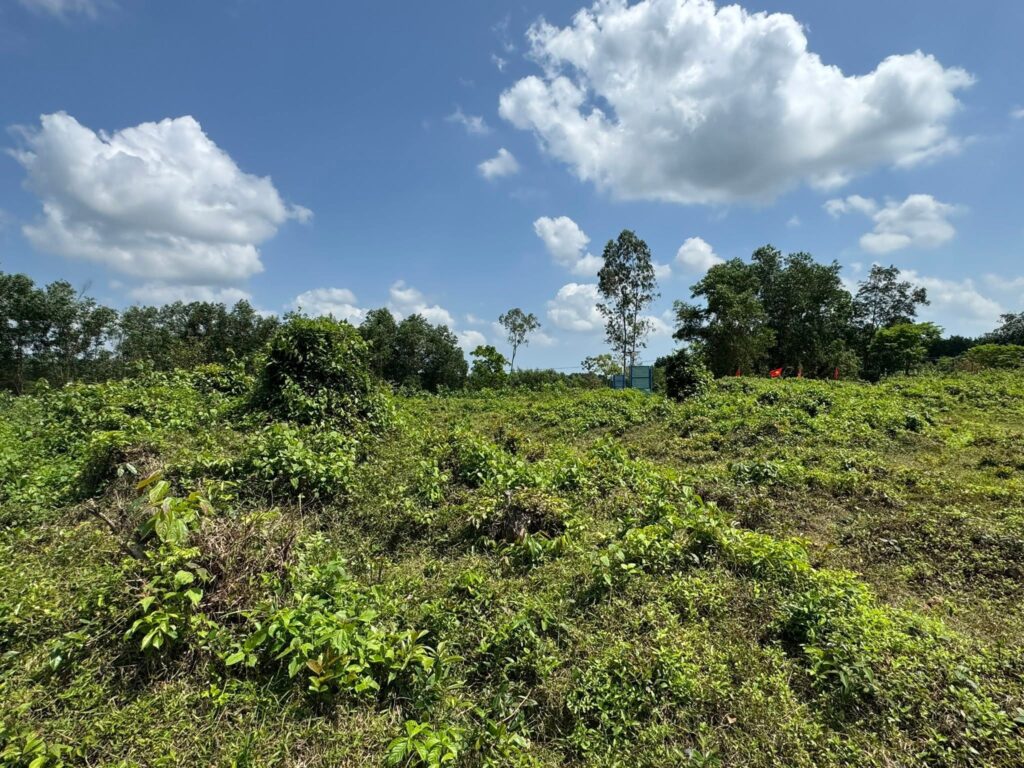
Amid the coastal sandbanks of Bàn Thạch Ward, Đà Nẵng City, where the sun and wind have shaped a resilient way of life, the Kỳ Anh Tunnels stand not simply as a historical relic but as a layer of memory preserved beneath the earth. Every section of the tunnel system is associated with the years of fierce warfare, when the land itself became a place of shelter, protection, and survival for local people and forces.
Located approximately 50 km from Hoi An Ancient Town along the coastal route and about 40 km from Chu Lai Airport, the Kỳ Anh Tunnels occupy a distinctive setting where the depth of history meets the openness of the Central Vietnamese coast. A journey here is not merely a trip to a historical site, but also an opportunity to slow down and learn about the stories of the people, villages, and resilience preserved through generations.
A “Trench Beneath the Earth” Among the Coastal Sandbanks
Built during the period 1965–1967, the Kỳ Anh Tunnels are described as one of the large-scale tunnel systems in Vietnam, with a total network extending for approximately 32 km.
The underground system includes a range of functional spaces, including medical shelters, combat tunnels, command tunnels, and food-storage chambers, forming an interconnected network that supported both military operations and daily life.
What makes the tunnels particularly distinctive is that they were not built as an isolated military installation. Instead, the system was closely integrated with the local village landscape. Tunnel branches extended beneath houses, kitchens, and wells, creating an underground environment in which everyday life and wartime activities became closely intertwined.
During the resistance war against the United States, the tunnels provided a place where local forces and residents could remain in the area, preserve their strength, and organize military activities. The Kỳ Anh area consequently became associated with the spirit of “Trung dũng kiên cường đi đầu diệt Mỹ”, a phrase associated with the historical identity of Quảng Nam during the war.
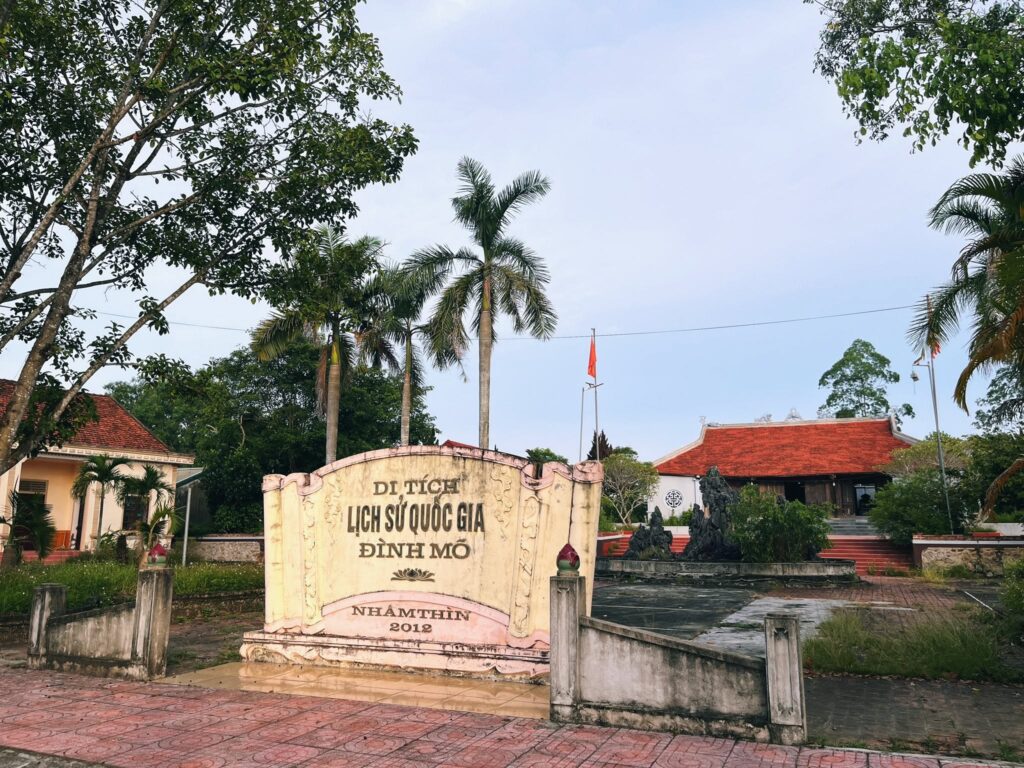
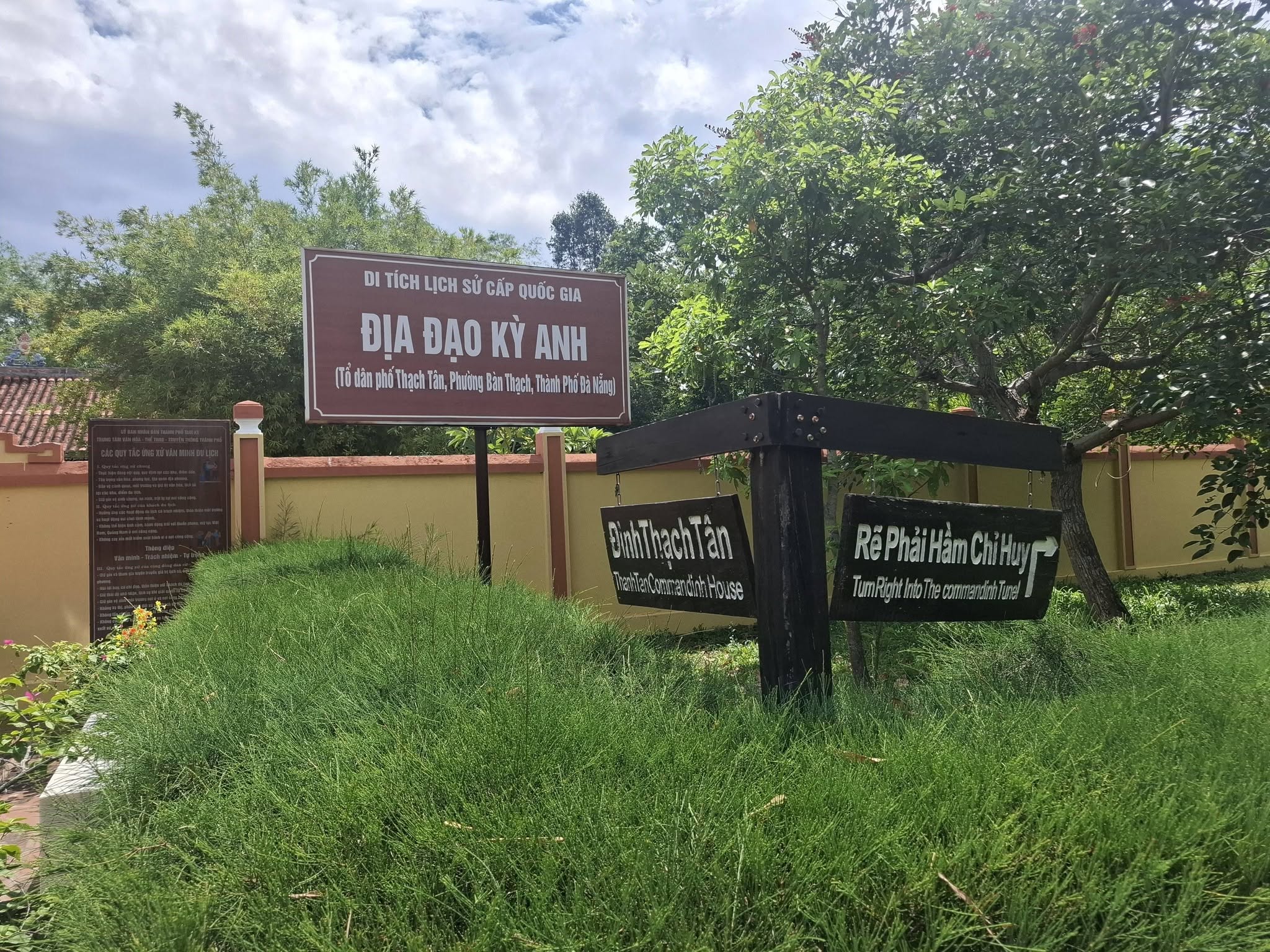
One particularly distinctive feature is the connection between the tunnel system and Thạch Tân Communal House, a historic structure that served both as a religious and community space and as a revolutionary base.
Underneath the communal house were a medical shelter and a food-storage area. According to stories preserved by local people, in 1968, enemy forces attempted to pull down the communal house using tanks and chains. The chains reportedly broke repeatedly, leaving behind a memorable story that became part of the local collective memory surrounding Thạch Tân Communal House and the Kỳ Anh Tunnels.
Exploring History Beneath the Ground
Today, part of the Kỳ Anh Tunnels has been restored and opened to visitors. Entering the underground passages provides a more direct way to understand the environment in which local people and forces lived and operated during wartime.
The visitor route includes an approximately 110-metre section of tunnel, together with several historical locations associated with the Thạch Tân village area, including Thạch Tân Communal House, an exhibition house, medical shelters, command tunnels, and other surviving traces.
The underground experience differs from visiting conventional historical monuments. As the light becomes narrower, the passages become more confined and the surrounding sounds quieter, allowing visitors to better imagine the conditions in which people had to adapt during wartime.
The value of the Kỳ Anh Tunnels therefore lies not only in their physical structure but also in the stories of the community that lived alongside and within the tunnel network.
Life in Thạch Tân Village
After exploring the underground tunnels, visitors can continue discovering the cultural life of Thạch Tân Village through activities associated with the local community.
The sound of chiếu cối mat weaving recalls the traditional craft life of the village. Folk songs and traditional chants are also preserved as ways for local people to tell stories about their homeland through their own cultural expressions.
Local food adds another dimension to the experience. Simple dishes featuring cassava, sweet potatoes, and familiar local ingredients evoke memories of a difficult period when modest food sources formed an important part of everyday life.
These experiences allow visitors to look beyond the wartime history of the tunnels and discover the cultural life of the community that created, inhabited, and preserved this historic landscape.
Connecting the Tunnels with a Coastal Heritage Journey
From the Kỳ Anh Tunnels, visitors can continue along the coastal route between Hoi An and the Chu Lai area. The route provides opportunities to connect several destinations associated with history, culture, and the landscapes of central Vietnam.
Possible stops along a broader itinerary include Bãi Sậy Sông Đầm, the Monument Complex dedicated to Vietnamese Heroic Mother, Võ Chí Công Memorial House, and Da Nang Museum (Campus 2).
Summer is generally suggested as a convenient period for exploring the tunnels, particularly when drier weather makes travel and visits to surrounding outdoor sites easier.
The Kỳ Anh Tunnels are well suited to heritage journeys focusing on history, culture, and traditional education, especially when combined with other historical sites along the southern coastal route of Da Nang.
Visitor Information
The Kỳ Anh Tunnels are located in Bàn Thạch Ward, Đà Nẵng City, approximately 3 km from National Highway 1A. They are around 50 km from Hoi An Ancient Town via the coastal route and approximately 40 km from Chu Lai Airport.
The site has been recognized as a national historical relic and is being preserved and restored for visitors interested in exploring its historical significance.
The Kỳ Anh Tunnels are more than an underground network of passages. They preserve memories of a time when people had to live, fight, and protect one another under extraordinarily difficult conditions. Today, amid the peaceful coastal landscape, the tunnels quietly tell a story of human resilience and of a period of history deeply connected with the land of Kỳ Anh.
Quick Information
| Item | Information |
|---|---|
| Name | Kỳ Anh Tunnels |
| Location | Bàn Thạch Ward, Đà Nẵng City |
| Construction period | 1965–1967 |
| Total tunnel network | Approximately 32 km, according to the source |
| Main features | An interconnected underground tunnel system |
| Functions | Medical shelters, combat tunnels, command tunnels, food-storage chambers |
| Visitor tunnel section | Approximately 110 m |
| Related heritage site | Thạch Tân Communal House, exhibition house and other tunnel structures |
| Distance from Hoi An | Approximately 50 km via the coastal route |
| Distance from Chu Lai Airport | Approximately 40 km |
| Distance from National Highway 1A | Approximately 3 km |
| Heritage status | National historical relic |
Location: Kỳ Anh Tunnels, Bàn Thạch Ward, Đà Nẵng City.