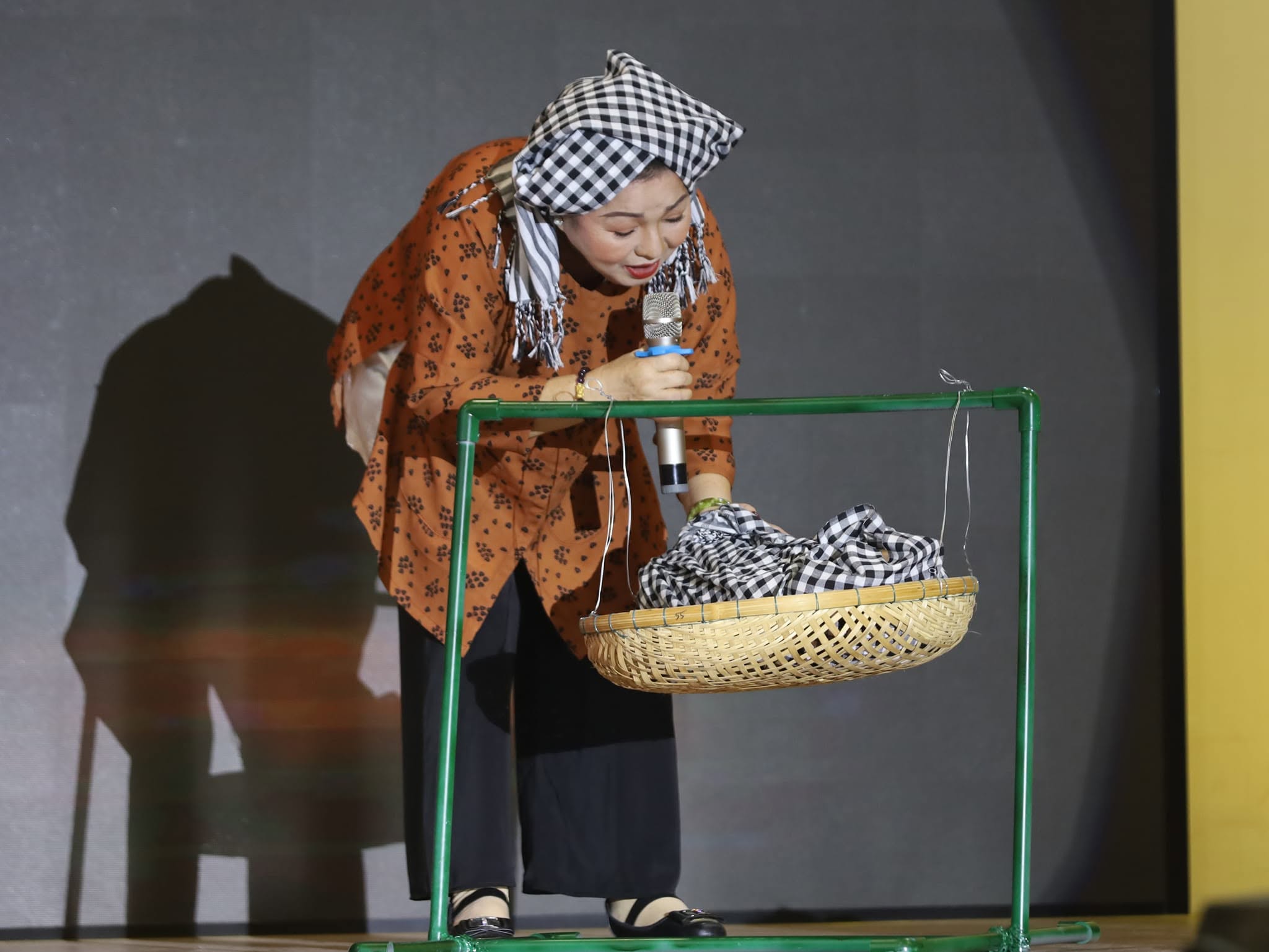
Lullabies of the Vietnamese People in Can Tho are a form of traditional folk culture closely associated with family life and the riverine communities of southern Vietnam. Passed down through generations by grandmothers, mothers, and older sisters, lullabies not only help children fall asleep but also convey family affection, moral values, and familiar images of their homeland.
Lullabies in Can Tho developed alongside the history of migration and settlement in southern Vietnam. Building on lullaby traditions brought from northern and central regions, Vietnamese settlers adapted familiar melodies, verses, and singing practices to the natural environment, lifestyle, and cultural conditions of the Mekong Delta. Over time, these adaptations created distinctive characteristics associated with the land and people of Can Tho.
The repertoire commonly draws on folk verses, luc bat poetry, song that luc bat, modified luc bat, rhymes, hò, and poetic recitation. Many verses were passed down orally, which explains why similar lullabies can be found across different parts of southern Vietnam. At the same time, local communities created and adapted verses reflecting their own rivers, gardens, rice fields, villages, and everyday experiences.
In Thot Not, for example, some followers of Hoa Hao Buddhism have traditionally used religious poetry and teachings as material for recitation or lullabies for their children and grandchildren.
Characteristics of Can Tho Lullabies
One of the most recognizable features of southern Vietnamese lullabies is the use of vocal lead-ins before the main verse. In northern Vietnam, lullabies often begin with “À ơ,” while central Vietnamese traditions may use a heavier “Ạ ơ.” In the South, the sound is commonly softened into “Ầu ơ”, sometimes followed by “Ầu ơ… ví dầu…”.
Can Tho lullabies may also use vocal phrases such as “ơ…ầu…ơ,” “ầu ơ… ví dầu…,” “ơ…ớ…ơ,” “u…a…,” and “ù…ơ.” When a hò melody is incorporated into the lullaby, the singer may begin with “hò…ơ…”. Some singers do not use a specific lead-in at all, instead continuously reciting or singing folk verses, rhymes, and poetic lines.
These vocal phrases can appear at the beginning, between verses, or toward the end of a lullaby. They help maintain the flow of the performance while the singer searches for the next verse.
A Can Tho lullaby generally develops through three stages: introduction, main content, and ending. During the introduction, the singer establishes a gentle rhythm with vocalized sounds. The main section follows with familiar verses and melodies used to soothe the child. Once the child has fallen deeply asleep, the words gradually become less important. The singer may repeat a short phrase or vocal sound, gradually lowering and relaxing the voice until the lullaby fades away.
Like other songs, lullabies consist of two main elements: melody and lyrics. The musical structure of southern Vietnamese lullabies is generally simple, with a relatively narrow vocal range. The melody is designed primarily to support the words rather than showcase complex vocal techniques, allowing ordinary people to sing naturally.
Researchers have noted that lullabies in Vietnam developed from an earlier recitative or speech-song style, in which poetry was chanted in a flexible manner, toward a more clearly melodic folk-song style. A pair of luc bat verses, a song that luc bat passage, or a modified poetic form can be turned into a short melody consisting of only a few lines. The singer may then continue adding verses for as long as necessary until the child falls asleep.
Southern Vietnamese lullabies commonly use a four-note scale, contributing to their simple and accessible character. In more developed forms, the melody may expand to a five-note scale, incorporating the distinctive hơi oán character found in traditional southern Vietnamese music and closely associated with the musical traditions of đờn ca tài tử and cải lương.
The lyrics of Can Tho lullabies also carry a strong local identity. Alongside verses shared throughout southern Vietnam, local lullabies may refer to places such as Can Tho, Binh Thuy, Long Tuyen, Thot Not, and Con Cat. These references connect the lullabies to the landscape and history of the region, while some verses preserve memories of the lives of earlier generations who settled and developed the area.
Cultural Value of Can Tho Lullabies
The themes of lullabies are diverse, covering family affection, gratitude toward parents, romantic love, women’s personal thoughts and experiences, love for one’s homeland and country, and reflections on everyday social life.
For this reason, lullabies have traditionally served as a form of informal education within the family. From an early age, children are exposed to language, rhythm, images of their homeland, and ideas about affection, family relationships, and proper conduct through the voices of those closest to them.
Lullabies also reflect the adaptation of Vietnamese communities to the natural environment of the Mekong Delta. Their changing lyrics and melodies reveal a process of cultural exchange and adaptation as settlers established new communities and adjusted their traditions to local ways of life, beliefs, and customs.
For generations of people in Can Tho, the lullaby has therefore been more than a way of putting a child to sleep. Its melodies and verses have helped preserve language, memories, family values, and a sense of cultural identity.
The distinctive combination of melody, rhythm, vocal expression, and locally inspired lyrics gives Can Tho lullabies their particular character within the broader tradition of Vietnamese lullabies.
Recognizing these cultural values, the Lullabies of the Vietnamese People in Can Tho were included in the National Intangible Cultural Heritage List by the Minister of Culture, Sports and Tourism under Decision No. 2744/QD-BVHTTDL dated September 30, 2020, under the category of Folk Performing Arts.
The recognition highlights the cultural significance of a traditional practice that has long been woven into family and community life in Can Tho. In homes and communities across the riverine landscape, the gentle sounds of “Ầu ơ” and “ví dầu” remain part of the cultural memory passed from one generation to the next.
Lullabies of the Vietnamese People in Can Tho
Decision: 2744/QD-BVHTTDL dated September 30, 2020
Category: Folk Performing Arts
Location: Can Tho City