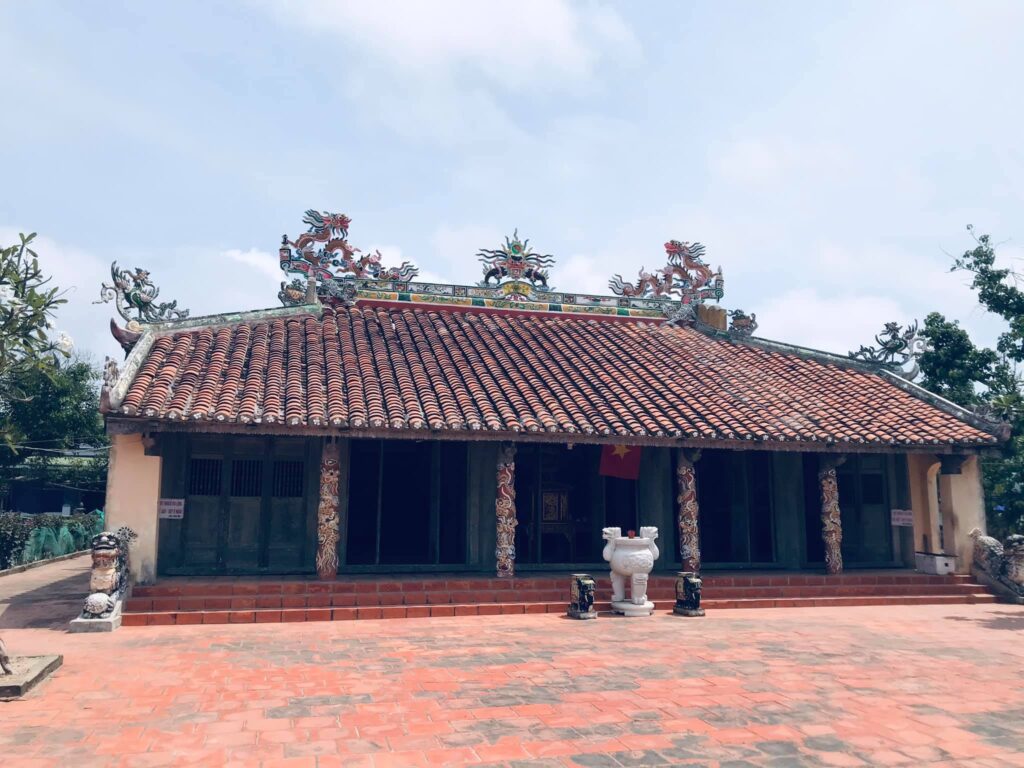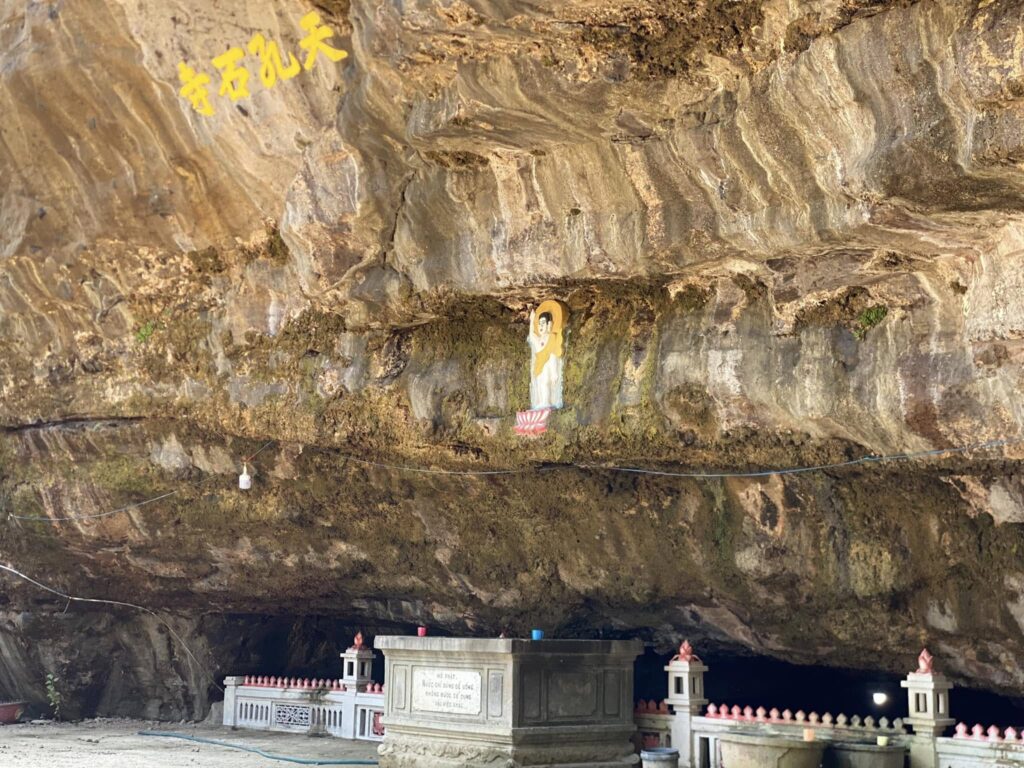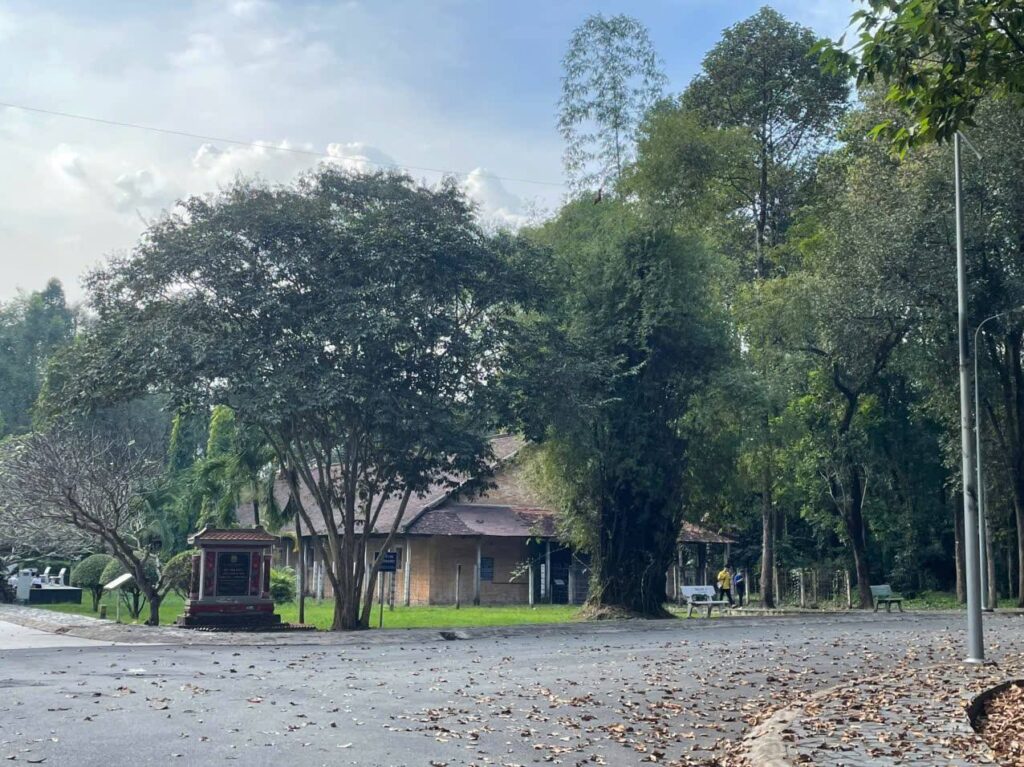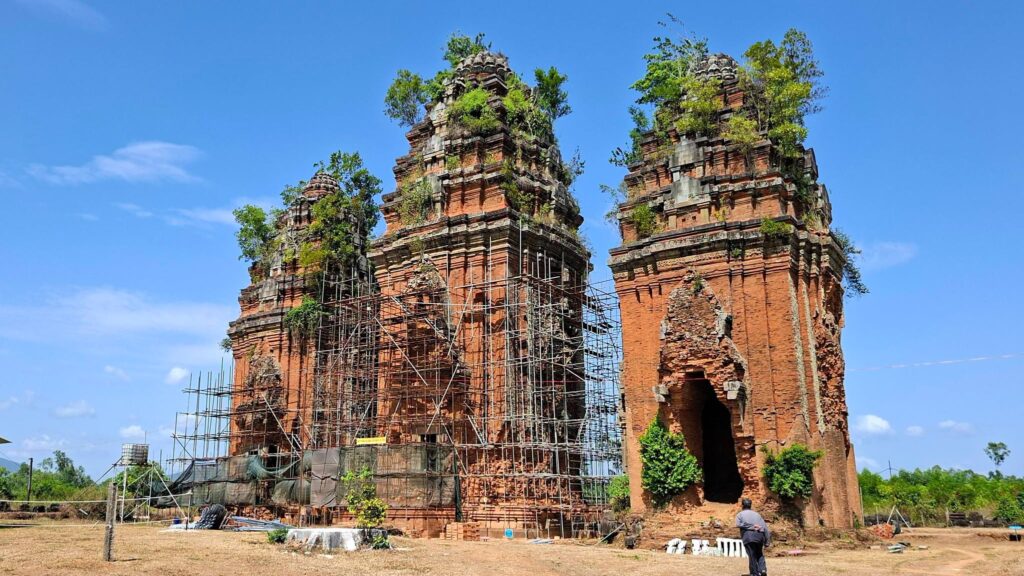
The Ông Nhạc’s House Foundation, Water Reservoir and Money Storehouse is a historical relic associated with the early establishment of bases and the mobilization of forces during the Tây Sơn peasant uprising in the Tây Sơn Upper Region. The relic site is located in Hlang I Village, Kông Chro Commune, Gia Lai Province, approximately 5 km from Kông Chro town, and forms part of the Special National Historical Complex of Tây Sơn Thượng đạo.
The site was recognized as a national-level historical relic under Decision No. 1057/QĐ dated June 14, 1991, issued by the Ministry of Culture, Information, Sports and Tourism. On January 18, 2022, the Prime Minister issued Decision No. 93/QĐ-TTg recognizing the Tây Sơn Thượng đạo Historical Relic Complex as a Special National Relic.
Historical Traces of the Early Tây Sơn Uprising
Between 1771 and 1773, the three brothers Nguyễn Nhạc, Nguyễn Huệ and Nguyễn Lữ selected the Tây Sơn Upper Region as a base for building their forces and preparing for the Tây Sơn uprising. From the central area around An Khê Fortress, the movement expanded along the Ba River, mobilizing local communities, including the Bahnar people, to participate in and support the uprising.
During this period, Nguyễn Nhạc frequently traveled southward in search of food, resources and support while strengthening relations with local communities. The House Foundation, Water Reservoir and Money Storehouse are believed to have been associated with his residence, trading activities, storage of assets and preparation of resources for the revolutionary forces.
According to historical documents and local oral traditions, Nguyễn Nhạc built a house, constructed a water reservoir and established a storehouse for keeping money and supplies to support his troops. These surviving traces reflect not only the activities of the Tây Sơn forces but also the close cooperation between the uprising and the Bahnar community in the Tây Sơn Upper Region.
“Bok Nhạc” in Bahnar Community Memory
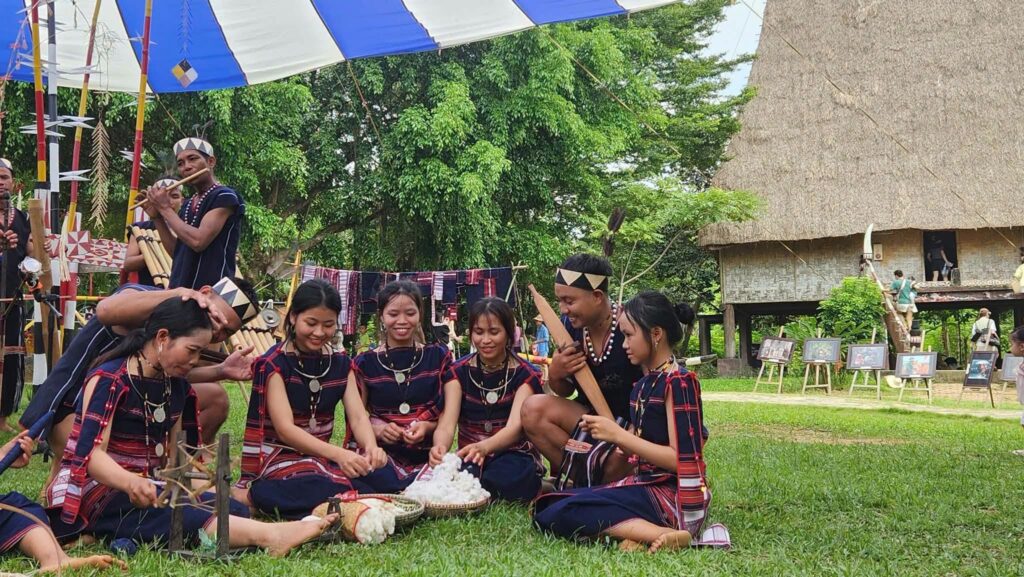
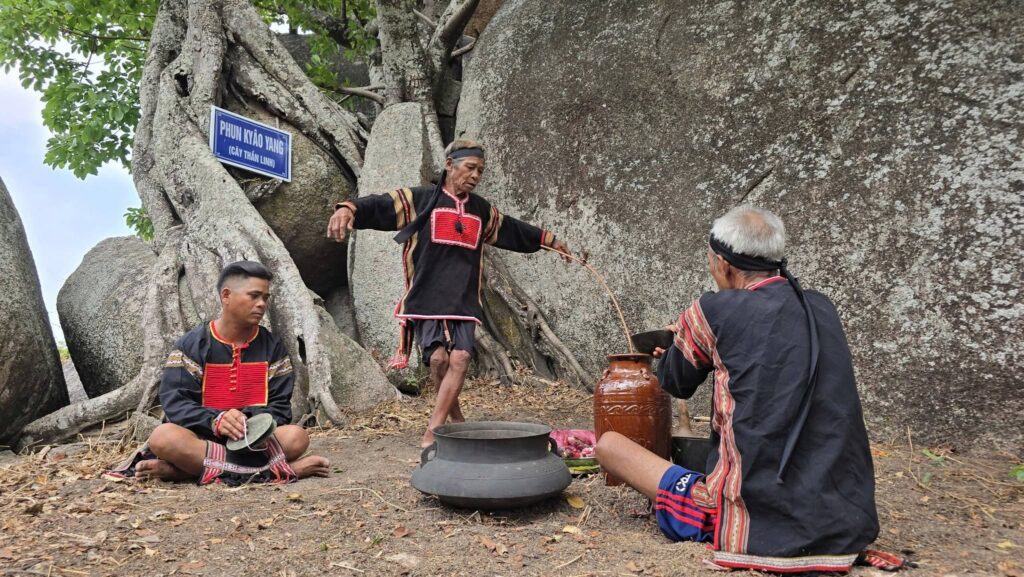
In local cultural life and collective memory, the Bahnar people continue to refer to Nguyễn Nhạc affectionately as “Bok Nhạc,” meaning “Uncle Nhạc” or “Mr. Nhạc.” The name reflects the respect, familiarity and affection that local people have preserved for the historical leader who once lived among and worked with their communities.
According to stories passed down through generations, Bok Nhạc was remembered as a leader who trusted the Bahnar people, lived among them, exchanged goods with them and encouraged their support for the uprising. Local oral traditions also recall that he taught people agricultural techniques, including rice cultivation, and helped organize defensive structures and local forces.
The relationship between Nguyễn Nhạc and the Bahnar community represents an important chapter in the formation of solidarity between lowland and highland populations, creating a social and military foundation for the Tây Sơn movement in the Upper Region.
The House Foundation and Water Reservoir
The House Foundation and Water Reservoir area is identified as the place where Nguyễn Nhạc once lived, met local residents and traded with the Bahnar community during the early stages of force mobilization. The protected area covers approximately 5,400 square meters and was restored and upgraded from 2009.
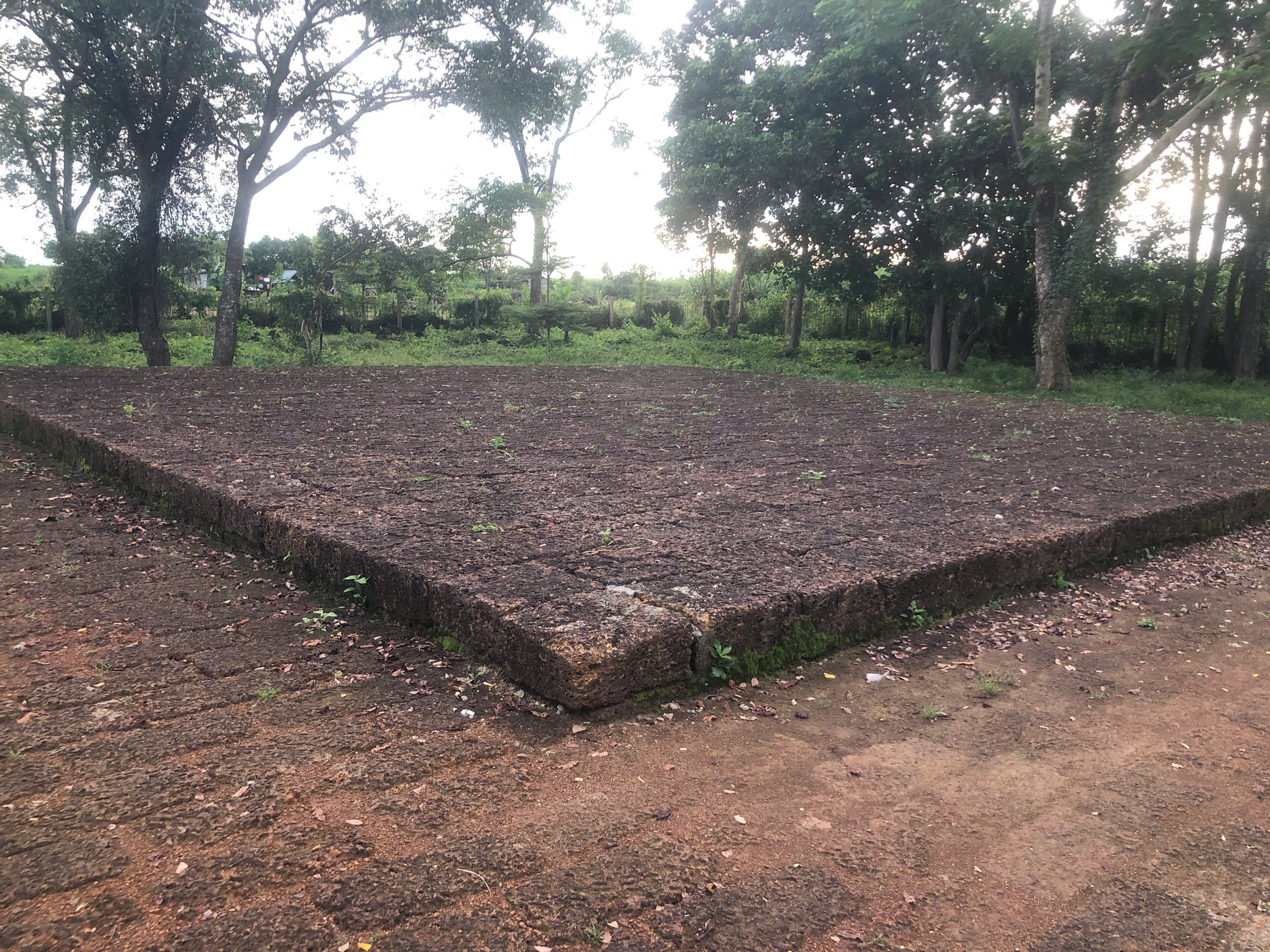
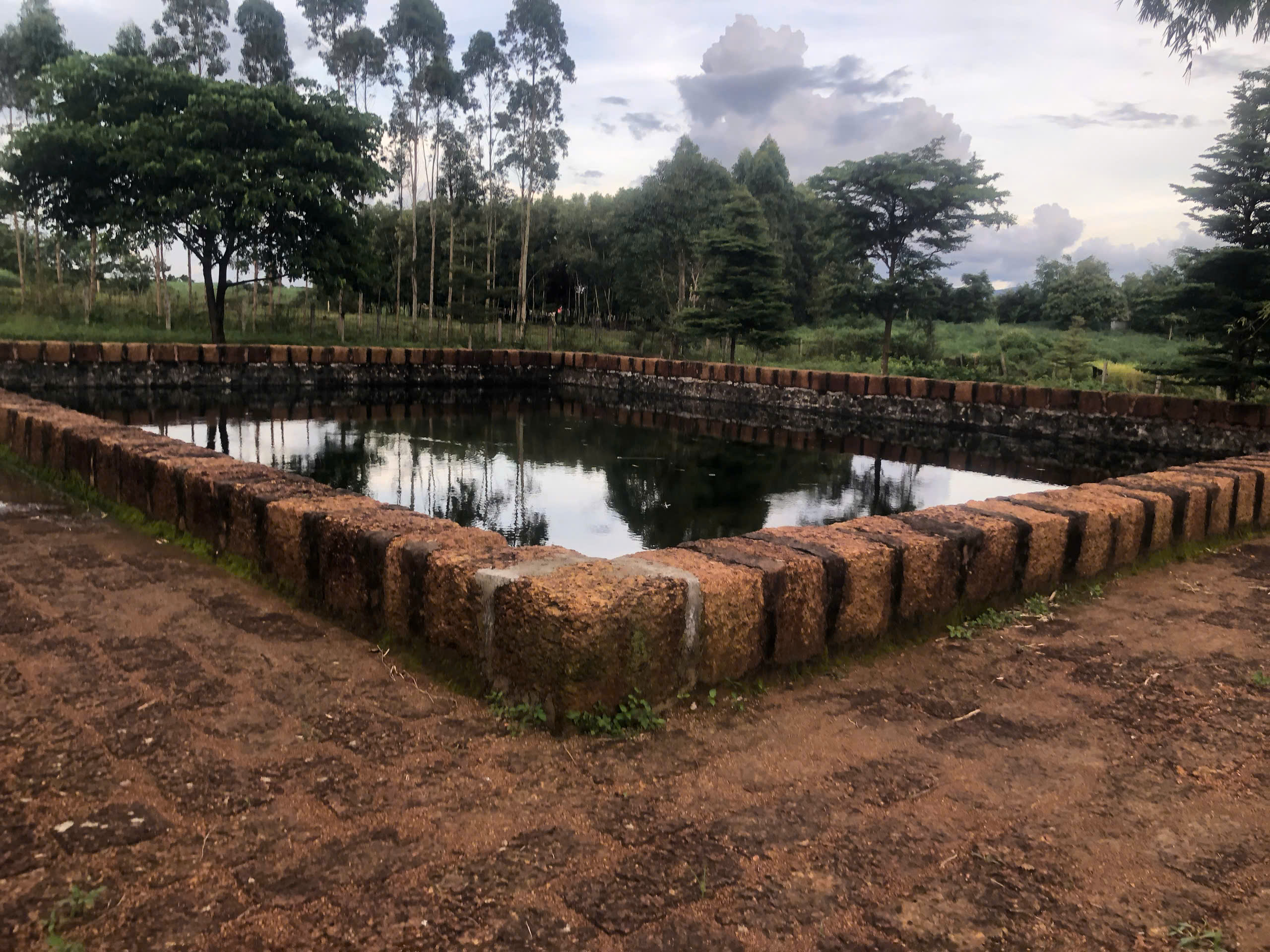
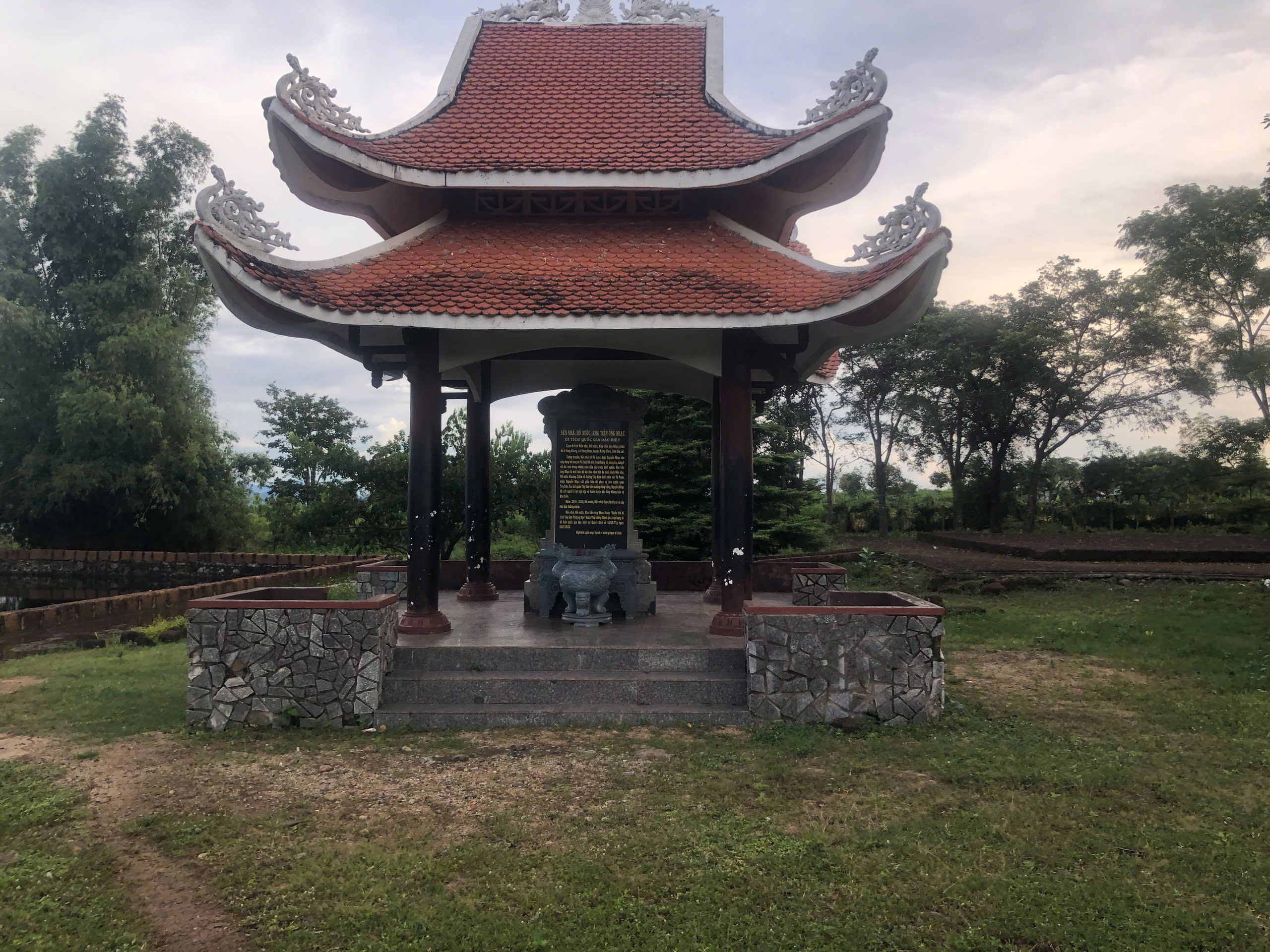
The site includes a memorial stele house, an offering table, an incense burner, the reconstructed house foundation, a water reservoir reinforced with laterite stone embankments, internal pathways, an entrance gate and a concrete road connecting the relic site with the inter-commune road.
These facilities help clarify the historical setting of the site while making it more accessible for visitors wishing to learn about the Tây Sơn movement and the traditional life of the Bahnar people.
Ông Nhạc’s Money Storehouse
Approximately 3.5 kilometers northeast of the House Foundation and Water Reservoir, along a branch of the Hlang Stream, lies the location known as Ông Nhạc’s Money Storehouse.
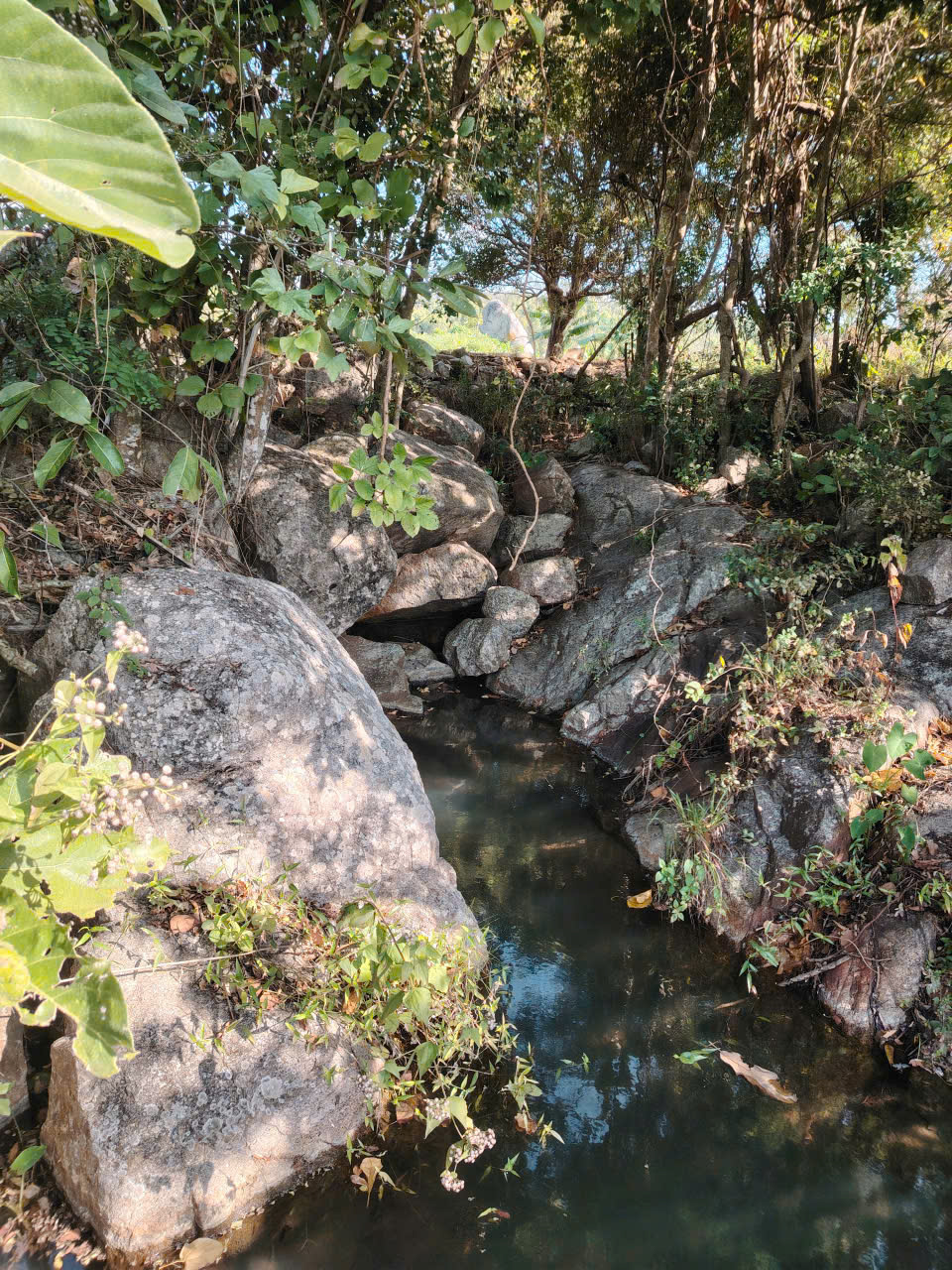
According to local historical accounts and oral traditions, this was once a place where Nguyễn Nhạc concealed money and valuables more than 200 years ago to support his troops. The remaining trace is a discreet rock cavity beside the stream, situated in a relatively secluded and difficult-to-access area.
The Money Storehouse area covers approximately 3,300 square meters. Due to limited investment resources, the site has not yet undergone comprehensive restoration, and access remains relatively difficult. Local authorities have planned further protection measures, including the installation of an interpretive stele and gradual improvement of access infrastructure, to support historical research, traditional education and cultural tourism.
A Space of Lowland–Highland Exchange
The significance of the relic complex lies not only in its physical remains but also in the stories of exchange and cooperation between Nguyễn Nhạc and the Bahnar community. According to local memory, the area once served as a place for trading goods and connecting people from the lowlands with those from the highlands.
A traditional verse preserved among the Bahnar community reflects this spirit of exchange:
“The Gò Market meets ten times a month,
A marketplace connecting the highlands and lowlands.
On one side is Bok Nhạc, the man from the heavens,
On the other is Yã Đố, the servant of Yàng.
Highland and lowland people join hands,
Exchanging goods without seeking personal gain.”
The verse reflects a space where trade was not merely an economic activity, but also a means of building trust, solidarity and lasting connections among different communities in the Tây Sơn Upper Region.
Archaeological and Cultural Values
In addition to traces associated with the Tây Sơn movement, the House Foundation, Water Reservoir and Money Storehouse are located within an area of considerable archaeological interest. Archaeological findings indicate that the region was once a large stone-tool manufacturing area dating back thousands of years, while other traces suggest connections with the Champa cultural tradition.
These discoveries demonstrate that Yang Nam is significant not only for its eighteenth-century historical associations with the Tây Sơn uprising, but also for its long history of human settlement and cultural interaction in the Central Highlands of Gia Lai.
A Destination for Historical Education and Cultural Tourism
Today, the House Foundation, Water Reservoir and Money Storehouse form an important part of the heritage system within the Special National Historical Complex of Tây Sơn Thượng đạo. Local authorities, organizations and community groups regularly promote awareness of the importance of protecting and preserving this historically significant site.
Through its associations with Nguyễn Nhạc, the Tây Sơn movement and the longstanding relationship with the Bahnar people, the relic complex contributes to historical education, national pride and the preservation of local cultural identity.
For travelers exploring the historical heritage of Gia Lai, the site offers an opportunity to discover the Tây Sơn Upper Region, learn about Nguyễn Nhạc and understand the early foundations of the Tây Sơn movement in the Central Highlands.
Quick Information
| Item | Information |
|---|---|
| Name | Ông Nhạc’s House Foundation, Water Reservoir and Money Storehouse |
| Type | Historical relic |
| Location | Hlang I Village, Kông Chro Commune, Gia Lai Province |
| Distance | Approximately 5 km from Kông Chro |
| Historical period | Associated with the early Tây Sơn movement, 18th century |
| Historical figure | Nguyễn Nhạc |
| National-level recognition | 1991 |
| Heritage complex | Special National Historical Complex of Tây Sơn Thượng đạo |
| House Foundation – Water Reservoir area | Approximately 5,400 m² |
| Money Storehouse area | Approximately 3,300 m² |
Location: Kông Chro Commune, Gia Lai Province, Vietnam.