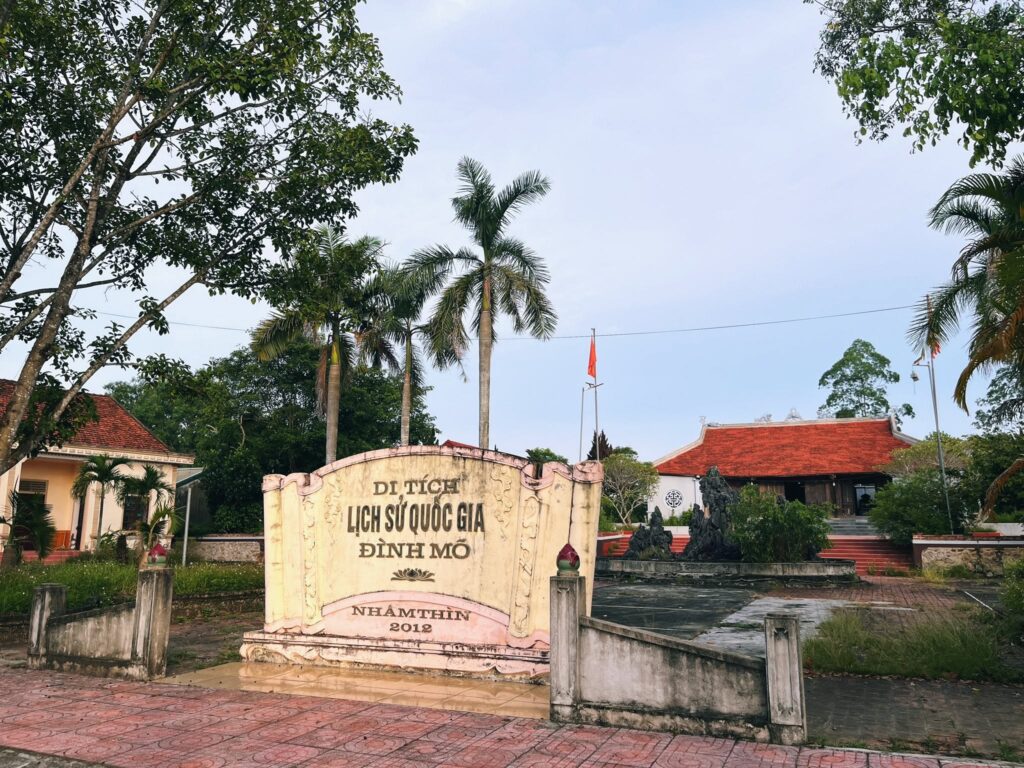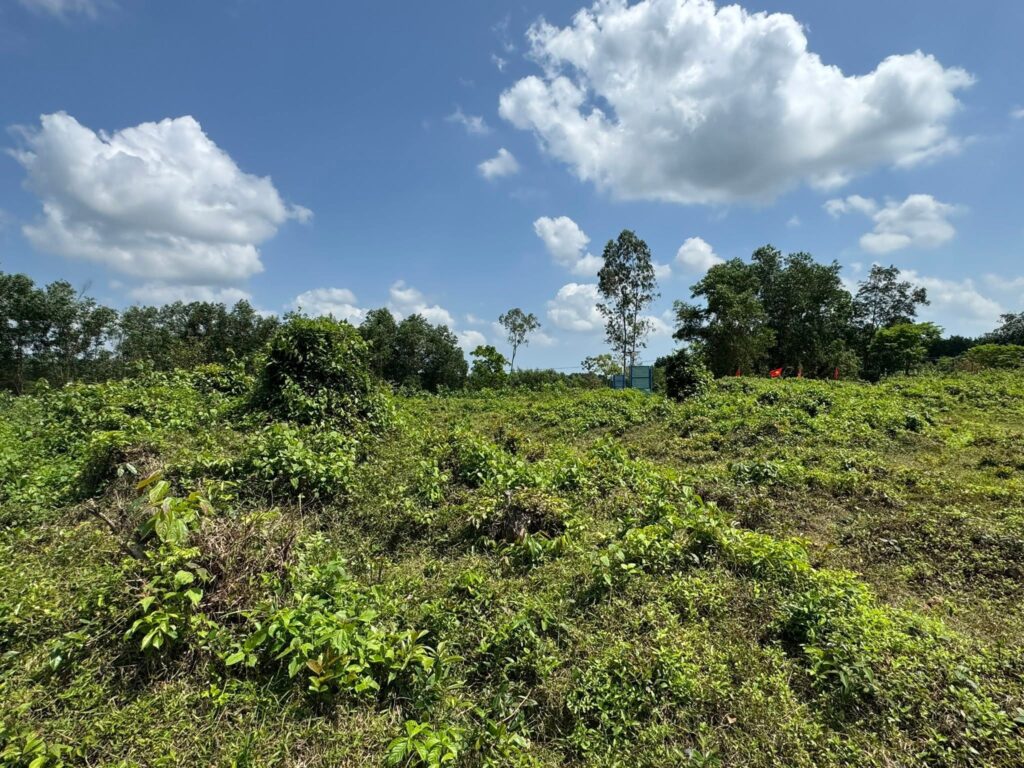
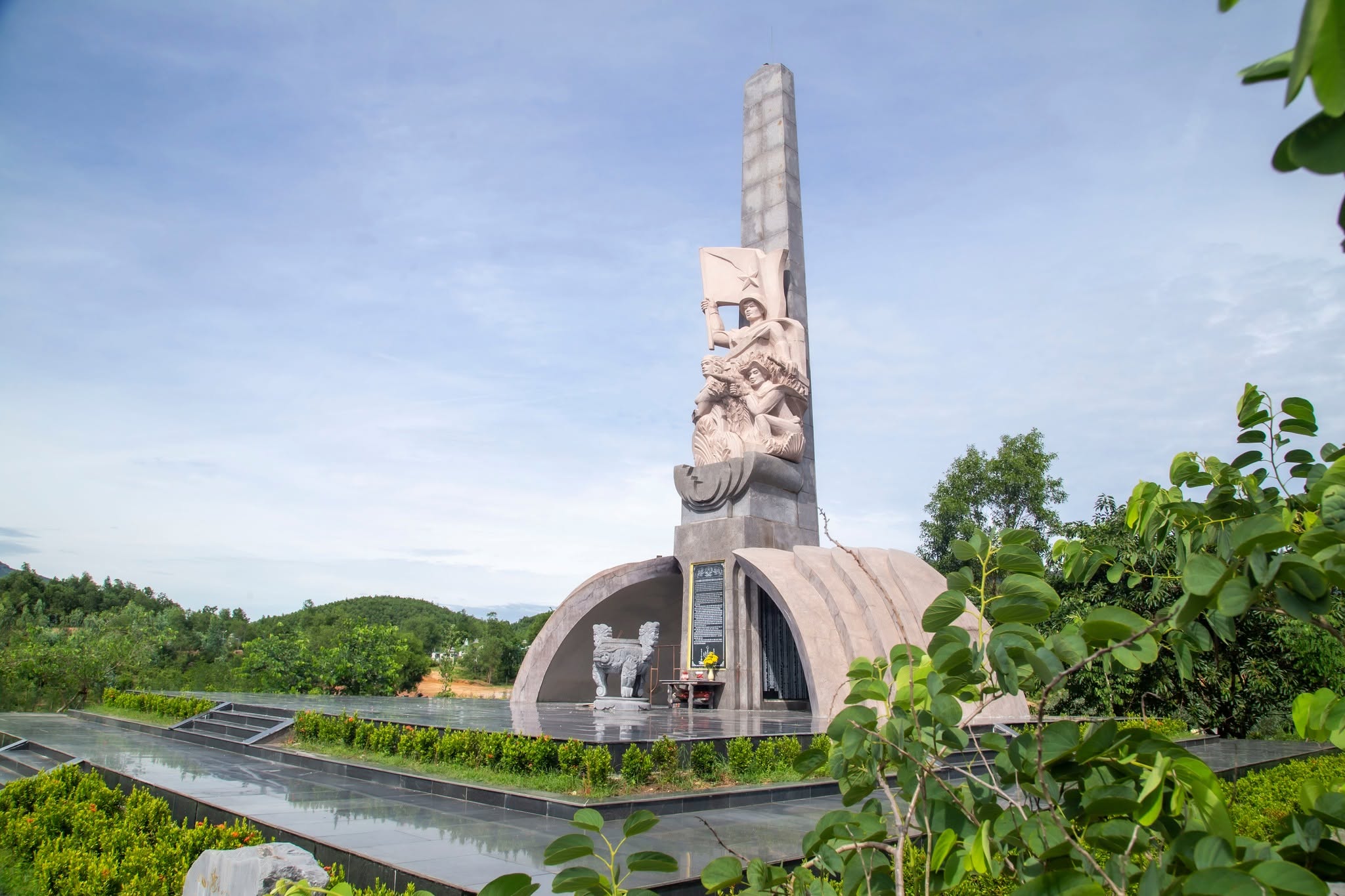
The Thượng Đức Victory Site is a historical landmark associated with one of the most strategically significant victories during Vietnam’s resistance war against the United States. The battle, culminating in victory on August 7, 1974, broke through a heavily fortified South Vietnamese military stronghold west of Đà Nẵng. It marked an important turning point on the Region V battlefield and helped prepare the way for the Spring 1975 General Offensive and Uprising.
The victory demonstrated the combat strength, coordinated operations and military command capabilities of revolutionary forces. It also highlighted the vital contribution of local communities in supporting the campaign. The event became an enduring milestone in the revolutionary history of Quảng Nam, helping pave the way for the liberation of Đà Nẵng and the reunification of Vietnam.
The historical site is located in Thượng Đức Commune, Đà Nẵng City, within the area formerly known as Đại Lộc District, Quảng Nam Province.
Thượng Đức and Its Strategic Position on the Quảng Đà Battlefield
After the Paris Peace Accords were signed on January 27, 1973, the government of South Vietnam continued military operations aimed at reclaiming liberated areas, expanding territorial control and pushing revolutionary forces out of rural lowlands and urban centers. In Quảng Đà, South Vietnamese forces gradually reoccupied liberated areas to the west and strengthened the Thượng Đức military district to protect the Đà Nẵng military complex and control Strategic Route 14.
Thượng Đức lay west of Đà Nẵng, in what was formerly Đại Lộc District. Its rugged mountainous terrain and strategic position made it important to the transport network linking the Central Highlands with the central coastal region. Recognizing its military value, US forces and the South Vietnamese government developed Thượng Đức into a heavily fortified defensive position, widely described as the “steel gate” protecting the western approaches to Đà Nẵng.
A dense network of fortifications, bunkers, firing positions and defensive forces made the stronghold difficult to penetrate. Control of Thượng Đức enabled the opposing forces to maintain their position in western Quảng Đà and restrict the movement of revolutionary forces from the mountains toward the lowlands.
Under these circumstances, capturing Thượng Đức became a strategic priority for the Region V Party Committee and the Region V Military Command. Victory would place Đà Nẵng under greater pressure from the southwest, weaken the enemy’s defensive system and create more favorable conditions for subsequent campaigns.
The Thượng Đức Campaign of 1974
Implementing Resolution No. 21 of the Third Central Committee of the Communist Party of Vietnam, which affirmed that revolution in southern Vietnam would continue along the path of revolutionary armed struggle, the Region V Party Committee and Military Command planned attacks against important military strongholds and district headquarters. The objective was to dismantle the enemy’s defensive system in contested areas and the lowlands.
In Quảng Nam and Quảng Đà, three key operational areas were identified: Nông Sơn–Trung Phước, western Quế Sơn and Thượng Đức. Thượng Đức was particularly important because of its potential to undermine the enemy’s defenses west of Đà Nẵng.
The forces assigned to the campaign included the 304th Division, the 3rd Regiment of the 324th Division, other Region V units, local armed forces and residents of Đại Lộc District. The Quảng Đà Special Zone Committee appointed Phạm Đức Nam, Deputy Secretary of the committee, and Nguyễn Bá Phước, Deputy Commander of Front 4, to participate in the Thượng Đức Front Command. Hundreds of civilian porters, together with officials and residents from mountainous districts and Đại Lộc, were mobilized to transport food, equipment and supplies for the troops.
On June 6, 1974, at the headquarters of the 304th Division in the Sông Bung area, Lieutenant General Chu Huy Mân, Commander of Region V, assigned specific tasks to the division. He emphasized that the campaign had to achieve both military and political objectives, including the liberation of the area and the provision of security and living conditions for more than 10,000 residents.
On the morning of July 29, 1974, the 304th Division launched its attack on Thượng Đức. After a day of fierce fighting, its units and local forces captured several important positions, including Ba Khe, Gò Cấm, Mồ Côi Hill and Lục Nam, while surrounding the Hà Sống cave stronghold.
However, the attack on the main Thượng Đức military district encountered fierce resistance and failed to advance as initially expected. The troops regrouped, strengthened their organization and morale, and shifted from an immediate-assault approach to a strategy known as “encircling and gradually advancing”. Meanwhile, local armed forces continued attacking enemy outposts, helping residents escape from concentrated settlements and expanding liberated areas.
The fighting continued for several days, with coordinated operations involving infantry, artillery and local forces. At 8:30 a.m. on August 7, 1974, revolutionary forces gained complete control of the Thượng Đức military district. The Victory-or-Death flag presented to the 304th Division by the Party organization and people of Quảng Đà flew above the stronghold, marking the success of the campaign.
From August to December 1974, revolutionary forces repelled repeated counterattacks by South Vietnamese troops attempting to retake Thượng Đức, including airborne and marine units. Holding the area after the victory reinforced the campaign’s military significance and inflicted substantial losses on the enemy’s strategic reserve forces.
The Strategic Significance of the Thượng Đức Victory
The Thượng Đức Victory marked an important turning point on the Region V battlefield. Capturing and holding a stronghold regarded as one of the enemy’s most formidable defensive positions demonstrated the growing combat capabilities of revolutionary forces against a well-organized military defense.
First, the victory helped defeat the enemy’s territorial expansion and pacification plans following the Paris Peace Accords. The collapse of the Thượng Đức stronghold weakened the defensive line west of Đà Nẵng and created a significant new threat to the opposing forces’ military system in central Vietnam.
More importantly, the campaign provided practical lessons about the strength of South Vietnamese military units, their battlefield responses and their combat capabilities, as well as the limitations of the possibility of renewed US military intervention. These assessments helped the Politburo, the Central Military Commission and the General Staff of the Vietnam People’s Army refine their strategic plans for the complete liberation of southern Vietnam.
The victory also demonstrated the growing maturity of regular troops and Region V armed forces in campaign planning, combined-arms coordination and the flexible application of offensive tactics. The experience gained from attacking, encircling and holding a heavily fortified position proved valuable for subsequent military operations.
From Thượng Đức to the Spring 1975 Victory
Thượng Đức was liberated at a time when the military situation in southern Vietnam was increasingly favorable to revolutionary forces. The August 1974 victory, together with other successes across the battlefield, strengthened the assessment that revolutionary forces could defeat South Vietnamese main-force units and achieve decisive strategic breakthroughs.
The victory did not directly liberate Đà Nẵng, but it significantly weakened the city’s western defensive system and provided further practical evidence for planning subsequent campaigns.
By March 1975, revolutionary forces were winning successive victories across the southern battlefields during the Spring General Offensive and Uprising. Đà Nẵng was liberated on March 29, 1975, marking a major advance toward the complete liberation of southern Vietnam. On April 30, 1975, the Hồ Chí Minh Campaign ended in victory, bringing national reunification.
Viewed within this broader historical process, the Thượng Đức Victory was an important milestone that helped create favorable strategic conditions for the final victory. Its significance extended beyond the capture of a military stronghold to the strategic lessons drawn from the campaign.
Lessons in Military Strategy and Civilian-Military Solidarity
One of the key factors behind the Thượng Đức Victory was the close cooperation between regular troops, local armed forces and the people of Đại Lộc District. Local residents transported food and supplies, supported combat operations and assisted the forces operating in the area. Their contributions helped sustain the troops during prolonged fighting in difficult mountainous terrain.
The campaign also offered important lessons in military strategy, including accurate situation assessment, a clear understanding of the opposing forces, coordination among different units and the ability to adjust tactics in response to determined resistance.
Fifty years later, these lessons remain valuable in educating younger generations about patriotism, national solidarity, independence, self-reliance and the determination to defend the homeland. The victory stands as a symbol of courage, perseverance and the collective strength created through the close relationship between the armed forces and the people.
Today, the Thượng Đức Victory Site preserves the memory of a campaign that played an important role during the final phase of the resistance war against the United States. It serves as a place for historical education and remembrance of the sacrifices and contributions made by the people of Quảng Đà on the path toward peace, independence and national reunification.
Quick Information
| Item | Details |
|---|---|
| Name | Thượng Đức Victory Site |
| Type | Revolutionary historical site |
| Date of victory | August 7, 1974 |
| Historical location | Thượng Đức, formerly Đại Lộc District, Quảng Nam Province |
| Current location | Thượng Đức Commune, Đà Nẵng City, Vietnam |
| Key participating forces | 304th Division, 3rd Regiment of the 324th Division, Region V forces and local armed units |
| Strategic significance | Broke through an important defensive stronghold west of Đà Nẵng and helped establish favorable conditions for the Spring 1975 General Offensive |
| Heritage value | Preserves revolutionary history, military strategy and the tradition of solidarity between the armed forces and local communities |