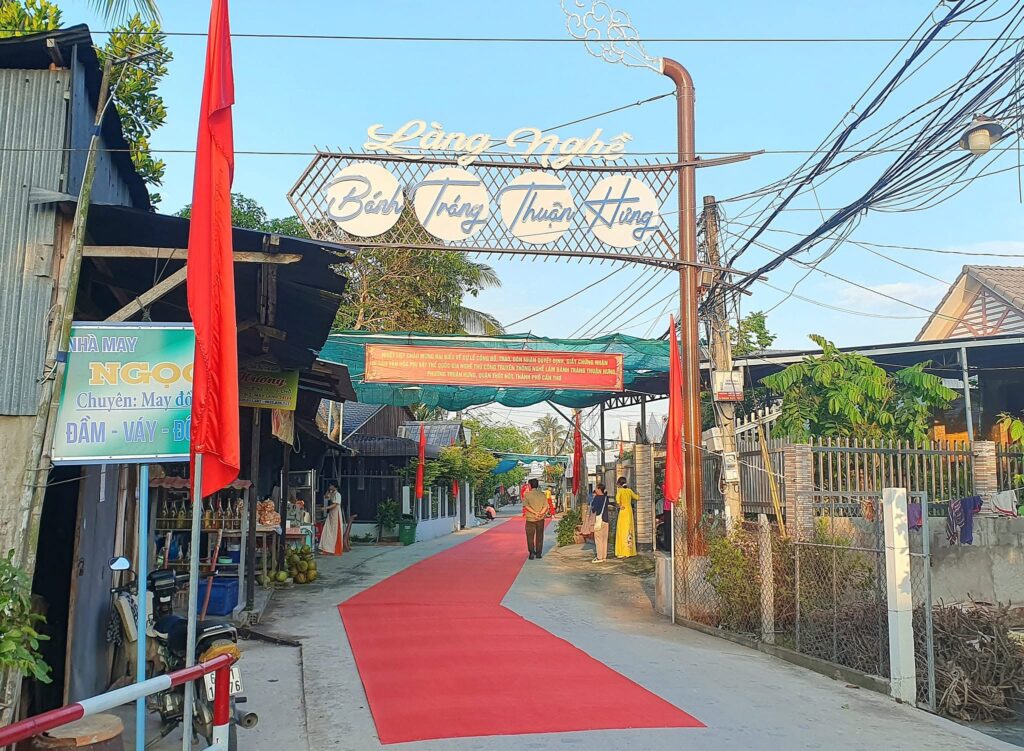
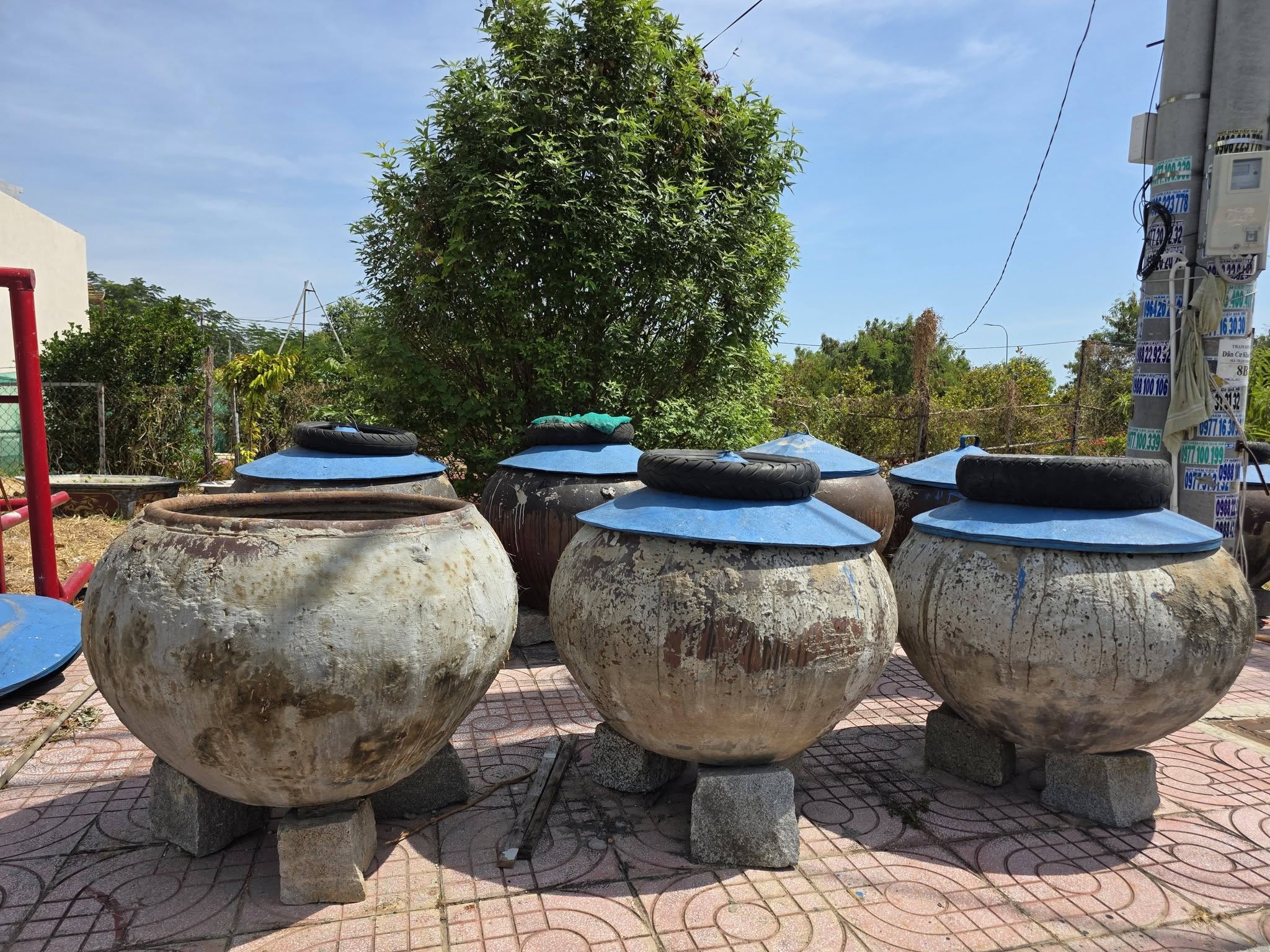
Phan Thiet’s traditional fish sauce making has been closely associated with the coastal life of local communities for more than three centuries. Over generations, fish sauce production has developed from a household practice into an important coastal craft, contributing to the region’s economy, cuisine, trading history, and cultural identity. The craft is also being proposed for inclusion in Vietnam’s National Intangible Cultural Heritage List.
The Origins of Phan Thiet Fish Sauce Making
According to historical research cited in the source, fish sauce making in Phan Thiet appeared around the late 17th century. In its early period, the craft was closely connected with household life. Abundant marine resources and favorable coastal conditions provided the foundation for preserving fish through fermentation and producing fish sauce for daily consumption.
Over time, the knowledge of selecting fish, preparing salt, fermenting the mixture, exposing it to sunlight, and drawing off the finished sauce was passed from one generation to another. These techniques gradually became part of the accumulated knowledge of coastal communities in Phan Thiet.
From Earthen Jars to Large Wooden Barrels
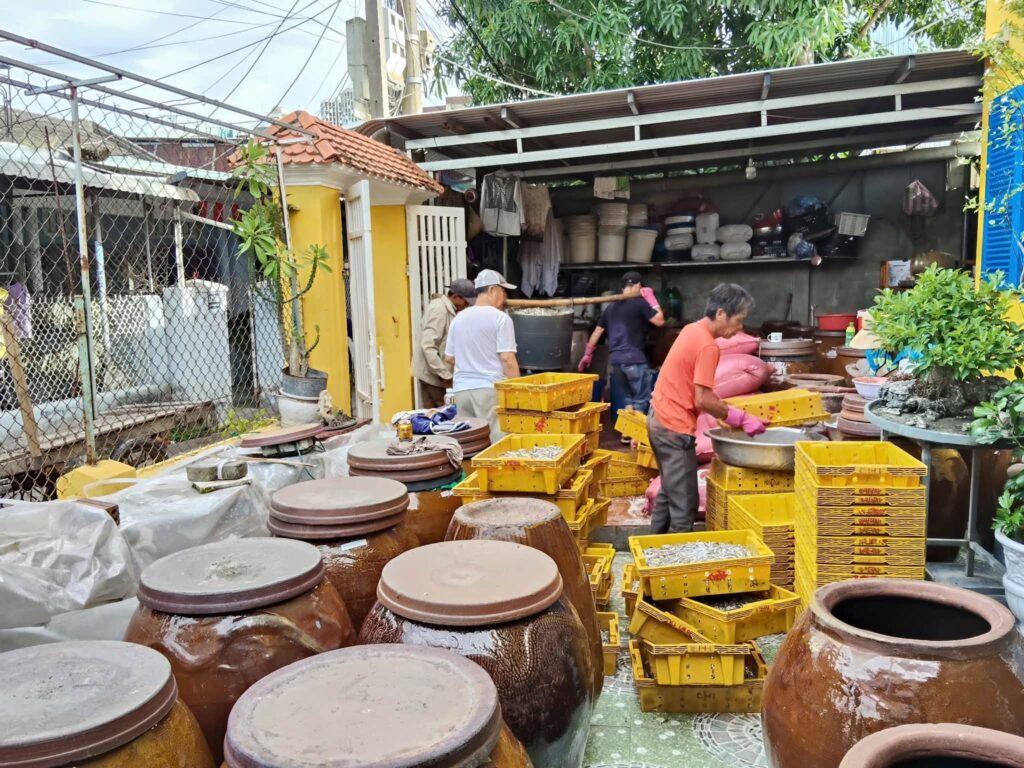
Traditional fish sauce was initially fermented in lu mái, large earthen jars, as well as other vessels such as ceramic jars and storage crocks. As production expanded, larger wooden barrels became increasingly common. By the late 19th and early 20th centuries, some producers were operating with wooden barrels holding several tons of fish and salt.
The development of these larger fermentation vessels was closely connected with the growth of Phan Thiet’s maritime trade. Fish sauce was transported by sailing boats, including ghe bầu, along the Cà Ty River and from the Phú Hài area. From there, products reached markets farther south and other trading centers.
The transition from household jars to large-scale wooden barrels marked an important stage in the development of the craft, while the basic principles of traditional fermentation remained largely unchanged.
Traditional Fermentation and Fish Sauce Extraction
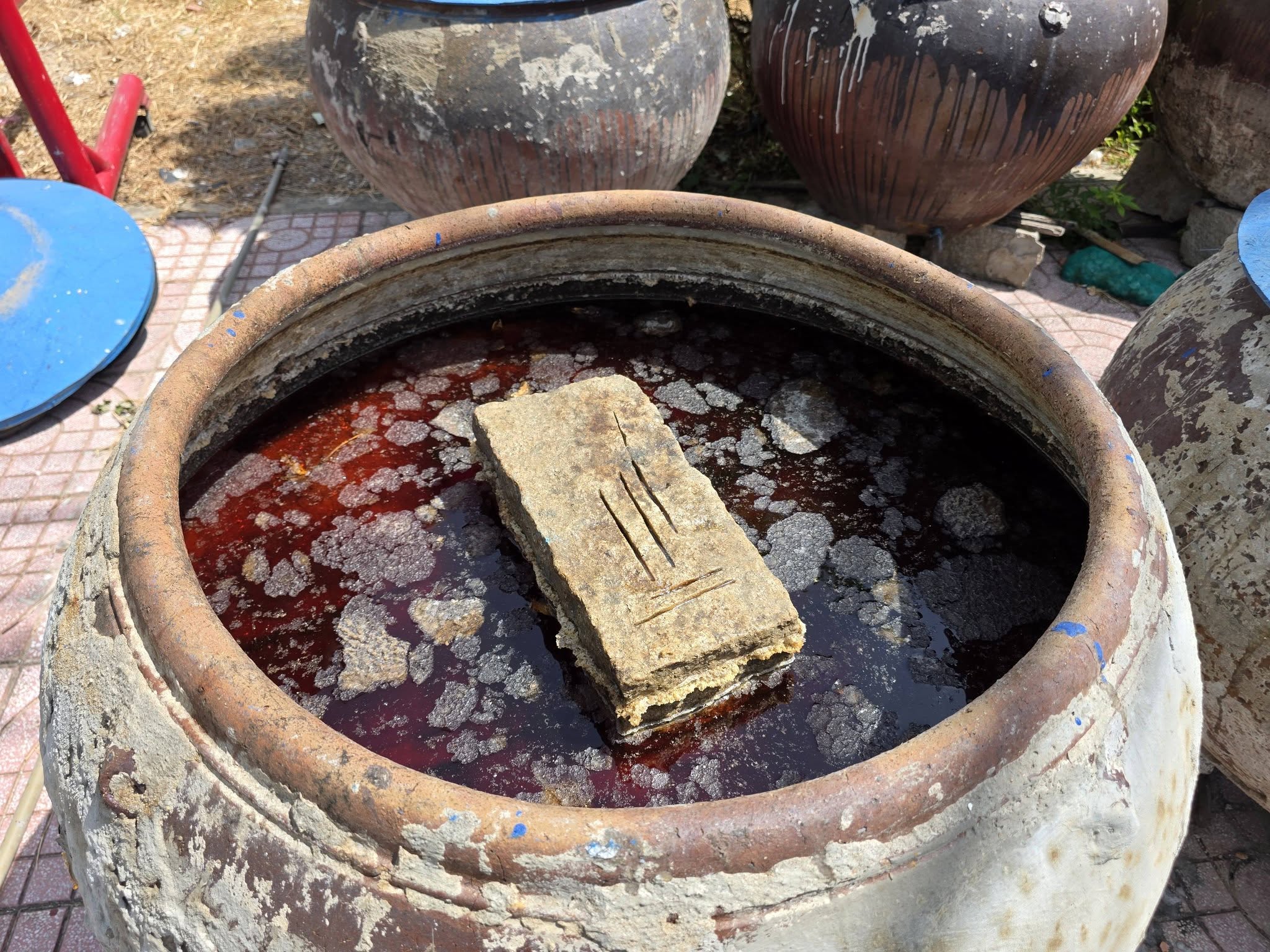
The traditional process begins with fresh anchovies and salt. One source cited in the material gives a ratio of approximately three parts fish to one part salt. The fish and salt are layered carefully in the fermentation vessel, covered with bamboo slats and weighted with stones before being protected from the elements. The mixture is then exposed to the warmth of the sun and allowed to ferment for an extended period.
Depending on the method and conditions, traditional fermentation may last from eight to eighteen months. During this period, the fish gradually breaks down and releases its natural liquid. The first and finest extraction is known as nước mắm nhĩ. Further extraction produces nước mắm ngang.
The process requires patience and experience. Temperature, sunlight, the condition of the fish, the proportion of salt, and the handling of the fermentation vessel all influence the final character of the product.
The Sun and the Character of Phan Thiet Fish Sauce
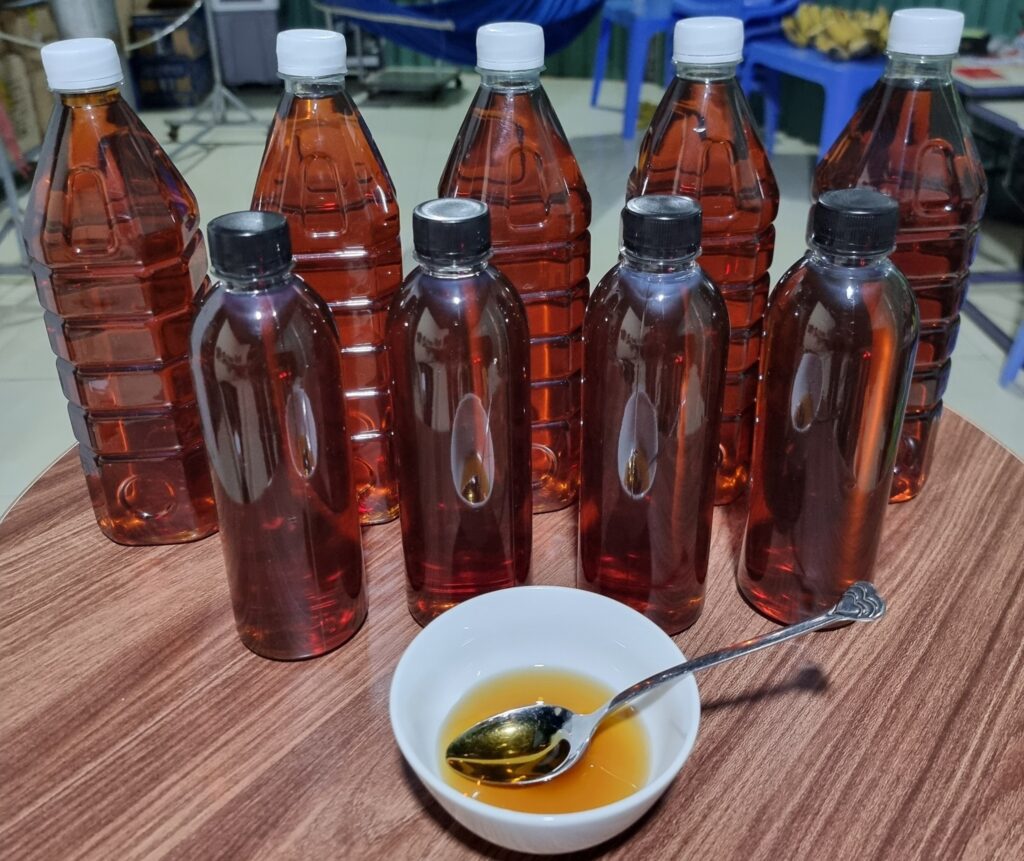
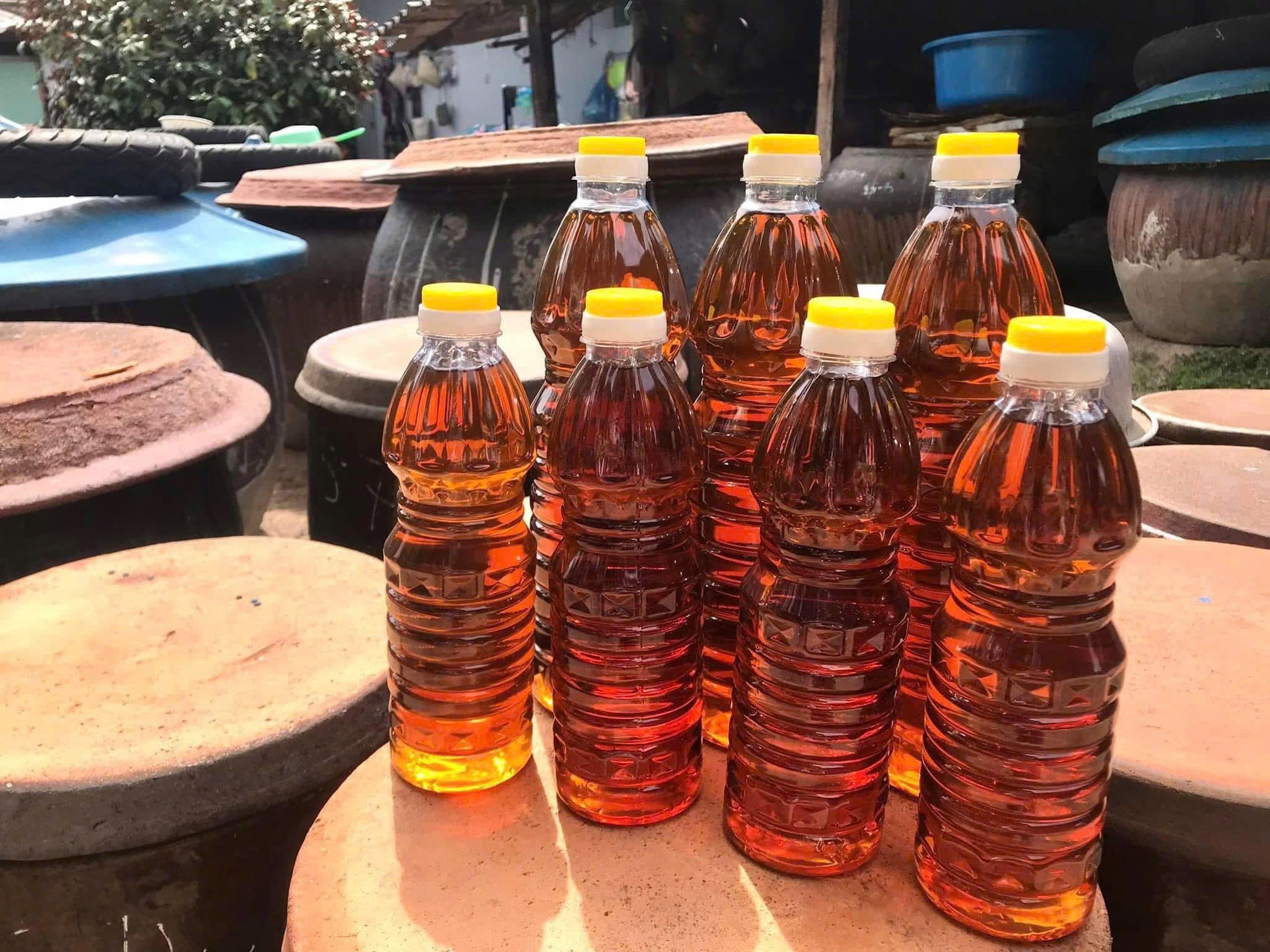
The intense sunlight of the Phan Thiet coast plays an important role in traditional fermentation. The finished fish sauce can range in color from golden straw to reddish brown, depending on the fermentation process and other conditions.
Traditional producers rely on accumulated practical knowledge rather than a single fixed formula. They learn to recognize the changes taking place inside the fermentation vessel and determine when the sauce is ready for extraction.
The resulting fish sauce is valued for its distinctive aroma, clarity, and rich flavor, reflecting both the marine environment and the techniques developed by generations of local producers.
The Rise of the Hàm Hộ Producers
The late 19th and early 20th centuries marked a period of strong development for Phan Thiet’s fish sauce industry. Large-scale producers, commonly known as hàm hộ, played an important role in expanding production and distribution. Fish sauce continued to be transported by ghe bầu and reached markets in different parts of the country, including southern provinces and Saigon.
The establishment of Liên Thành Thương Quán in 1906 was another important milestone in the commercial history of Phan Thiet fish sauce. The development of trading networks helped transform a local coastal product into a commodity with a much wider market.
Historical records cited in the source also mention trade connections extending toward Phú Quốc and Nam Vang, while fish sauce from Phan Thiet was supplied to different markets during the colonial period.
Fish Sauce in the Economic History of Phan Thiet
The scale of the fish sauce industry can be seen through historical production and commercial figures. The source records approximately 3.793 million liters of fish sauce in 1895. By 1909, the recorded commercial value had reached 7,004,555 francs. In 1927, the value was recorded at 82,928,707 francs, alongside production of about 12 million liters. By 1930, production was reported at approximately 40 million liters.
These figures illustrate how fish sauce became more than a household food product. It developed into an important part of Phan Thiet’s coastal economy and commercial life, creating employment and connecting fishing communities with wider domestic trading networks.
A Living Coastal Craft Today
Traditional fish sauce making remains part of Phan Thiet’s coastal economy today. Between 2021 and 2024, annual production was reported at around 20 to 30 million liters, with an estimated economic value of approximately VND 1 trillion. The source also records around 200 households engaged in the craft and an annual consumption of approximately 22,000 tons of fish as raw material.
Alongside production, the craft has increasingly become part of the local tourism experience. Visitors can learn about fermentation, traditional vessels, the work of fish sauce makers, and the relationship between fishing and coastal food culture.
Preserving a Three-Century Maritime Heritage
The craft faces challenges as Phan Thiet continues to urbanize and develop tourism. Changes in employment patterns and the movement of younger generations toward other occupations may affect the continuity of traditional knowledge. At the same time, the craft remains an important part of the cultural identity of the coastal community.
The proposal to include traditional Phan Thiet fish sauce making in Vietnam’s National Intangible Cultural Heritage List reflects an effort to recognize and preserve not only the finished product, but also the knowledge, skills, working practices, tools, terminology, and community traditions associated with its production.
From Fishing Livelihood to Cultural Heritage
Phan Thiet fish sauce embodies a long relationship between people and the sea. Anchovies from coastal waters, salt, sunlight, wooden barrels, earthen jars, and the knowledge of generations come together in a process that cannot be separated from the history of the local community.
For more than three centuries, the craft has adapted to changing economic conditions while retaining its traditional foundations. Today, a bottle of Phan Thiet fish sauce carries more than the flavor of fermented fish. It also reflects the memory of a coastal livelihood, the history of maritime trade, and the accumulated knowledge of generations of fish sauce makers.
Basic Information
| Item | Details |
|---|---|
| Name | Traditional Phan Thiet Fish Sauce Making |
| Location | Phan Thiet, Lam Dong Province |
| History | More than 300 years |
| Main ingredients | Anchovies and salt |
| Traditional method | Fermentation, sun exposure and extraction |
| Traditional vessels | Lu mái, ceramic jars, crocks and large wooden barrels |
| Fermentation period | Approximately 8–18 months |
| First extraction | Nước mắm nhĩ |
| Typical color | Golden straw to reddish brown |
| Historical producers | Hàm hộ |
| Current scale | Approximately 200 households |
| Cultural values | Coastal livelihood, marine culture, cuisine, trade and traditional knowledge |
| Heritage status | Proposed for inclusion in the National Intangible Cultural Heritage List |