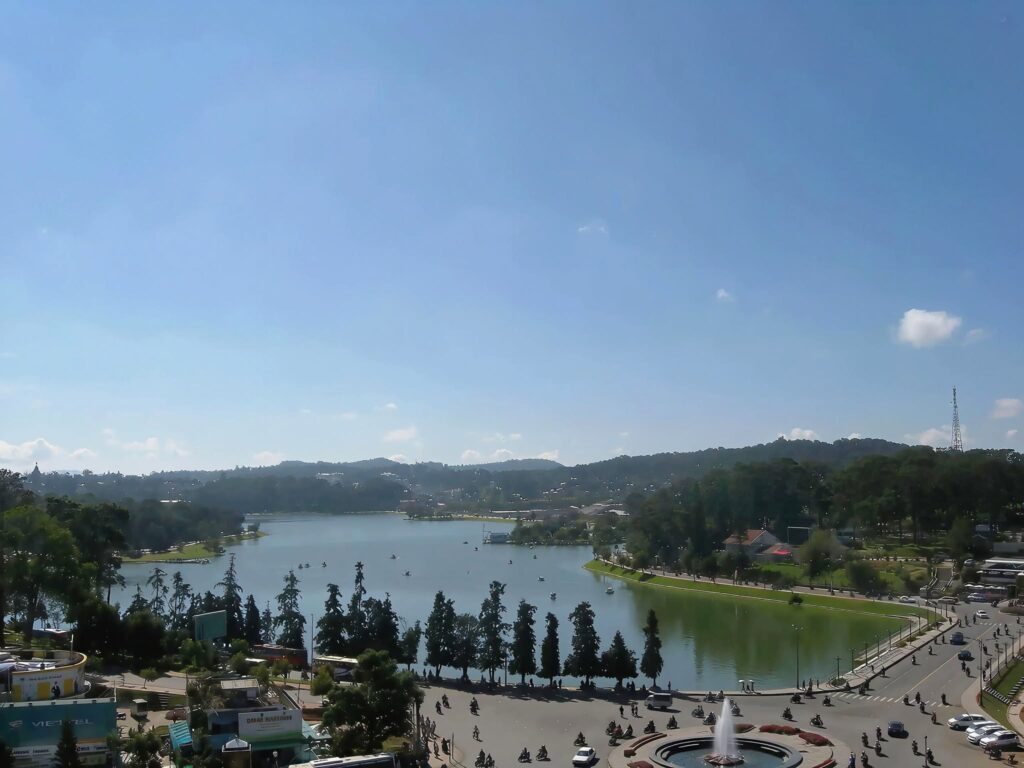
Da Lat is one of Vietnam’s most recognizable destinations. Known for its cool climate, pine forests, flower gardens and distinctive highland atmosphere, the city has long been associated with romance and relaxation.
But where did the name Da Lat come from?
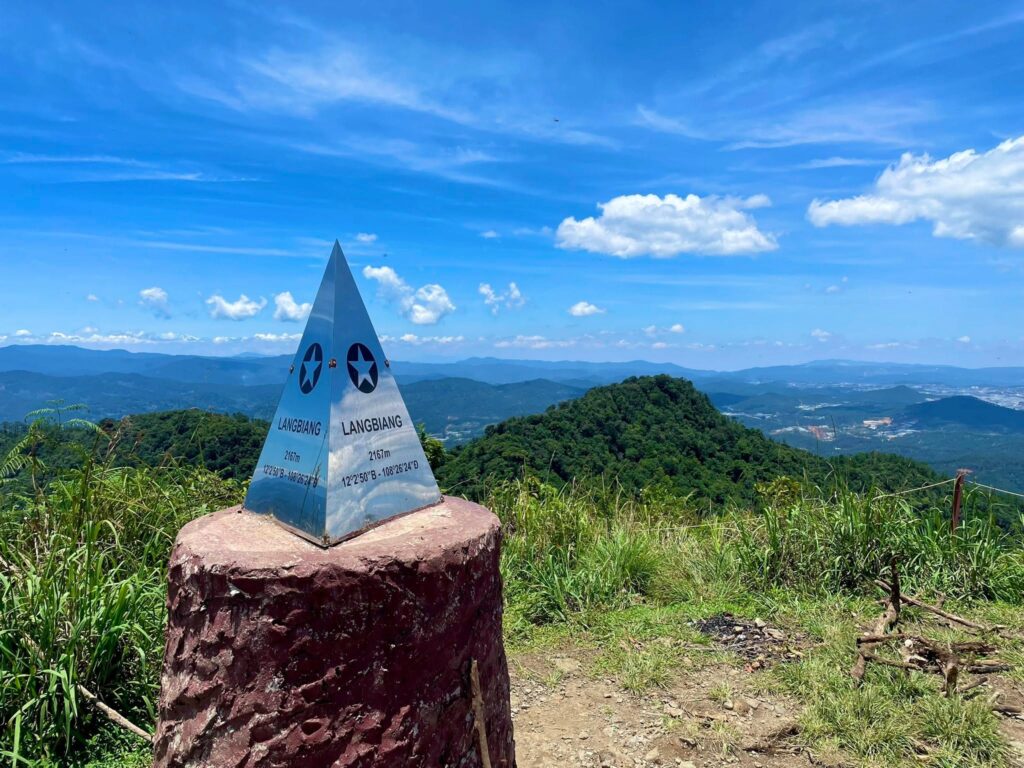
Behind this familiar name is a story connected to the indigenous communities of the Lang Biang Highlands, the streams that flow through the area, and the transformation of the highlands into a modern city in the late 19th and early 20th centuries.
There have been several explanations for the origin of the name. Among them, the most widely cited historical and linguistic explanation is that Da Lat originated from “Da Lach,” a name associated with the Lach people, an indigenous community living around the Lang Biang Plateau.
Da Lat Originated from “Da Lach”
In the languages spoken by several indigenous communities in Vietnam’s Central Highlands, “Da” or related forms such as “Dak” and “Da” are associated with water, streams or rivers.
“Lach” refers to the Lach people, an indigenous community belonging to the K’Ho ethnic group who have lived for generations around the Lang Biang area.
Therefore, “Da Lach” can be understood as “the stream of the Lach people.”
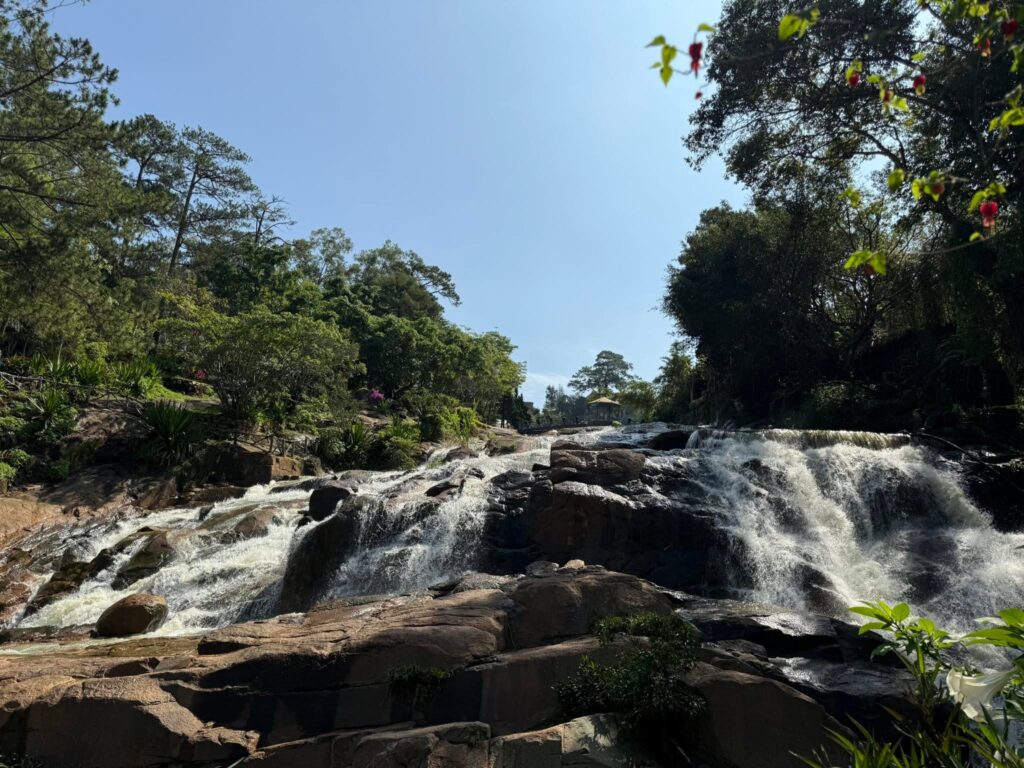
The stream traditionally associated with this name is Cam Ly Stream, which flows through the area of present-day Da Lat.
According to accounts concerning the Lach people, different sections of the Cam Ly waterway once had different names. The section between the area of present-day Than Tho Lake and Cam Ly Waterfall was known as Da Lach, meaning the stream associated with the Lach people.
Over time, through changes in pronunciation and transcription by French explorers and administrators, Da Lach gradually appeared in written records as Da-lach and later Dalat, eventually becoming Da Lat in Vietnamese.
This linguistic connection is one of the principal explanations for the origin of the city’s name.
When Did the Name “Da Lach” First Appear?
Interestingly, the name Da Lat did not appear immediately in the earliest European records about the Lang Biang Highlands.
In 1881, French physician Paul Néis and Lieutenant Albert Septans undertook an expedition toward the upper reaches of the Dong Nai River. Their records mentioned settlements of the Lach people, indicating that indigenous communities had long occupied the highlands before large-scale French exploration began.
On June 21, 1893, physician Alexandre Yersin reached the Lang Biang Plateau during his famous expedition. He recorded places such as Lang Biang and Dankia, but the name Da Lat had not yet become established in the records of the time.
The situation changed toward the end of the 19th century, when French authorities began systematically surveying the Lang Biang Highlands in search of a suitable location for a mountain retreat.
One important early record appeared on a map associated with the Oddéra expedition in 1898, where the place name Da-lach was recorded.
By 1899, physician Étienne Tardiff was using the name Dalat when describing the southern part of the Lang Biang Plateau.
The transition from Da Lach → Da-lach → Dalat therefore took place during a period when the region was being explored and mapped by French expeditions.
From the Lang Biang Plateau to Da Lat
The history of the name Da Lat is closely connected with the development of the Lang Biang Plateau at the end of the 19th century.
In 1897, French Indochina Governor-General Paul Doumer called for the search for a suitable highland location where a mountain resort could be established for Europeans living in Indochina.
The site was expected to have a cool climate, sufficient elevation, reliable water sources, suitable land and reasonable potential for transportation and development.
The Lang Biang Plateau met many of these conditions.
Physician Alexandre Yersin introduced Paul Doumer to the potential of the highlands. After a series of expeditions and surveys, the area that would become Da Lat was gradually identified as a promising location for a mountain resort and future urban development.
During this period, the name Dalat appeared increasingly often on maps, survey reports and other French documents.
The name Lang Biang was used for the wider highland region, while Dalat gradually came to identify the emerging settlement around the central valley and water system.
A name once associated with a stream and an indigenous community was therefore gradually transformed into the name of a new highland town.
The Connection Between Da Lat and Xuan Huong Lake
Today, Xuan Huong Lake is one of Da Lat’s most recognizable landmarks. Few visitors realize that the area around the lake was once closely connected to the stream system that gave rise to the traditional name Da Lach.
In 1919, a dam was constructed across the Cam Ly stream, creating a large body of water. Following later changes and development, this became Xuan Huong Lake, now one of the city’s defining landscapes.
The waterway therefore holds significance not only for Da Lat’s scenery but also for the story behind its name.
Seen from this perspective, the name Da Lat preserves a linguistic trace of the landscape and indigenous communities that existed long before the city became a major tourist destination.
What About the Famous Latin Phrase “Dat Aliis Laetitiam Aliis Temperiem”?
There is another famous story associated with the name Da Lat.
During the French colonial period, the five letters D-A-L-A-T were used to create the Latin phrase:
“Dat Aliis Laetitiam Aliis Temperiem.”
The phrase is generally understood as meaning:
“Giving joy to some, coolness to others.”
It evokes the pleasant climate and attractive natural environment that made Da Lat famous as a mountain resort.
The phrase was used as a symbolic motto associated with the city and appeared in connection with representations of Da Lat during the French period, including the former Da Lat Market.
However, this Latin phrase was not the original source of the name Da Lat.
Instead, it was a later wordplay built around a place name that already existed.
In other words, Da Lach came first; the Latin phrase came later.
From “Da Lach” to “Da Lat”
The evolution of the name can be summarized simply:
Da Lach → Da-lach → Dalat → Da Lat
The original name was associated with the stream of the Lach people. Through pronunciation, transcription and its use in French geographical records, the name gradually took the form Dalat.
It was later rendered in Vietnamese as Da Lat.
This transformation also reflects a larger chapter in the history of the region. Before Da Lat became a famous resort city, the highlands were already home to indigenous communities, particularly the Lach people.
Many modern place names in the Central Highlands preserve traces of this earlier cultural landscape.
From an Indigenous Place Name to a Famous Highland City
From the late 19th century onward, Da Lat underwent a remarkable transformation.
Roads, public buildings, villas, hotels, lakes and other urban infrastructure gradually appeared, turning what had once been a relatively remote highland landscape into a distinctive mountain city.
Today, Da Lat is widely known by affectionate names such as the City of Flowers, the City of Eternal Spring and the City of Love.
Yet beneath these romantic names lies an older story.
Before becoming a famous tourist destination, Da Lat was part of the homeland of indigenous communities whose relationship with the landscape is reflected in the very name of the city.
Da Lach, the stream of the Lach people, became Dalat and eventually Da Lat.
The name is therefore more than a geographical label. It is a small linguistic window into the history of the highlands, connecting today’s modern city with the communities, waterways and landscapes that existed long before its development as a resort town.
Discovering Old Da Lat at Lam Dong Museum
Visitors who want to learn more about the history of Da Lat can continue their journey at the Lam Dong Museum.
The museum features displays dedicated to old Da Lat, including photographs, historical documents and artifacts related to the city’s early development, from the period of exploration of the Lang Biang Highlands to the formation and growth of Da Lat as an urban center.
The museum offers a different way of seeing the city.
Da Lat is not only a destination of flowers, pine forests, old villas and cool mountain air. It is also a place shaped by indigenous cultures, historical encounters, geographical exploration and more than a century of urban development.
What Does the Name “Da Lat” Mean?
According to the widely cited linguistic and historical explanation, Da Lat originated from “Da Lach.”
“Da” refers to water, a stream or river, while “Lach” refers to the Lach people. The name can therefore be understood as “the stream of the Lach people.”
The well-known Latin phrase “Dat Aliis Laetitiam Aliis Temperiem” is a later wordplay based on the letters D-A-L-A-T. It celebrates Da Lat’s pleasant climate and atmosphere, but it should not be confused with the original etymology of the city’s name.
From an indigenous stream name to the name of one of Vietnam’s most beloved highland destinations, Da Lat carries a remarkable story of landscape, language and history.