Yen The Festival is a traditional festival closely associated with the Yen The Uprising and the historical figure Hoang Hoa Tham, also known as De Tham. Held in the Phon Xuong area, now located in Yen The Commune, Bac Ninh Province, the festival commemorates the legendary leader and the soldiers who fought against French colonial forces. It also celebrates the patriotism, indomitable spirit, martial traditions, and community solidarity of the people of Yen The.
More than a traditional community gathering, Yen The Festival provides an opportunity for local residents and visitors to learn about the history of the Yen The Uprising, pay tribute to those who sacrificed their lives for their homeland, and participate in traditional rituals, cultural performances, sporting activities, and folk games characteristic of the region.
Origins and Historical Development
Yen The Festival originated from an agricultural festival associated with prayers for favorable weather and abundant harvests in the Phon Xuong area. In its early form, the festival was organized by residents of Lang Trung, Xom Trung, Xom Che, and Dong Nhan Hamlet at the communal house and temple of Phon Xuong. These sites served as important religious and cultural spaces where local people prayed for favorable weather, fertile crops, prosperous livestock, peace, and a prosperous life.
In the past, the Phon Xuong Festival was usually held in late August or early September according to the lunar calendar. However, during the period of the Yen The Uprising, its schedule was changed by Hoang Hoa Tham to the middle of the first lunar month. This adjustment was suitable for the agricultural calendar and allowed local people and the insurgent forces to gather in Phon Xuong during the early spring period. The festival thus became an occasion for community activities, commemorative rituals, and the strengthening of solidarity in support of the resistance movement.
After the Yen The Uprising came to an end, the Phon Xuong Festival gradually became smaller in scale. Nevertheless, local residents continued to commemorate Hoang Hoa Tham by holding a ceremony on the fifth day of the first lunar month, which was also considered the death anniversary of the legendary leader. Over time, this practice developed into a meaningful cultural tradition expressing the people’s gratitude to De Tham and the soldiers of Yen The.
In 1984, on the occasion of the 100th anniversary of the Yen The Uprising, Ha Bac Province organized the Phon Xuong Festival over three days, from March 15 to March 17. The festival was subsequently renamed the Yen The Festival. March 16 was designated as the main festival day and gradually became an important annual occasion for local residents and visitors from across the country to honor the heroic history of Yen The.
Over the years, the festival has expanded in scale, content, and organization. It continues to preserve traditional rituals while incorporating cultural programs, sports competitions, artistic performances, and historical reenactments, creating a vibrant cultural space rich in local identity.
Festival Space and Opening Ceremonies
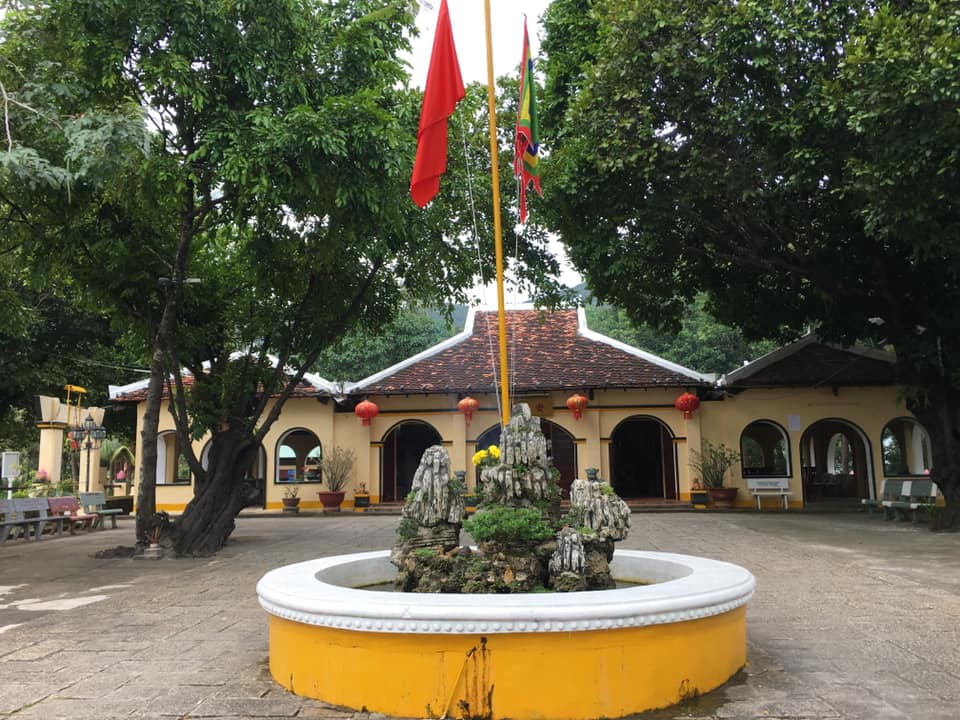
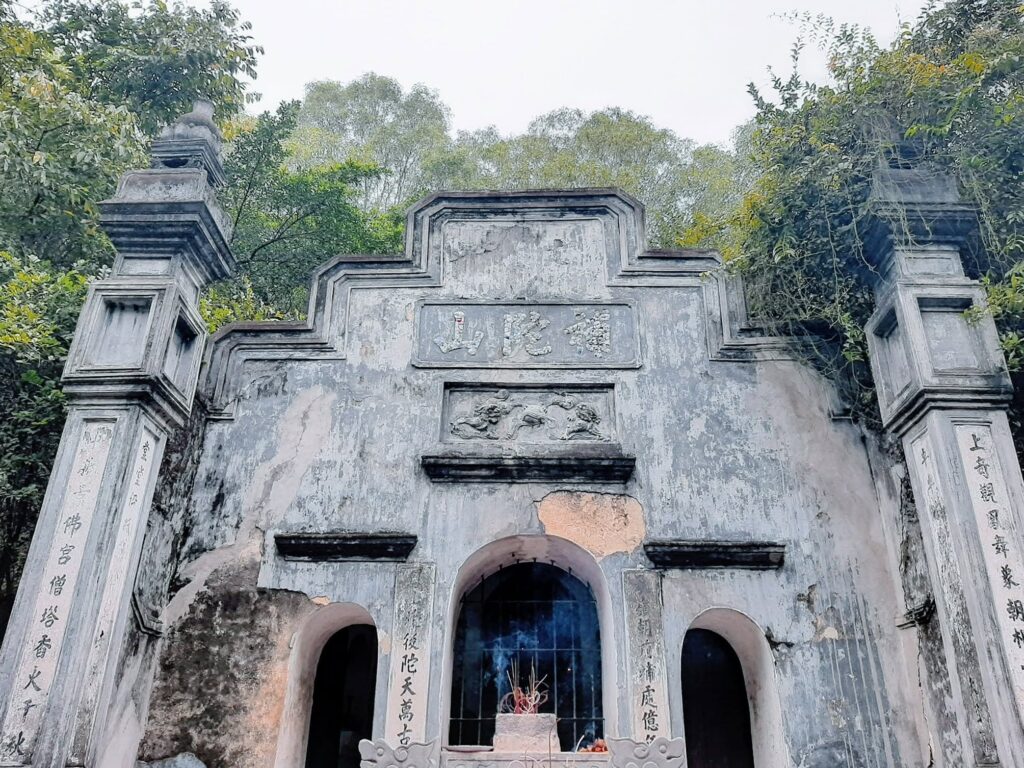
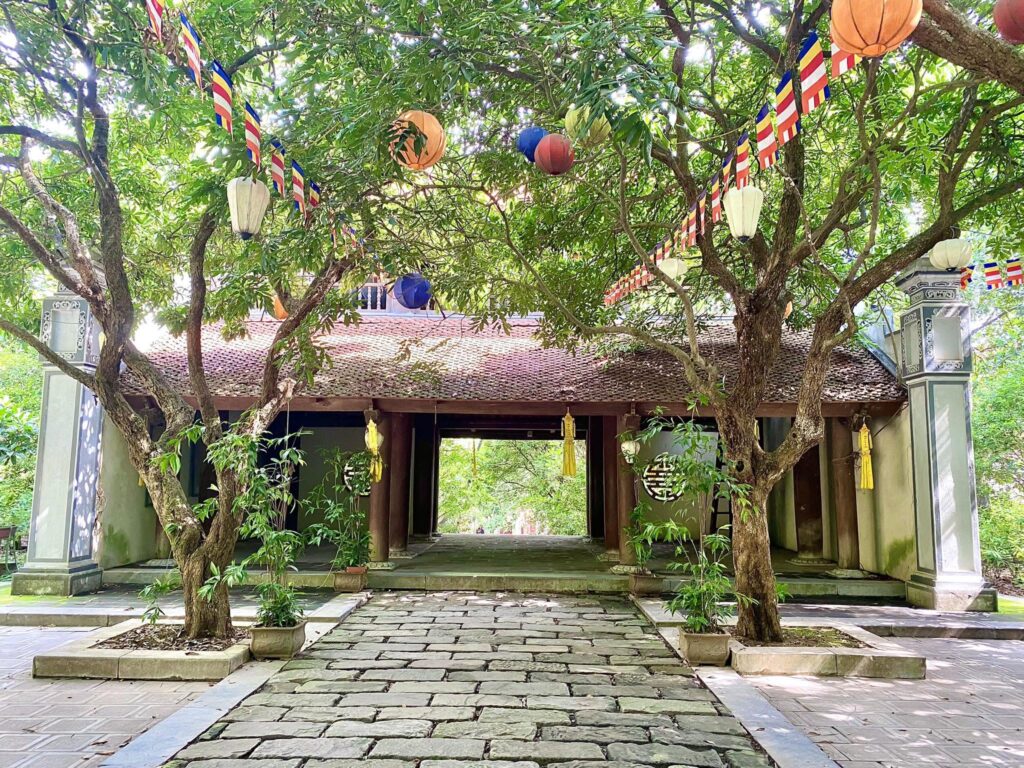
Yen The Festival takes place in the area of the former Phon Xuong headquarters, the Phon Xuong Fort, and other historical locations associated with the Yen The Uprising. The main festival space is concentrated in Phon Xuong, now part of Yen The Commune, Bac Ninh Province. This area once served as an important headquarters of Hoang Hoa Tham’s forces and preserves numerous historical traces connected with the resistance against French colonial rule in the late nineteenth and early twentieth centuries.
The festival is generally held over three days, from March 15 to March 17, with March 16 serving as the main celebration day. The ceremonial section includes processions, incense-offering rituals, and commemorative activities honoring Hoang Hoa Tham and the soldiers of Yen The. The festive section features cultural performances, sports, folk games, and historical reenactments.
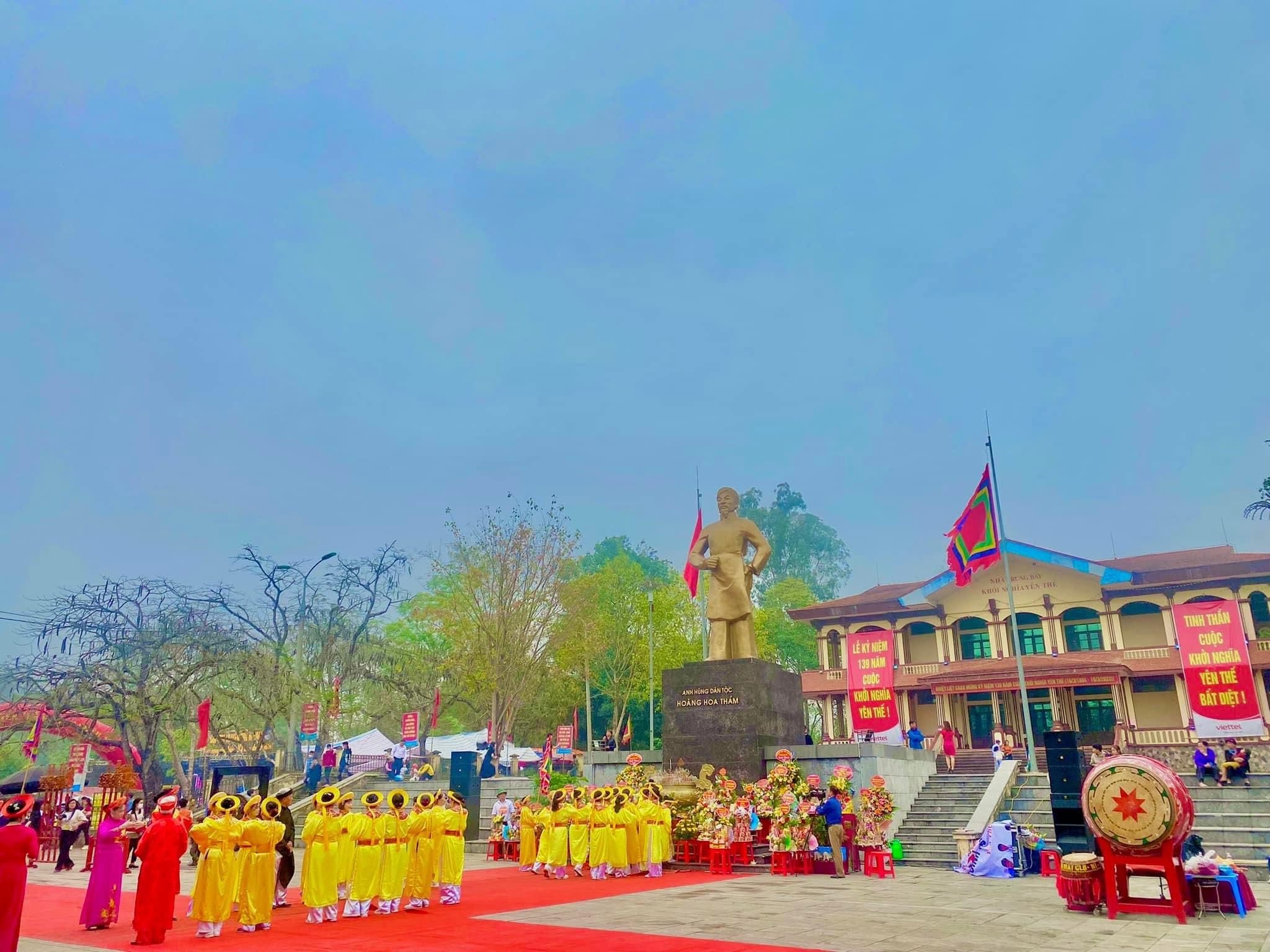
One of the important opening rituals is the procession welcoming the horse team from Ha Village to Phon Xuong. This is followed by a parade involving forces and community groups from across the area, demonstrating the broad participation of local residents. The procession moves toward the monument area, where incense is offered in memory of Hoang Hoa Tham and those who sacrificed their lives during the uprising.
The procession organized by Phon Xuong Commune traditionally carries a censer from Leo Pagoda. At the front of the procession are lion and unicorn dance teams waving five-element flags, creating an atmosphere that is both sacred and festive. Following them is a palanquin carrying offerings of red sticky rice and a boiled pig’s head, symbolizing the people’s sincere respect for the historical figures being commemorated.
The palanquin is carried by four young men, accompanied by two attendants holding ceremonial parasols and canopies. Behind them walk elderly people dressed in traditional clothing, followed by local residents. Those carrying the palanquin, flags, parasols, and canopies traditionally wear red shirts and red headscarves, creating a unified and striking procession. Upon reaching the monument, the palanquin is placed on the left-hand side.
At the same time, the procession carrying the Bat Cong palanquin from Cau Go Town traditionally makes its way to the festival area. Eight unmarried young men are selected to carry the palanquin, wearing traditional work clothes and red headscarves. The palanquin carries a tray of five-fruit offerings, sticky rice, and oản cakes.
The procession is led by lion and unicorn dancers, comic characters, and the chú tễu puppet-like figure, followed by five-element flags and ten young men carrying ceremonial weapons known as bát bửu. Behind them comes the palanquin, accompanied by two attendants holding ceremonial parasols, elderly men dressed in ritual garments and traditional footwear, elderly women wearing yellow robes, representatives of local organizations, and the general public.
When the procession reaches the monument, the palanquin is placed on the right-hand side. The two palanquins stand on either side of the monument, forming the central ceremonial space, while officials, residents, and visitors gather below.
At exactly 8:00 a.m., provincial and local leaders deliver the opening speeches, reviewing the history and traditions of the Yen The insurgent forces and recalling the contributions and sacrifices of Hoang Hoa Tham and his followers. Three rounds of ceremonial drums and gongs then announce the official opening of the festival.
A notable feature of the opening ceremony is the reenactment of the flag-worship ceremony of De Tham’s insurgent army, performed by the Bac Giang Cheo Art Troupe. This theatrical presentation helps visitors visualize the heroic atmosphere of the uprising, the solidarity among the insurgents, and the determination of the local people to resist foreign domination.
Following the opening ceremony, officials, local residents, and visitors offer incense at the Hoang Hoa Tham Monument to express their respect and gratitude to the leader and the soldiers who gave their lives for the homeland.
Commemorative Ceremony for the Yen The Soldiers
After the opening ceremony at the monument, a memorial offering ceremony is held at the former Phon Xuong Fort and the temple dedicated to Ba Ba. This ritual commemorates the spirits of the Yen The soldiers and reflects the Vietnamese tradition of remembering and honoring those who sacrificed their lives for the community and the nation.
The offerings are traditionally arranged into five trays and consist of simple dishes associated with the daily life of local people and the difficult conditions experienced by the insurgent forces in the past. The offerings may include chicken, bánh dầy glutinous rice cakes, rice balls, bánh gio ash cakes, chè lam sweet rice bars, sticky rice, boiled pork belly, lettuce, six small bowls, six pairs of chopsticks, rice wine, square bánh chưng, white salt, and sesame-peanut salt.
Although these dishes are not elaborate, they express sincerity, simplicity, and closeness to everyday life. Rice balls, sesame-peanut salt, bánh chưng, bánh gio, and chè lam were familiar foods among local communities and evoke the modest living conditions of the insurgents during their years of struggle in the mountains and forests of Yen The.
The memorial ritual at Phon Xuong Fort is not only a spiritual ceremony but also an opportunity for the community to maintain a connection between the past and the present. Stories about Hoang Hoa Tham, the Yen The insurgent forces, and the uprising are passed down from one generation to another, helping educate younger generations about patriotism, local pride, and the importance of preserving historical heritage.
Cultural, Sporting, and Recreational Activities
Alongside the solemn ceremonial activities, the festive section of Yen The Festival is lively and diverse, attracting large numbers of local residents and visitors. These activities provide entertainment while also reflecting the martial traditions, physical strength, and community spirit historically associated with the people of Yen The.
The festival often features camping, martial arts demonstrations, shooting, archery and crossbow competitions, human chess, swings, wrestling, volleyball, football, and other mass sporting activities. These events create a joyful and energetic atmosphere while recalling the martial skills and fighting spirit of the Yen The insurgents.
Traditional martial arts performances, wrestling matches, and crossbow contests are particularly popular with visitors. They are not merely sporting activities but also express courage, agility, endurance, and the determination to overcome hardship that characterized the people of this historically resilient region.
The festival also includes contests on the history of the Yen The Uprising, the life and career of Hoang Hoa Tham, important historical sites, prominent figures, and major events connected with the resistance movement. Such activities help bring historical knowledge closer to younger generations through engaging and accessible forms.
Community art programs, amateur performances, Cheo theatre, cultural exchanges, documentary screenings, and films about Hoang Hoa Tham and the Yen The Uprising are also organized. Some activities introduce traditional costumes and cultural practices of local communities, enriching the overall character of the festival.
The festival space therefore serves not only as a place of remembrance but also as a venue for social interaction, recreation, cultural exchange, and community gathering. Residents from villages, hamlets, and residential areas participate in organizing events, competing, performing, and supporting one another, strengthening solidarity throughout the locality.
Historical, Cultural, and Community Values
Yen The Festival is a distinctive form of commemoration dedicated to Hoang Hoa Tham and the soldiers of the Yen The Uprising. Through its rituals, processions, incense offerings, performances, and historical reenactments, the festival preserves collective memories of one of the most significant anti-colonial resistance movements in Vietnamese history.
The Yen The Uprising lasted for many years and brought together large numbers of local people under the leadership of Hoang Hoa Tham. The movement demonstrated the resilience of the people, their ability to organize and conduct flexible resistance, and their determination to defend their homeland. The festival provides a space where these historical values continue to be remembered and transmitted to future generations.
From a cultural perspective, the festival reflects the combination of folk beliefs, hero worship, traditional processions, ritual performances, and folk games. Ceremonies such as palanquin processions, incense offerings, sacrificial rituals, five-element flags, lion dances, and unicorn dances reveal the close relationship between sacred beliefs and community life.
Sports, martial arts, wrestling, crossbow shooting, and tug-of-war demonstrate the strong martial spirit of the people of Yen The. These activities also encourage physical fitness, courage, determination, and solidarity among community members.
The festival is also an occasion for people to return emotionally to their homeland, honor those who sacrificed their lives, and pray for peace, favorable weather, successful crops, family happiness, and community prosperity. From its original form as an agricultural festival, the Phon Xuong gathering developed into a major historical festival that combines folk beliefs with the commemoration of a national historical figure.
For younger generations, Yen The Festival serves as a living history lesson. Children and students can learn about their homeland not only through books but also through historical sites, traditional rituals, theatrical reenactments, history competitions, and community activities. In this way, the festival contributes to nurturing patriotism, national pride, and a sense of responsibility for protecting cultural heritage.
Yen The Festival as National Intangible Cultural Heritage
Yen The Festival is closely connected with the system of historical sites known as the Sites Associated with the Yen The Uprising, a special national-level heritage complex preserving important locations linked to the uprising led by Hoang Hoa Tham. Phon Xuong is one of the central locations, associated with the insurgent headquarters, the organization of forces, and many important events during the resistance.
Today, Yen The Commune in Bac Ninh Province remains a land of strong revolutionary traditions and valuable historical and cultural heritage. The annual organization of Yen The Festival helps connect historical sites with contemporary community life, creating opportunities for residents and visitors to explore local history while promoting heritage education and cultural tourism.
Yen The Festival has been included in the National List of Intangible Cultural Heritage under the category of traditional festivals. This recognition confirms its historical, cultural, and community value, while also emphasizing the importance of preserving, transmitting, and promoting its traditional rituals in ways that respect its original identity.
Following the current administrative boundaries, the festival area is now located in Yen The Commune, Bac Ninh Province. Earlier documents may refer to the location as Phon Xuong Town, Yen The District, Bac Giang Province. The change in administrative designation should therefore be reflected in contemporary tourism, heritage, and cultural publications.
Yen The Festival is not merely an annual cultural event. It is a symbol of historical memory, gratitude, and community solidarity. Through each festival season, the image of Hoang Hoa Tham and the Yen The soldiers continues to be honored, while the traditions of patriotism, resilience, and devotion to the homeland are passed on to future generations.
Heritage Information
- Name of heritage: Yen The Festival
- Type: Traditional festival
- Location: Yen The Commune, Bac Ninh Province, Vietnam
- Main festival area: Phon Xuong, the former insurgent headquarters, and Phon Xuong Fort
- Festival period: March 15–17 annually
- Main festival day: March 16
- Commemorated figures: Hoang Hoa Tham and the soldiers of the Yen The Uprising
- Outstanding values: Historical remembrance, patriotic education, preservation of traditional rituals, community solidarity, and martial spirit
- Heritage status: National Intangible Cultural Heritage, traditional festival category