


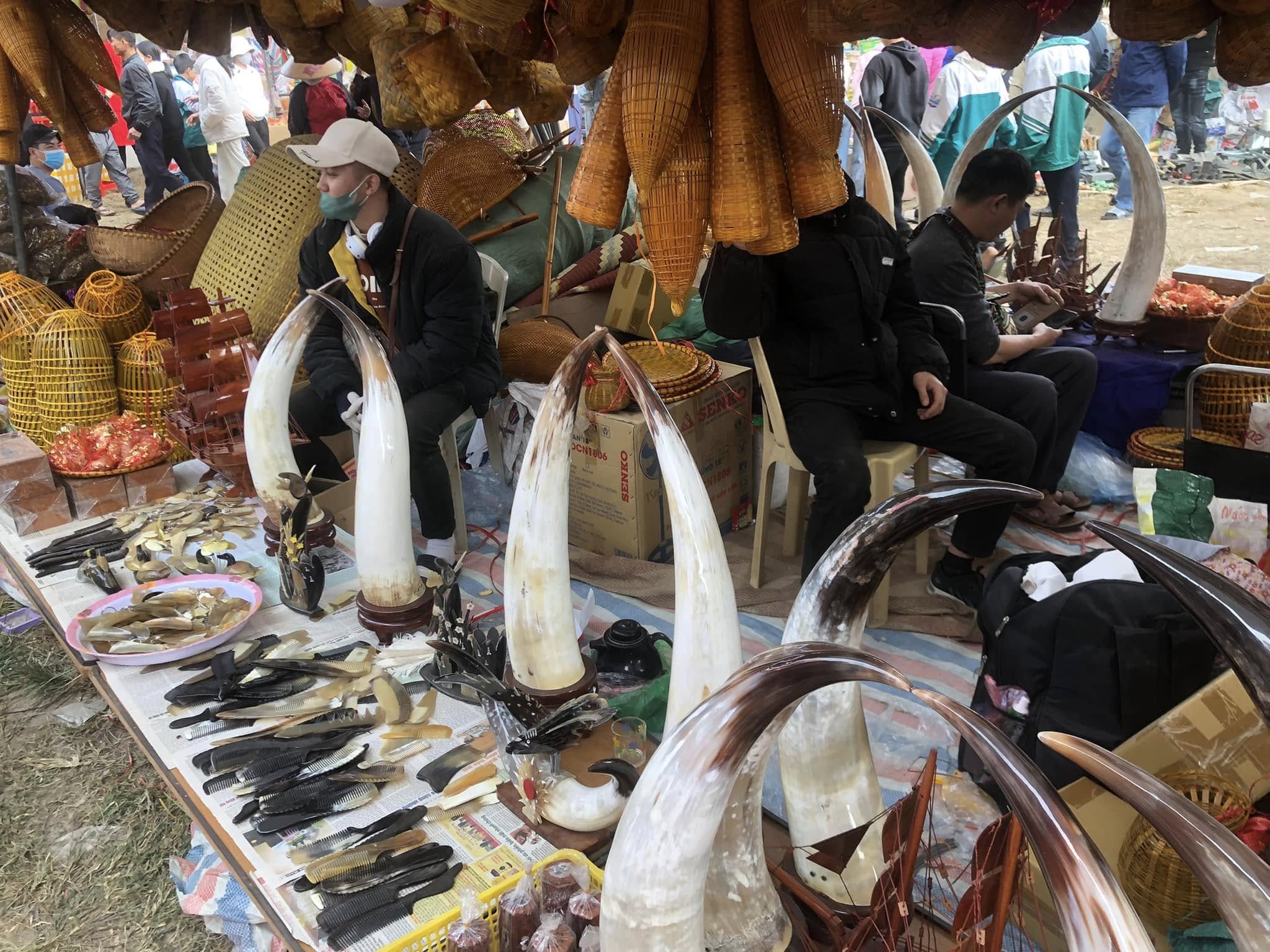
Do Hai Horn Handicraft Village, located in Binh Son Commune, Ninh Binh Province, is one of the distinctive traditional craft villages of Vietnam’s Red River Delta. With a history spanning more than 100 years, the village is renowned for transforming buffalo and cattle horns into finely crafted household accessories, decorative sculptures, jewelry, and artistic objects that reflect the creativity and craftsmanship of Vietnamese artisans.
Hidden among bamboo groves and narrow village lanes, Do Hai retains the quiet character of a traditional northern Vietnamese rural community. Rather than presenting itself as a bustling industrial center, the village reveals its heritage through the daily work of artisans who carefully cut, shape, carve, polish, and finish natural horn materials.
What makes Do Hai particularly remarkable is the ability of its craftspeople to transform an animal-derived material into objects of both practical and artistic value. Through skilled hands and specialized techniques, buffalo and cattle horns become combs, hairpins, bracelets, dragon and phoenix sculptures, zodiac figurines, and many other handcrafted products.
According to local historical accounts, the craft was introduced to Do Hai by Nguyen Van Tan in the early twentieth century. Although horn craftsmanship experienced periods of decline, the determination of local artisans helped revive the industry in the late 1980s.
In 2004, Do Hai was officially recognized as a traditional craft village by the provincial People’s Committee, marking an important milestone in the preservation and development of its handicraft heritage.
Today, with hundreds of product designs and a community of skilled artisans, Do Hai continues to maintain its traditional craftsmanship while adapting to contemporary markets. The village also offers potential for cultural tourism, providing visitors with opportunities to discover a distinctive Vietnamese craft and the everyday life of the people who preserve it.
History and Development of Do Hai Horn Handicraft Village
Do Hai Horn Handicraft Village developed within the cultural landscape of the Red River Delta, where traditional handicrafts have long played an important role in rural livelihoods and community life.
Unlike crafts that rely on widely used materials such as wood, bamboo, rattan, or clay, horn craftsmanship requires specialized knowledge of a material with natural curvature, varying thickness, and distinctive colors.
Through generations of practice, Do Hai artisans have developed techniques for preparing, cutting, shaping, carving, and polishing horn, establishing a craft tradition closely associated with the village’s identity.
The Origins of Horn Craftsmanship in the Early Twentieth Century
According to local accounts, the origins of Do Hai’s horn-working tradition are associated with Nguyen Van Tan, who introduced and taught the craft to villagers during the early twentieth century.
Initially, horn products were relatively simple and primarily intended for everyday use.
Early items reportedly included horsewhip components, traditional hat straps, brushes, and other household accessories.
Local descriptions also mention a traditional product called nho mai, although further documentation would be needed to establish its exact form and function.
These early products emphasized practicality, durability, and the effective use of available materials.
As artisans gained experience, they gradually expanded their techniques and began producing objects with more elaborate shapes and decorative features.
Horn craftsmanship eventually became a source of income for numerous households, contributing to the economic and cultural identity of Do Hai.
Periods of Decline and the Revival of the Craft
Like many traditional Vietnamese handicrafts, horn working in Do Hai experienced significant challenges during periods of economic and social change.
Changing consumer preferences, the availability of alternative materials, and difficulties in production and distribution affected the demand for traditional horn products.
As industrially manufactured goods became more common, some handmade household accessories lost their former importance.
These changes placed pressure on the village’s craft industry and threatened the continuation of specialized skills.
Nevertheless, experienced artisans continued to preserve their knowledge and pass it on to younger generations.
By the late 1980s, horn craftsmanship in Do Hai began to recover.
Local households sought new markets, introduced additional product designs, and increasingly focused on decorative handicrafts.
Instead of relying mainly on traditional household items, artisans expanded production to include jewelry, accessories, ornamental objects, and souvenirs.
This transition created new opportunities for the village while allowing traditional techniques to remain relevant in contemporary life.
The Development of a Craft-Producing Community
According to descriptions of the village, approximately 250 households have participated directly in horn handicraft production.
This figure reflects the scale reported in local accounts and may vary depending on the period of observation.
The craft community includes experienced artisans who specialize in different stages of production, from selecting raw materials to creating highly detailed decorative pieces.
Production is commonly associated with households and small workshops, providing employment opportunities within the local community.
Different tasks may be organized according to the skills of individual workers.
Some artisans focus on preparing materials and cutting blanks, while others specialize in carving, shaping, polishing, or final assembly.
The combination of knowledge passed down by older craftspeople and the willingness of younger generations to adapt to market demands has contributed to the continued development of the village.
Recognition as a Traditional Craft Village in 2004
According to local historical information, Do Hai Horn Handicraft Village was recognized as a traditional craft village in 2004 by the provincial People’s Committee.
This recognition acknowledged the history of the craft, the skills of its artisans, and the community’s contribution to preserving traditional handicraft production.
It also represented an important milestone in efforts to promote local products and support the continued development of the industry.
The designation of a traditional craft village should be distinguished from inclusion in Vietnam’s National Intangible Cultural Heritage List.
Recognition as a traditional craft village does not automatically mean that the craft has received national intangible heritage designation.
The exact decision number, issuing authority, and administrative details at the time of recognition would require confirmation from the original official records.
Traditional Horn-Working Techniques and Artistic Craftsmanship
The art of horn craftsmanship in Do Hai combines an understanding of natural materials with manual precision, technical experience, and artistic creativity.
Unlike wood or stone, horn has distinctive physical characteristics, including natural curvature, variable thickness, and irregular coloration.
Each piece of raw material may contain unique patterns and color transitions, requiring artisans to adapt their methods to the characteristics of the horn.
Producing a finished handicraft involves several stages, including material selection, preparation, cutting, shaping, carving, polishing, and quality inspection.
Depending on the size and complexity of the design, the process may take several hours or considerably longer.
Selecting and Preparing Buffalo and Cattle Horns
The main raw materials used in Do Hai are buffalo and cattle horns obtained through suitable supply channels.
Before production begins, artisans select the materials according to size, thickness, curvature, color, and surface condition.
Larger or thicker sections may be appropriate for sculptures and decorative objects that require substantial material.
Thinner sections may be used for combs, hairpins, bracelets, and smaller accessories.
Natural horns can display shades of black, brown, amber, cream, and various transitional patterns.
These colors contribute to the distinctive appearance of finished products, especially after polishing.
The raw materials must be cleaned and prepared before they can be shaped.
Depending on the intended product, artisans may use controlled heating, softening, pressing, or mechanical processing techniques.
Temperature control is important because excessive heat or unsuitable treatment can deform the material, cause cracking, or affect its appearance.
Cutting and Shaping the Material
After preparation, the artisan determines the required dimensions and cuts the horn into suitable sections.
This stage requires careful planning to make effective use of the raw material and minimize waste.
For relatively simple products such as combs, hairpins, and bracelets, the artisan focuses on achieving balanced proportions, smooth surfaces, and edges suitable for everyday use.
More elaborate products, including dragon sculptures, phoenix figures, and representations of the twelve zodiac animals, require greater artistic and technical precision.
The craftsperson must establish the composition, proportions, posture, and defining characteristics of each figure.
Using appropriate cutting, drilling, grinding, and carving tools, the artisan gradually transforms the raw material into the intended form.
Fine details require particularly careful handling.
A small mistake during carving may damage a section that has already undergone substantial work.
Carving Decorative Details
Carving is one of the stages that most clearly demonstrates the artistic abilities of Do Hai craftspeople.
For sculptures and ornamental pieces, artisans must create convincing shapes, balanced proportions, and expressive details.
Traditional figures such as dragons, phoenixes, and zodiac animals often include complex decorative elements.
When carving a dragon, for example, the artisan must consider the head, body, scales, and flowing curves that define the mythical creature.
Animal figurines require attention to posture, facial features, and anatomical characteristics.
Some elaborate objects may be constructed from several separately prepared components that are assembled into a complete design.
The craft therefore involves more than mechanical processing.
It requires visual observation, spatial understanding, and an artistic appreciation of form and proportion.
Grinding, Polishing, and Finishing
After the main shaping and carving stages, the product is smoothed to remove rough areas, sharp edges, and unwanted tool marks.
For combs, hairpins, and jewelry, surface finishing is particularly important because the objects may come into direct contact with the skin or hair.
Decorative products also require careful treatment to ensure that carved details remain clear and visually balanced.
Polishing enhances the horn’s natural colors, sheen, and internal patterns.
This is one of the qualities that distinguishes handcrafted horn objects from products made with synthetic materials.
Because each piece of horn has its own color variations and patterns, individually crafted objects may differ even when they follow the same design.
Before reaching the market, products are inspected for shape, surface quality, finishing, and suitability for their intended use.
For items designed for personal or household use, cleanliness, safety, and finishing quality are especially important.
Traditional Horn Products and the Cultural Significance of Do Hai Village
Over more than a century, Do Hai has developed a diverse range of horn handicrafts, from everyday household accessories to decorative objects requiring advanced carving skills.
This variety reflects the adaptability of traditional craftsmanship and the versatility of natural horn as a material.
It also demonstrates how a rural craft community can respond to changing consumer preferences while preserving inherited technical knowledge.
Household Accessories and Personal Items
Practical accessories remain an important part of Do Hai’s handicraft tradition.
Common products include horn combs, hairpins, hair clips, bracelets, and other small personal items.
Horn combs are particularly recognizable because of their simple forms, practical function, and natural appearance.
They may be produced in different sizes and styles, with variations in thickness and tooth spacing according to their intended use.
Hairpins and hair clips often emphasize elegant shapes and smooth surfaces, combining practical function with decorative appeal.
Bracelets and other accessories make use of the horn’s natural coloration and patterns to create distinctive handmade objects.
For these products, grinding and polishing are essential to both appearance and comfort.
Dragon, Phoenix, and Zodiac Sculptures
Beyond household accessories, Do Hai is known for producing more elaborate decorative handicrafts.
Popular subjects include dragons, phoenixes, and the twelve animals of the Vietnamese zodiac.
These figures draw upon symbols that have long appeared in Vietnamese folk culture and traditional decorative arts.
The dragon is commonly associated with strength, nobility, and auspicious meanings.
The phoenix is often connected with beauty, refinement, and favorable symbolism.
The twelve zodiac animals reflect a traditional system of cultural symbols associated with the lunar calendar and Vietnamese spiritual life.
When carved from natural horn, these familiar figures acquire a distinctive appearance through the material’s colors and the artisan’s shaping techniques.
Local descriptions of the village also mention sculptures depicting a figure known as Tu Ngo, described as a heroic character.
Further historical or folkloric documentation would be needed to clarify the identity and stories associated with this figure.
Producing such sculptures requires considerable skill in carving, proportion, and the handling of complex forms.
Decorative Artwork and Handcrafted Gifts
In addition to sculptures and personal accessories, Do Hai workshops produce decorative artwork and gift items.
These may incorporate horn elements into ornamental compositions designed for display or presentation.
The appeal of these products lies partly in the distinctive appearance of the natural material and partly in the craftsmanship involved.
A handmade horn object can also serve as a reminder of the history and traditions of the village where it was created.
According to local promotional accounts, Do Hai horn handicrafts have been sold both domestically and in international markets.
Such commercial activities can help expand demand, create employment, and encourage artisans to develop new designs.
However, international trade in animal-derived products must comply with applicable regulations concerning material origin, customs procedures, veterinary requirements, and destination-country import rules.
The legal requirements may vary depending on the species, processing methods, and country involved.
Cultural Value and Traditional Craft Knowledge
The cultural significance of Do Hai extends beyond its finished products.
The village preserves a body of specialized knowledge concerning material selection, heat treatment, shaping, carving, and polishing.
These skills have developed through practical experience and have been passed down within the community.
Because natural horns vary in curvature, thickness, and coloration, artisans must often adapt their designs and techniques to individual pieces.
The ability to use the material’s natural shape and patterns reflects both technical understanding and artistic imagination.
Horn craftsmanship also strengthens connections between families, experienced artisans, apprentices, and younger generations.
Through training and continued practice, traditional knowledge remains part of the village’s everyday life.
Economic Importance of the Craft
Horn handicraft production provides livelihood opportunities for households in Do Hai.
Small workshops and family-based production are well suited to the structure of a traditional craft village.
A diverse product range allows artisans to serve different customer groups, from buyers of practical accessories to collectors of decorative handicrafts.
Nevertheless, the industry faces challenges from mass-produced goods, synthetic substitutes, and changing consumer preferences.
Maintaining competitiveness requires attention to quality, design, responsible material sourcing, and effective marketing.
The village’s economic future is therefore closely connected to its ability to preserve traditional craftsmanship while adapting to contemporary market conditions.
Visiting Do Hai Horn Handicraft Village and Preserving Its Heritage
Located in Binh Son Commune, Ninh Binh Province, Do Hai retains the peaceful atmosphere of a traditional northern Vietnamese village.
Bamboo groves, narrow rural lanes, and household workshops provide the setting for a craft that has survived for more than a century.
Rather than being defined by large exhibition halls or extensive tourist facilities, the village’s appeal lies in its working environment and the skills of the people who continue to practice the craft.
For travelers interested in traditional Vietnamese handicrafts, Do Hai offers opportunities to explore an unusual form of craftsmanship and learn about the cultural identity of a rural community.
Discovering the Atmosphere of a Traditional Craft Village
A visit to Do Hai can introduce travelers to the history of horn craftsmanship, the revival of the industry, and the changing range of products created by local artisans.
Craft production is associated with households and small workshops, where artisans carry out different stages of the process.
Visitors may observe how raw horn is cut, shaped, carved, smoothed, and polished into finished objects.
Watching these activities provides insight into the patience and precision required for traditional handicraft production.
Even a seemingly simple comb or hairpin involves several carefully controlled stages.
More elaborate sculptures may require significantly greater technical skill and working time.
These processes reveal the creativity and dedication of the craftspeople who maintain the village’s tradition.
Learning About Horn-Carving Techniques
At workshops that are able to welcome visitors, travelers may have opportunities to learn about the properties of buffalo and cattle horns and the techniques used to process them.
Introductions may cover material selection, preparation, cutting, shaping, carving, and polishing.
Watching an experienced artisan carve fine details can help visitors appreciate the relationship between the natural characteristics of horn and the artistic decisions involved in working with it.
Where suitable programs are available, visitors may also be introduced to simple craft activities under professional supervision.
However, horn-working processes can involve sharp tools, rotating machinery, dust, noise, and heat.
Visitors should not operate workshop equipment or approach active machinery without permission and appropriate guidance.
Workshop access and visitor experiences depend on the arrangements of individual producers.
It is therefore advisable to contact local workshops in advance to confirm whether visits or demonstrations are available.
Choosing Traditional Horn Handicrafts as Souvenirs
Do Hai produces a range of handcrafted items that may appeal to travelers interested in traditional Vietnamese products.
Horn combs, hairpins, bracelets, and small accessories are relatively practical souvenir choices.
Decorative sculptures, zodiac figurines, and other artistic objects may be more suitable for collectors or those interested in traditional craftsmanship.
When selecting a product, visitors should consider the quality of finishing, surface smoothness, intended use, and material origin.
Because horn is an animal-derived material, travelers should also check applicable regulations before transporting products across international borders.
It should not be assumed that every horn product can be imported or exported without documentation or restrictions.
Purchasing from producers who can provide clear information about material sourcing and product origin supports greater transparency and responsible craft production.
Preserving Traditional Skills for Future Generations
One of the most important priorities for Do Hai is maintaining a skilled workforce and encouraging younger generations to learn the craft.
Horn working requires patience, practice, and years of accumulated experience.
Artisans producing highly detailed decorative objects must develop not only technical precision but also artistic judgment.
If training and skills transmission are interrupted, specialized techniques may gradually disappear.
For this reason, apprenticeship, community-based teaching, and documentation of experienced artisans’ knowledge are valuable preservation measures.
Improving working conditions is also important.
Workshops should pay attention to equipment safety, dust control, ventilation, and appropriate handling of materials.
Responsible sourcing and waste management are equally relevant to the sustainable development of the craft.
These measures can help protect workers, the surrounding environment, and the long-term reputation of the village’s products.
Developing Cultural Tourism and Contemporary Products
As interest in cultural and experiential tourism grows, Do Hai has opportunities to introduce its traditional craft to wider audiences.
Potential visitor activities include workshop tours, introductions to the village’s history, craft demonstrations, and exhibitions of handmade products.
Programs could also provide opportunities to meet artisans and learn about the stories behind traditional designs.
Such experiences can help younger audiences and international visitors appreciate the value of manual craftsmanship.
At the same time, contemporary product development may create additional market opportunities.
New designs, improved finishing, digital promotion, and stronger connections with tourism businesses could help local producers reach more customers.
However, commercial development should not come at the expense of the techniques and artistic qualities that make Do Hai distinctive.
Preserving traditional knowledge, improving workplace conditions, sourcing materials responsibly, and developing appropriate cultural tourism activities can provide a balanced direction for the village’s future.
Do Hai Horn Handicraft Village represents the enduring vitality of traditional craftsmanship in Vietnam’s Red River Delta. From simple household objects produced in the early twentieth century to the wide range of decorative and artistic products created today, generations of Do Hai artisans have preserved and developed specialized horn-working techniques. The village’s recognition as a traditional craft village in 2004, together with the revival of production in the late 1980s, reflects the resilience of its craft community. Beyond its distinctive handmade products, Do Hai offers valuable insights into traditional skills, rural livelihoods, and Vietnamese cultural identity, contributing to the richness of Ninh Binh Province’s craft heritage and cultural tourism potential.
Quick Information
| Item | Details |
|---|---|
| Village name | Do Hai Horn Handicraft Village |
| Vietnamese name | Làng nghề sừng mỹ nghệ Đô Hai |
| Alternative name | Do Hai Traditional Horn Craft Village |
| Current location | Binh Son Commune, Ninh Binh Province, Vietnam |
| Cultural region | Red River Delta, northern Vietnam |
| Craft type | Traditional handicraft village |
| Main craft | Buffalo and cattle horn carving and handicraft production |
| Traditional origins | Early twentieth century, according to local accounts |
| Craft history | More than 100 years |
| Traditionally credited craft teacher | Nguyen Van Tan |
| Early products | Horsewhip components, traditional hat straps, brushes, and other household items |
| Period of revival | Late 1980s |
| Reported number of producing households | Approximately 250, depending on the reporting period |
| Household products | Horn combs, hairpins, and hair clips |
| Fashion accessories | Bracelets and other personal accessories |
| Decorative products | Dragon and phoenix sculptures, zodiac figurines, and ornamental objects |
| Other products | Decorative artwork and handcrafted gifts |
| Special traditional figure mentioned in local accounts | Tu Ngo |
| Main raw materials | Buffalo and cattle horns |
| Production techniques | Material selection, preparation, cutting, shaping, carving, grinding, and polishing |
| Recognition | Traditional Craft Village |
| Recognition year | 2004 |
| Recognizing authority according to local accounts | Provincial People’s Committee |
| Markets | Domestic and international markets, according to local accounts |
| Cultural significance | Traditional horn-working knowledge, specialized carving techniques, and intergenerational skills transmission |
| Tourism potential | Workshop visits, craft demonstrations, and traditional handicraft shopping |
| Visitor advice | Contact workshops in advance and follow production-area safety instructions |
| Shopping considerations | Verify material origin and applicable import or export regulations |
| Preservation priorities | Skills transmission, product quality, workplace safety, responsible sourcing, and cultural tourism |







