Nam Dinh Pho is one of Vietnam’s distinctive Pho traditions, closely associated with the communities of Van Cu and neighboring villages such as Giao Cu and Tay Lac. From the early Pho vendors who carried their trade from the villages into the streets, the profession gradually developed within the urban environment of Thanh Nam, forming its own culinary characteristics and being passed down through generations.
More than a dish, Nam Dinh Pho embodies a system of folk knowledge concerning ingredient selection, rice noodle making, broth preparation, seasoning, and culinary practice. On August 9, 2024, Folk Knowledge of Nam Dinh Pho was officially included by the Ministry of Culture, Sports and Tourism in Vietnam’s National List of Intangible Cultural Heritage.
- Heritage name: Folk Knowledge of Nam Dinh Pho
- Heritage category: Folk Knowledge
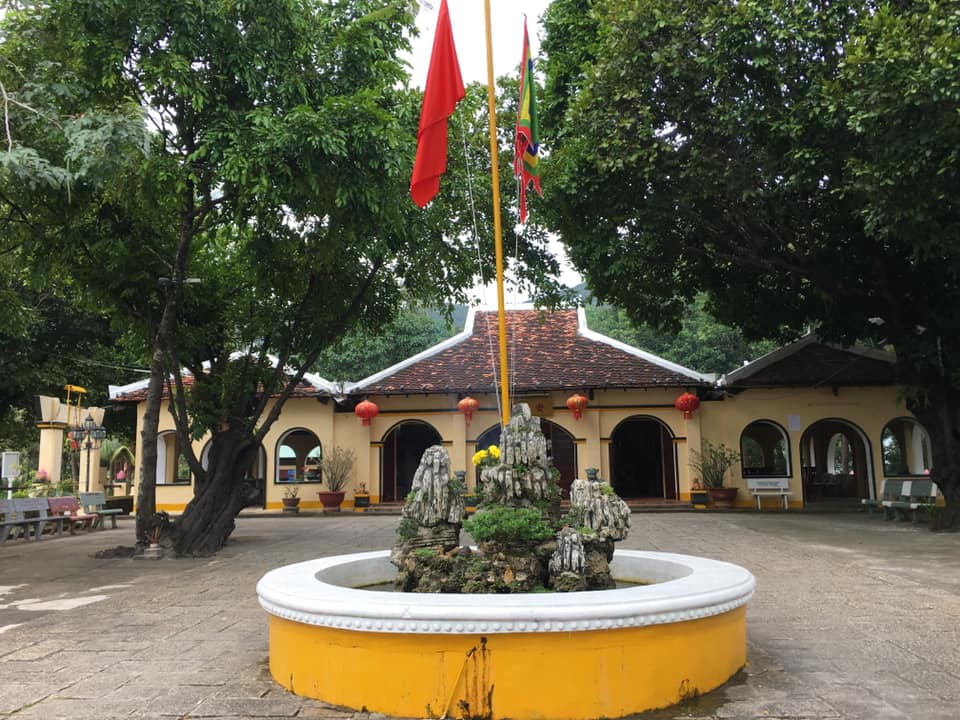
- Traditional cultural space: Historic Nam Dinh, particularly Van Cu and neighboring craft villages
- Present-day location: Van Cu Village, Nam Dong Commune, Ninh Binh Province
- Main components: Rice noodles, beef, broth, herbs, and a system of seasonings
- Characteristics: Rice noodles made from plain rice, clear broth, naturally sweet flavors from bones, and the distinctive aroma of spices
- Values: Historical, cultural, folk knowledge, culinary, and community livelihood values
- Recognition: National List of Intangible Cultural Heritage, 2024
From Van Cu Village to the Streets of Thanh Nam
According to the heritage dossier, the community of Van Cu, together with neighboring villages such as Giao Cu and Tay Lac, were among the pioneers who brought the Pho profession from the village into the streets.
Within the community’s professional memory, the names of early practitioners such as Pho Huyen, Pho Tac, and Co Huu Vang have continued to be remembered as pioneers of the trade.
They did not simply carry a dish to the urban marketplace. They also brought with them village traditions, meticulous craftsmanship, and the sense of trust associated with traditional artisans. These qualities contributed to the reputation of Nam Dinh Pho as it entered the urban environment.
At the beginning of the 20th century, Thanh Nam developed rapidly as an industrial and commercial center, particularly through its textile industry. Growing trade and population created favorable conditions for the Pho profession to expand.
From small street stalls, Pho gradually became part of urban life. Through continued practice and transmission, Pho makers gradually established the distinctive characteristics of Nam Dinh Pho.
Cultural Exchange and the Process of Localization
The formation of Pho is often understood within the broader context of cultural and culinary exchange in Vietnamese cities during the early 20th century.
Nam Dinh Pho reflects a process of cultural adaptation involving different influences, including Western traditions of consuming beef, Chinese cooking techniques associated with broth preparation, and the ingredients and seasonings of Vietnamese cuisine.
Through the hands of local artisans, these elements were adapted to suit local tastes and available ingredients.
One defining feature is the use of plain rice to make the Pho noodles. From a staple associated with Vietnam’s agricultural communities, artisans developed thin, soft rice sheets which were subsequently cut into strands.
The broth became the area in which the cook’s experience was most clearly expressed. Beef bones are simmered for an extended period at an appropriate temperature, while the cook continually controls the pot and removes impurities to maintain clarity and bring out the naturally sweet flavor of the broth.
The Broth and Family Recipes
The broth is regarded as one of the most important elements defining the character of Nam Dinh Pho.
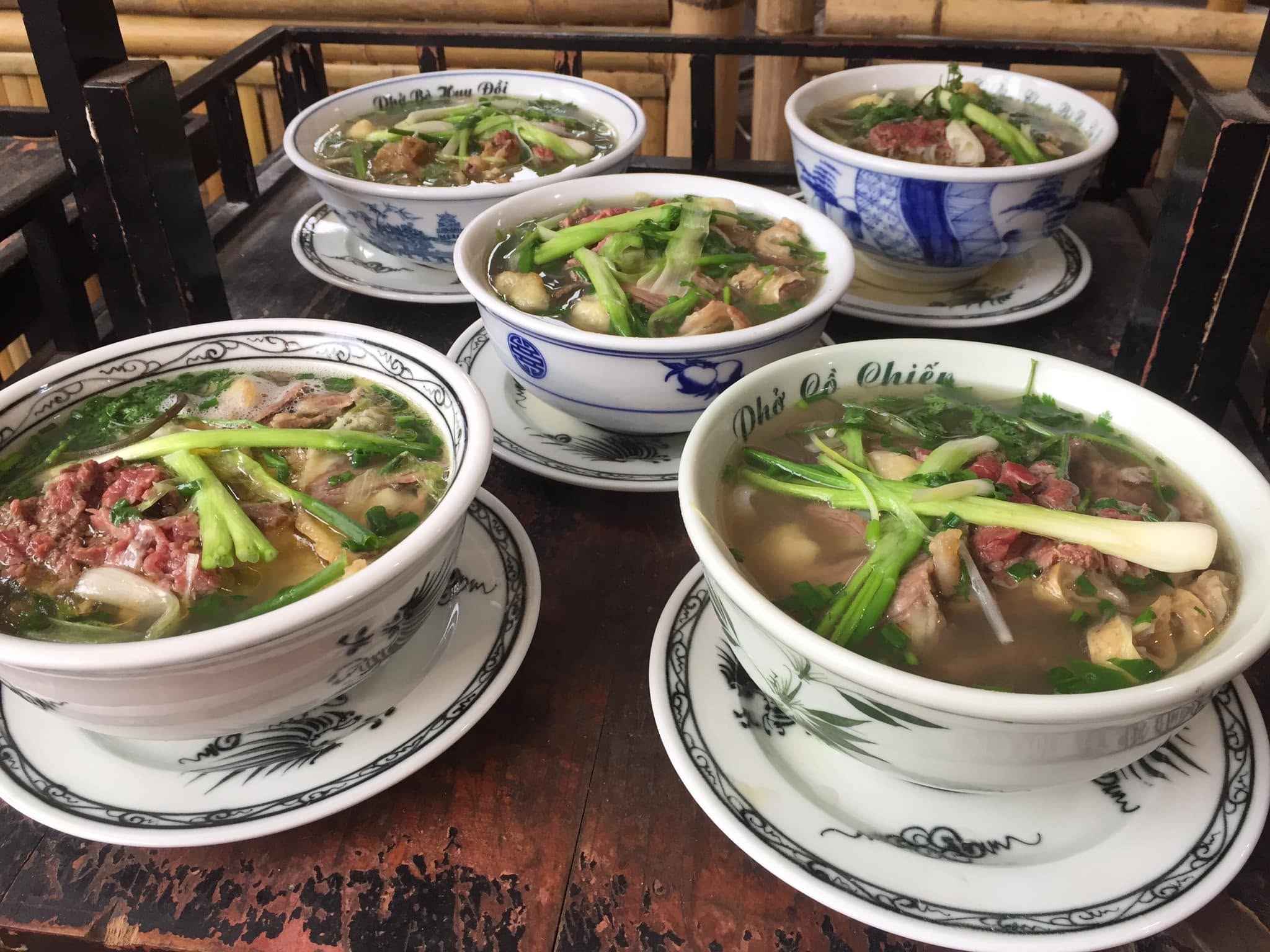
Alongside beef bones, Pho makers use aromatic ingredients such as cinnamon, star anise, black cardamom, ginger, and charred shallots. These ingredients are combined according to the experience and recipes of individual families.
Traditional knowledge preserved within the community identifies Tra My cinnamon, Lang Son star anise, black cardamom from the Northwestern highlands, local ginger, and shallots charred over charcoal as ingredients contributing to the characteristic aroma of the broth.
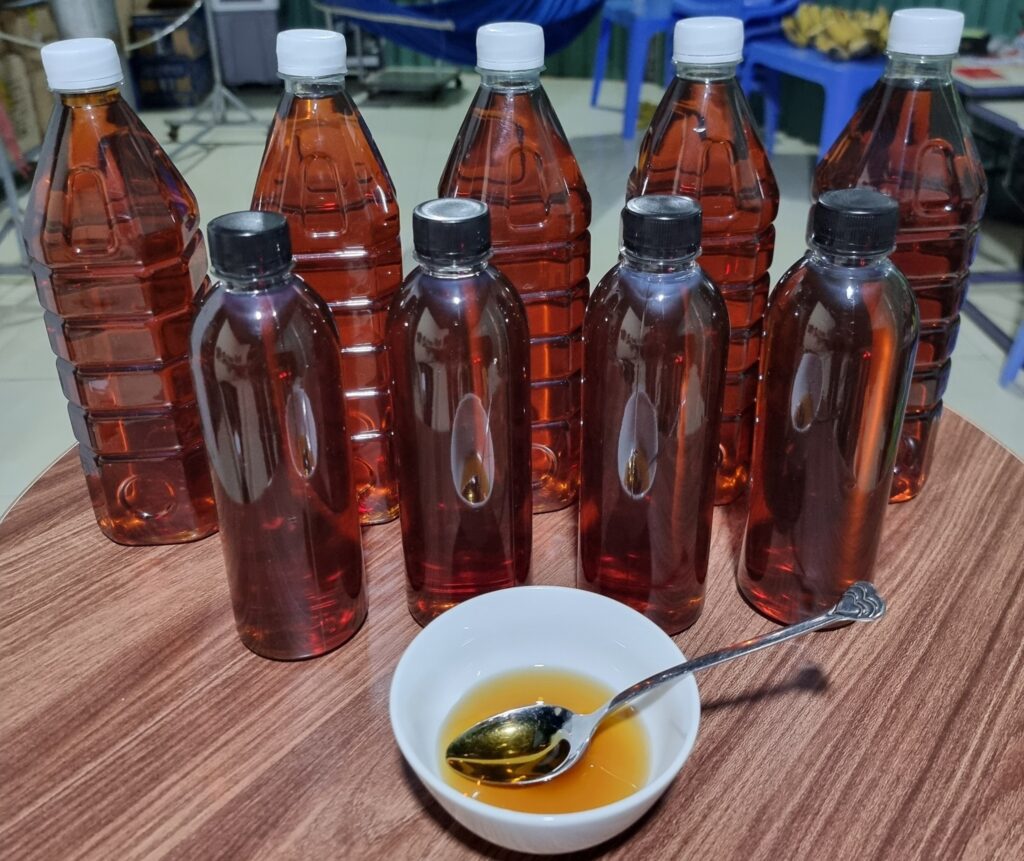
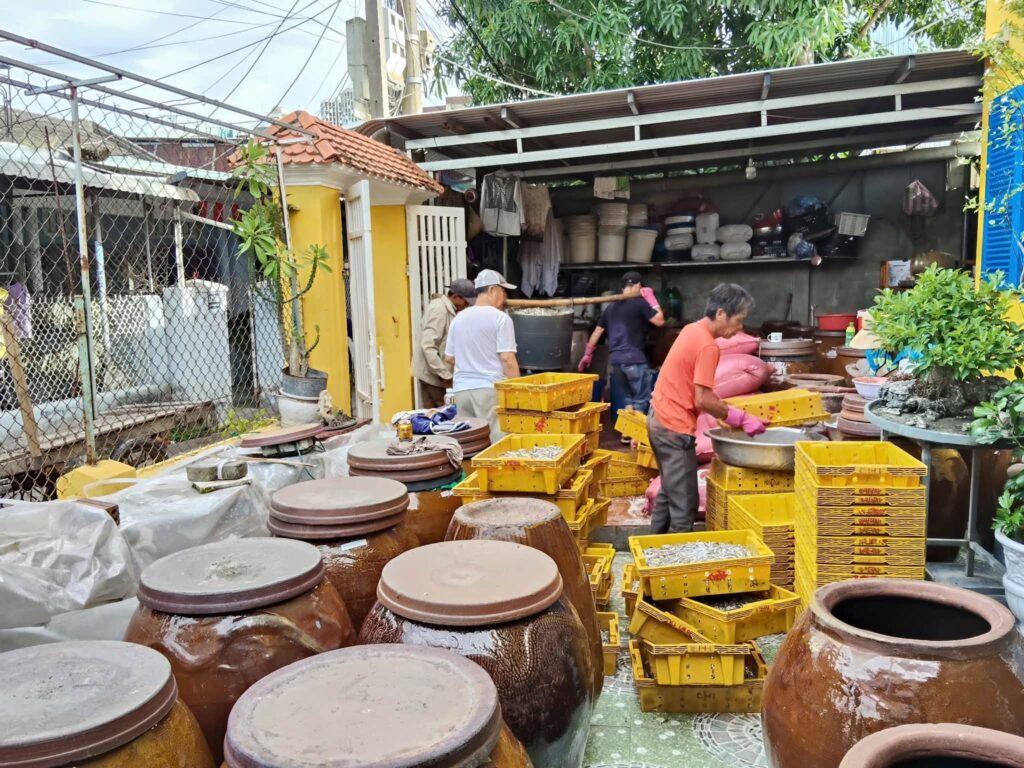
Another notable element is the use of traditional fish sauce to complete the flavor of the broth. It is added at an appropriate stage to provide depth and a subtle maritime character without overwhelming the natural sweetness of the bones or the fragrance of the herbs and spices.
Although the profession follows shared principles, each family has its own methods of adjusting ingredients and seasoning. This is characteristic of folk knowledge: a common foundation can coexist with many variations developed through the experience of individuals, families, and generations.
Nam Dinh Pho Through Historical Change
The Pho profession did not develop along a single uninterrupted path. During periods of difficulty, practitioners had to adapt to changing social conditions and shortages of ingredients.
During periods when regulations restricted the slaughter of buffalo and cattle, beef Pho became more difficult to obtain. Pho vendors adapted by developing other forms, including chicken Pho, with a lighter and clearer broth.
Another form was known as “Pho Khong Nguoi Lai”, or “driverless Pho,” which mainly consisted of rice noodles and broth. This form was associated with periods when food distribution operated under the ration-card system.
Another example of adaptation was pan-seared Pho. The rice noodles were seared on a cast-iron pan until slightly crisp and fragrant, while thinly sliced beef was quickly stir-fried with onion and garlic over high heat before being combined with hot broth.
These variations demonstrate that the Pho profession has never depended on a single rigid recipe. Instead, it has continuously adapted to changes in everyday life.
Craft Knowledge Passed Down Through Practice
Following the economic reforms of 1986, the Pho profession recovered and developed more strongly. Traditional skills continued to be maintained through individual preparation techniques and everyday practice.
These skills may include slicing beef extremely thinly, blanching rice noodles quickly and precisely, and pouring the broth evenly so that all the ingredients in the bowl reach a harmonious balance.
Many Nam Dinh Pho shops retain a simple and practical atmosphere. The cooking counter is often positioned at the front, allowing customers to watch the artisan prepare the noodles, blanch them, slice the beef, and ladle the broth.
The sight of fresh beef, stacks of white ceramic bowls, steaming pots of broth, and the aroma of spices forms part of the cultural experience of Pho.
For a traditional craft, these seemingly small actions are where knowledge is practiced and transmitted from one person to another.
Nam Dinh Pho and Community Livelihoods
Pho is not only a culinary symbol but also a source of livelihood connected to a wider network of occupations.
Behind a Pho shop are noodle makers, cooks, kitchen assistants, servers, suppliers of beef, spices, kitchen equipment, transportation, and many other supporting services.
According to information contained in the heritage documentation and related materials, in 2024 there were nearly 500 Pho shops throughout the province, while the number of people originating from historic Nam Dinh who carried the Pho profession to other localities was considerably larger.
In Van Cu, the Van Cu Pho Association was established in 2022, providing a space for people involved in the profession to connect. The association shares experience, supports the community, and contributes to safeguarding the core values of the Pho profession.
The community has also invested in modern equipment and production methods, including rice noodle-making machines and electric cooking pots, while improving business premises and paying greater attention to food safety and environmental protection.
According to the development orientation described in the heritage materials, the Van Cu Pho Association has developed a plan for the development of the craft village for 2025–2035, with a vision toward 2050. The plan includes training younger generations, improving quality, ensuring food safety, and building the identity and reputation of Van Cu Pho.
Community Activities and Cultural Promotion
The Pho community in Nam Dinh is involved not only in commercial activities but also in social and cultural initiatives.
Programs such as “Pho for Children in Highland Areas,” “Pho of Compassion,” and “Bringing Pho to Truong Sa” demonstrate how the dish can serve as a means of connection and community sharing.
Events such as Pho Day and Pho Festivals have also helped introduce the history of the profession, the people who practice it, and Nam Dinh’s culinary culture to audiences in Vietnam and abroad.
These activities expand the space in which the heritage exists, extending it beyond villages and Pho shops into cultural events, tourism, and international exchange.
Folk Knowledge of Nam Dinh Pho
The value of Nam Dinh Pho lies not only in the finished bowl but also in the body of knowledge accumulated and maintained by the community over time.
This includes knowledge of how to process bones to produce clear and naturally sweet broth; how to select and combine spices; techniques for making rice noodles; methods of slicing beef; the timing of maintaining heat and seasoning; and the ability to adjust recipes according to available ingredients and practical circumstances.
This knowledge is transmitted primarily through practical apprenticeship and the practice of the craft, from one generation to the next.
As a result, individual families may preserve their own particular secrets while sharing a common professional foundation.
From a cultural perspective, Nam Dinh Pho reflects processes of culinary exchange and localization while becoming an important marker of community identity and a familiar symbol of Vietnamese cuisine.
From an economic perspective, the Pho profession provides employment and livelihoods for many households while connecting them to a broader supply chain of ingredients and services.
Nam Dinh Pho Recognized as National Intangible Cultural Heritage
On August 9, 2024, the Minister of Culture, Sports and Tourism issued Decision No. 2326/QD-BVHTTDL, officially including Folk Knowledge of Nam Dinh Pho in Vietnam’s National List of Intangible Cultural Heritage.
The recognition does not simply acknowledge the value of Pho as a dish. More importantly, it recognizes the knowledge, skills, customs, and professional practices maintained by the community of Pho makers.
This distinction is important when referring to the “heritage of Nam Dinh Pho.” The recognized heritage is specifically Folk Knowledge of Nam Dinh Pho, classified under the heritage category of Folk Knowledge, rather than the dish itself as a standalone object.
Following its recognition, safeguarding and promoting the heritage involves a range of activities, including research into its origins, cultural promotion, support for artisans and knowledge holders, transmission to younger generations, development of spaces for experiencing Pho culture, and support for the community in building the identity and reputation of Nam Dinh Pho.
Nam Dinh Pho in the Flow of Vietnamese Culture
From Van Cu and neighboring craft villages, Pho traveled with its makers into urban centers and eventually spread across Vietnam and beyond.
This journey demonstrates that the vitality of a living heritage does not depend on keeping every element unchanged. Rather, it lies in the ability to transmit knowledge, adapt to changing circumstances, and remain actively practiced by the community.
A bowl of Nam Dinh Pho today therefore contains many layers of history: the story of rice, rice noodles, broth, spices, the early Pho makers, Van Cu Village, the urban life of Thanh Nam, and the communities who carried the profession far beyond its place of origin.
With its historical, cultural, culinary, folk knowledge, and community livelihood values, Nam Dinh Pho is a living heritage of Vietnamese culinary culture, continuing to be preserved, practiced, and passed on in contemporary life.