Duc Buu Village, now located in Huong An Ward, Hue City, is known for its traditional craft of making bánh bèo, bánh nậm, bánh lọc and other local cakes associated with Hue cuisine. According to the memories passed down by village elders, the craft appeared in the early 19th century and has survived for more than 150 years, becoming closely connected with the cultural and everyday life of the local community.
Through many historical changes, the traditional cake-making craft has continued to develop in Duc Buu. While similar crafts in some other localities have declined over time, the people of Duc Buu have continued to preserve their occupation as an important source of livelihood. The craft provides employment and income while allowing generations of villagers to preserve the skills, dedication and creativity associated with their traditional food.
The value of the craft lies not only in the finished cakes but also in the knowledge involved in selecting ingredients, preparing the dough and fillings, shaping the cakes and completing each product by hand. From choosing fresh shrimp and suitable cassava to preparing the flour, wrapping the cakes and steaming them, every stage requires experience and careful attention.
Traditional Cakes with the Flavors of Duc Buu
The main products of the craft village include bánh bèo, bánh nậm, wrapped bánh lọc, unwrapped bánh lọc, bánh ram, bánh ít and bánh cuốn. According to local descriptions, Duc Buu cakes are distinguished by their soft yet slightly chewy dough, while fillings made with pork fat provide a rich and crisp texture.
The selection of ingredients is considered important. Shrimp should be fresh and of moderate size, neither too large nor too small. The starch used for bánh lọc is made from cassava, with good-quality cassava selected and processed through repeated grinding and filtering to obtain suitable starch.
The final stage is shaping and wrapping the cakes. This is where the skillful hands of the artisan become particularly important, turning simple ingredients into carefully formed traditional cakes.
Bánh Nậm
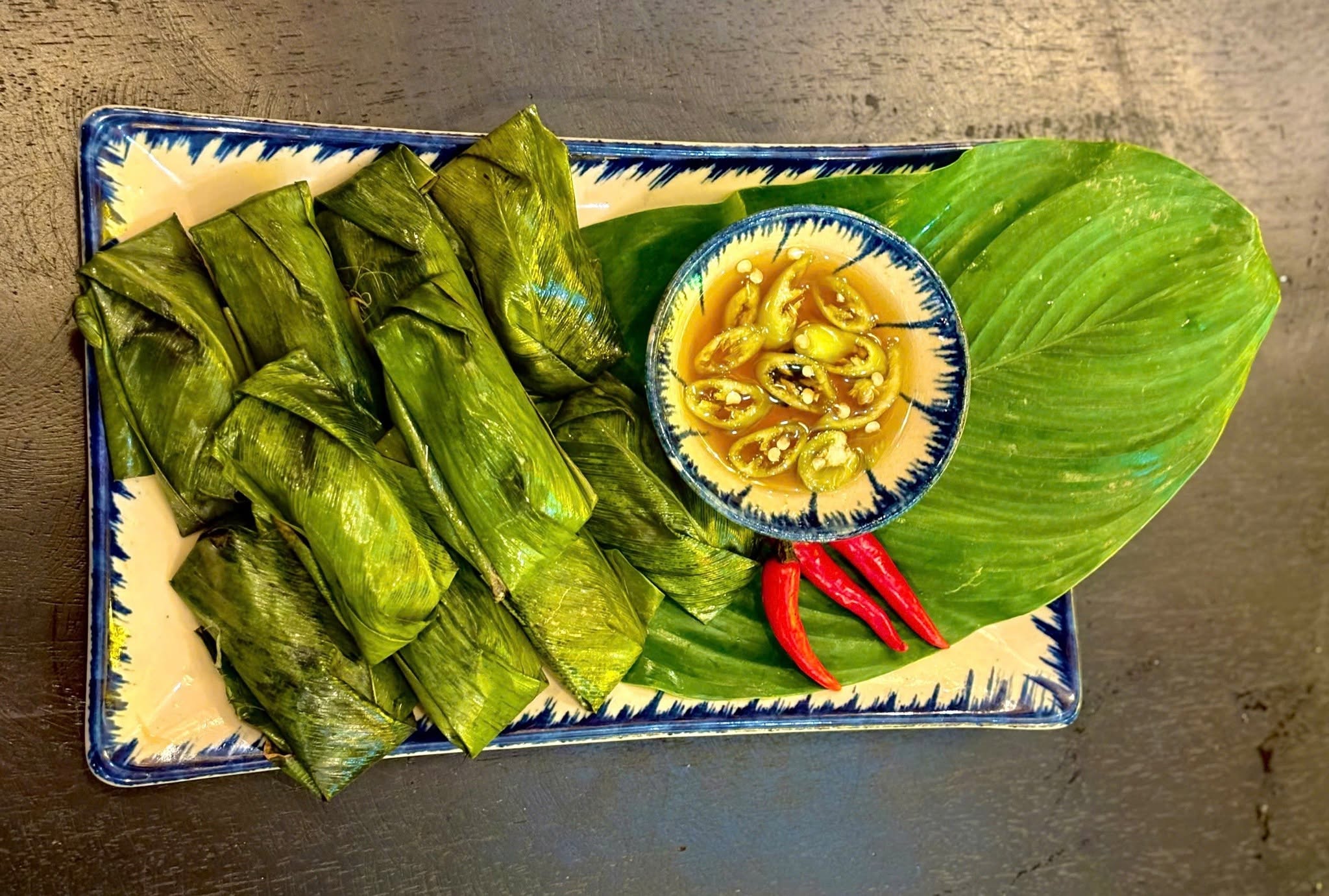
Bánh nậm is made from finely ground rice mixed with water and kneaded into a semi-liquid batter. The batter is spread into thin layers, topped with finely minced and stir-fried river shrimp, then placed on banana leaves, wrapped and steamed.
When served, each bánh nậm can be rolled into a single bite. Its thin, soft texture combines with the savory aroma of shrimp and the fragrance of banana leaves, creating a delicate dish strongly associated with Hue cuisine.
Bánh Bèo
Bánh bèo takes its name from its small, round shape, reminiscent of a water hyacinth leaf. Although the cake is widely found in many parts of Vietnam, bánh bèo made in Duc Buu is described as carrying a distinctive Hue character through its delicate appearance and carefully balanced flavors.
From the rice flour and dried shrimp topping to the seasonings and dipping sauce, each component contributes to the finished dish. Small and refined in appearance, bánh bèo reflects the understated character of traditional Hue cuisine.
Bánh Lọc
Duc Buu bánh lọc comes in two main forms: wrapped bánh lọc and unwrapped bánh lọc. The wrapped version is traditionally enclosed in banana or dong leaves, while the unwrapped version is prepared without the outer leaf wrapping.
The filling commonly consists of shrimp seasoned with spices, although lean pork or a combination of shrimp and pork may also be used. After the dough is shaped around the filling, the cakes can be wrapped in leaves and steamed, or boiled and quickly dipped in cold water.
Bánh lọc is commonly served with dipping sauce. The sweetness of the cooked shrimp and meat, the richness of pork fat, the aroma and heat of chili and garlic, and the soft, chewy texture of cassava starch come together to create a distinctive flavor.
A Handcrafted Tradition Shaped by Artisan Skill
One of the defining characteristics of Duc Buu’s cake-making tradition is its handcrafted nature. Artisans are involved in almost every stage of production, from selecting and preparing ingredients to making fillings, processing the dough, shaping, wrapping and finishing the cakes.
According to the source, 54 households in the village currently participate in cake production and sales, accounting for approximately 27% of the village’s 200 households. The craft provides relatively stable employment and income, with reported earnings of around VND 4 million to VND 4.5 million per month.
These figures illustrate that the craft is not merely a culinary tradition but also an important community livelihood. Within producing families, knowledge about ingredients, dough preparation, fillings and shaping is accumulated through practical experience and passed between generations.
From Everyday Food to a Specialty of the Former Imperial Capital
The cakes of Duc Buu originated from familiar ingredients such as cassava, rice and glutinous rice. Over time, local residents adapted and refined their preparation methods, creating products suited to the tastes and culinary traditions of Hue.
Today, Duc Buu bánh bèo, bánh nậm and bánh lọc are regarded as traditional foods associated with Huong An and Hue. Their value lies not only in their contribution to household income but also in the memories and emotions carried within each cake.
For local families, preserving the craft also means preserving a part of their homeland. Generations of artisans have continued making the cakes despite difficult weather conditions and changes in everyday life. Each cake therefore represents not only food, but also the labor, experience and affection of the people who make it.
A Traditional Craft Village of Huong An
Duc Buu Bánh Bèo, Bánh Nậm and Bánh Lọc Craft Village was recognized by the People’s Committee of Thua Thien Hue Province as a traditional craft village under Decision No. 55/QD-UBND dated January 11, 2021.
The recognition reflects the role of traditional cake making in the cultural and economic life of the Duc Buu community. From small cakes prepared for everyday meals, local artisans have preserved a traditional occupation that connects culinary culture, livelihoods and memories of village life.
Basic Information
| Item | Information |
|---|---|
| Craft village | Duc Buu Bánh Bèo, Bánh Nậm and Bánh Lọc Craft Village |
| Location | Huong An Ward, Hue City |
| Traditional craft | Making bánh bèo, bánh nậm, bánh lọc and other traditional cakes |
| Signature products | Bánh bèo, bánh nậm, wrapped bánh lọc, unwrapped bánh lọc, bánh ram, bánh ít, bánh cuốn |
| History | According to local memories, more than 150 years |
| Participating households | 54 households |
| Share of village households | Approximately 27% |
| Recognition | Traditional craft village |
| Decision | Decision No. 55/QD-UBND, January 11, 2021 |
| Recognizing authority | People’s Committee of Thua Thien Hue Province |
Cultural Value of the Duc Buu Cake-Making Craft
The Duc Buu craft of making bánh bèo, bánh nậm and bánh lọc is a traditional occupation closely connected with cuisine and community livelihoods. Its value comes from food-processing techniques, knowledge of ingredients, artisan skill and the transmission of practical knowledge within families.
More broadly, the craft helps preserve a distinctive element of Hue’s culinary culture. From familiar agricultural ingredients, the people of Duc Buu have created small but distinctive cakes that have become part of local memories and the culinary identity of the former imperial capital.