Located in the heart of Da Nang, Han Market is one of the city’s oldest and best-known traditional markets. It occupies a prime location between Tran Phu, Bach Dang, Hung Vuong and Nguyen Thai Hoc streets, just a short distance from Han River Bridge.
More than a shopping destination, Han Market preserves an important part of Da Nang’s urban history. Over generations, it has evolved from a significant trading center into a bustling marketplace where local residents and visitors can discover a wide variety of goods and specialties from Da Nang and Central Vietnam.
Han Market Through History
References to the area around Han Market can be traced back several centuries. The “Thien Nam Tu Lo Do Thu,” a route map compiled in the 17th century, records a journey from Hai Van Pass toward Quang Nam that included a stop at Han Quang Market, referring to the area associated with today’s Han Market.
However, the market began to develop more substantially in the late 19th century, when Da Nang became a French concession and was known as Tourane. The French built permanent market halls and kiosks to accommodate merchants and organize commercial activities.
During the French colonial period, trading around Han Market was divided into two main areas: Han Market and the surrounding Han Market district.
The streets around the market were lined with shops selling consumer goods and food products on a larger scale. Many of these businesses were operated by Chinese merchants, along with some Vietnamese traders. Most shops were single-story brick buildings, with merchandise displayed at the front and storage areas at the back.
The French also established a railway transfer station known as Tourane Marché, which helped transport goods from the market area to the main railway station along the Han River. Traces of the former railway station remained in the area until the early 1990s.
Thanks to its convenient connections by both road and water, Han Market developed into an important trading hub. Goods arrived from different areas by land and river, and even into the 1990s, some agricultural products were still transported by water and unloaded near the former railway station.
From the “Market of the Wealthy” to a Modern Marketplace
Older generations in Da Nang once referred to Han Market as the “market of the wealthy”, as many of its customers came from affluent families.
Over time, the market’s character changed considerably. Its range of products expanded, its customer base became more diverse, and it developed into an important wholesale and retail market serving both local residents and smaller markets in the surrounding area.
In 1989, Han Market was completely rebuilt as a spacious two-story market complex covering approximately 28,000 square meters.
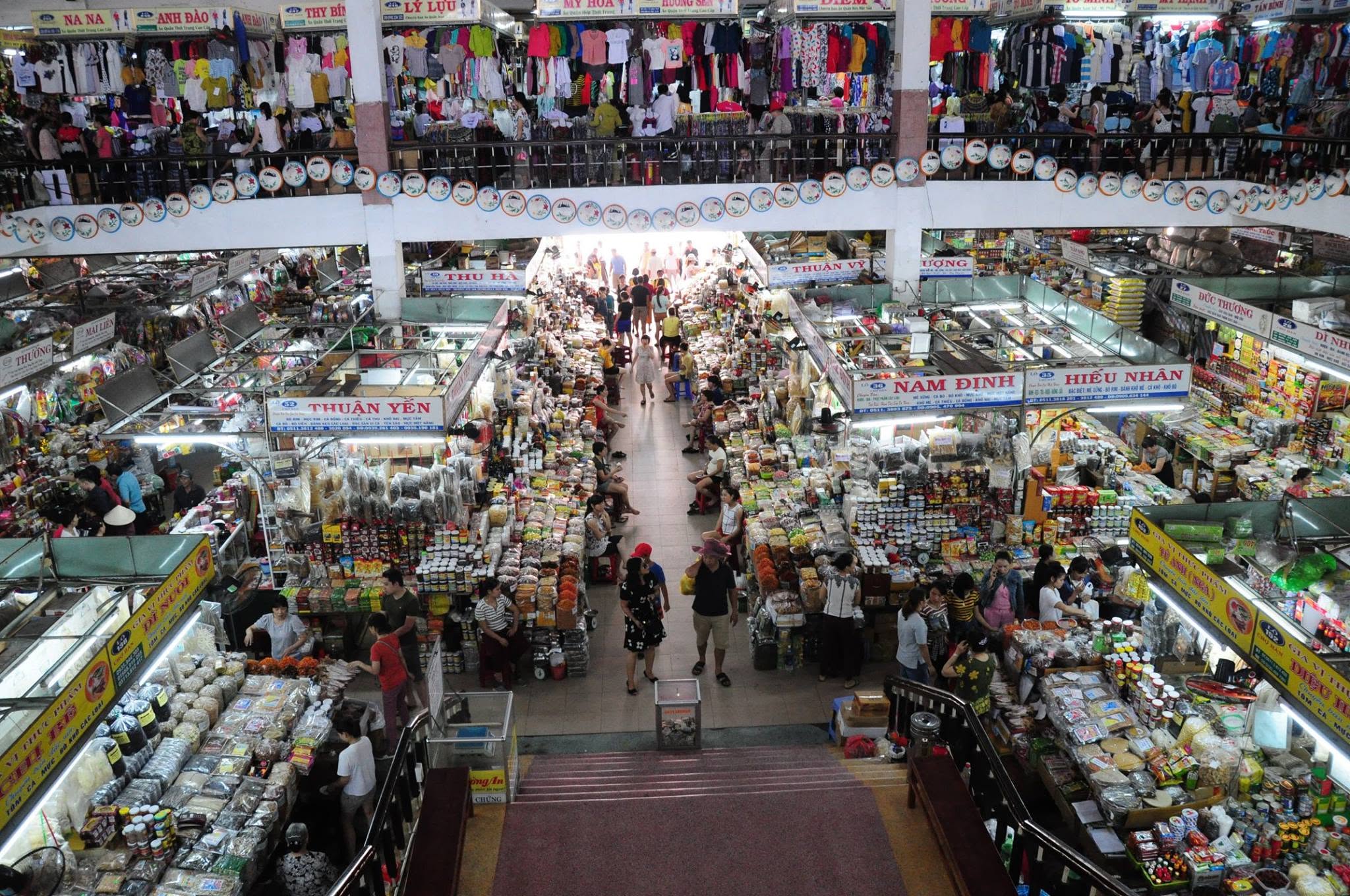
The new market was designed with an open layout, while stalls were organized according to different categories of goods. This arrangement made it easier for shoppers to navigate the market and find what they were looking for.
Today, the market has three main market halls and a series of kiosks, accommodating around 344 business households.
Han Market is active from early morning until late afternoon. Local residents come for their daily shopping, while tourists arrive throughout the day to explore the market, discover local products and purchase specialties to take home.
A Treasure Trove of Local Specialties
Han Market offers a wide variety of merchandise, including shoes, clothing, handbags, fabrics and souvenirs, as well as everyday consumer goods.
For travelers, however, the food sections are among the market’s biggest attractions.
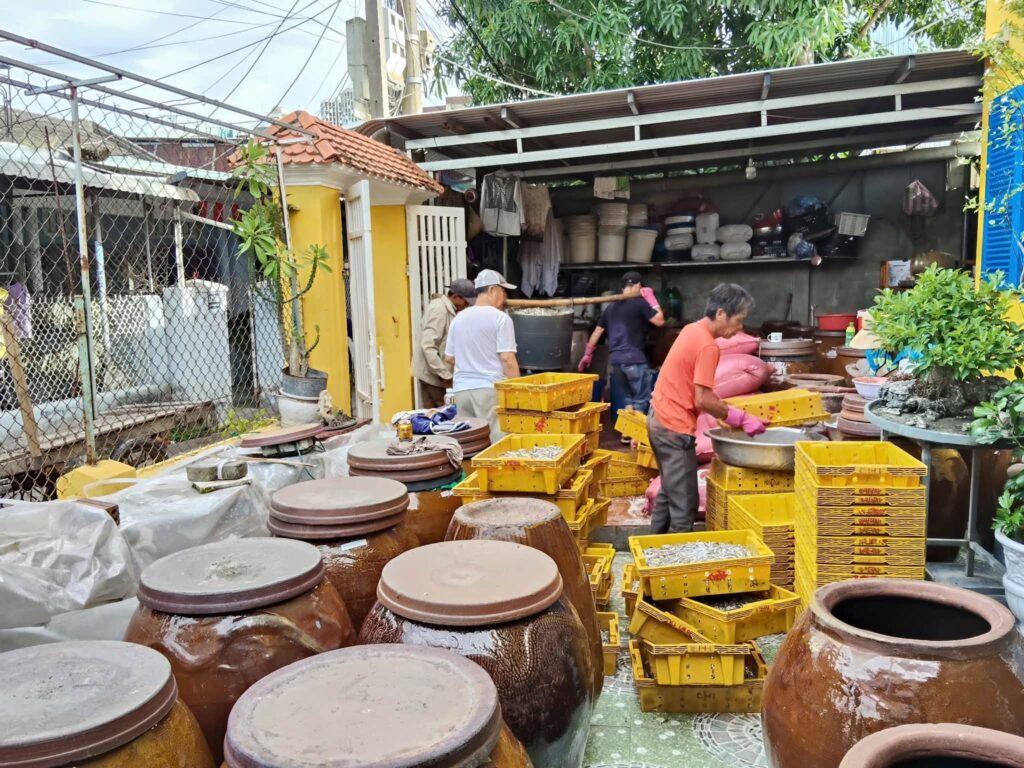
Visitors can find fresh seafood, fresh produce, tropical fruits, sauces, dried seafood and other specialty products associated with Da Nang and Central Vietnam.
These products are popular not only with tourists but also with local residents, giving the market the character of an authentic traditional marketplace rather than a space designed solely for visitors.
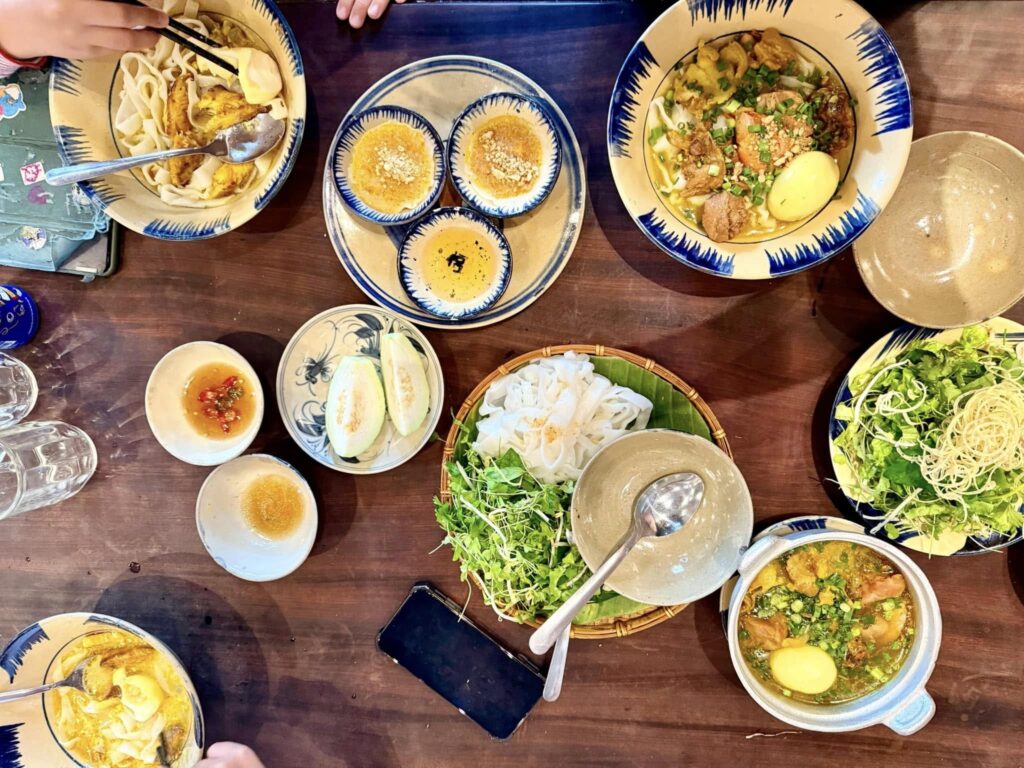
For travelers looking for edible souvenirs, Han Market offers an opportunity to discover flavors associated with the coastal city and the wider Central Vietnamese region.
A Market Shaped by Its Riverside Location
Han Market’s location has played an important role throughout its history.
Today, it stands in the center of Da Nang, close to Han River Bridge, with its four sides bordered by Tran Phu, Bach Dang, Hung Vuong and Nguyen Thai Hoc streets.
In the past, this location offered particularly convenient access to water transportation. The Han River served as an important trading route connecting the urban area with surrounding communities and production areas.
Although river transportation is no longer as important to the market as it once was, its location remains one of the reasons Han Market developed into one of Da Nang’s most significant commercial centers.
Han Market and the Everyday Rhythm of Da Nang
A traditional market is more than a collection of stalls and merchandise. It is also a place where people meet, exchange stories and experience the everyday rhythm of a city.
Han Market continues to preserve this character. Visitors can observe the interaction between vendors and customers, the arrangement of goods, the preparation and sale of local foods, and the constant flow of people through the market.
During the day, the market is lively and energetic. As evening approaches, the interior gradually becomes quieter. Some fruit stalls around the Tran Phu – Nguyen Thai Hoc intersection continue serving local residents and visitors returning from an evening stroll.
This contrast between the bustling daytime market and the quieter atmosphere after dark is part of Han Market’s distinctive character.
Visiting Han Market
Modern Da Nang now has shopping malls, supermarkets and contemporary retail centers, but traditional markets such as Han Market and Con Market continue to hold an important place in the city’s shopping culture.
Their appeal lies not only in the products they offer but also in the opportunity to interact with local people and experience an everyday side of Da Nang that is difficult to find in modern shopping centers.
Visitors can stroll through the different sections, explore Central Vietnamese specialties, purchase local gifts and observe the rhythm of daily life in one of the city’s oldest commercial areas.
With a history stretching across several periods of Da Nang’s development, Han Market is more than a shopping destination. It is part of the city’s urban memory.
From the land and water trade routes of the past to the lively marketplace of today, Han Market has witnessed the transformation of Da Nang while continuing to serve as a familiar gathering place for residents and visitors.