


Sinh Duoc Herbal Craft Village, located in Tay Hoa Lu Ward, Ninh Binh Province, is a traditional Vietnamese craft village known for its cultivation, processing, and use of medicinal and aromatic plants. Nestled among limestone hills near the famous Bai Dinh Pagoda Complex, the village is closely associated with local herbal knowledge, traditional remedies, and a growing range of plant-based personal care products.
For generations, local residents have relied on their understanding of native plants to prepare herbal ingredients for everyday use. Today, this knowledge continues to influence the production of handmade herbal soaps, foot-soaking salts, essential oils, botanical incense, and other household and personal care products.
The development of the Sinh Duoc Cooperative has helped connect traditional knowledge with organized production, product innovation, and local economic development.
In April 2022, the Ninh Binh Provincial People’s Committee officially recognized Sinh Duoc as a Provincial Traditional Craft Village, marking an important milestone in the preservation and development of its herbal traditions.
Origins of Sinh Duoc Village and the Legend of Nguyen Minh Khong
Sinh Duoc is situated in a landscape characteristic of Ninh Binh, where limestone mountains rise above valleys, cultivated fields, and long-established rural settlements.
Before administrative restructuring, the village was part of Gia Sinh Commune, Gia Vien District, Ninh Binh Province. Under the updated administrative arrangement, it belongs to Tay Hoa Lu Ward, Ninh Binh Province.
The name Sinh Duoc is commonly interpreted by local residents as a place where medicinal plants grow, reflecting the abundance of herbs traditionally found on the surrounding hillsides and in nearby valleys.
According to local folklore, during the Ly dynasty, the Buddhist monk and renowned traditional healer “Nguyen Minh Khong” category=”people” disambig=”Vietnamese Buddhist monk and traditional healer of the Ly dynasty” traveled through the region in search of medicinal plants to treat King Ly Than Tong.
The king was said to have suffered from a mysterious illness known in Vietnamese legend as hoa ho, or the transformation into a tiger.
The story recounts that Nguyen Minh Khong explored numerous limestone mountains before discovering a valley where many valuable medicinal plants grew naturally.
Recognizing the area’s favorable environmental conditions, he is believed to have studied its herbs and shared his knowledge of medicinal plants and traditional healing practices with local residents.
Over time, the name Sinh Duoc became associated with this story, symbolizing a landscape rich in medicinal plants and a community with a longstanding tradition of herbal knowledge.
The legend reflects the cultural importance of Nguyen Minh Khong in Vietnamese folk beliefs and the respect traditionally given to those who transmitted medical knowledge.
However, the accounts of his naming the village, establishing herbal gardens, and teaching local residents should be understood as elements of local tradition rather than fully verified historical events.
Over generations, the people of Sinh Duoc developed practical knowledge of identifying, harvesting, drying, preserving, and preparing different plants.
Initially, many herbs were gathered from the surrounding natural environment. As the demand for raw materials increased, residents gradually developed cultivated areas to provide a more reliable supply.
This knowledge was passed down within families and through everyday practice, becoming an important part of the village’s identity.
Sinh Duoc therefore represents more than a geographical name. It reflects a cultural relationship between local communities, medicinal plants, and the natural landscape of Ninh Binh.
Natural Environment and the Development of Sinh Duoc Cooperative
Sinh Duoc lies in a transitional landscape between lowland agricultural areas and limestone hills, close to Bai Dinh Pagoda and other major attractions in Ninh Binh.
The surrounding terrain includes rocky hills, valleys, and cultivated land. Its tropical climate, seasonal humidity, and varied habitats support a diversity of plant species.
Among the herbs used in the village’s products are lemongrass, peppermint, mugwort, perilla, soap pods, Vietnamese basil, honeysuckle, and other aromatic plants.
Each plant has its own characteristics, including fragrance, natural pigments, essential oil content, and traditional uses.
In earlier times, herbal processing was largely a household activity based on inherited knowledge.
Local residents used methods such as sun-drying, roasting, boiling, soaking, and distillation to prepare plant materials for everyday purposes.
According to local introductory materials, the Sinh Duoc Cooperative was established in 2014, representing a transition from small-scale household production toward a more coordinated model of cultivation, processing, and distribution.
The cooperative helped organize production activities and created opportunities for members to collaborate on raw material supply, product development, and branding.
Earlier local descriptions recorded 11 cooperative members, although this figure should not be assumed to represent its current membership.
An important aspect of Sinh Duoc’s development has been its emphasis on plant-based materials and agricultural practices intended to reduce unnecessary waste and make efficient use of local resources.
Instead of relying solely on traditional dried herbs, producers gradually introduced equipment for grinding botanical ingredients, distilling essential oils, blending formulations, and shaping finished products.
These processing methods allow herbs to be incorporated into a wider range of convenient products for modern consumers.
The cooperative has also been associated with efforts to make productive use of agricultural by-products.
For example, traditional soap-making techniques may use alkaline solutions derived from plant ash, while suitable herbal residues can be processed into organic compost under appropriate technical conditions.
Such approaches reflect an interest in reducing waste and improving resource efficiency.
However, descriptions such as organic, chemical-free, or environmentally friendly should be assessed according to the actual ingredients, manufacturing processes, and certifications of individual products.
The development of Sinh Duoc Cooperative illustrates how traditional knowledge can be combined with modern production methods to support local livelihoods and increase the value of locally cultivated herbs.
Traditional Herbal Products of Sinh Duoc Village
Using a variety of botanical ingredients, Sinh Duoc has developed products for personal hygiene, body care, household use, and the creation of natural fragrances.
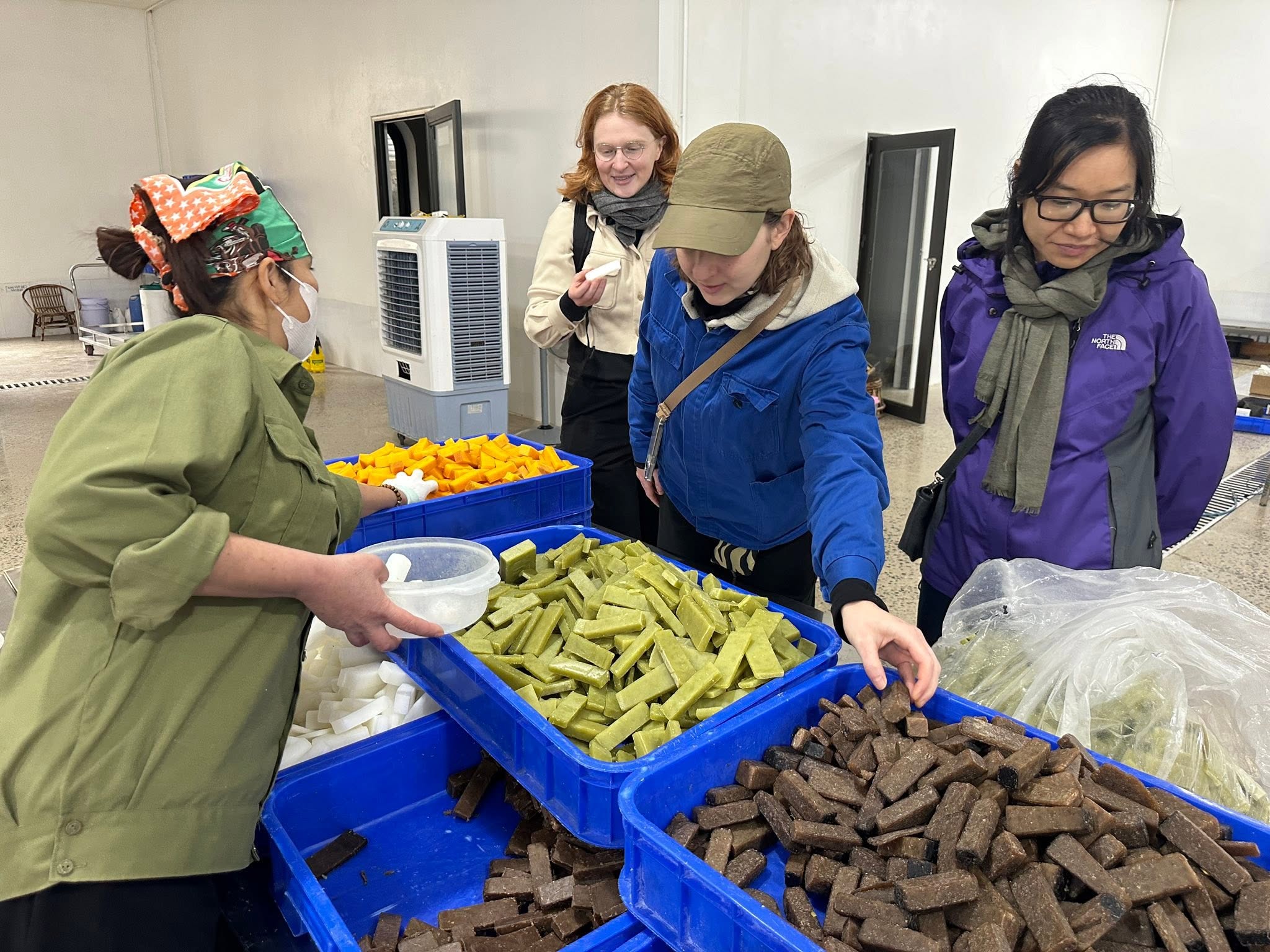
Among its best-known products are handmade herbal soaps.
Different varieties may incorporate ingredients or fragrances derived from lemongrass, peppermint, soap pods, bitter melon, bamboo charcoal, cinnamon, and tea tree.
Depending on the formulation, these soaps are made using vegetable oils, soap-making ingredients, and herbal extracts or powders.
The materials are blended, poured into molds, and finished to produce bars with distinctive colors, fragrances, and textures.
These handmade soaps have become closely associated with the village’s efforts to transform traditional herbal ingredients into practical consumer products.
Another notable product category is herbal foot-soaking salts, inspired by the longstanding practice of using warm water and aromatic plants for personal relaxation.
Ingredients may include different types of salt combined with mugwort, ginger, cinnamon, cardamom, and other fragrant herbs.
Soaking the feet in warm water may provide a relaxing experience, while botanical ingredients contribute distinctive aromas.
However, these products should not be considered medical treatments for joint disorders, circulation problems, or sleep conditions without appropriate clinical evidence.
Natural essential oils are another important group of products associated with herbal processing in Sinh Duoc.
Plants such as lemongrass, citronella, peppermint, Vietnamese basil, and cajeput may be used as raw materials for essential oil production.
Steam distillation is one method used to separate volatile aromatic compounds from plant materials.
The resulting essential oils can be used for suitable fragrance-related purposes, depending on the product’s formulation and instructions.
Essential oils should always be used carefully, particularly when applied to the skin or used around children, pregnant women, and pets.
The village also produces botanical incense, fragrant incense cones, and traditional aromatic products made from plant materials such as aromatic roots, cinnamon, and other herbs.
These products are connected with the Vietnamese tradition of using incense and fragrance in religious settings, household rituals, and everyday life.
Additional products may include dried herbal teas, botanical ingredients, soap pod hair-care preparations, bath salts, toothpaste, and laundry products.
This variety demonstrates the adaptability of traditional herbal knowledge to different household and personal care needs.
Some Sinh Duoc products have been introduced through the OCOP (One Commune One Product) Program, a Vietnamese initiative supporting distinctive local products.
However, OCOP star ratings and certification status should be checked for each individual product and its applicable recognition period.
The appeal of Sinh Duoc products extends beyond their botanical ingredients.
Each item also reflects a story of local knowledge, traditional practices, and efforts to adapt rural craftsmanship to contemporary consumer needs.
Through product development, familiar herbs from Ninh Binh’s limestone foothills have become part of a broader range of household and personal care products.
Preserving Sinh Duoc Craft Village through Cultural and Wellness Tourism
Located near Bai Dinh Pagoda and within the wider tourism area connecting to Trang An, Sinh Duoc has favorable conditions for developing cultural experiences, traditional craft tourism, and nature-oriented activities.
Unlike villages specializing in stone sculpture or woodworking, Sinh Duoc’s distinctive character lies in its relationship with medicinal plants, traditional knowledge, and everyday rural life.
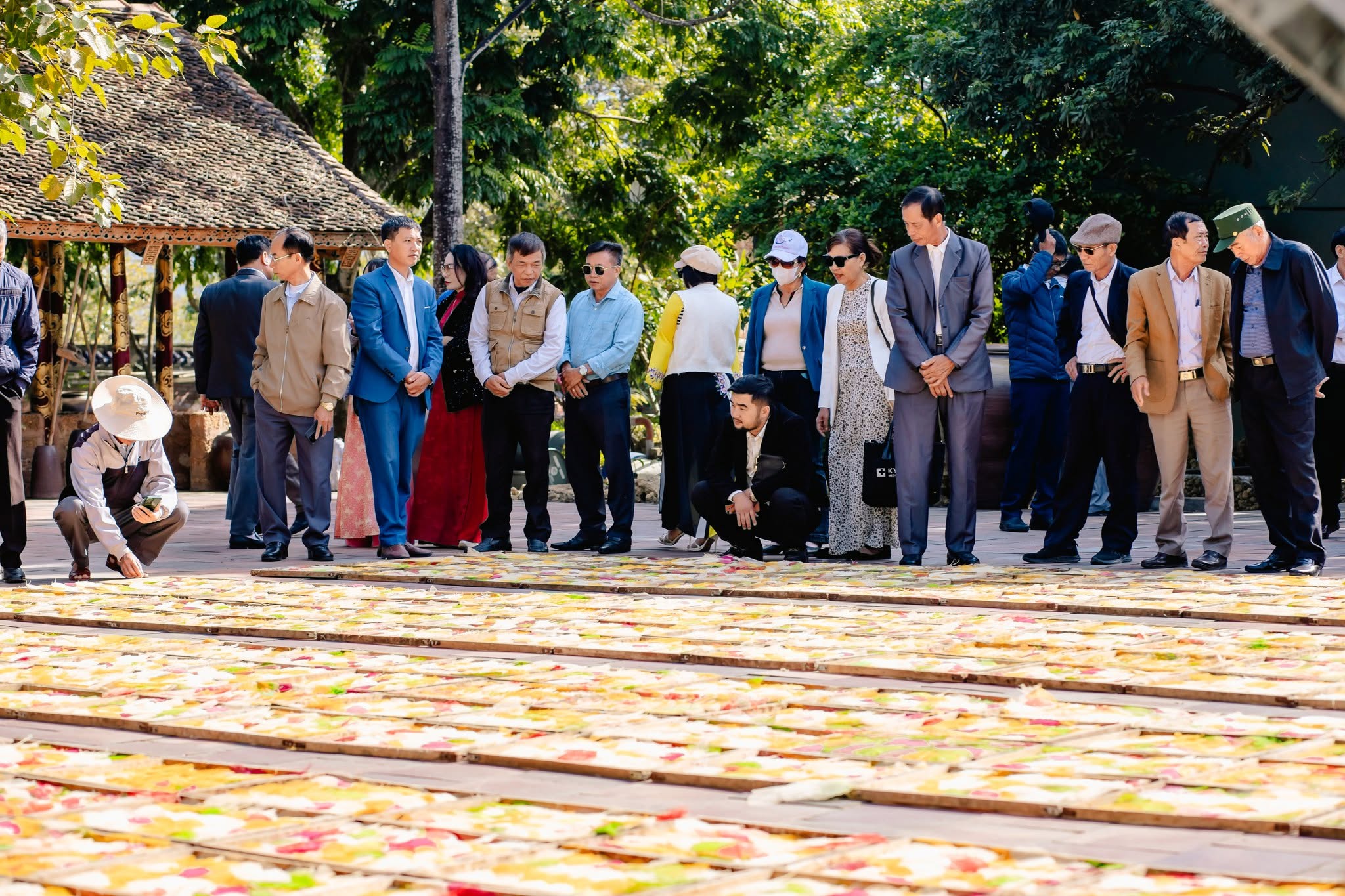
Visitors to the village area can learn about different herbs, cultivation methods, harvesting practices, and the stages involved in processing botanical materials.
At facilities that welcome visitors, guided tours of herbal gardens may offer opportunities to identify familiar plants such as lemongrass, peppermint, mugwort, perilla, and Vietnamese basil.
Learning about the appearance, fragrance, and traditional uses of these plants can provide an engaging introduction to local botanical knowledge.
One particularly appealing activity is the possibility of joining a handmade herbal soap workshop.
Where such programs are available, participants may learn about basic ingredients, natural colors, botanical fragrances, and selected stages of the soap-making process.
Hands-on activities should be supervised and designed around safe materials and methods, especially when children are involved.
Other potential experiences include herbal tea tasting, introductions to traditional plant-based preparations, and relaxing herbal foot-soaking activities.
These experiences fit within the broader concept of wellness tourism, which focuses on relaxation, well-being, and healthy lifestyle practices.
Wellness tourism in Sinh Duoc can be particularly meaningful when it emphasizes cultural learning, a connection with nature, and an understanding of traditional knowledge.
It should not, however, promote unverified claims that herbal products or treatments can cure diseases or detoxify the body.
For services such as herbal baths, steam treatments, eco-friendly accommodation, or specialized workshops, travelers should confirm actual availability with local providers before visiting.
Combining religious heritage, limestone scenery, and traditional craft experiences can provide visitors with a broader understanding of the cultural diversity of the Hoa Lu region.
An important milestone in the village’s development came in April 2022, when the Ninh Binh Provincial People’s Committee recognized Sinh Duoc as a provincial craft village.
This recognition acknowledged the role of traditional herbal production in preserving local knowledge, supporting economic activity, and maintaining the community’s cultural identity.
Looking ahead, the preservation of Sinh Duoc’s heritage will depend on protecting herbal resources, documenting valuable traditional techniques, improving product quality, and encouraging younger generations to participate in the craft.
Equally important are responsible sourcing, product safety, environmental protection, and transparent information about ingredients and manufacturing methods.
From aromatic plants growing among Ninh Binh’s limestone hills to handcrafted soaps, essential oils, and other botanical products, Sinh Duoc Herbal Craft Village reflects a longstanding relationship between people and nature. By preserving traditional herbal knowledge while developing new products and cultural experiences, the village continues to contribute to the distinctive heritage of the Hoa Lu region.
Quick Information
| Item | Details |
|---|---|
| Craft village | Sinh Duoc Herbal Craft Village |
| Vietnamese name | Làng nghề Sinh Dược |
| Alternative name | Sinh Duoc Traditional Herbal Village |
| Current location | Tay Hoa Lu Ward, Ninh Binh Province, Vietnam |
| Former administrative location | Sinh Duoc Hamlet, Gia Sinh Commune, Gia Vien District, Ninh Binh Province |
| Geographical setting | Limestone foothills near Bai Dinh Pagoda |
| Craft type | Traditional herbal processing and botanical handicrafts |
| Cultural origins | Associated with the legend of Buddhist monk and healer Nguyen Minh Khong |
| Cooperative | Sinh Duoc Cooperative |
| Cooperative establishment | 2014, according to local introductory materials |
| Recognition | Ninh Binh Provincial Craft Village |
| Recognition year | 2022 |
| Recognizing authority | Ninh Binh Provincial People’s Committee |
| Typical raw materials | Lemongrass, peppermint, mugwort, perilla, soap pods, Vietnamese basil, and other herbs |
| Signature products | Handmade herbal soaps, foot-soaking salts, essential oils, botanical incense, herbal teas, and personal care products |
| Cultural significance | Traditional herbal knowledge, local craftsmanship, and community heritage |
| Nearby attractions | Bai Dinh Pagoda, Trang An Scenic Landscape Complex |
| Tourism potential | Herbal garden visits, botanical workshops, craft experiences, and wellness tourism |







