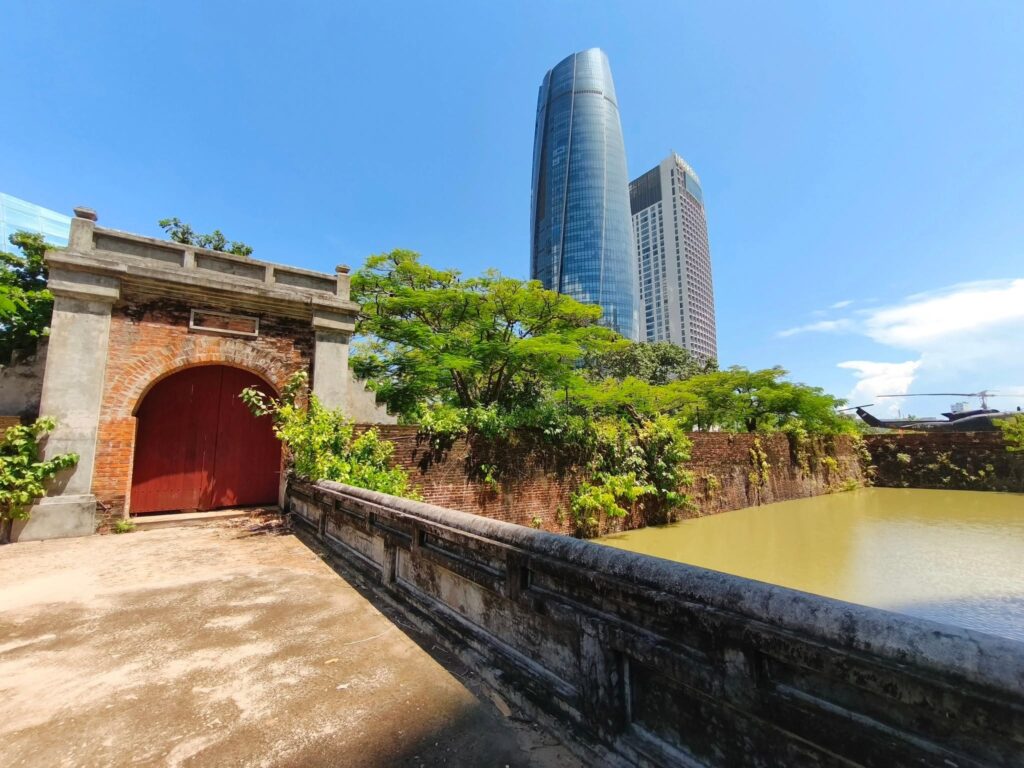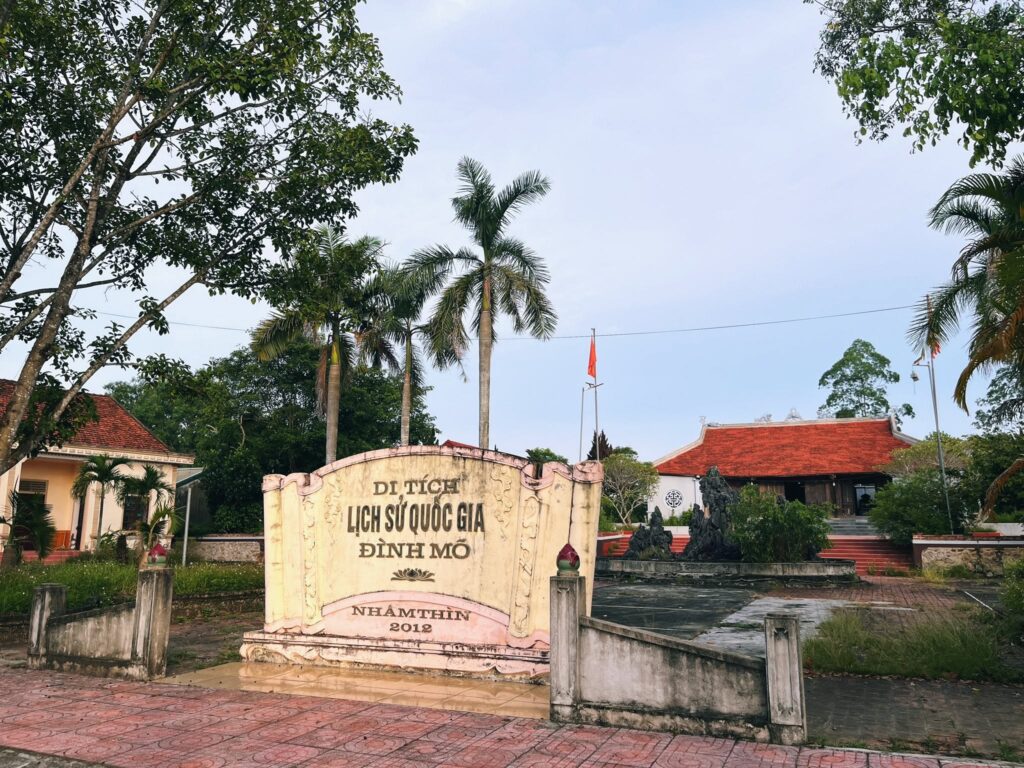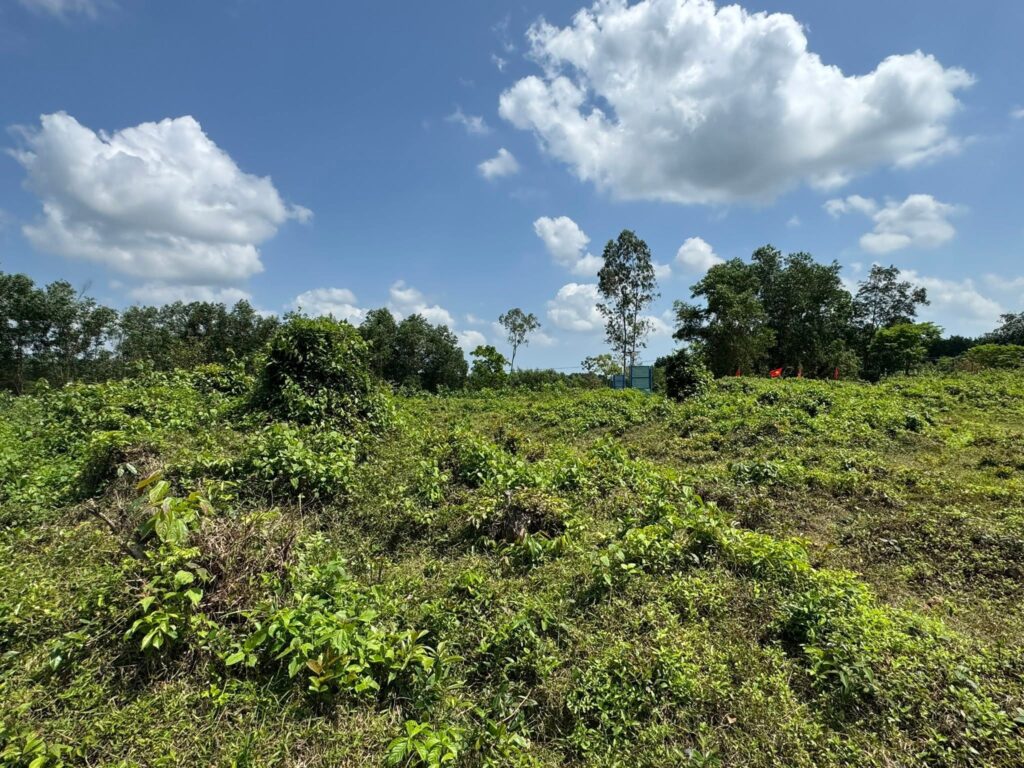
The Bồ Bồ Victory Site is located in Điện Bàn Bắc Ward, Đà Nẵng City. This historical site commemorates two important battles fought by the armed forces and people of Quảng Nam against French colonial forces on June 9, 1954, and July 19, 1954. The Bồ Bồ victories were significant milestones that helped change the military situation in the Quảng Nam–Đà Nẵng battlefield during the final stage of the resistance war against French colonial rule.
Historical Background
After years of waging war to reconquer Vietnam, the French colonial forces, with American support, implemented the Navarre Plan in an attempt to regain the initiative on the battlefield and turn their military setbacks into victory. In Military Region V, the French planned to launch Operation Atlante, gradually occupying liberated areas before concentrating their forces in Quảng Ngãi to destroy the resistance’s command centers and organizational bases.
In response, Vietnamese forces intensified military operations during the 1953–1954 Winter–Spring Campaign, coordinating with the main battlefield at Điện Biên Phủ and gradually undermining the French war strategy. In Quảng Nam–Đà Nẵng, resistance forces launched successive attacks, inflicting significant losses on the enemy and placing French troops increasingly on the defensive.
However, Bồ Bồ Hill, part of the Đất Sơn mountain area west of Điện Bàn, remained an important French stronghold within the outer defensive system protecting the army and air force base in Đà Nẵng. Occupied by French troops in 1949, the position was held by a company of African and European soldiers, an artillery platoon, and two 94 mm guns.
Recognizing the threat posed by this stronghold to the local resistance movement, the Quảng Nam Provincial Military Command decided to launch an attack. Commando Unit 11, supported by the firepower section of Company 22 and the province’s independent Company 64, was assigned the mission of eliminating the Bồ Bồ position.
The First Bồ Bồ Victory on June 9, 1954
The first battle began on the night of June 8, 1954, when Vietnamese troops secretly approached their targets and prepared to launch the assault.
At 12:30 a.m. on June 9, 1954, Vietnamese forces placed a 3-kilogram explosive charge at the entrance of the main bunker while other assault teams advanced simultaneously. Grenades and submachine-gun fire struck the defensive positions in rapid succession. Within approximately 15 minutes, soldier Phạm Mùi had raised the Vietnamese flag atop the main bunker.
Caught off guard, some French soldiers were killed at their positions, while others retreated into underground bunkers and continued resisting. They called for artillery support from Vĩnh Điện and Ái Nghĩa. Amid the intense fighting, team leader Kiều Sơ Đăng discovered an underground bunker entrance and used explosives to collapse it before entering the bunker. He eliminated the commanding officer and subdued the communications soldier, forcing the latter to transmit a false order directing French artillery fire toward the northwest. This enabled Vietnamese forces to continue clearing the position and capturing prisoners.
After approximately 30 minutes, the battle ended. Around 200 civilian porters were mobilized to transport the two captured 94 mm guns down the hill and conceal them in a sugarcane field at the foot of Bồ Bồ Mountain. The following night, the guns were safely transported to a resistance base.
The first Bồ Bồ victory demonstrated the courage, ingenuity, and tactical skill of the soldiers of Commando Unit 11 under the flexible leadership of commander Trần Hữu Tạo. It was also the first time that local provincial forces had captured two 94 mm guns from the French in a single battle on the Quảng Nam–Đà Nẵng battlefield. Following the victory, Commando Unit 11 and its commander, Trần Hữu Tạo, received commendations from the Command of Military Region V.
The Second Bồ Bồ Victory on July 19, 1954
Following their defeat in the first battle, French forces continued to maintain their presence at Bồ Bồ. On July 19, 1954, Vietnamese forces launched a second, larger-scale assault with the objective of completely eliminating the stronghold.
At 12:30 a.m., two signal shots from the command post marked the beginning of the attack. Vietnamese firepower struck the high ground, artillery positions, and vehicle parking areas simultaneously. Commando teams quickly cleared obstacles and opened routes for the assault units to advance.
As the artillery barrage ended, Vietnamese troops surged forward, penetrating deep into the French positions, surrounding enemy units, and dividing their formations. Within approximately 10 minutes, Đất Sơn Mountain was engulfed in gunfire and explosions. The French command post and communications center came under intense attack, throwing the enemy command system into confusion. Several French tanks caught fire.
The fighting was fierce around individual fortifications and beneath vehicles. During the battle, Lê Văn Bàng, commander of Battalion 20, led the reserve force into combat but was killed shortly after assigning tasks to his unit. In this critical situation, Phạm Bân, commander of Company 64, led the reserve troops in an assault on the enemy’s heavy machine-gun positions. They joined the forces already inside the stronghold to counter fierce resistance at the old Bồ Bồ outpost and the helicopter airfield.
The determination and bravery of the officers and soldiers inspired the entire unit to press forward. Many engaged surviving enemy troops in close combat. After approximately two hours of fierce fighting, Vietnamese forces gained complete control of Đất Sơn Mountain, securing a decisive victory.
According to the historical account presented at the site, Vietnamese forces killed more than 400 enemy soldiers and captured 293, most of them African and European troops. Among the prisoners was Colonel Ca-nilét-ti Phê-lít, identified as the commander of the French operation. The forces also captured 124 firearms, damaged more than 10 vehicles, and destroyed the enemy communications center and artillery positions.
The battle is recorded as the engagement in which Vietnamese forces captured the largest number of prisoners on the Quảng Nam–Đà Nẵng battlefield during the nine-year resistance war against French colonial rule. The second Bồ Bồ victory weakened the French defensive system and demonstrated the close coordination between local battlefields and the main front during a decisive period of the war.
The Bồ Bồ Victory Memorial Complex
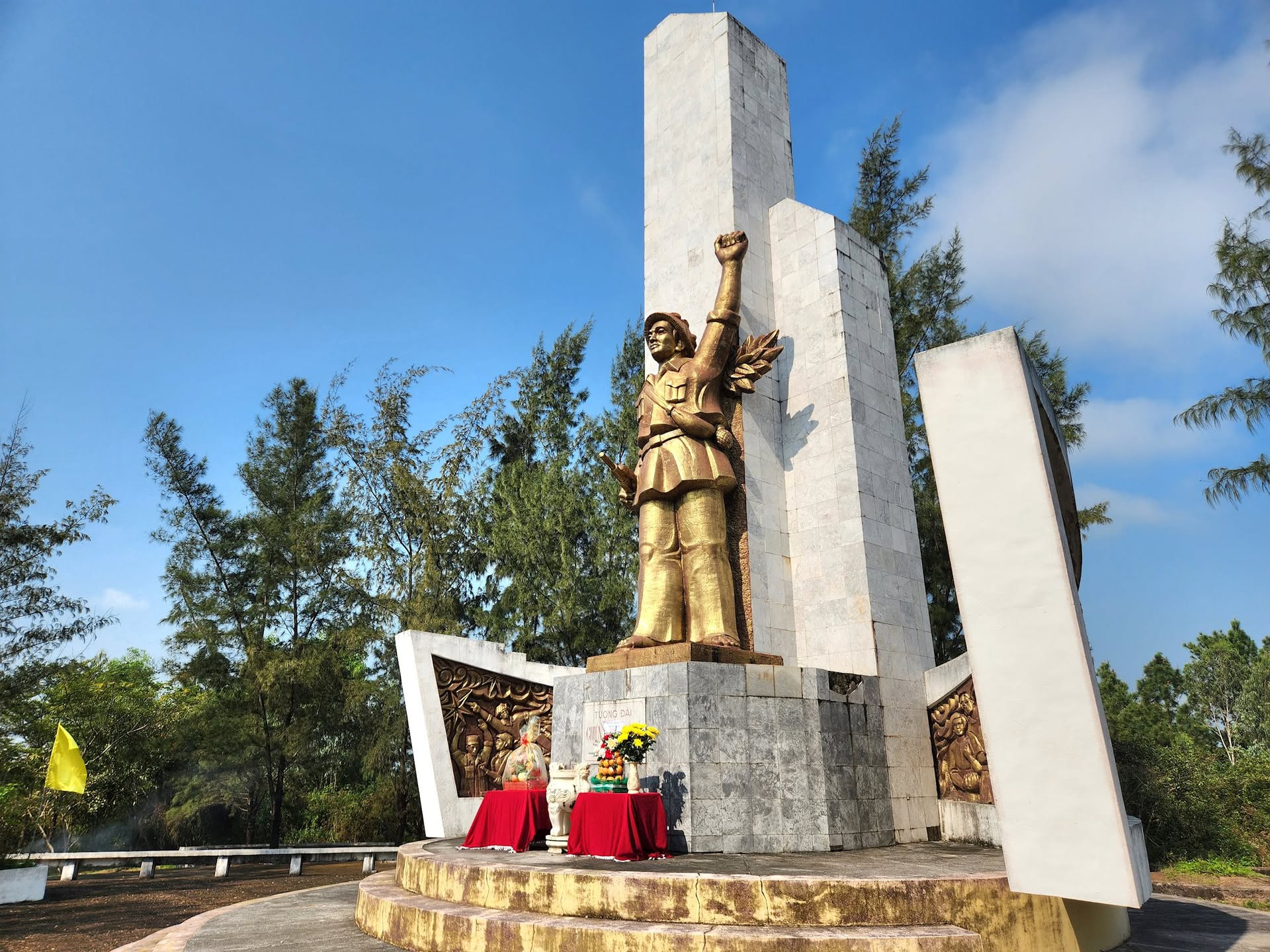
Today, at the site of the former Bồ Bồ stronghold, local authorities and residents have established a group of commemorative structures to preserve the memory of the victory and honor the soldiers who fought there.
The centerpiece is the Bồ Bồ Victory Monument, which commemorates the determination and fighting spirit of the local armed forces and people. Beside the monument stands a memorial pavilion, positioned to its right and slightly to the south.
Inside the pavilion is a stone stele inscribed in Vietnamese. Its front face lists the names of 75 martyrs who died in the battle for Bồ Bồ Hill on July 19, 1954, while the reverse displays a diagram of the battle. Between the monument and the memorial pavilion is another black granite stele summarizing the history of the battle that brought about the Bồ Bồ victory.
Together, these structures preserve the memory of a significant historical event and provide a place to commemorate those who sacrificed their lives. They also help educate younger generations about patriotism, revolutionary traditions, and the struggle for national independence.
Historical Significance of the Bồ Bồ Victory Site
The Bồ Bồ victories represent an important chapter in the history of the resistance movement in Quảng Nam–Đà Nẵng. Through the two battles in June and July 1954, Vietnamese forces demonstrated their ability to organize coordinated assaults, employ commando tactics, combine different forms of firepower, and mobilize multiple units effectively on the battlefield.
These victories contributed to the disruption of French efforts to consolidate their defensive system in the region. They also supported the wider resistance campaign in Military Region V during the final stage of the war against French colonial rule.
In recognition of its historical significance, the Bồ Bồ Victory Site was designated a National Historical Relic by the Minister of Culture, Sports and Tourism under Decision No. 609/QĐ-BVHTTDL, dated March 12, 2024.
Today, the site is a meaningful destination for visitors interested in the history of the resistance war in Đà Nẵng. It offers an opportunity to learn about the courage, sacrifice, and contributions of local forces and communities in the struggle to defend Vietnam’s independence.
Quick Information
| Item | Information |
|---|---|
| Name | Bồ Bồ Victory Site |
| Location | Điện Bàn Bắc Ward, Đà Nẵng City, Vietnam |
| Key historical events | The battles of June 9, 1954, and July 19, 1954 |
| Memorial structures | Bồ Bồ Victory Monument, memorial pavilion, and historical stele |
| Historical significance | Commemorates an important victory by the armed forces and people of Quảng Nam during the resistance war against French colonial rule |
| Heritage designation | National Historical Relic |
| Recognition decision | Decision No. 609/QĐ-BVHTTDL, dated March 12, 2024 |