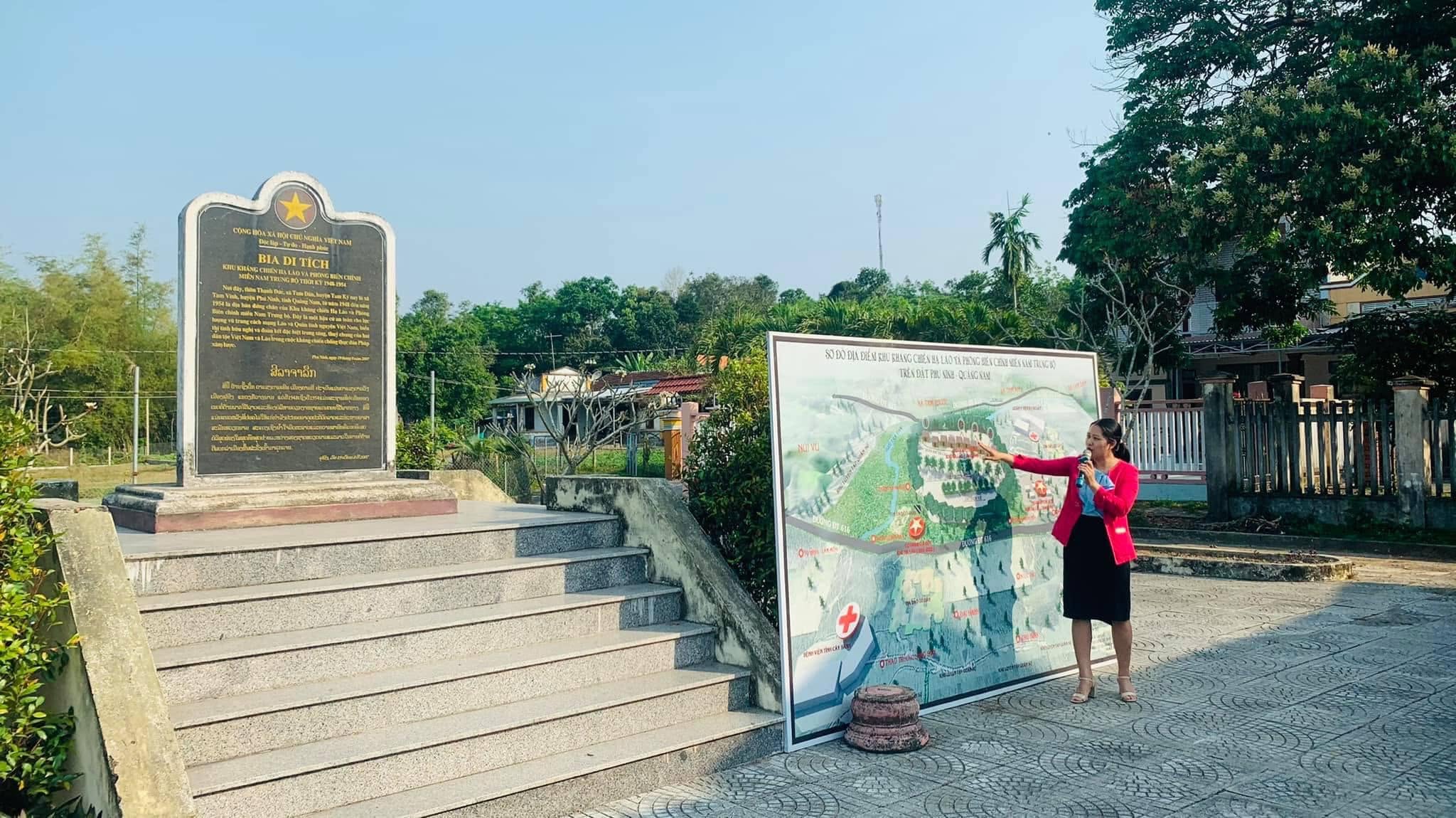
The Lower Laos Resistance Zone and the South Central Border Affairs Office is a historical site associated with the Vietnamese resistance against French colonial rule between 1948 and 1954. During this period, the Thạnh Đức area in Tam Dân, Quảng Nam Province, served as a base of operations and a secure rear area supporting Lao resistance forces and Vietnamese volunteer troops on the Lower Laos battlefield.
Beyond its military and logistical significance, the site bears witness to the special friendship, solidarity, and steadfast mutual support between the Vietnamese and Lao peoples during their struggle for national independence.
The Establishment of the Lower Laos Resistance Zone
During the resistance against French colonialism, coordination and mutual support between Vietnamese and Lao revolutionary forces played an important role in the broader struggle across Indochina. In response to the need to establish bases and organize resistance forces in Lower Laos, the two sides strengthened their cooperation and developed command structures and logistical support networks.
In February 1949, Prince Souphanouvong, acting on behalf of the Lao Government, appointed Khamtay Siphandone and Sithon Kôm-ma-đăm to lead a Lao platoon accompanied by a platoon of overseas Vietnamese. The delegation carried an official letter from the Lao Government to Vietnam to meet Phạm Văn Đồng.
The letter requested that the Vietnamese Government assist in establishing the Lower Laos Resistance Zone. Under the proposed arrangement, Sithon Kôm-ma-đăm would serve as Zone Commander, Xổm-ma-nô-viêng would become Chairman of the zone’s administration, and Khamtay Siphandone would represent the Lao Government.
In response to the request, and guided by the principle that helping a neighboring country also meant helping oneself, Phạm Văn Đồng and Nguyễn Thế Lâm, then Commander of Military Region V, decided to establish the Lower Laos Resistance Base. Vietnam also organized an advisory delegation to assist the Lao side.
Quảng Nam Province was assigned the responsibility of serving as the rear area, providing direct support to Vietnamese and Lao units operating on the Lower Laos battlefield. The province subsequently played an important role in supplying personnel, materials, and other essential resources for the resistance effort.
The Command Headquarters and Its Locations
Throughout its operation, the headquarters of the Lower Laos Resistance Zone relocated several times to maintain security, protect military secrets, and respond to changing battlefield conditions.
Initially, the headquarters was based in Thạnh Đức Hamlet, Tam Dân Commune, in an area identified in the source material as present-day Phú Thịnh Town, Phú Ninh District, Quảng Nam Province.
In 1950, to strengthen military secrecy, the headquarters moved to the area around Hamlet 5, Khánh Tân, and Khánh Thọ Tây in Tam Thái, where a principal command base was established.
Toward the end of 1950, the headquarters moved again to Đàn Trung Hamlet, in Dương Đàn, Tam Dân Commune. In the following years, it continued to relocate to other places in Quảng Nam, including Tiên Phong and Tiên Mỹ communes in Tiên Phước District, as well as the Hiệp Đức area, before eventually returning to operate in Lower Laos.
These successive relocations reflected the need to protect the command structure while demonstrating the flexibility required to organize and direct resistance activities across the two countries.
The South Central Border Affairs Office and Its Role in Connecting the Battlefield
Alongside the establishment of the Lower Laos Resistance Zone, Vietnam created a specialized agency to maintain communications between the resistance zone, the Party Committee of Military Region V, and Quảng Nam Province.
The agency was also responsible for addressing battlefield requirements, organizing supplies and transportation, and receiving Vietnamese and Lao cadres, soldiers, and wounded or sick personnel traveling between locations.
This agency was the South Central Border Affairs Office, which operated under the code name Agency 12. It was organized into two main sections: the Administrative and Organizational Office, and the Administration and Logistics Section.
When first established, the Border Affairs Office was based in Tân An, on the banks of the Tranh River in Trà My District. It subsequently moved to Tiên Phong Commune in Tiên Phước District.
To facilitate travel and coordination with Military Region V, the Lower Laos Resistance Zone, and Quảng Nam Province, the office was later transferred to Tam Dân Commune, in the Tam Kỳ area according to the source material.
Through its communication, coordination, and logistical functions, the South Central Border Affairs Office helped maintain links between leadership agencies, combat units, and the rear area. Its activities formed an important part of the support network serving the Lower Laos battlefield.
Quảng Nam: A Strong Rear Base for the Lower Laos Battlefield
From late 1949 into early 1950 and the subsequent years, Quảng Nam intensified its support for the Lower Laos battlefield. Hundreds of experienced district- and commune-level cadres were sent to assist with grassroots organization, mass mobilization, and the development of people’s warfare.
In addition, tens of thousands of labor-service deployments from Quảng Nam participated in transportation and supply operations, helping move food, materials, and essential goods to resistance forces.
Support extended beyond manpower and material resources. It also involved the sacrifices and losses endured by local cadres, soldiers, and civilians. Despite the hardships of war, Quảng Nam worked to fulfill its responsibilities as a rear base under the direction of the Central Committee of the Party, the Party Committee of Military Region V, and the South Central Resistance Administrative Committee.
These contributions helped strengthen the connection between Vietnam’s rear areas and the Lao battlefield, demonstrating international solidarity and the close bonds between the two peoples during their resistance against French colonial rule.
The Historical Site and Its Preservation
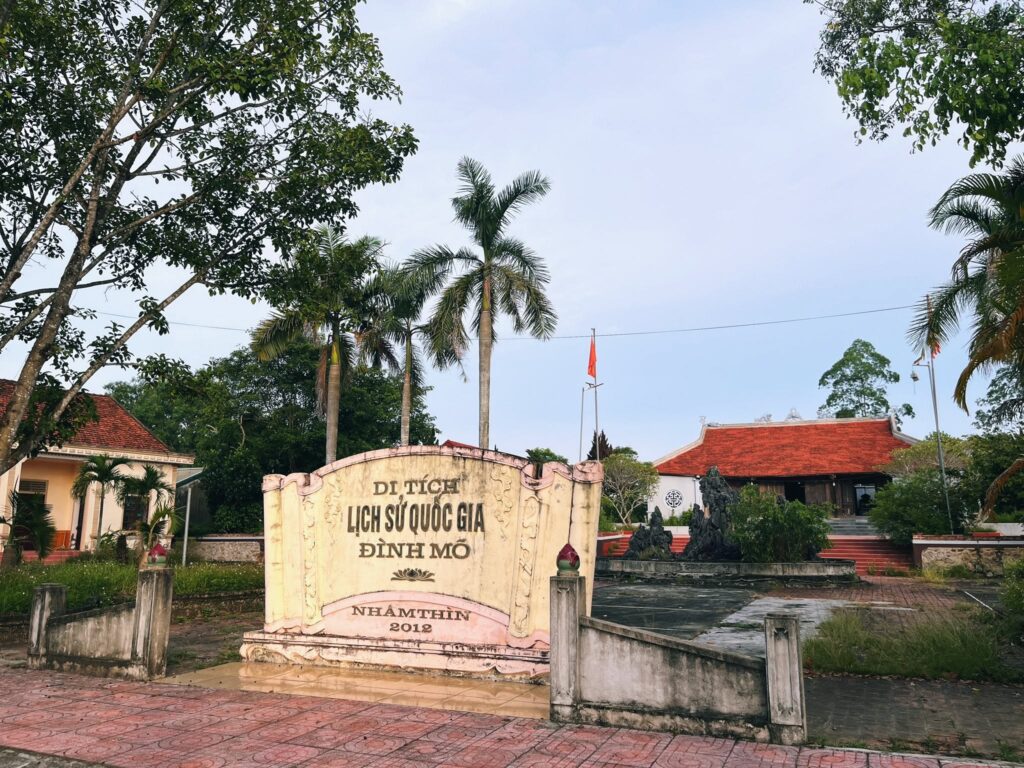
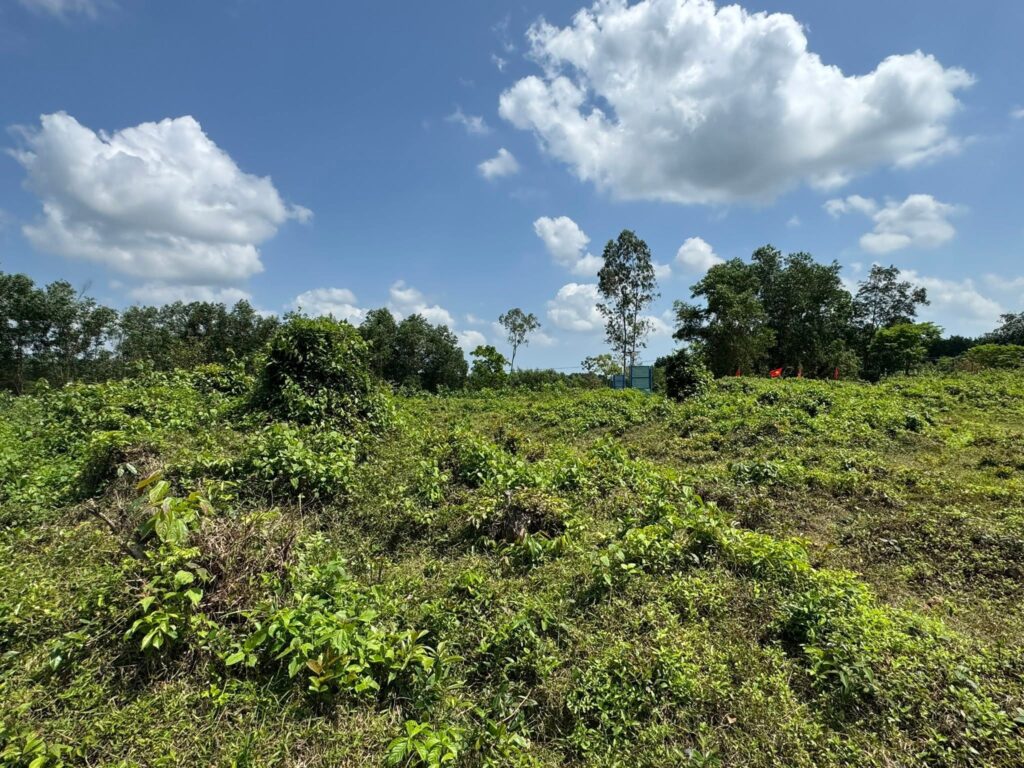
Today, the Lower Laos Resistance Zone and South Central Border Affairs Office Historical Site is associated with the areas of Thạnh Đức, Dương Đàn, and Khánh Tân, which were linked to the operations of resistance agencies during the war.
On August 2, 2011, the Ministry of Culture, Sports and Tourism issued a decision recognizing the Lower Laos Resistance Zone and the South Central Border Affairs Office as a national historical relic.
Following this recognition, the Ministry agreed to allow Quảng Nam Province to develop a project to restore, preserve, and promote the site’s historical value. The proposed works aimed to revive the historical landscape and recreate aspects of the living and working conditions of the resistance forces.
Key proposed components included:
- Restoring the former bamboo hedges surrounding the site and the surrounding rice-field landscape.
- Planting trees and restoring the original historical complex at Mr. Xã Thám’s house.
- Reconstructing a row of traditional Quảng Nam-style houses, including areas for printing newspapers and documents, technical work, and logistics.
- Recreating accommodation for senior Vietnamese and Lao officials and military advisers.
- Restoring the working house of the Lower Laos Zone Commander, incorporating an exhibition space for photographs and artifacts.
- Constructing a plaza and a monument commemorating Vietnam–Laos friendship.
The preservation and promotion of the site are intended not only to safeguard traces of an important historical period but also to help visitors understand the organization of the resistance, the role of logistics, and the cooperation between the revolutionary forces of the two countries.
Historical Value and Educational Significance
The Lower Laos Resistance Zone and South Central Border Affairs Office provides evidence of close coordination between Vietnam and Laos during their struggle against French colonialism. From establishing command structures and advisory teams to organizing transportation, supplies, and care for wounded or sick personnel, the activities associated with the base reflected a spirit of mutual assistance in difficult circumstances.
For Quảng Nam, the site commemorates the province’s contribution as a rear area that supplied personnel, materials, and operational support to the Lower Laos battlefield. For Vietnam–Laos relations, it represents a place associated with the traditions of solidarity, friendship, and cooperation forged during the war years.
Continued preservation, interpretation, and promotion of the site could help develop historical and cultural visits while making it an educational destination for younger generations in both Vietnam and Laos.
Quick Information
| Category | Details |
|---|---|
| Site name | Lower Laos Resistance Zone and South Central Border Affairs Office |
| Locations mentioned in the source | Thạnh Đức, Dương Đàn, and Khánh Tân, in the former Quảng Nam Province |
| Historical period | 1948–1954 |
| Key historical event | Establishment of the Lower Laos Resistance Zone in 1949 |
| Associated agencies | Lower Laos Resistance Zone, South Central Border Affairs Office, Agency 12 |
| Quảng Nam’s role | Rear base providing personnel, transportation, and supplies for the Lower Laos battlefield |
| Recognition date | August 2, 2011 |
| Heritage status | National historical relic |
| Principal significance | Resistance history and Vietnam–Laos solidarity and friendship |