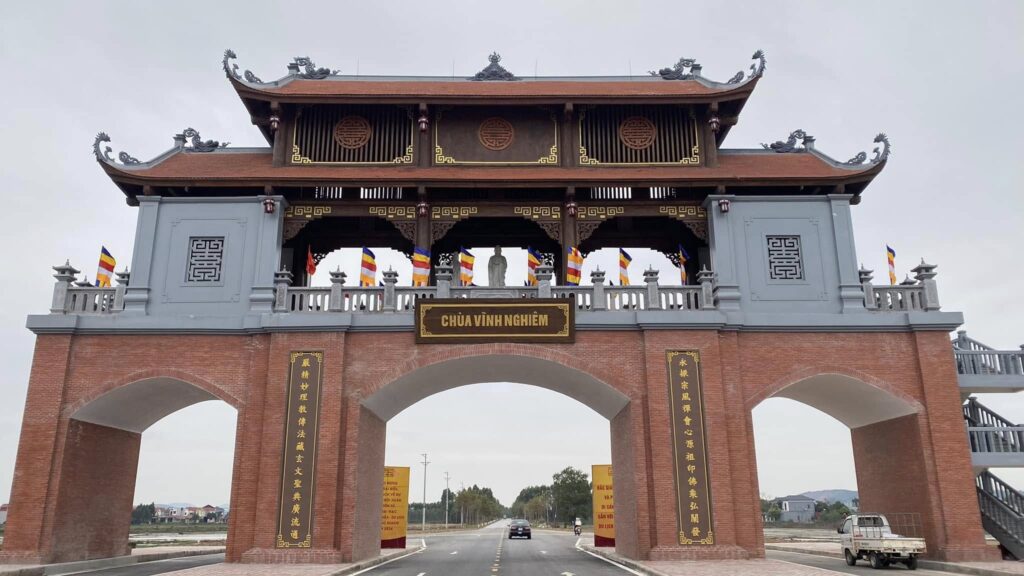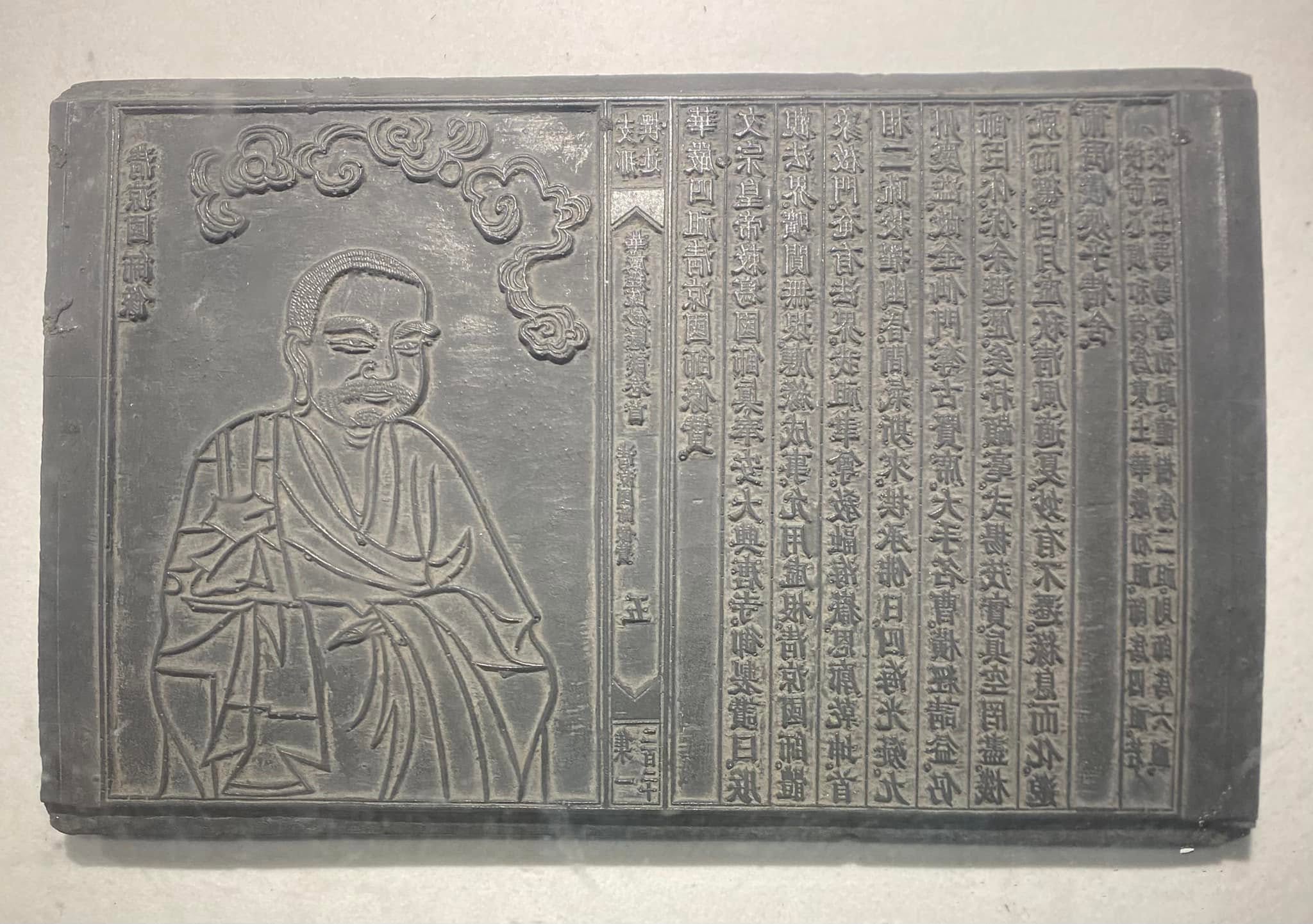
The Vinh Nghiem Pagoda Woodblocks constitute one of Vietnam’s most valuable collections of Buddhist documentary heritage, preserving thousands of wooden printing blocks engraved with classical Chinese and Nom characters. The collection reflects the historical development of the Truc Lam Zen Buddhist tradition, the transmission of Buddhist teachings, and the sophisticated art of traditional Vietnamese woodblock printing.
Preserved at Vinh Nghiem Pagoda, also known as Duc La Pagoda, in the former Yen Dung District of Bac Giang Province, the collection comprises 3,050 wooden printing blocks dating from the 17th to the early 20th century.
These woodblocks were used to print Buddhist scriptures, monastic regulations, religious commentaries, works by distinguished Zen masters, and other texts essential to Buddhist education and religious practice.
Beyond their religious significance, the woodblocks provide exceptional evidence of Vietnamese history, language, literature, calligraphy, and traditional printing technology. Particularly important is their extensive use of Nom script, which illustrates how Vietnamese Buddhist scholars employed a writing system developed to represent the Vietnamese language and communicate religious teachings to wider audiences.
On May 16, 2012, the Vinh Nghiem Pagoda Woodblocks were officially inscribed on the UNESCO Memory of the World Asia-Pacific Regional Register, marking a major milestone in the recognition and preservation of Vietnam’s Buddhist documentary heritage.
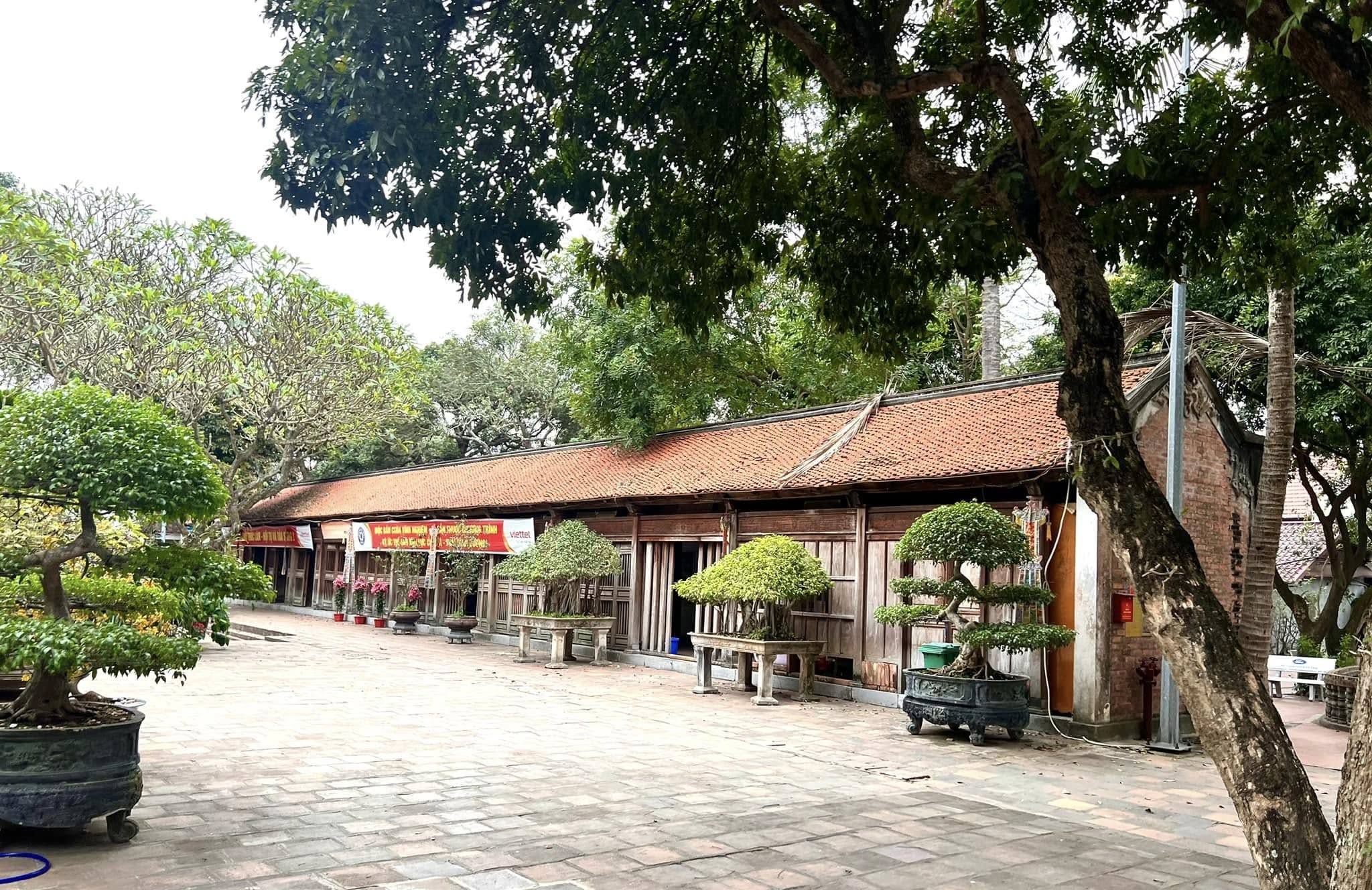
Vinh Nghiem Pagoda and Its Role in the Truc Lam Buddhist Tradition
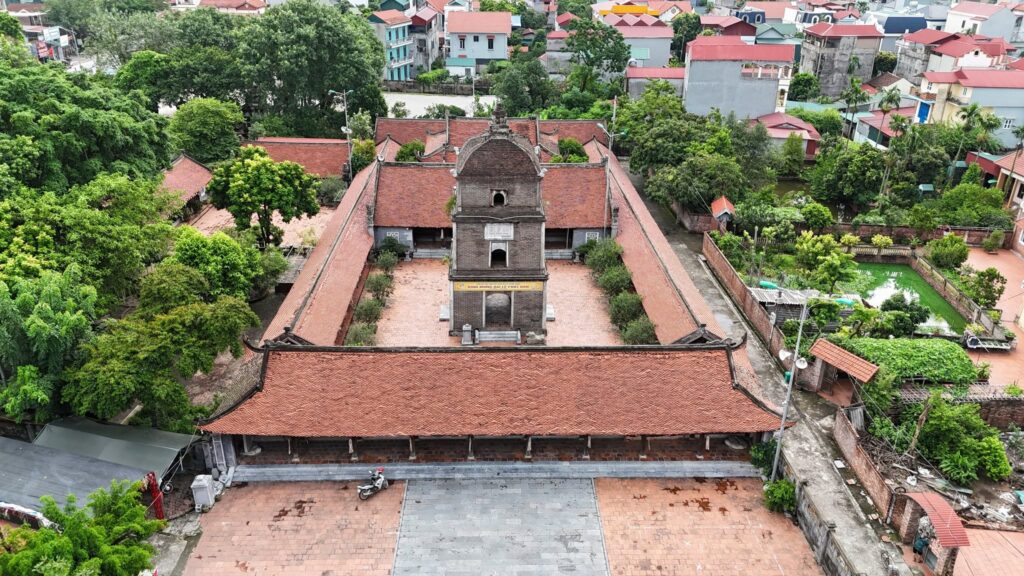
Vinh Nghiem Pagoda is located in Duc La Village, formerly part of Tri Yen Commune, Yen Dung District, Bac Giang Province. Following Vietnam’s administrative reorganization in 2025, the area became part of the newly established Bac Ninh Province.
The pagoda stands within the historic cultural landscape of northern Vietnam, near the confluence of the Luc Nam and Thuong rivers. Its location historically facilitated transportation, cultural exchange, and connections between Buddhist communities.
Also known as Duc La Pagoda, Vinh Nghiem has long been recognized as an important center of the Truc Lam Yen Tu Zen Buddhist tradition, a distinctive Vietnamese Buddhist school that emerged and flourished during the Tran Dynasty.
The Truc Lam tradition is closely associated with Emperor Tran Nhan Tong, who abdicated the throne and later entered monastic life, becoming a central figure in the development of a Vietnamese form of Zen Buddhism.
Together with his successors, Phap Loa and Huyen Quang, Tran Nhan Tong established a spiritual tradition that emphasized personal cultivation, engagement with everyday life, and the integration of Buddhist principles into Vietnamese society.
These three figures are collectively known as the Three Patriarchs of Truc Lam.
Within the network of Truc Lam Buddhist institutions, Vinh Nghiem Pagoda played an important role in monastic education, religious training, and the transmission of Buddhist teachings.
It became one of the principal centers associated with the Three Patriarchs, attracting generations of monks, nuns, and Buddhist followers who came to study scriptures, observe monastic discipline, and practice meditation.
Throughout its history, the pagoda maintained its religious importance despite periods of political and social change.
From the late 19th to the early 20th century, Vinh Nghiem developed into a significant center for the engraving, printing, and distribution of Buddhist texts.
To support religious education, chanting, and the dissemination of Buddhist teachings, successive abbots organized the production of printing blocks for scriptures, monastic regulations, and the writings of influential Buddhist masters.
The wooden blocks produced and preserved through these activities gradually formed the exceptional collection that survives today.
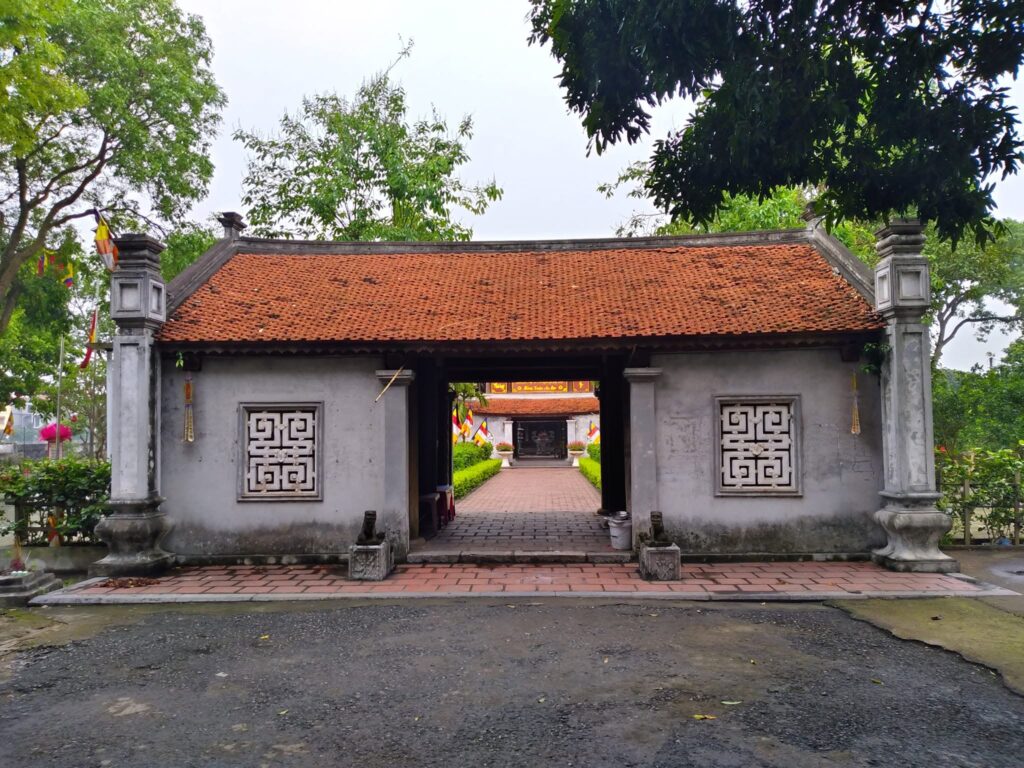
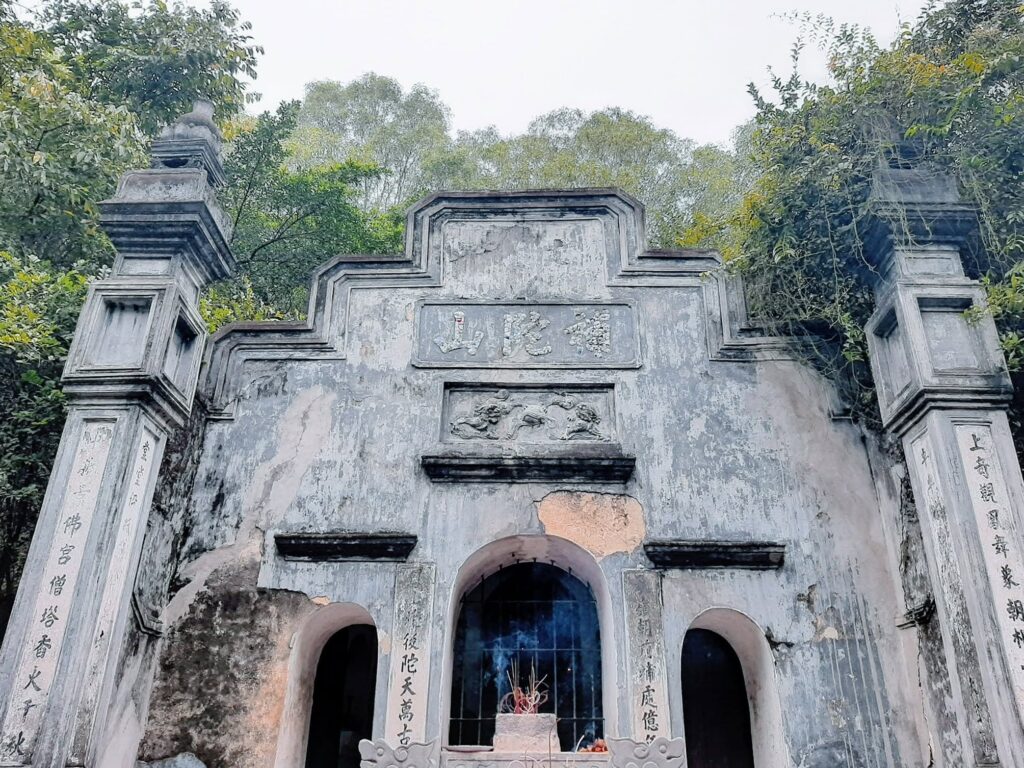
Vinh Nghiem Pagoda is therefore significant not only as a historic religious and architectural monument but also as a center of Buddhist scholarship, traditional publishing, and cultural preservation.
The Collection of 3,050 Woodblocks and Its Buddhist Texts
According to the heritage documentation, the Vinh Nghiem Pagoda collection contains 3,050 wooden printing blocks, produced in several phases between the 17th and early 20th centuries.
Most surviving blocks were engraved during the late 19th and early 20th centuries, particularly under the reigns of Emperor Tu Duc and Emperor Bao Dai of the Nguyen Dynasty.
Some descriptions identify approximately 34 titles associated with the collection, while other inventories organize the surviving blocks around nine principal groups of scriptures and related texts. These figures reflect different approaches to classifying individual works, collections, and printing blocks.
Most blocks are engraved on both sides, with each surface generally containing the text of two printed pages. Some blocks were engraved on only one side, depending on the publication format and intended use.
The inscriptions are primarily in classical Chinese and Vietnamese Nom script, with limited elements derived from Sanskrit Buddhist terminology and writing traditions.
The contents focus on Buddhist scriptures, monastic rules, ritual practices, doctrinal explanations, and works associated with the historical development of the Truc Lam Buddhist tradition.
Among the notable texts preserved in the collection are:
Ty Khau Ni Gioi Kinh, engraved in the 34th year of Emperor Tu Duc’s reign (1881), records monastic precepts associated with Buddhist nuns.
Gioi Luat Kinh, also dated 1881, contains religious regulations and ethical principles governing monastic conduct.
Dai Phuong Quang Phat Hoa Nghiem Kinh, engraved in the 37th year of Emperor Tu Duc’s reign (1884), is associated with the Avatamsaka Sutra, one of the major scriptures of Mahayana Buddhism. Its teachings explore the nature of reality, wisdom, enlightenment, and the interconnectedness of existence.
Kinh Tin Luc, dated to the 39th year of Emperor Tu Duc’s reign (1886), belongs to the broader body of texts supporting Buddhist religious practice and belief.
Yen Tu Nhat Trinh, engraved in the seventh year of Emperor Bao Dai’s reign (1932), provides material relevant to the traditions of Buddhist practice, pilgrimage, and religious life associated with Yen Tu.
Dai Thua Chi Quan, engraved in the tenth year of Emperor Bao Dai’s reign (1935), concerns meditation practices and philosophical concepts within Mahayana Buddhism.
Other important works include Sa Di Ni Gioi Kinh, Di Da Kinh (Amitabha Sutra), Quan The Am Kinh, and Tay Phuong My Nhan Truyen, together with ritual documents, ceremonial petitions, and traditional calendrical materials.
Some woodblocks were used to print documents for Buddhist ceremonies, religious festivals, and other practices associated with monastic and community life.
The collection is also connected with the literary and religious traditions of major figures in Vietnamese Buddhism, including Tran Nhan Tong, Phap Loa, Huyen Quang, and Zen Master Chan Nguyen.
Their teachings and associated writings help illuminate the establishment, development, and continuity of the Truc Lam tradition across successive historical periods.
An important characteristic of the collection is that many works were engraved centuries after their original composition.
Consequently, the date of a surviving woodblock does not necessarily correspond to the period in which the text was first written.
For example, Buddhist teachings originating during the Tran Dynasty could be copied, edited, and engraved again during the Le or Nguyen dynasties to meet the educational needs of later generations.
This demonstrates that the Vinh Nghiem woodblocks represent more than a collection from a single historical period. They preserve evidence of the continuous transmission, interpretation, and reproduction of Buddhist knowledge over several centuries.
The Significance of Truc Lam Buddhism and the Development of Nom Script
One of the most distinctive values of the Vinh Nghiem Pagoda Woodblocks lies in their contribution to understanding the intellectual history and religious teachings of the Truc Lam Zen Buddhist tradition.
Emerging in the 13th century, Truc Lam represented an important development in Vietnamese Buddhism, as Buddhist teachings were increasingly interpreted and expressed within the cultural environment of Dai Viet.
The tradition emphasized self-cultivation, personal awareness, the possibility of spiritual awakening in everyday life, and the relationship between religious practice and social responsibility.
These ideas are reflected in the philosophy of cu tran lac dao, commonly understood as finding spiritual fulfillment while living in the ordinary world.
Rather than viewing spiritual practice as entirely separate from daily existence, Truc Lam teachings encouraged individuals to cultivate wisdom, ethical conduct, and inner peace within their social circumstances.
The scriptures and related texts preserved at Vinh Nghiem help researchers understand how generations of Buddhist masters interpreted, taught, and transmitted these principles.
Alongside classical Chinese Buddhist scriptures, the use of Nom script is particularly significant.
For centuries, classical Chinese served as a principal written language of government, scholarship, and intellectual life in Vietnam.
At the same time, Vietnamese scholars developed and used Nom characters to represent the Vietnamese language, particularly in poetry, literature, religious instruction, and forms of communication more closely connected to everyday speech.
Within the Truc Lam tradition, Nom script was employed to compose poems, philosophical writings, sermons, and interpretations of Buddhist teachings.
Its use helped make religious concepts more accessible to Vietnamese-speaking communities.
Buddhist teachings expressed in verse were particularly suitable for memorization, recitation, and oral transmission.
Rather than simply translating classical Chinese or Sanskrit scriptures word for word, Vietnamese Buddhist authors frequently interpreted religious concepts through local literary forms and cultural perspectives.
Works such as Cu Tran Lac Dao Phu (Living in the World and Rejoicing in the Way) and Dac Thu Lam Tuyen Thanh Dao Ca (Song of Attaining Enlightenment Amid Mountains and Streams) exemplify the use of Vietnamese literary expression to communicate Zen Buddhist philosophy.
Within the broader textual tradition associated with Truc Lam, these works are important sources for the study of Vietnamese religious thought, language, and medieval literature.
Of particular interest is Thien Tong Ban Hanh, a text represented within the Vinh Nghiem documentary tradition.
Characters from this work were used by the Vietnamese Nom Preservation Foundation, based in the United States, as reference material for developing the NomNaTongLight font, which supports the digital display and study of Nom characters.
This connection illustrates how historical documentary heritage can contribute to modern language preservation and digital humanities.
The cultural significance of the woodblocks therefore extends beyond their original religious purpose.
For linguists, the collection provides evidence of Nom character forms, historical vocabulary, textual conventions, and the development of written Vietnamese.
For literary scholars, it reflects the interaction between Buddhist scriptures, poetry, prose, and distinctive Vietnamese forms of expression.
For historians of religion, the documents reveal how Buddhist ideas were adapted, interpreted, and transmitted within Vietnamese cultural traditions.
The collection thus occupies an important position in the study of both Vietnamese Buddhism and the historical development of the country’s written language.
Traditional Woodblock Engraving and the Art of Buddhist Printing
The Vinh Nghiem Pagoda Woodblocks are outstanding examples of traditional Vietnamese engraving and printing craftsmanship.
Most were produced from persimmon wood, known in Vietnamese as go thi, which has a relatively fine grain and is suitable for detailed carving.
The selection of appropriate timber was essential because the wood needed to be workable enough for engraving while remaining sufficiently durable to preserve intricate characters through repeated printing.
Traditional accounts identify skilled woodblock engravers, including craftsmen from the historic Hai Duong region, as important participants in the production of the Vinh Nghiem printing blocks.
The pagoda’s abbots organized and supervised the work, selected the scriptures to be reproduced, and coordinated the preparation of materials.
The craftsmen carried out the practical stages of production, including selecting and preparing the timber, transferring the approved text, engraving the characters, creating decorative elements, and producing printed impressions.
Before engraving began, the manuscript had to be carefully prepared and checked.
The characters were then transferred to the wooden surface in reverse orientation so that the final printed text would appear correctly.
Using specialized knives and chisels, the engraver removed the surrounding wood, leaving the characters raised above the background.
The engraved strokes are often described as approximately 1.5 mm deep, allowing clear impressions to be produced on traditional do paper.
Most blocks were carved on both sides, with each side corresponding to two printed pages.
Some were engraved on only one side, depending on their function and the format of the intended publication.
The printed pages followed established conventions of traditional Vietnamese book production.
These included bien lan, the border surrounding the text; ban tam, the central area containing information such as the book title or page identification; and ngu vi, a distinctive decorative or organizational feature associated with the folded center of a printed sheet.
Such elements provided visual order and helped printers arrange, assemble, and bind the completed pages.
Certain blocks, particularly those associated with the beginning or end of a work, contain lac khoan, or colophon information.
These inscriptions may identify the engraving date, the craftsmen, donors, sponsors, or the location where the printing blocks were kept.
They are especially valuable for establishing chronology and understanding the organization of Buddhist publishing.
The woodblocks vary considerably in size.
Many blocks associated with the Hoa Nghiem Sutra measure approximately 33 × 23 × 2.5 cm.
Larger blocks used for ceremonial petitions and ritual documents can exceed one meter in length and measure approximately 40–50 cm in width.
Some smaller blocks measure only around 15 × 20 cm.
These variations reflect differences in the content, layout, and practical requirements of individual publications.
After repeated printing, many wooden surfaces acquired a dark appearance because of accumulated ink.
This ink layer provides physical evidence of long-term use and may, under certain conditions, have offered some protection to the wooden surface.
Nevertheless, the preservation of the blocks depends primarily on appropriate storage conditions and protection from humidity, insects, fungi, and physical deterioration.
The artistic quality of the collection is also evident in its calligraphy.
Most inscriptions employ clear, regular character forms suitable for printing Buddhist scriptures, while still displaying considerable refinement in their proportions, spacing, and individual strokes.
Some blocks incorporate decorative motifs or illustrations, demonstrating the relationship between visual art and religious publishing.
Each woodblock is therefore both a functional printing tool and an individual work of craftsmanship, preserving evidence of the engraver’s technical skill and aesthetic judgment.
UNESCO Recognition in 2012 and the Preservation of Buddhist Documentary Heritage
On May 16, 2012, the Vinh Nghiem Pagoda Woodblocks were inscribed on the Memory of the World Asia-Pacific Regional Register under UNESCO’s Memory of the World Programme.
The inscription represented a major milestone in the recognition of Vietnam’s Buddhist documentary heritage.
It acknowledged the collection’s outstanding significance for the history of religion, language, literature, traditional craftsmanship, and the preservation of Buddhist knowledge.
The woodblocks provide original documentary evidence of the production and dissemination of religious texts associated with the Truc Lam tradition.
Their use of Nom script is particularly important for understanding the historical development of Vietnamese writing and the role of vernacular expression in communicating Buddhist ideas.
It is important to distinguish this recognition from inscription on the Memory of the World International Register.
The Vinh Nghiem Pagoda Woodblocks were recognized at the Asia-Pacific regional level, whereas the Woodblocks of the Nguyen Dynasty were inscribed on the international register in 2009.
Although both collections are highly significant, they differ in their origins, contents, functions, and levels of recognition.
The Nguyen Dynasty woodblocks are primarily associated with official historiography, state administration, and imperial publishing.
The Vinh Nghiem collection, by contrast, focuses on Buddhist scriptures, monastic regulations, religious philosophy, and the transmission of the Truc Lam tradition.
For centuries, successive generations of monks and members of the local community have safeguarded the Vinh Nghiem woodblocks through traditional preservation practices.
The blocks have been arranged and stored according to their associated scriptures and texts within the pagoda.
However, their wooden material makes them vulnerable to environmental damage.
Excessive humidity, temperature fluctuations, insects, fungal growth, and improper handling can cause deterioration, cracking, warping, or the loss of engraved characters.
Long-term conservation therefore requires a combination of traditional knowledge and modern preservation techniques.
Important measures include systematic inventorying, classification, careful cleaning, environmental monitoring, and appropriate conservation treatment.
Alongside the physical protection of the original blocks, digitization, photography, the production of printed impressions, transcription, translation, and database development are essential for safeguarding their informational content.
Digital reproductions can reduce the need for direct handling while improving access for scholars of Buddhism, Han-Nom studies, Vietnamese history, linguistics, and traditional printing.
They also create opportunities for educational exhibitions, research publications, and digital heritage resources.
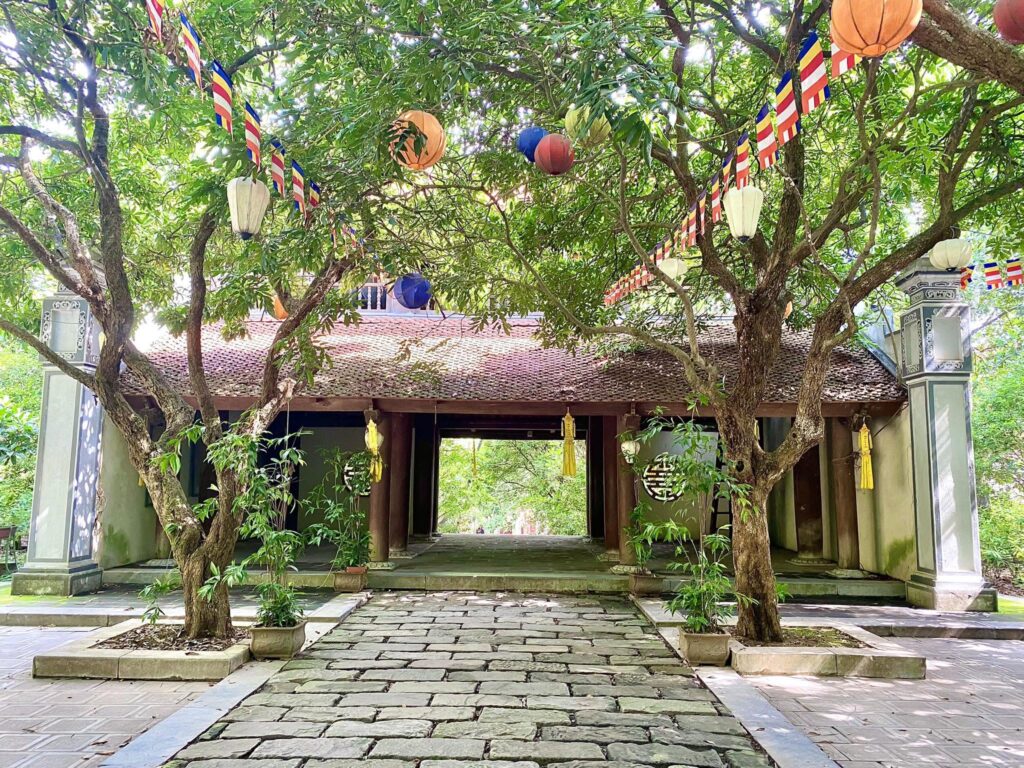
From a cultural tourism perspective, Vinh Nghiem Pagoda is an important destination for visitors interested in the history of Truc Lam Buddhism and Vietnam’s religious heritage.
Visitors can explore the pagoda’s historic architecture, spiritual traditions, and its association with Buddhist scholarship and traditional book production.
Interpretation of the woodblocks should always respect conservation requirements.
Controlled exhibitions, high-quality reproductions, digital displays, and guided explanations offer effective ways to introduce the collection without exposing fragile original materials to unnecessary risks.
The Vinh Nghiem Pagoda Woodblocks preserve far more than religious scriptures.
They reflect how generations of Vietnamese Buddhist scholars, monks, and craftsmen received, interpreted, and transmitted knowledge through their own language, writing systems, and artistic traditions.
From carefully engraved persimmon-wood blocks to Buddhist texts printed on handmade paper, the collection embodies a remarkable relationship between intellectual achievement, religious belief, craftsmanship, and cultural identity.
UNESCO’s recognition in 2012 affirmed the collection’s significance as part of the documentary memory of Vietnam and the Asia-Pacific region, while emphasizing the importance of preserving this irreplaceable heritage for future generations.
Quick Information
| Item | Details |
|---|---|
| Heritage name | Vinh Nghiem Pagoda Woodblocks |
| Vietnamese name | Mộc bản chùa Vĩnh Nghiêm |
| Location | Vinh Nghiem Pagoda (Duc La Pagoda), Bac Ninh Province, Vietnam |
| Former administrative location | Duc La Village, Tri Yen Commune, Yen Dung District, Bac Giang Province |
| Heritage type | Buddhist documentary heritage; wooden printing blocks |
| Number of woodblocks | 3,050 |
| Collection scope | Approximately 34 titles according to certain published descriptions |
| Historical period | 17th to early 20th centuries |
| Main engraving period | Late 19th and early 20th centuries |
| Primary material | Persimmon wood |
| Writing systems | Classical Chinese, Vietnamese Nom, and limited elements from other Buddhist writing traditions |
| Printing technique | Reversed characters engraved on wooden blocks |
| Main contents | Buddhist scriptures, monastic regulations, religious ceremonies, Truc Lam writings, and related documents |
| Associated historical figures | Tran Nhan Tong, Phap Loa, Huyen Quang, Zen Master Chan Nguyen |
| Outstanding values | Truc Lam Buddhist history, Nom script, literature, calligraphy, and traditional woodblock printing |
| UNESCO recognition | Memory of the World Asia-Pacific Regional Register |
| Recognizing body | Memory of the World Committee for Asia and the Pacific (MOWCAP) |
| Recognition date | May 16, 2012 |