The Worship of the Hùng Kings in Phú Thọ is a distinctive Vietnamese spiritual and cultural practice that expresses the tradition of honoring the nation’s origins and paying tribute to the Hùng Kings and those regarded as having contributed to the founding of the country. From the central worshipping site at Hùng Temple on Nghĩa Lĩnh Mountain, this tradition has been transmitted across generations and spread throughout Vietnam, becoming an important cultural symbol associated with community identity and national solidarity.
Hùng Temple and the Central Place of Worship
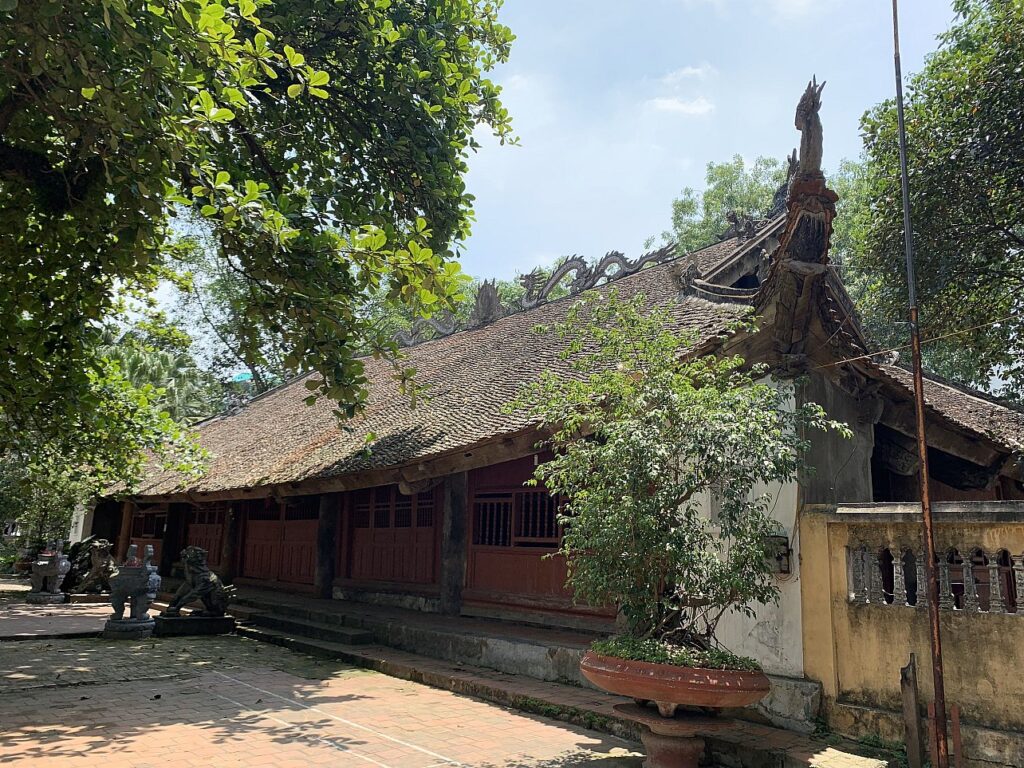
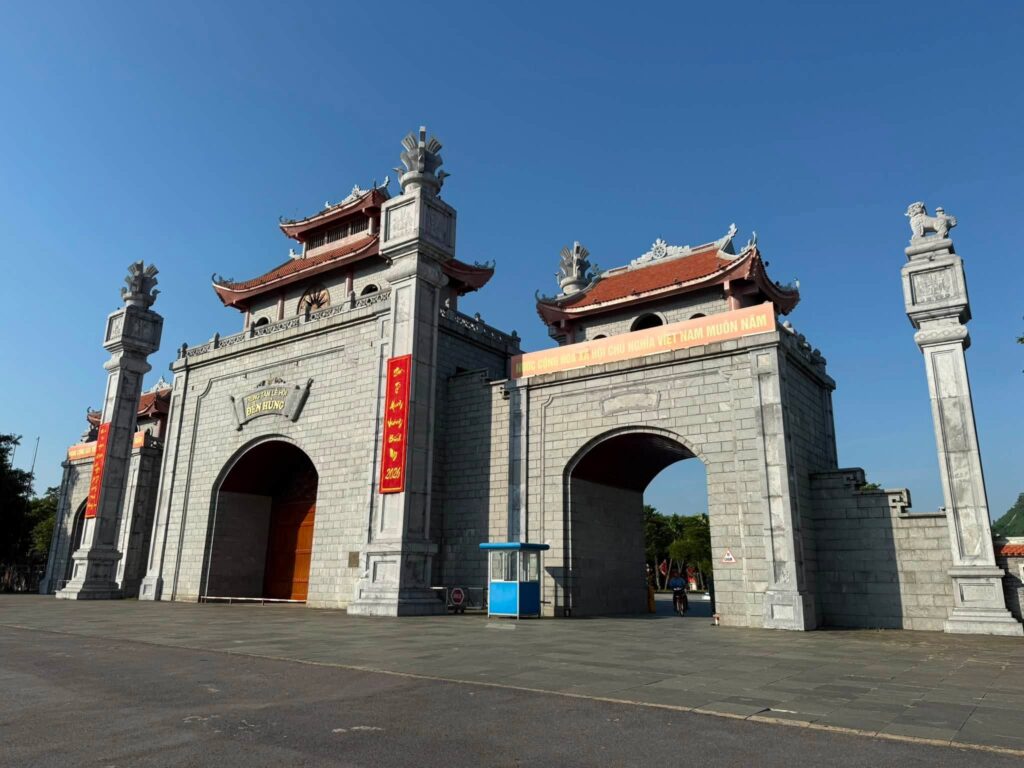
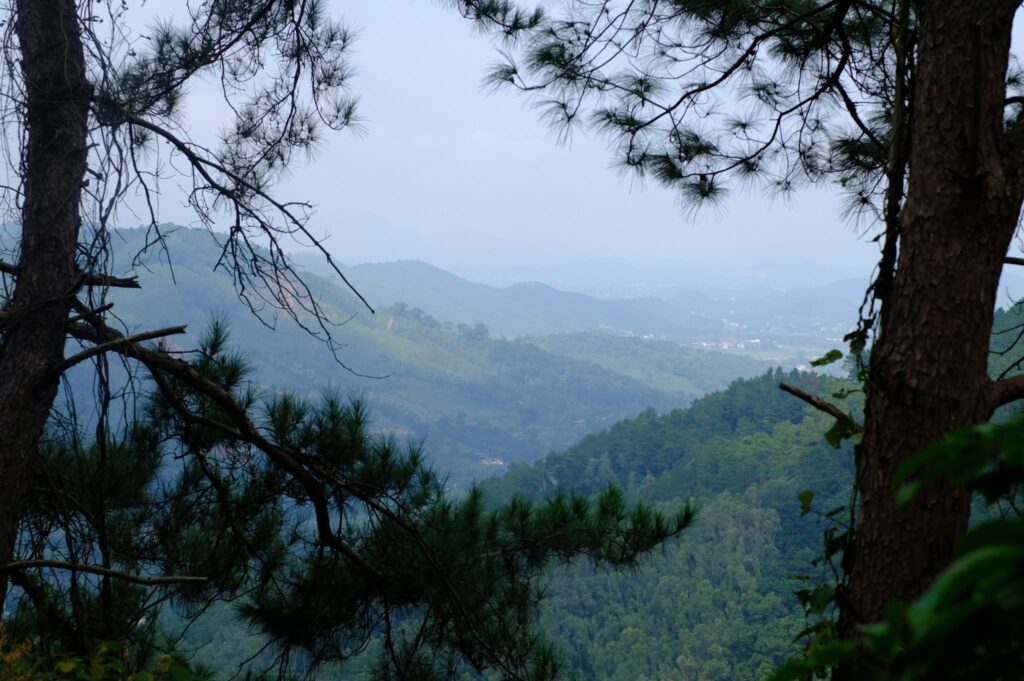
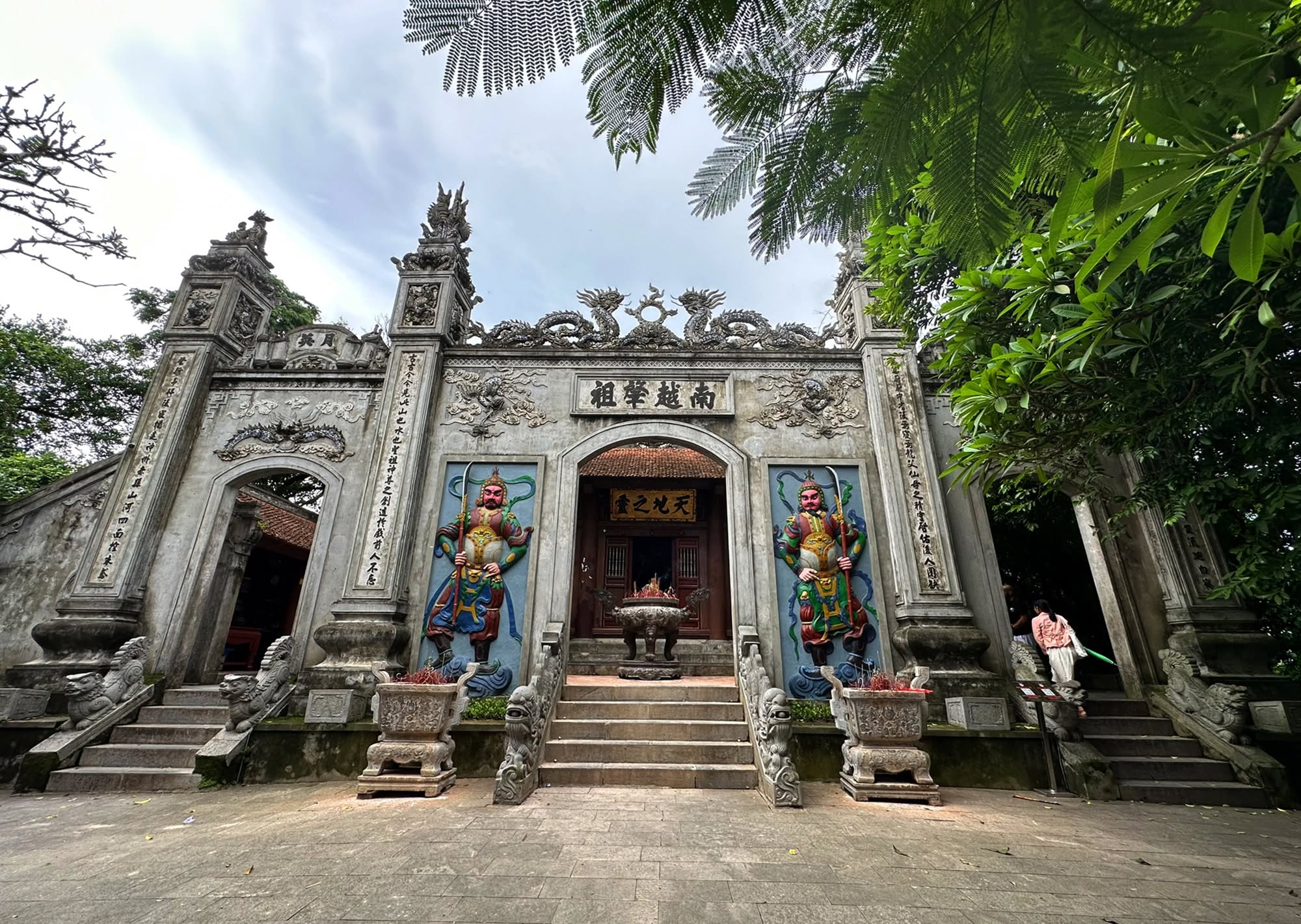
To commemorate the contributions of the Hùng Kings, local communities established temples on Nghĩa Lĩnh Mountain, also known as Hy Cương Mountain, Hùng Mountain, or Hùng Sơn, in Cổ Tích Hamlet, Hy Cương Commune, Việt Trì City, Phú Thọ Province.
This area is regarded as the central worshipping site dedicated to the Hùng Kings and is the setting for important ceremonies honoring them. From this religious center, the worship of the Hùng Kings gradually spread and has been preserved and transmitted from one generation to another.
The 10th day of the third lunar month has traditionally been observed as the Hùng Kings’ Commemoration Day, becoming an important occasion for Vietnamese people to return to their ancestral roots.
A Tradition of Honoring Ancestral Origins
The worship of the Hùng Kings carries a profound spiritual meaning. It expresses gratitude toward those regarded by the community as having contributed to the founding of the nation and establishing the foundations of Vietnamese society.
In Vietnamese spiritual life, the Hùng Kings are revered as common ancestral figures. Remembering the Hùng Kings is therefore not only a religious practice but also a way for communities to connect the past with the present and remind successive generations of their shared origins and responsibilities toward the wider community.
This tradition has become a powerful cultural symbol representing a common ancestry and contributing to a sense of national solidarity and community cohesion.
The Cultural Space of Phú Thọ
The worship of the Hùng Kings is closely associated with the historical and cultural landscape of Phú Thọ. According to the research material, the region has a long connection with traditions concerning Văn Lang, the ancient state associated in Vietnamese historical tradition with the era of the Hùng Kings. Archaeological research in Phú Thọ has also revealed numerous remains from ancient cultural periods, including sites and artifacts associated with the Đông Sơn culture.
The interaction between historical evidence, archaeology, legends, and cultural traditions has created an environment in which the worship of the Hùng Kings has been maintained and developed.
The tradition is not limited to ceremonies at Hùng Temple. It is also expressed through a network of temples, communal houses, shrines, and other worshipping sites associated with the Hùng Kings and figures traditionally connected with the Hùng period.
The Recognized Cultural Area in Phú Thọ
The recognized heritage area has Hùng Temple on Nghĩa Lĩnh Mountain in Việt Trì City as its central point. The tradition is also practiced in numerous localities throughout Phú Thọ, including Phù Ninh, Cẩm Khê, Thanh Sơn, Đoan Hùng, Tam Nông, Yên Lập, Hạ Hòa, Lâm Thao, Thanh Thủy, Thanh Ba, Tân Sơn, Phú Thọ Town, and Việt Trì City.
Together, these worshipping sites form an extensive cultural network, with Hùng Temple serving as its principal spiritual center.
From Phú Thọ to Communities Throughout Vietnam
The worship of the Hùng Kings is not confined to Phú Thọ. It has spread to many regions throughout Vietnam. According to the source material, there are 1,417 sites dedicated to the worship of the Hùng Kings and figures associated with the Hùng period across the country.
From the midland region of Phú Thọ, this tradition has been adopted and practiced in numerous communities in northern, central, and southern Vietnam. Vietnamese communities living abroad have also established worshipping temples dedicated to the Hùng Kings, maintaining a spiritual connection with their ancestral homeland.
This geographical spread demonstrates that the worship of the Hùng Kings has developed beyond a single locality into a cultural practice shared by Vietnamese communities across different regions.
The Hùng Kings’ Commemoration Day
The central event of this tradition is the Hùng Kings’ Commemoration Day, held annually on the 10th day of the third lunar month at Hùng Temple.
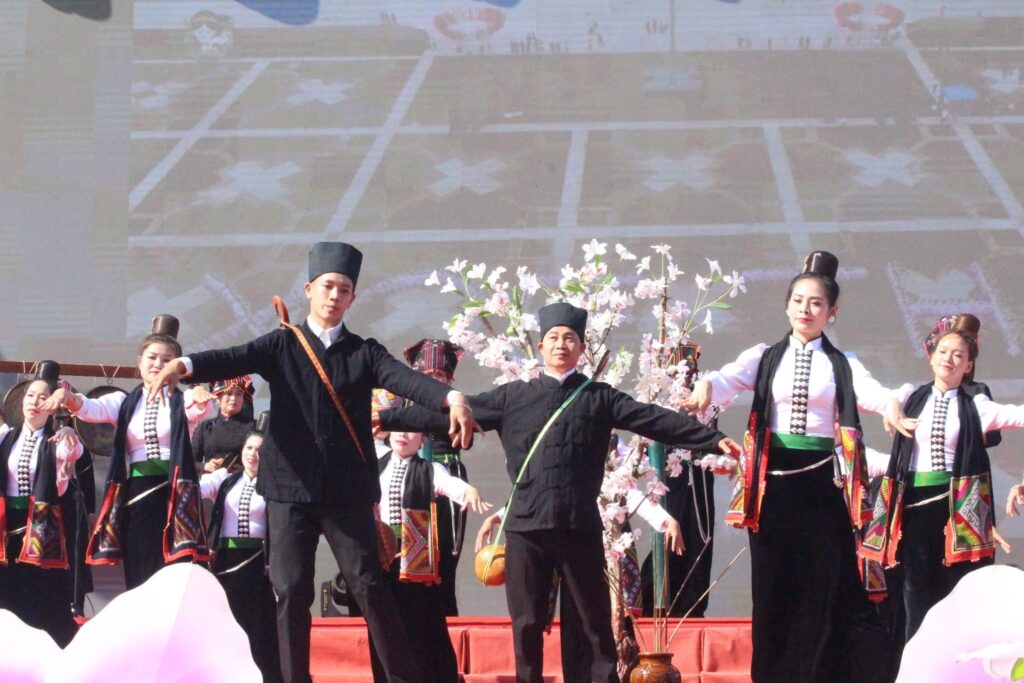
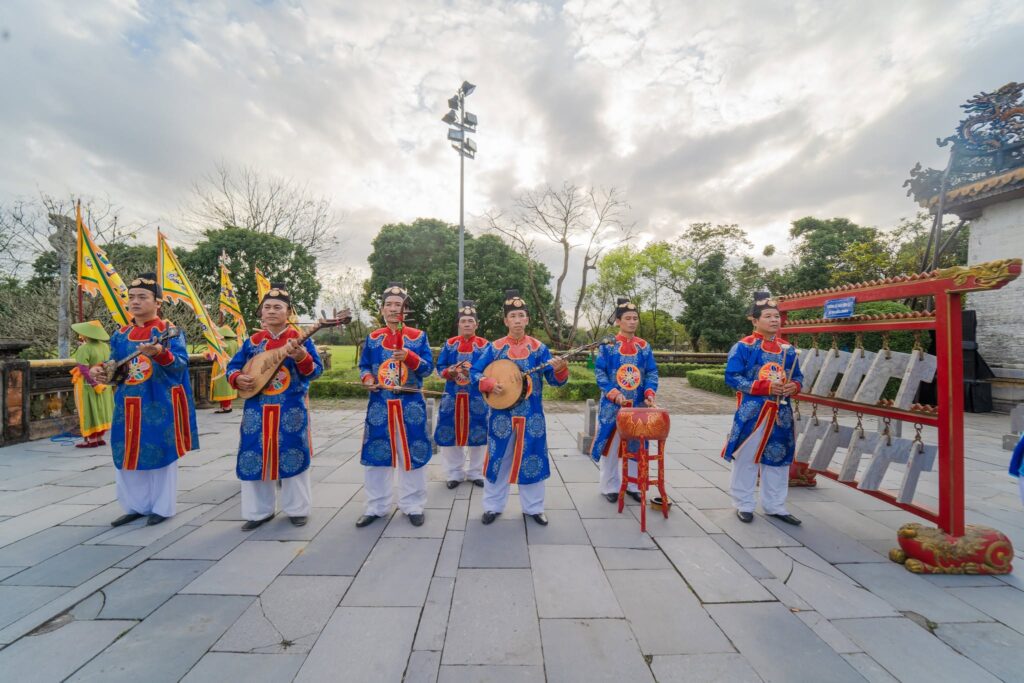
It is an occasion for people from many parts of Vietnam to return to the ancestral land, offer incense in remembrance of the Hùng Kings, and participate in community cultural activities. The ceremonies and festivities provide an environment in which traditions, beliefs, and collective memories of ancestral origins are expressed and transmitted.
Within studies of the Hùng Kings’ worship tradition, the festival is regarded as one of the important ways in which communities maintain and express their beliefs concerning their shared origins. Rituals and communal activities bring participants together regardless of their place of origin.
Cultural Values and Community Identity
One of the most important characteristics of the worship of the Hùng Kings is its ability to create a sense of shared ancestry. Within this tradition, the Hùng Kings are revered by communities as ancestral founders of the nation.
This shared belief allows people from different communities, families, and regions to gather around a common cultural symbol, strengthening connections between individuals, local communities, and the wider Vietnamese nation.
Research on the tradition also highlights the interaction between history, legends, and processes of mythologization in the formation and development of the Hùng Kings’ worship. Over time, memories and stories concerning the Hùng period have been preserved, enriched, and expressed through rituals, legends, place names, and worshipping spaces.
From Community Belief to a National Cultural Symbol
An important characteristic of the worship of the Hùng Kings is the combination of folk spiritual practices with a broader sense of national origins.
Throughout different historical periods, the worship of the Hùng Kings has been maintained in various forms. The research material records that historical monarchies issued decrees and took measures relating to the recognition and maintenance of Hùng Kings worship. In modern times, the Hùng Kings’ Commemoration Day has continued to be observed as an occasion of special significance to Vietnamese communities.
As a result, the tradition has become one of Vietnam’s prominent cultural symbols of respect for ancestors and remembrance of national origins.
Representative Intangible Cultural Heritage of Humanity
On December 6, 2012, in Paris, France, UNESCO officially inscribed the Worship of Hùng Kings in Phú Thọ on the Representative List of the Intangible Cultural Heritage of Humanity.
The inscription recognizes the exceptional value of a spiritual tradition practiced and transmitted by communities across generations. It also marked an important milestone in introducing Vietnam’s traditional beliefs and cultural practices to the international community.
The Worship of Hùng Kings represents a particularly strong example of how a spiritual tradition can connect communities through shared memories of ancestral origins. From its central worshipping site in Phú Thọ, the tradition has spread widely and become a cultural symbol shared by Vietnamese communities in different parts of the country.
Cultural Heritage and Tourism in the Ancestral Land
Today, the Worship of Hùng Kings, with Hùng Temple and the Hùng Temple Historical Site at its center, has become a distinctive cultural tourism experience in Phú Thọ.
A journey to the ancestral land is not only an opportunity for sightseeing but also carries meanings of pilgrimage, remembrance, and exploration of Vietnamese history, legends, spiritual traditions, and culture.
Hùng Temple, together with its network of historical sites, festivals, and related cultural practices, creates a distinctive destination where visitors can experience both tangible heritage and the living spiritual traditions maintained by the community.
A Heritage of Community Connection
The Worship of Hùng Kings has developed through a long historical process in which history, legends, folk beliefs, and community life have become closely intertwined. The vitality of the heritage lies not only in temples and rituals but also in the continued participation of communities and the transmission of beliefs concerning shared origins.
From Phú Thọ, the tradition has spread to many regions and to Vietnamese communities abroad. While individual communities may practice it in different ways, they share a common purpose: honoring the Hùng Kings and maintaining a spiritual connection with the origins of the Vietnamese community.
With its profound historical, cultural, and community values, the Worship of Hùng Kings in Phú Thọ represents an important element of Vietnam’s cultural heritage, expressing the enduring tradition of honoring ancestors and strengthening the sense of connection among Vietnamese people across generations.
Quick Information
| Item | Information |
|---|---|
| Heritage name | Worship of Hùng Kings in Phú Thọ |
| Type | Beliefs and Spiritual Practices |
| Central worshipping site | Hùng Temple, Nghĩa Lĩnh Mountain |
| Main location | Hy Cương Commune, Việt Trì City, Phú Thọ Province |
| Commemoration Day | 10th day of the third lunar month |
| Recognized area in Phú Thọ | Việt Trì City and districts and towns throughout Phú Thọ |
| Geographical spread | Northern, Central, and Southern Vietnam, as well as Vietnamese communities abroad |
| Number of worshipping sites | 1,417 sites dedicated to the Hùng Kings and figures associated with the Hùng period, according to the source |
| UNESCO inscription | Representative List of the Intangible Cultural Heritage of Humanity |
| Date of inscription | December 6, 2012 |
| Outstanding values | Ancestral remembrance, connection with origins, community identity, and national solidarity |
Location: Hùng Temple, Nghĩa Lĩnh Mountain, Hy Cương Commune, Việt Trì City, Phú Thọ Province, Vietnam.