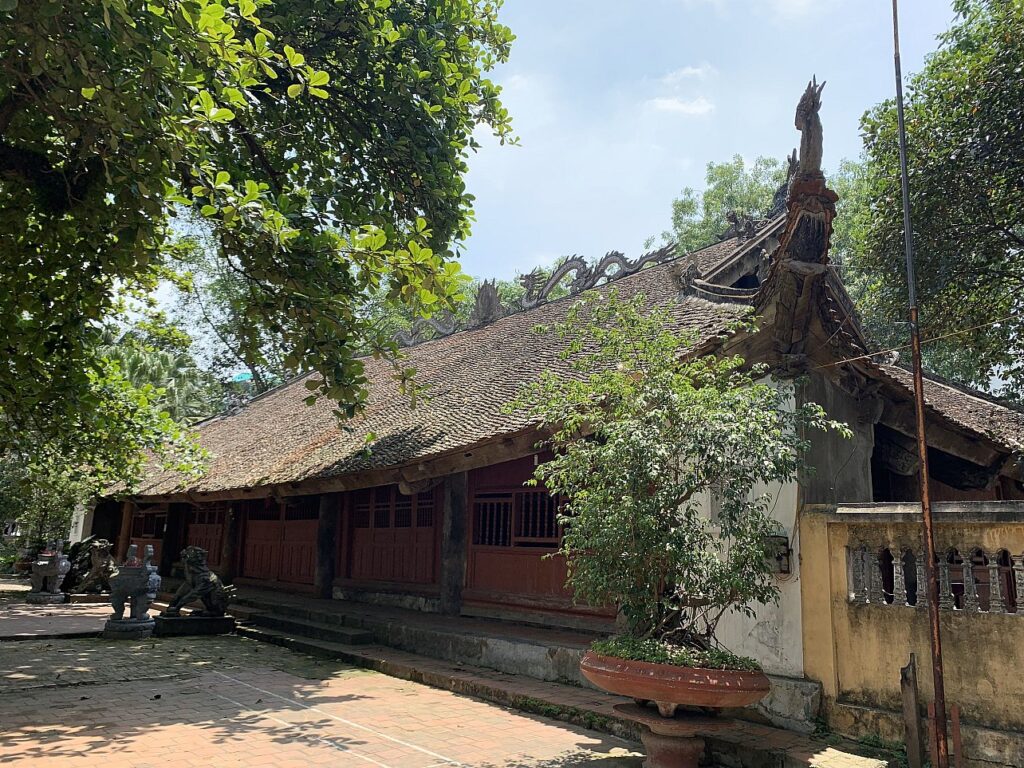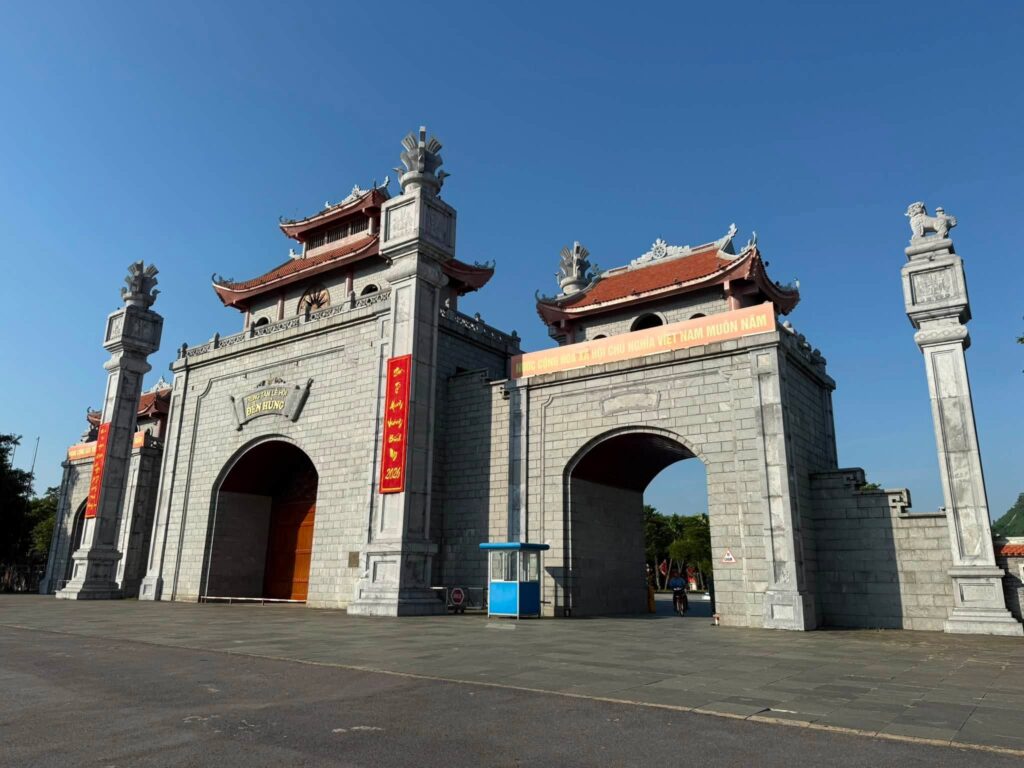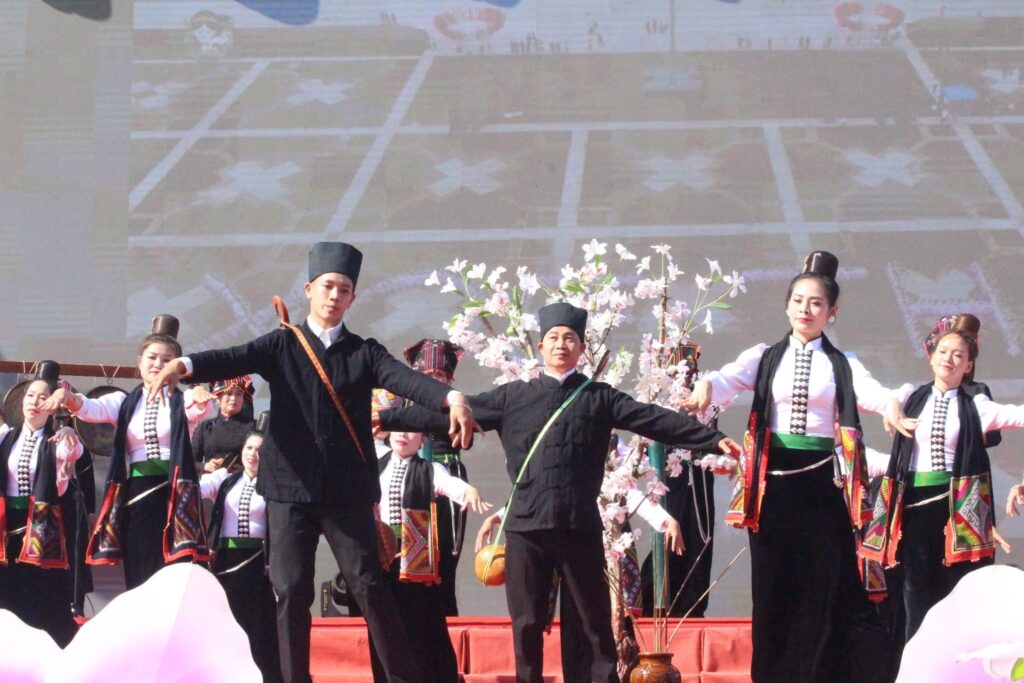
Xoan Singing of Phú Thọ is a distinctive form of Vietnamese performing art closely associated with the worship of the Hùng Kings and the Vietnamese tradition of honoring one’s ancestors and origins. Combining singing, dancing, drum and clapper accompaniment, Xoan is practiced within community spaces and transmitted from one generation to another through traditional Xoan guilds.
On 8 December 2017, during the 12th session of the UNESCO Intergovernmental Committee for the Safeguarding of the Intangible Cultural Heritage, held in Jeju, Republic of Korea, Xoan Singing of Phú Thọ was officially removed from the List of Intangible Cultural Heritage in Need of Urgent Safeguarding and inscribed on the Representative List of the Intangible Cultural Heritage of Humanity.
This was a significant milestone in the history of UNESCO, as Xoan Singing became the first heritage element to be transferred from the Urgent Safeguarding List to the Representative List. The decision recognized the successful efforts of communities, practitioners and cultural authorities to restore, transmit and strengthen the vitality of the heritage.
Xoan Singing and the Worship of the Hùng Kings
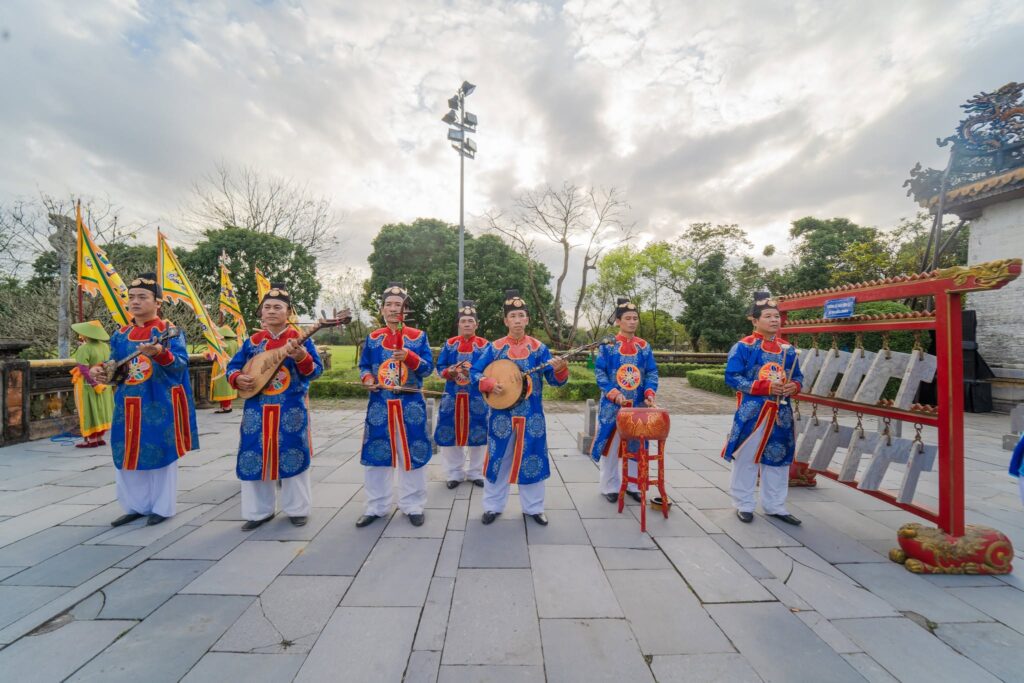
Xoan is a form of performing art that combines singing, dancing, drumming and clapper playing. The tradition is closely associated with the worship of the Hùng Kings, a belief rooted in the Vietnamese tradition of ancestor worship.
Within the cultural landscape of Phú Thọ, Xoan functions both as an artistic performance and as a form of religious practice. Songs, dances and rituals are transmitted within communities, helping maintain cultural memory and connections between generations.
The message of “remembering the source of one’s water”, commonly expressed in Vietnam as uống nước, nhớ nguồn, is strongly reflected in Xoan, particularly through the transmission of the heritage to younger generations and the continuation of practices associated with the worship of the Hùng Kings.
Xoan Guilds and Heritage Practitioners
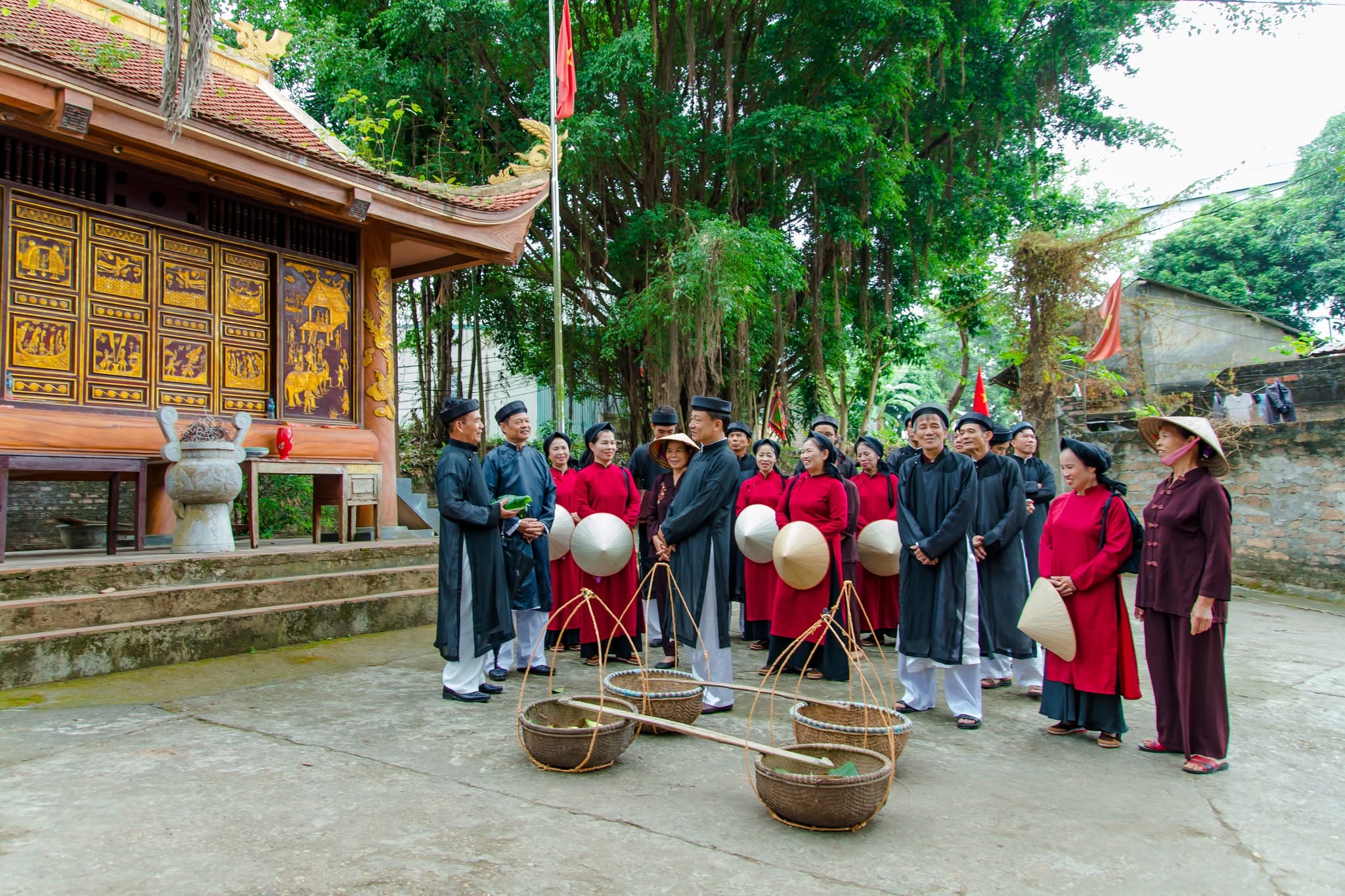
The bearers and practitioners of Xoan are organized into four Xoan guilds. Within each guild, the male and female Trùm, or guild leaders, play an important role in safeguarding and transmitting the heritage.
The Trùm are responsible for preserving the songs, selecting disciples, teaching traditional pieces and singing styles, guiding performances and organizing guild activities.
Alongside the traditional guilds, practitioners and artisans also actively introduce and teach Xoan in guilds, clubs and other cultural spaces.
As a form of community performing art, Xoan contributes to cultural understanding, strengthens community bonds and encourages mutual respect among community members.
Xoan Repertoire and Transmission
The Vietnam Institute of Music has collected 31 Xoan songs. Through the efforts of practitioners and artisans, numerous Xoan guilds have also been established and maintained.
There are currently 33 Xoan clubs engaged in regular activities, providing additional spaces for practice, transmission and community participation. Workshops have also been organized to expand knowledge about the history, artistic characteristics and practice of Xoan.
Traditionally, Xoan has been transmitted primarily through oral teaching, supported by traditional repertoires as well as audio and video recordings. Experienced practitioners teach members of Xoan clubs and music teachers in schools, enabling knowledge of Xoan to reach new generations of students and practitioners.
The Revival of the Heritage
Xoan Singing experienced a serious decline during the 20th century. When it was inscribed on the List of Intangible Cultural Heritage in Need of Urgent Safeguarding in 2011, the tradition faced significant challenges related to the number of practitioners, the advanced age of senior artisans and the transmission of traditional repertoires.
According to the 2016 national periodic report on the condition of Xoan Singing, efforts by local communities and the Government had significantly strengthened the vitality of the heritage.
In 2009, the four Xoan guilds had approximately 100 singers and musicians, who performed irregularly, with more than half aged over 60. By the time of the report, the guilds had nearly 200 members, with an average age of approximately 35.
Among the 31 oldest artisans, aged between 80 and 104 in 2009, only seven were still capable of performing and teaching traditional Xoan repertoires. Following safeguarding efforts, 62 successors had been trained and were equipped to teach Xoan repertoires.
The number of young people participating in the tradition also increased rapidly, creating a stronger basis for intergenerational continuity.
The Project for Safeguarding and Promoting Xoan Singing
A project for the safeguarding and promotion of Xoan Singing was approved by the Prime Minister and implemented from 2013, with the planned continuation of activities through 2020.
The project played an important role in restoring the heritage with strong community participation. Measures included teaching Xoan, training in intangible cultural heritage safeguarding, restoring spaces required for practice, collecting literary materials, publishing educational resources and introducing Xoan in schools.
The four Xoan guilds have made important contributions to safeguarding the tradition since the 1980s. Their continuous knowledge and practice helped restore this traditional performing art.
Challenges to Safeguarding
Although the vitality of Xoan Singing has been significantly strengthened, the heritage continues to face several challenges.
One issue identified by UNESCO is the risk of standardizing performances, which could reduce the diversity of traditional forms. In addition, some young people leave their villages to pursue education and employment elsewhere, reducing opportunities to practice the heritage within its traditional community environment.
These challenges demonstrate that safeguarding Xoan requires more than increasing the number of practitioners. It also requires maintaining appropriate cultural spaces, traditional repertoires and opportunities for intergenerational transmission.
Community Participation
Xoan guilds, local communities, learners and relevant organizations actively participated in preparing the national periodic report on the condition of the heritage.
Community participation included interviews, discussions, workshops and inventory activities. Between 2012 and 2015, Xoan Singing was extensively inventoried with community participation, and information was updated annually.
The Vietnam Institute of Music, under the Vietnam National Academy of Music, also conducted inventories of Xoan repertoires, contributing to documentation and the development of databases for safeguarding the heritage.
UNESCO Inscription on the Representative List
According to the assessment of the UNESCO Intergovernmental Committee, Xoan Singing no longer met one or more criteria for inclusion on the List of Intangible Cultural Heritage in Need of Urgent Safeguarding because of the significant progress achieved through safeguarding efforts.
Vietnam therefore proposed that Xoan Singing of Phú Thọ be removed from the Urgent Safeguarding List and inscribed on the Representative List of the Intangible Cultural Heritage of Humanity.
The Intergovernmental Committee accepted the proposal and assessed the nomination according to criteria R.1 through R.5.
R.1: Importance to the Community
Xoan is associated with music and singing as forms of worship and expressions of gratitude toward the Hùng Kings.
Practitioners are organized into Xoan guilds headed by the Trùm, who preserve songs, select disciples and teach traditional repertoires and singing styles.
As a community performing art, Xoan creates a sense of solidarity, harmony and mutual respect. The tradition connects living heritage with contemporary community needs and conveys the principle of uống nước, nhớ nguồn, or remembering one’s origins, particularly to younger practitioners.
R.2: Dialogue and Cultural Diversity
Xoan experienced serious decline during the 20th century but was successfully revived through substantial efforts by local communities and other stakeholders.
Its inscription on the Representative List provides an opportunity to share safeguarding experiences with communities around the world and to recognize practitioners while encouraging them to transmit their knowledge to younger generations.
R.3: Safeguarding Measures
Safeguarding measures were implemented within the framework of the long-term 2013-2020 project for the protection and promotion of Xoan Singing, involving communities, practitioner groups and individuals.
Activities included research, restoration, transmission, collection of Xoan repertoires, establishment of Xoan guilds and creation of Xoan clubs. The State and relevant authorities also invested financial and human resources in safeguarding the tradition.
Proposed measures included establishing a Xoan safeguarding fund, supporting Xoan guilds, restoring Xoan performance spaces, organizing training courses and festivals, publishing books and educational materials, and developing regular communication programs.
R.4: Community Participation
The nomination dossier was prepared with the active participation of communities from the four Xoan guilds.
Consultations were conducted among practitioners, the Phú Thọ Department of Culture, Sports and Tourism, the Department of Cultural Heritage, the Center for Research and Promotion of Cultural Heritage of Viet Nam and the Vietnam Institute of Music.
Community participation was demonstrated through written statements of consent from community members and local cultural management officials.
R.5: Heritage Inventory
Xoan Singing was included in Viet Nam’s National Intangible Cultural Heritage List in 2012.
Together with the relevant communities, the Phú Thọ Department of Culture, Sports and Tourism conducted and updated the inventory of Xoan Singing between 2012 and 2015.
A Special Case within the UNESCO System
The removal of Xoan Singing of Phú Thọ from the List of Intangible Cultural Heritage in Need of Urgent Safeguarding and its transfer to the Representative List was a significant milestone.
According to the nomination documentation, this was the first time the Intergovernmental Committee had decided to transfer a heritage element from the Urgent Safeguarding List to the Representative List.
The experience gained from reviewing Viet Nam’s proposal also provided a basis for UNESCO to continue discussions on guidelines and procedures concerning the transfer of heritage elements between the two lists.
Xoan Singing in Contemporary Phú Thọ
Today, Xoan Singing continues to be practiced through Xoan guilds, clubs, festivals, educational activities and community cultural spaces.
Its value lies not only in its songs, dances, drums and clappers, but also in its community setting, historical memory and intergenerational transmission.
The journey of Xoan Singing from an endangered heritage element requiring urgent safeguarding to an element of the Representative List demonstrates the important role of communities in maintaining the vitality of intangible cultural heritage. At the same time, UNESCO’s recognition emphasizes the continuing need for safeguarding measures that allow Xoan to develop while maintaining its traditional foundations and cultural environment.
Quick Information
| Item | Information |
|---|---|
| Heritage name | Xoan Singing of Phú Thọ |
| Vietnamese name | Hát Xoan Phú Thọ |
| Heritage type | Performing Arts |
| UNESCO status | Representative List of the Intangible Cultural Heritage of Humanity |
| Year of inscription on the Representative List | 2017 |
| Date of inscription | 8 December 2017 |
| UNESCO session | 12th session of the Intergovernmental Committee for the Safeguarding of the Intangible Cultural Heritage |
| Place of inscription | Jeju, Republic of Korea |
| Previous UNESCO status | List of Intangible Cultural Heritage in Need of Urgent Safeguarding, 2011 |
| Performing forms | Singing, dancing, drumming and clapper playing |
| Number of Xoan guilds | 4 |
| Documented repertoire | 31 Xoan songs |
| Xoan clubs | 33 clubs |
| Trained successors | 62, according to the 2016 report |
| National heritage status | Included in Viet Nam’s National Intangible Cultural Heritage List in 2012 |
| Cultural setting | Phú Thọ Province and Xoan-practicing communities |
| Key values | Worship of the Hùng Kings, performing arts, the tradition of honoring one’s origins and community solidarity |
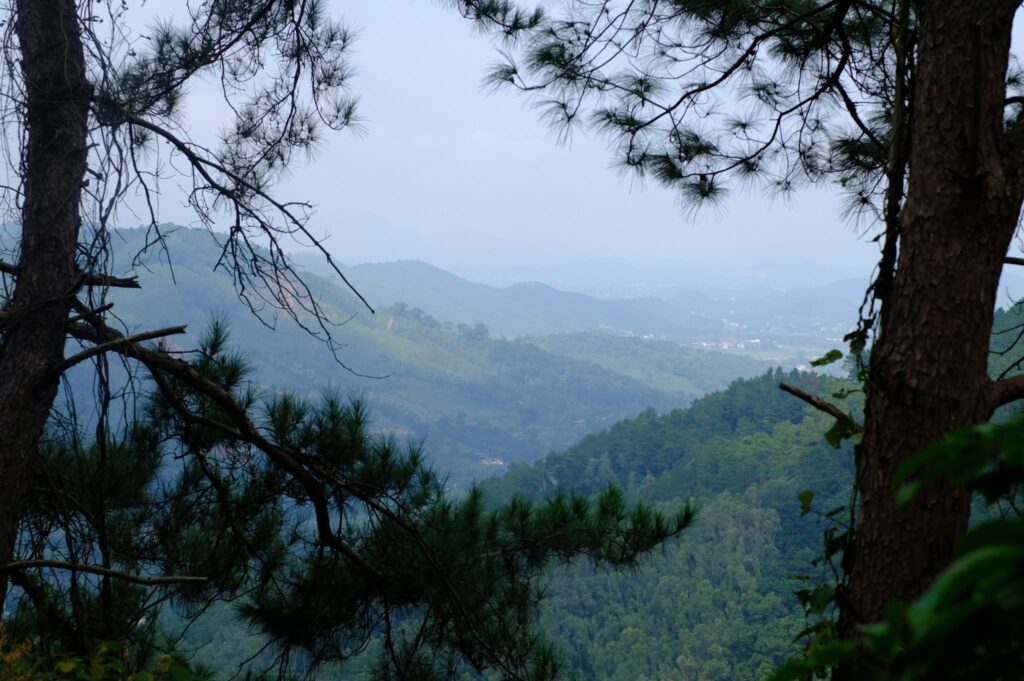
Location: Phú Thọ Province, Viet Nam.