Aday singing of the Khmer people in Xà Phiên, Long Mỹ, formerly part of Hậu Giang Province, is a traditional folk performing art that combines spoken singing, music, dance and poetry. It is particularly known for male-female call-and-response singing, with themes ranging from courtship and love to praise for the homeland and landscape, moral values, and wishes for peace, happiness and prosperity for families and communities.
Aday singing was officially included in the National Intangible Cultural Heritage List by the Ministry of Culture, Sports and Tourism under Decision No. 1676/QĐ-BVHTTDL dated May 26, 2021, in the category of Folk Performing Arts.
Today, the former Hậu Giang area mentioned in the heritage records is part of Cần Thơ City following the current administrative arrangement.
Origins and Development
According to the Department of Cultural Heritage, Aday originally developed from Prop-kay, a Khmer call-and-response singing tradition in which men and women alternated verses while clapping their hands to maintain the rhythm. Over time, the tradition was also associated with dramatic songs and folk tales. However, these elements became less common as the tradition spread into southern Vietnam.
Aday singing was also practiced during Chol Chhung, a traditional ball-throwing game held during Chôl Chnăm Thmây, the Khmer New Year.
The development of Aday can be traced through two important stages. First, earlier generations of performers simplified Prop-kay into a form of male-female call-and-response known as “Vông phlêng thum.” By the late 19th century, performers began creating new lyrics and improvising according to different situations and circumstances. The community came to appreciate this lively and spontaneous style, which eventually became known as Aday singing.
Aday was brought to Hậu Giang as Khmer communities cleared land, established settlements and formed phum and sóc, traditional Khmer residential communities. It was initially performed during festivals and gradually became part of community activities and family ceremonies.
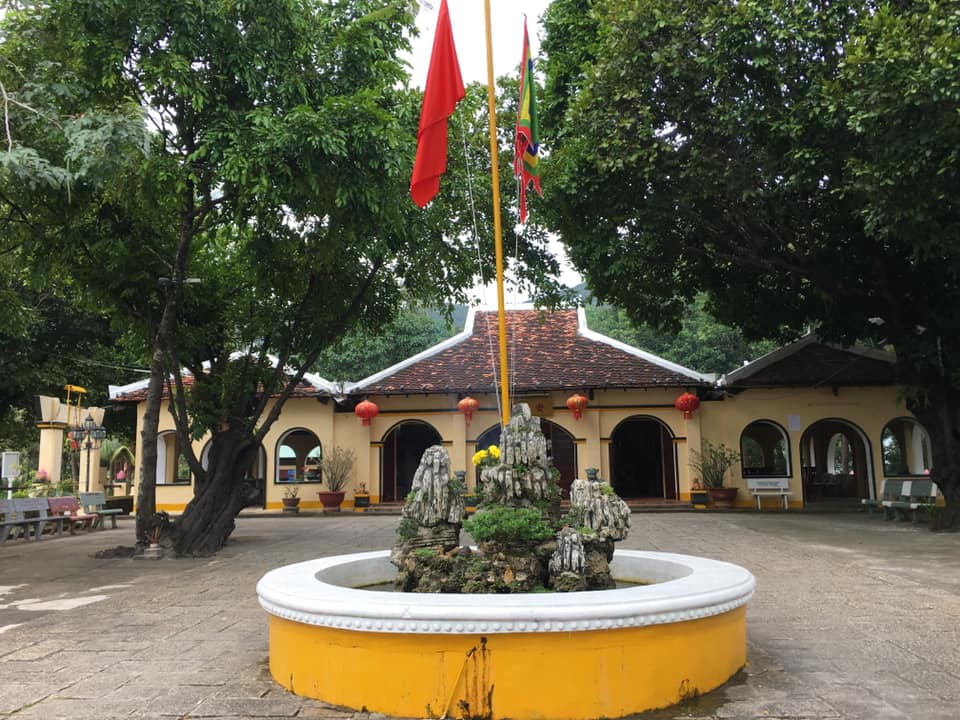
In the former Long Mỹ area, Aday singing developed early, particularly around Pô Thi Vong Sa Pagoda in Xà Phiên. At the time, many young men and women in the community knew how to perform Aday, while local musicians and lyricists also contributed to its development.
Khmer communities in areas that are now associated with Vị Thanh also maintained performing groups in places such as Hỏa Lựu, Hỏa Tiến, Tân Tiến and Vị Tân. In the northern part of former Hậu Giang Province, around Tám Ngàn and Cái Tắc in the former Châu Thành area, a smaller number of artisans also preserved the tradition. As Aday became rooted in the phum and sóc, with pagodas serving as important performance spaces, its form became more concise and simplified, and the dramatic elements gradually disappeared.
Singing, Music and Dance
Aday is characterized by the harmonious combination of singing, music, dance and poetic language. The principal performers are traditionally expected to know both singing and dancing, creating a lively form of folk performance.
Aday is essentially a form of spoken singing. Its vocal technique is relatively simple, relying on changes in emphasis, pitch and expression to convey emotions such as joy, teasing, affection, sarcasm or resentment. The rhythm is generally moderate to lively.
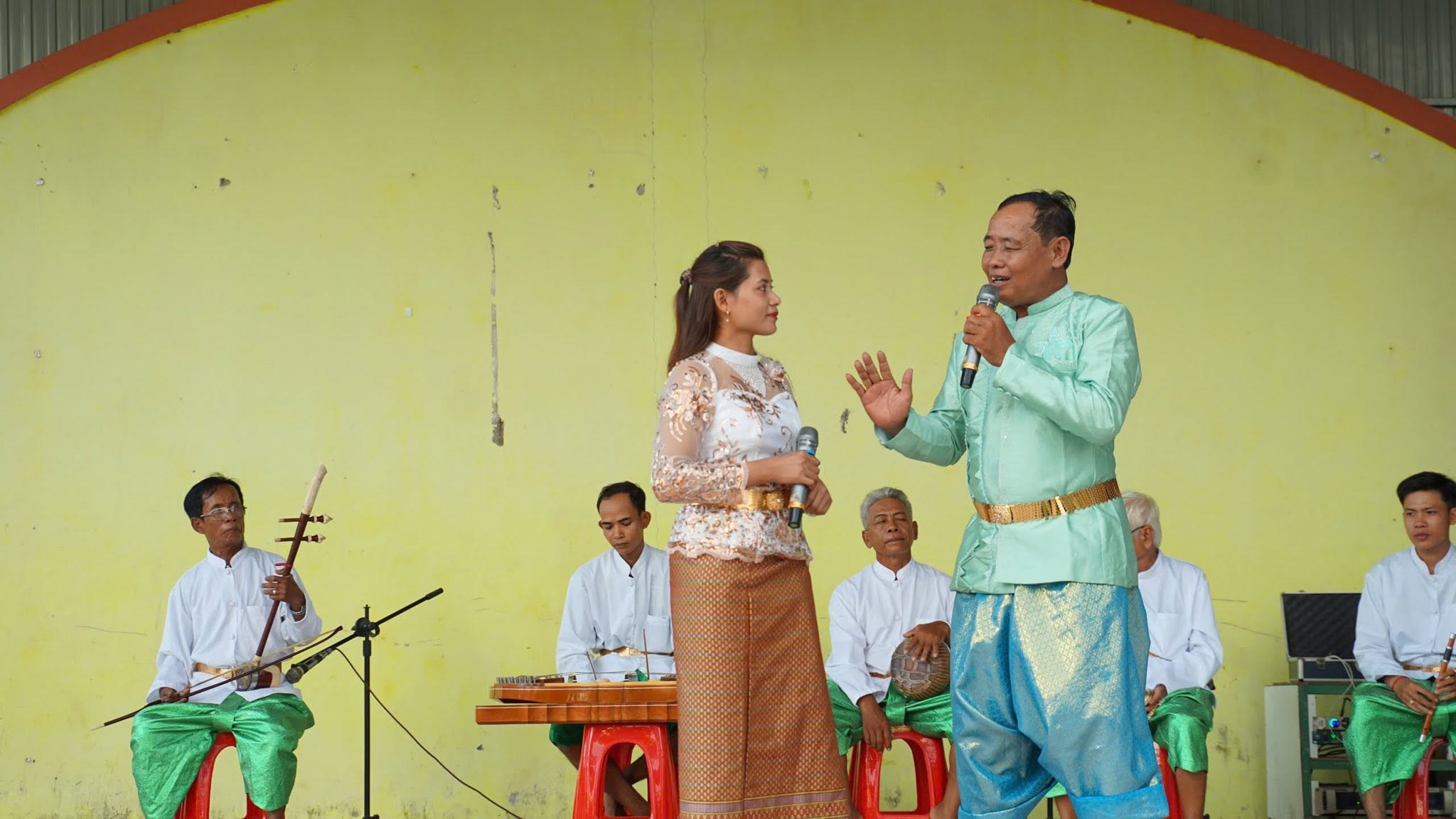
A performance often begins with an instrumental introduction, followed by a young man and woman performing an introductory dance. One performer sings a verse and moves with the accompanying music, after which the other responds. The two continue exchanging verses until the performance comes to an end.
Although the singing is relatively free and spontaneous, performers must still follow the basic melodic framework, controlling their voices as they rise and fall and varying volume and expression. A single verse may last around 30–40 seconds, while a complete performance can last 5–10 minutes, depending on its theme and the performers’ ability to improvise.
Aday lyrics are generally created for singing rather than written around a fixed melody. Because the tradition is based on spoken singing, performers need to add, shorten or adapt their words during the exchange. The ability to improvise while remaining relevant to the subject and situation is one of the most distinctive features of Aday.
Music provides the framework that guides both singers and dancers. Historically, accompanying melodies were drawn from music used in call-and-response singing, Yike theater and traditional Khmer dance. Among the melodies that remain familiar are Phum Phuông and Prop-kay, while Lam Leu may also be used on occasion. These melodies generally have a lively and cheerful character, often following a 2/4 rhythm.
A full traditional ensemble may include instruments such as T’ro sô (two-string fiddle), T’rou (bowed lute), Khum (hammered dulcimer), Khlai (bamboo flute), Ch’hưm (cymbals), Tà khê (crocodile-shaped zither) and Sko Đay (hand drum). In smaller community gatherings, only a few instruments, such as T’ro sô and Sko Đay, may be needed to accompany the singers.
Dance is not compulsory in every Aday performance, but when combined with singing, it turns the performance into a more complete form of folk theater. The dancers move between the verses, circle one another, change positions and use gestures to express affection, anticipation and playful courtship.
The dance incorporates elements of traditional Khmer forms such as Rom Vong and Lam Leu. Hand gestures are particularly expressive. The “chip” movement conveys delicacy and grace; “khuôn”, a curling movement, suggests strength and determination; “rồn” resembles a gesture of shading the face from the sun and can express charm; while “chòn-ol”, a pointing gesture, can communicate emotions such as sadness, affection, anger or dislike. Shoulder movements, hip movements and playful steps add further expression to the performance.
Aday in Festivals and Community Life
Aday singing has traditionally been performed during major Khmer festivals in southern Vietnam, including Chôl Chnăm Thmây, Sen Đôn Ta and Ók Om Bok, as well as at community events held at pagodas.
Performances may take place in a pagoda courtyard or on a stage, with audiences gathering around the performers. A celebration can continue for many hours, with Aday alternating with Rom Vong dancing or Yike theater.
In community activities, artistic groups associated with Khmer pagodas may perform newly written Aday lyrics reflecting contemporary life. Themes can include praise for the homeland, moral conduct, community values, traditional Ngo boat racing, cultural development, encouragement for young people to join the military, and observance of national policies.
Aday also plays a role in family ceremonies, particularly weddings. When the groom and wedding offerings are brought to the bride’s family, musicians and Aday singers may perform songs wishing the young couple harmony, prosperity and happiness. Following traditional wedding rituals such as the haircutting ceremony, the sprinkling of areca flowers and the tying of cotton threads around the bride and groom’s wrists, music and Aday singing may continue as part of the celebration.
During festivals, Aday provides an opportunity for young men and women to demonstrate their singing and improvisational skills through playful exchanges. Performers need not only remember traditional forms but also respond quickly and creatively to their partners. In the past, young people in Khmer communities often practiced singing, dancing and improvised verses in preparation for such occasions.
Aday singing of the Khmer people in former Hậu Giang is therefore closely connected with phum, sóc, pagodas and family life. Its lyrics express romantic love, family affection, attachment to the homeland and traditional moral values, while its performance preserves important elements of Khmer music and folk dance.
The practice also provides a space for entertainment, social interaction and community bonding. Through Aday, cultural knowledge is passed from one generation to another, reflecting the historical development of Khmer communities in the region and their cultural exchanges with neighboring Vietnamese and Chinese communities.
For its cultural, artistic and historical significance, Aday Singing of the Khmer People was officially recognized as a National Intangible Cultural Heritage in 2021.
Heritage Information
| Information | Details |
|---|---|
| Heritage | Aday Singing of the Khmer People |
| Decision | No. 1676/QĐ-BVHTTDL dated May 26, 2021 |
| Heritage category | Folk Performing Arts |
| Recorded location | Hậu Giang Province |