An Hai Village Founders’ Temple and Thoai Ngoc Hau Memorial is an important historical and cultural heritage site in Da Nang, Vietnam. Located in the heart of the modern city, the complex preserves the traditions of honoring village founders and commemorates Thoai Ngoc Hau (Nguyen Van Thoai), a prominent military commander and official of the Nguyen Dynasty who made significant contributions to the development of southern Vietnam.
The monument serves as a place of worship for the pioneering ancestors who established and developed An Hai Village. It also celebrates the life and achievements of Nguyen Van Thoai, a distinguished historical figure whose career was closely associated with the construction of canals, transportation routes, and infrastructure in the southwestern region of Vietnam.
Featuring traditional Vietnamese architecture, ancestral altars, historical inscriptions, memorial structures, tombs, and landscaped gardens, the complex reflects both the history of the An Hai community and the enduring connection between Nguyen Van Thoai and his hometown.
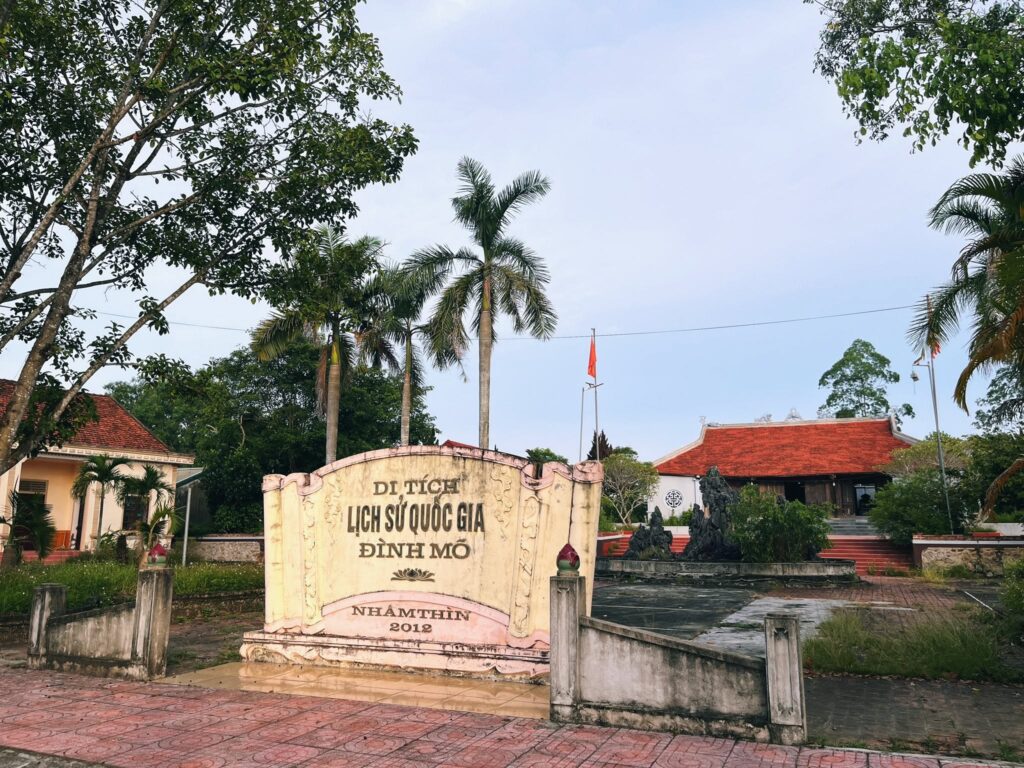
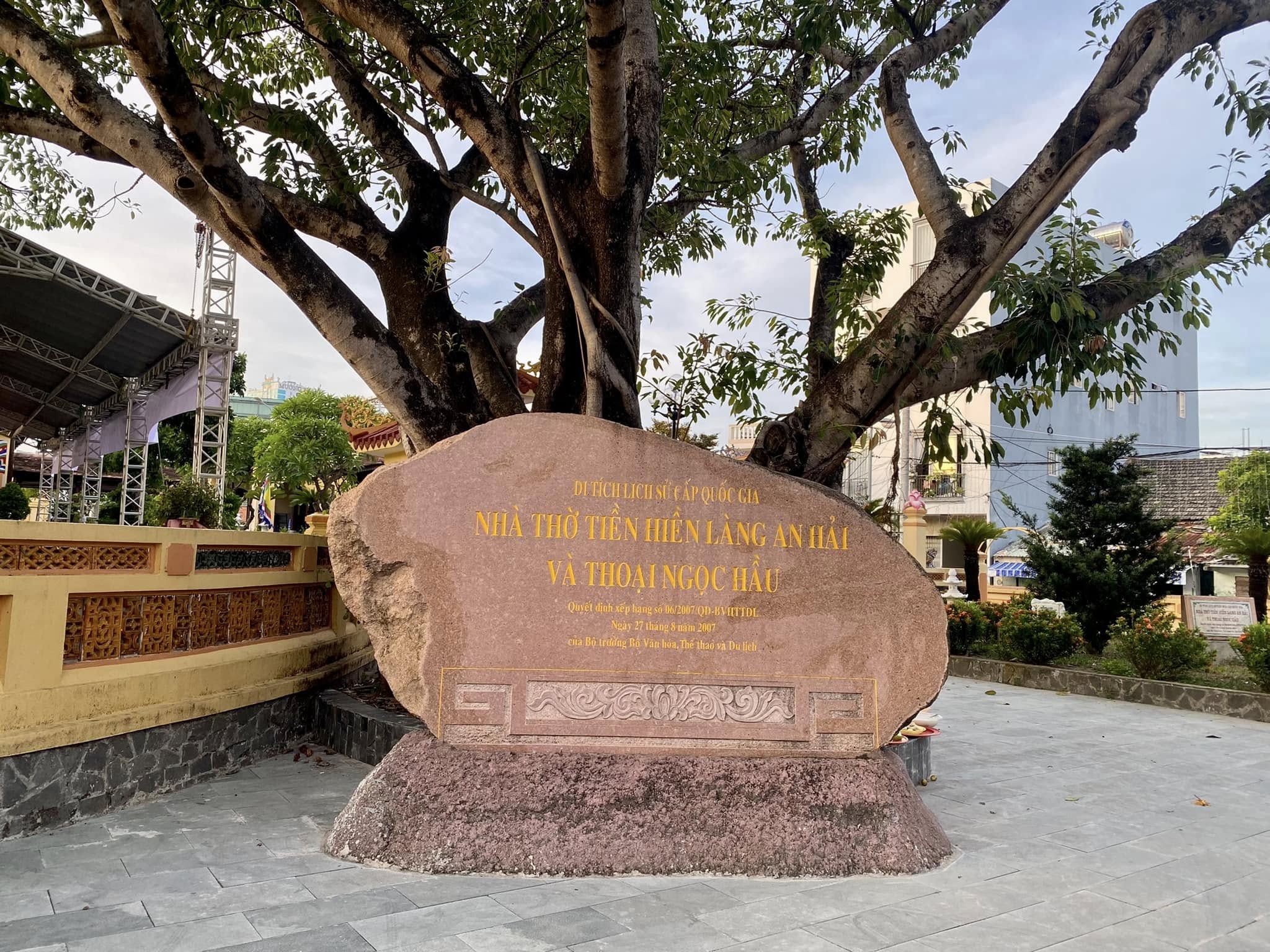
On August 27, 2007, An Hai Village Founders’ Temple and Thoai Ngoc Hau Memorial was officially recognized as a National Historical Monument by Vietnam’s Ministry of Culture, Sports and Tourism under Decision No. 06/2007/QD-BVHTTDL.
Today, the site remains an important cultural destination for ancestral remembrance, historical education, and the preservation of local heritage.
Location and Overview of the Historical Complex
An Hai Village Founders’ Temple and Thoai Ngoc Hau Memorial is located in An Hai Ward, Da Nang, Vietnam.
The monument is closely associated with the establishment of An Hai Village and the commemoration of Nguyen Van Thoai, a native of the area who became an influential historical figure during the Nguyen Dynasty.
The heritage complex covers approximately 4,250 square meters and has undergone restoration and renovation to preserve its historical significance and traditional architectural character.
The site includes a main worship hall, memorial structures, tombs, an inscription pavilion, a statue of Thoai Ngoc Hau, a semicircular pond, and landscaped gardens.
Upon entering the grounds, visitors encounter a peaceful setting featuring a semicircular pond and a mature banyan tree.
These traditional landscape elements create a tranquil atmosphere that contrasts with the surrounding urban environment.
The architectural structures are arranged harmoniously, providing both a dignified setting for religious ceremonies and a welcoming environment for visitors interested in local history.
The complex is not merely a place of worship for the An Hai community. It also preserves the collective memory of generations of pioneering ancestors who cultivated the land, established settlements, and contributed to the development of their homeland.
Thoai Ngoc Hau Nguyen Van Thoai and His Connection to An Hai
Thoai Ngoc Hau, whose birth name was Nguyen Van Thoai, was born in 1761 and died in 1829.
He was a distinguished military commander and official under the Nguyen Dynasty, widely remembered for his contributions to land development, waterway transportation, irrigation infrastructure, and the consolidation of Vietnam’s southwestern frontier.
Although much of his career and many of his achievements were associated with southern Vietnam, Nguyen Van Thoai maintained a strong connection with his ancestral homeland in An Hai and the wider Quang region.
This connection explains why his legacy continues to be commemorated at the An Hai Village Founders’ Temple.
During the early 19th century, Thoai Ngoc Hau played an important role in organizing infrastructure projects that helped improve transportation, agricultural production, and administrative control in the Mekong Delta and surrounding frontier areas.
His contributions are particularly associated with the construction and improvement of major canals and roads in what is now An Giang Province.
The commemoration of Thoai Ngoc Hau in his hometown represents more than recognition of an individual historical figure.
It also reflects the Vietnamese tradition of honoring those who have contributed to the nation while maintaining a lasting connection with their ancestral roots.
Major Historical Projects Associated with Thoai Ngoc Hau
Thoai Ha Canal and Thoai Son Mountain
In the autumn of 1817, Nguyen Van Thoai was appointed by the Nguyen court as the military governor of Vinh Thanh.
In the spring of 1818, he organized the dredging and expansion of the Ba Rach waterway, also known by its classical name Tam Khe, connecting the Long Xuyen and Rach Gia areas.
According to the historical reference material, the canal extended for more than 30 kilometers and was completed in slightly over one month.
The project significantly improved waterway transportation and facilitated the movement of goods and people across the region.
In recognition of Nguyen Van Thoai’s contribution, Emperor Gia Long renamed the canal Thoai Ha.
A mountain on the eastern side of the canal, formerly known locally as Nui Sap, was also renamed Thoai Son Mountain.
The names Thoai Ha and Thoai Son remain geographical reminders of Nguyen Van Thoai’s role in the historical development of southern Vietnam.
These place names demonstrate how major infrastructure projects became closely associated with the individuals responsible for their construction.
Vinh Te Canal
One of the most significant achievements associated with Thoai Ngoc Hau is the construction of Vinh Te Canal, a major waterway in southwestern Vietnam.
The canal connects Chau Doc and Ha Tien, extending for more than 91 kilometers toward the Gulf of Thailand.
According to the supplied historical account, construction began in the final lunar month of 1819 and was completed in 1824.
The project required extensive labor mobilization and careful organization under challenging natural conditions.
Its completion improved waterway transportation, supported agricultural development, and strengthened the administration of the southwestern frontier.
Vinh Te Canal became one of the most notable infrastructure projects undertaken during the early Nguyen Dynasty.
In 1828, Thoai Ngoc Hau commissioned a stone inscription known as Phung Dac Tu Danh Vinh Te Son Bi Ky near the canal.
The inscription recorded information associated with the canal’s construction and the historical significance of the name Vinh Te.
The name Vinh Te is traditionally associated with his wife, Chau Thi Vinh Te.
The surviving inscription is an important historical source for understanding the project and Nguyen Van Thoai’s contributions to regional development.
Today, Vinh Te Canal remains an important geographical and historical landmark in southern Vietnam.
The Sam Mountain Road and Historical Inscriptions
In late 1826, Thoai Ngoc Hau initiated the construction of a road connecting the Vinh Te Mountain area with Chau Doc Market, near Sam Mountain.
According to the reference material, the road was approximately five kilometers long and was completed in 1827.
The project improved local transportation and helped connect communities and commercial activities in the area.
In 1828, Nguyen Van Thoai also commissioned the inscription Chau Doc Tan Lo Kieu Luong Ky, which recorded the construction of new roads and bridges in the Chau Doc area.
These historical inscriptions provide valuable information about transportation infrastructure and public works during the Nguyen Dynasty.
Together with Thoai Ha Canal and Vinh Te Canal, the road projects demonstrate Thoai Ngoc Hau’s important role in developing the infrastructure of southwestern Vietnam.
The surviving place names, canals, roads, and inscriptions associated with him continue to contribute to historical research and public understanding of the region’s development.
Architecture and Main Features of the Heritage Complex
An Hai Village Founders’ Temple and Thoai Ngoc Hau Memorial has been restored in a traditional Vietnamese architectural style, emphasizing harmony between religious structures, memorial buildings, tombs, and natural landscapes.
The complex is designed to maintain a solemn atmosphere suitable for ancestral worship and historical remembrance.
The Village Founders’ Temple and Thoai Ngoc Hau Shrine
The main worship hall and rear sanctuary occupy an area of approximately 160 square meters.
The building follows the architectural style of a traditional Vietnamese communal house, with a dignified arrangement of altars and memorial objects.
This is the central worship space of the complex, where the altar, statue, and memorial tablet of Thoai Ngoc Hau are located.
On either side of the main altar are memorial tablets dedicated to his two wives.
The memorial tablet of Thoai Ngoc Hau records his official titles and achievements, including his position as a military commander responsible for the Chau Doc garrison, his appointment associated with the protection of Cambodia, and his responsibilities concerning the Ha Tien frontier.
These inscriptions reflect the recognition he received for his service to the Nguyen court.
The temple continues to serve as a place for honoring Thoai Ngoc Hau and commemorating the pioneering ancestors and later benefactors of An Hai Village.
The traditional practices of honoring tien hien (village founders) and hau hien (later contributors and benefactors) remain central to the cultural significance of the site.
Semicircular Pond and Ancient Banyan Tree
At the front of the heritage complex is a semicircular pond, accompanied by a mature banyan tree.
These features are characteristic elements of traditional Vietnamese religious and communal architecture.
The pond, trees, and landscaped gardens create a peaceful environment suitable for incense offerings, memorial ceremonies, and cultural visits.
The presence of mature greenery also contributes to the site’s distinctive appearance, helping preserve the atmosphere of a traditional village worship complex within the modern city.
Tombs, Memorial Pavilion, and Statue
The heritage grounds include a tomb area associated with the family of Ha Thi Than, as well as the reinterred grave of Tran Quang Dieu, according to the supplied historical reference material.
Behind the tomb area stands a memorial inscription pavilion recording the achievements of Thoai Ngoc Hau.
The complex also features a bust of Nguyen Van Thoai, described as approximately 1.2 meters high and weighing nearly one metric ton.
According to the reference description, the statue faces east.
These structures form a unified memorial landscape, connecting the history of Thoai Ngoc Hau with the ancestral traditions of An Hai Village.
Restoration and Renovation from 2008 to 2009
To preserve the historical monument and promote awareness of Thoai Ngoc Hau’s legacy, Da Nang launched a major restoration and renovation project in early 2008.
According to the project information, the investment amounted to nearly VND 7 billion, funded through resources allocated to the preservation of national cultural heritage.
The project covered approximately 4,250 square meters and included the restoration or construction of several architectural and landscape features.
Major components included the main temple, a statue of Nguyen Van Thoai, the tomb area, altars dedicated to village founders and later benefactors, eastern and western auxiliary buildings, a pond, boundary walls, and landscaped gardens.
Restoration work officially began on February 21, 2008.
The project was completed on March 29, 2009, coinciding with the anniversary of Da Nang’s Liberation Day.
The restoration gave the monument a more complete and dignified appearance while improving conditions for religious ceremonies, historical research, and cultural tourism.
It also demonstrated the local community’s commitment to preserving historical heritage and expressing gratitude toward earlier generations.
Annual Commemoration of Thoai Ngoc Hau
Every year, on the sixth day of the sixth lunar month, local authorities and residents of An Hai Ward organize an incense-offering ceremony to commemorate the death anniversary of Thoai Ngoc Hau Nguyen Van Thoai.
The annual ceremony provides an opportunity for the community to express gratitude for his contributions and honor the pioneering ancestors who helped establish and develop An Hai Village.
Traditional commemorative activities generally include preparing the worship space, offering incense, conducting memorial rituals, and maintaining the temple grounds.
These activities help preserve local customs and strengthen connections between generations.
They also serve as a reminder of the community’s historical roots and the importance of remembering those who contributed to the development of the homeland.
Maintenance activities, including cleaning, landscaping, caring for trees, and repairing deteriorating structures, are also important for preserving the dignity and appearance of the monument.
Through the annual commemoration, stories about the life, career, and achievements of Thoai Ngoc Hau continue to be passed down to younger generations.
The ceremony therefore plays an important role in cultural education and the preservation of local historical memory.
Historical, Cultural, and Educational Significance
An Hai Village Founders’ Temple and Thoai Ngoc Hau Memorial is a heritage site that connects local community history with the broader history of Vietnam.
Its significance can be understood through several important aspects.
Historical value
The monument commemorates Thoai Ngoc Hau, a prominent Nguyen Dynasty official associated with the development of southern Vietnam.
His achievements in canal construction, transportation infrastructure, and frontier administration represent an important chapter in the country’s early 19th-century history.
At the same time, the temple preserves the history of An Hai Village and the contributions of the generations who established the local community.
Cultural and spiritual value
The site embodies the Vietnamese traditions of ancestor veneration and gratitude toward village founders.
The continued practice of honoring tien hien and hau hien reflects the importance of community memory and respect for earlier generations.
Annual memorial ceremonies help maintain these traditions and reinforce cultural connections among local residents.
Architectural value
The temple complex preserves the appearance and spatial organization of traditional Vietnamese religious architecture.
Its worship hall, memorial pavilion, tombs, statue, semicircular pond, and landscaped gardens form a harmonious cultural setting.
The architectural design contributes to the monument’s solemn atmosphere and supports its function as a place of remembrance.
Educational value
The monument provides an opportunity for students, researchers, residents, and travelers to learn about the history of Da Nang and the achievements of Thoai Ngoc Hau.
Historical inscriptions, memorial tablets, and commemorative structures help communicate the importance of infrastructure development and the role of historical figures in shaping the country.
By preserving these values, the complex contributes to a deeper understanding of Vietnamese history and cultural identity.
Visiting An Hai Village Founders’ Temple and Thoai Ngoc Hau Memorial
Located in An Hai Ward, the monument can be included in a cultural heritage itinerary exploring the historical landmarks of Da Nang.
Visitors can explore the traditional worship hall, observe the memorial tablets and statue of Thoai Ngoc Hau, and learn about the historical significance of the canals and roads associated with his career.
The semicircular pond, ancient banyan tree, and landscaped gardens provide a peaceful setting for appreciating the site’s architecture.
The memorial pavilion and tomb area offer further opportunities to understand the relationship between the historical figure and the local community.
Because the monument remains an active place of worship and commemoration, visitors should dress respectfully, maintain a quiet atmosphere, and follow the instructions of the site’s caretakers.
Those interested in local cultural traditions may find the annual commemoration on the sixth day of the sixth lunar month particularly meaningful, subject to the ceremony schedule and visitor arrangements.
A visit to the temple offers a different perspective on Da Nang, revealing the city’s connections with Vietnam’s southern development and the traditions of honoring historical figures in their ancestral hometowns.
Preserving the Legacy of Thoai Ngoc Hau in Da Nang
An Hai Village Founders’ Temple and Thoai Ngoc Hau Memorial is more than a traditional religious structure.
It is a place where the history of a local community meets the broader historical development of Vietnam.
The monument honors the pioneering ancestors of An Hai Village while commemorating Nguyen Van Thoai, whose contributions to transportation, irrigation, and infrastructure helped shape the southwestern region of the country.
Its traditional architecture, memorial tablets, historical inscriptions, and annual ceremonies preserve important aspects of local cultural identity.
Recognized as a National Historical Monument in 2007 and restored between 2008 and 2009, the complex continues to serve as a center for ancestral remembrance, historical education, and cultural heritage preservation.
For visitors interested in Vietnamese history, traditional architecture, and the cultural roots of Da Nang, An Hai Village Founders’ Temple and Thoai Ngoc Hau Memorial offers a meaningful opportunity to explore the enduring relationship between historical achievement, community gratitude, and ancestral heritage.
Quick Facts
| Information | Details |
|---|---|
| Official name | An Hai Village Founders’ Temple and Thoai Ngoc Hau Memorial |
| Vietnamese name | Nhà thờ Tiền hiền làng An Hải và Thoại Ngọc Hầu |
| Location | An Hai Ward, Da Nang, Vietnam |
| Main historical figure | Thoai Ngoc Hau (Nguyen Van Thoai) |
| Lifespan of Thoai Ngoc Hau | 1761–1829 |
| Site area | Approximately 4,250 square meters |
| Architectural features | Traditional worship hall, memorial pavilion, historical statue, tombs, and semicircular pond |
| Major historical associations | Thoai Ha Canal, Vinh Te Canal, Thoai Son Mountain, and Sam Mountain Road |
| Restoration began | February 21, 2008 |
| Restoration completed | March 29, 2009 |
| Heritage designation | National Historical Monument |
| Recognition date | August 27, 2007 |
| Recognition decision | No. 06/2007/QD-BVHTTDL |
| Annual commemoration | Sixth day of the sixth lunar month |
| Main heritage values | History, traditional architecture, ancestral worship, and cultural education |