Dai Hoang Royal Bananas, known in Vietnamese as Chuoi Ngu Dai Hoang and often referred to as Royal Tribute Bananas, are among the most distinctive traditional fruit specialties of northern Vietnam. Originating from Dai Hoang Village, now part of Nam Ly Commune in Ninh Binh Province, these bananas are celebrated for their elegant appearance, golden-yellow skin, delicate fragrance, and naturally sweet flavor. Beyond their culinary appeal, they carry a rich cultural legacy associated with traditional offerings to Vietnamese royalty during the country’s feudal period.
Situated along the Chau Giang River, Dai Hoang has long been known for its fertile agricultural land and traditional banana cultivation. Generations of local farmers have preserved their knowledge of selecting planting materials, caring for banana plants, and harvesting fruit at the appropriate stage of maturity. The combination of local environmental conditions and inherited farming experience has contributed to the reputation of Dai Hoang Royal Bananas as a distinctive regional specialty.
Dai Hoang is also the birthplace of Nam Cao (1915–1951), one of Vietnam’s most influential twentieth-century writers, and the real-life inspiration for the fictional Vu Dai Village in his literary works. Alongside the famous clay-pot braised fish of Vu Dai Village, royal bananas have become a recognizable local specialty, especially during traditional festivals and the Lunar New Year.
An important milestone in the product’s development came in 2009, when Vietnam’s Intellectual Property Office granted geographical indication registration to Dai Hoang Royal Bananas. This recognition established a legal basis for protecting the product’s geographical identity and supporting the preservation of its regional reputation.
Today, Dai Hoang Royal Bananas represent more than a popular fruit. They embody the relationship between agricultural traditions, local history, cultural customs, and the enduring identity of a Vietnamese village.
Origins of Dai Hoang Royal Bananas and the Legend of the Royal Tribute
Dai Hoang Royal Bananas originate from the historic Dai Hoang area, formerly associated with Hoa Hau Commune, Ly Nhan District, Ha Nam Province, and now located in Nam Ly Commune, Ninh Binh Province. The area lies near the Chau Giang River and has a long history of agricultural production, supported by the fertile landscapes of the Red River Delta.
Among the region’s traditional agricultural products, royal bananas occupy a particularly important position. Their reputation is connected not only to their distinctive characteristics but also to a local legend describing how the fruit became associated with Vietnam’s royal courts.
According to a story passed down through generations, a Vietnamese king once traveled through the Dai Hoang area and was presented with a bunch of unusually attractive bananas. Although the fruits were relatively small, they were plump, evenly arranged, and beautifully golden when ripe. Their delicate fragrance and naturally sweet flavor impressed the king, who reportedly rewarded the villagers and encouraged them to cultivate more of the variety so that others could enjoy it.
The fruit subsequently became known as Chuoi Ngu, commonly interpreted as royal bananas, or Chuoi Tien Vua, meaning bananas presented as tribute to the king. The name reflects the belief that the fruit was once considered worthy of royal consumption.
Some local accounts associate this tradition with the Tran and Le dynasties. However, the identity of the king involved and the precise historical period have not been conclusively established through surviving documentary evidence. The story is therefore best understood as a local cultural legend, rather than a fully verified historical event.
Regardless of its historical accuracy, the legend has become an important part of the fruit’s identity. It illustrates the pride that generations of Dai Hoang residents have taken in their agricultural heritage and helps explain why royal bananas remain closely associated with traditional gift-giving and ceremonial occasions.
Banana cultivation has long been integrated into the daily lives of local farming families. Households traditionally reserved suitable plots for growing banana plants, carefully maintaining their gardens and selecting attractive bunches for family consumption, sale, or gifts.
Over time, this agricultural practice developed into a recognizable local specialty that contributes to household income and the broader economy of the community.
In northern Vietnamese culture, bananas are also closely associated with ancestral worship and traditional celebrations. During the Lunar New Year, banana bunches are commonly included in fruit offerings placed on family altars. Dai Hoang Royal Bananas are particularly appreciated for their attractive appearance and the cultural prestige associated with their royal tribute legend.
Today, the fruit continues to symbolize the agricultural traditions of Dai Hoang. Together with the village’s literary heritage and traditional cuisine, royal bananas form an important part of the area’s cultural identity.
Distinctive Characteristics and Three Traditional Varieties of Dai Hoang Royal Bananas
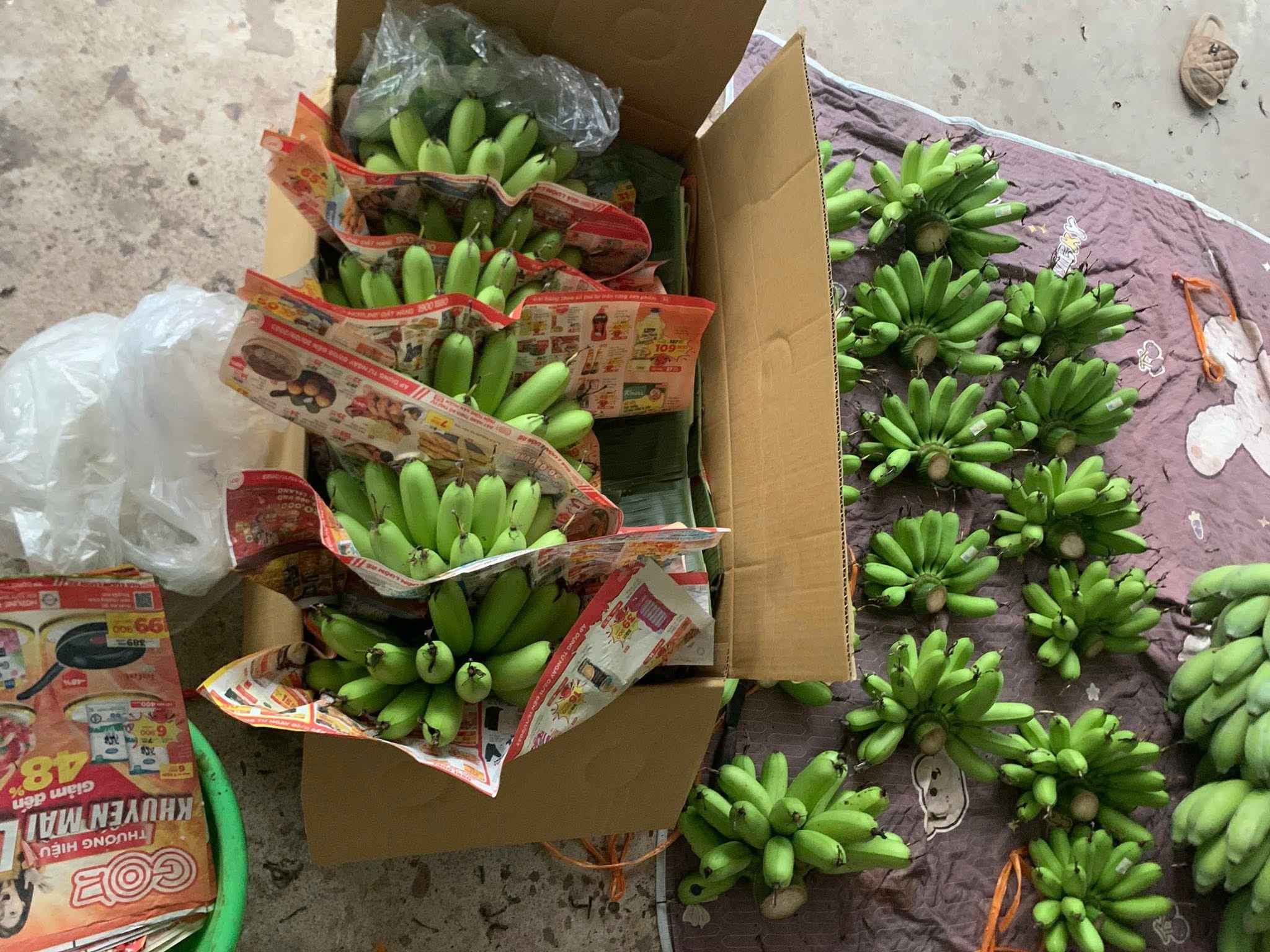
The appeal of Dai Hoang Royal Bananas lies in their combination of appearance, fragrance, texture, and flavor. Compared with many common banana varieties, the most highly prized royal bananas are relatively small, with well-proportioned fruits, thin skins, and attractive yellow coloring when ripe.
The bananas are often arranged neatly along the bunch, creating an elegant appearance that makes them suitable for serving, ceremonial offerings, and gifts.
When fully ripe, high-quality royal bananas develop a delicate aroma, a soft yet pleasantly firm texture, and a naturally sweet flavor. Their taste and physical characteristics are influenced by several factors, including the banana variety, soil conditions, water availability, weather, cultivation practices, and harvesting time.
According to traditional local classifications, Dai Hoang Royal Bananas are commonly described as having three varieties: Chuoi Ngu Trang, Chuoi Ngu Trau, and Chuoi Ngu Mit. Each has its own characteristics in terms of fruit size, skin color, flesh texture, and fragrance.
Chuoi Ngu Trang (White Royal Banana) is characterized by relatively large, rounded fruits with bright yellow, glossy skins when ripe. The flesh is yellow, soft, and fragrant. Its attractive appearance makes it suitable for everyday consumption as well as presentation and gift-giving.
Chuoi Ngu Trau (Trau Royal Banana) also produces relatively large fruits. When ripe, the skin generally develops a pale yellow color, while the flesh is light yellow. Compared with more aromatic royal banana varieties, Chuoi Ngu Trau is traditionally described as having a less pronounced fragrance. These characteristics help distinguish it from other locally recognized varieties.
Chuoi Ngu Mit (Mit Royal Banana) is especially admired for its small, slender fruits, thin skins, and rich golden-yellow color when ripe. The flesh is yellow with a slight pinkish tint, and the bananas are known for their distinctive fragrance and pleasant sweetness. Their elegant appearance and appealing flavor make them a popular choice for gifts and festive occasions.
The differences among these varieties contribute to the diversity of Dai Hoang’s traditional banana cultivation. While each variety has its own qualities, the most desirable fruits are generally those that have developed evenly, retain their natural fragrance, and reach an appropriate stage of ripeness.
In addition to their flavor, royal bananas provide nutritional benefits similar to those of other edible banana varieties. They contain carbohydrates, dietary fiber, potassium, and a range of vitamins and minerals. Bananas can contribute energy and useful nutrients as part of a balanced diet.
However, the precise nutritional composition varies depending on the variety, growing conditions, and degree of ripeness. Claims about exact numbers of vitamins, minerals, or amino acids should be supported by specific laboratory analyses rather than assumed to apply uniformly to every Dai Hoang banana.
Royal bananas are most commonly enjoyed fresh when ripe. Their naturally sweet flavor makes them suitable as a dessert or a light snack, while their attractive appearance allows them to be served as part of traditional fruit arrangements.
When purchasing Dai Hoang Royal Bananas, consumers should look for products with a clear origin, evenly developed fruits, and minimal bruising. The bananas should be stored in a cool, dry, well-ventilated place, with storage time adjusted according to their ripeness and surrounding conditions.
The combination of distinctive flavor, traditional varieties, and cultural significance has helped Dai Hoang Royal Bananas maintain their reputation as a valued specialty of northern Vietnam.
Traditional Banana Cultivation and the 2009 Geographical Indication Recognition
The cultivation of Dai Hoang Royal Bananas is closely associated with the natural conditions of the Chau Giang River region. The surrounding agricultural landscape includes fertile alluvial soils that have supported farming activities for generations.
According to local growers, royal bananas are particularly sensitive to growing conditions. Soil characteristics, moisture levels, drainage, and cultivation methods can all influence fruit development, appearance, and flavor.
Local farmers often describe the variety as “selective about soil and water.” This traditional expression reflects their observation that bananas grown from the same planting material may produce different results when cultivated in different environments.
The reputation of Dai Hoang Royal Bananas therefore depends not only on the plant variety itself but also on the relationship between local growing conditions and accumulated farming knowledge.
Cultivation begins with the selection of healthy planting material suitable for the local environment. Farmers prepare the soil to provide adequate drainage, nutrients, and conditions for root development. Proper spacing and careful management of young plants help ensure that each banana plant has sufficient room to grow.
Throughout the growing period, farmers must pay attention to irrigation, soil fertility, garden sanitation, and the prevention of pests and diseases. Managing suckers is another important task, allowing the main plant to direct more of its resources toward developing a healthy bunch of fruit.
As the banana plant flowers and begins to form fruit, careful maintenance becomes increasingly important. Depending on the weather and cultivation conditions, farmers may support heavy bunches, protect developing fruit, and monitor maturity to determine the most suitable harvesting time.
Harvesting too early can affect the final flavor and texture, while harvesting too late may increase the risk of damage during transportation. Experience is therefore essential in selecting the appropriate stage of maturity for each intended market.
For bananas intended as gifts or ceremonial offerings, visual quality is especially important. Consumers often prefer bunches with evenly arranged fruits, balanced proportions, attractive coloring, and minimal surface damage.
This emphasis on presentation means that farmers must consider not only flavor and productivity but also the appearance of the finished product throughout cultivation, harvesting, sorting, and packaging.
A major milestone in the development of the Dai Hoang Royal Banana brand occurred in 2009, when Vietnam’s Intellectual Property Office issued a geographical indication registration certificate for the product.
Geographical indication protection establishes a recognized relationship between a product’s name, its geographical origin, and the characteristics or reputation associated with that origin.
For traditional agricultural specialties, this form of intellectual property protection can help safeguard regional identity, distinguish authentic products from similar goods produced elsewhere, and support efforts to maintain consistent quality.
The recognition of Dai Hoang Royal Bananas also provides a foundation for promoting the product’s cultural and commercial value.
However, geographical indication protection does not automatically apply to every banana marketed under the general name chuoi ngu. The use of the protected Dai Hoang geographical indication is subject to the relevant geographical boundaries, product specifications, and management requirements.
Maintaining these standards is important for protecting the reputation of the specialty and the interests of producers who comply with the applicable conditions.
As consumer demand for regional agricultural products has developed, traditional specialties such as Dai Hoang Royal Bananas have gained opportunities through agricultural fairs, retail distribution, local specialty stores, and online sales channels.
Appropriate sorting, packaging, transportation, and storage are essential to preserving the fruit’s quality, especially because ripe bananas can be vulnerable to bruising and deterioration.
Demand often increases during the period leading up to Tet, the Vietnamese Lunar New Year, when consumers purchase attractive banana bunches for ancestral offerings and gifts.
For local farmers, this seasonal demand can create valuable opportunities to market carefully selected fruit. At the same time, maintaining a reliable reputation requires attention to product origin, quality, and responsible sales practices.
Looking ahead, the sustainable development of Dai Hoang’s banana-growing tradition depends on protecting suitable planting materials, maintaining soil health, managing water resources, and improving cultivation and post-harvest practices.
These efforts are important not only for agricultural productivity but also for preserving the distinctive characteristics that have made Dai Hoang Royal Bananas a recognized regional specialty.
Dai Hoang Royal Bananas in Tet Traditions and Cultural Tourism
Bananas hold a familiar place in Vietnamese family life, particularly in traditional ceremonies and ancestral worship. In northern Vietnam, a bunch of bananas is often included in the five-fruit tray, or mam ngu qua, displayed on family altars during Tet.
The arrangement carries symbolic meanings associated with family unity, protection, prosperity, and hopes for a fortunate new year. Interpretations vary among households and regions, but fruit offerings remain an important expression of respect for ancestors.
Dai Hoang Royal Bananas are especially valued during festive occasions because of their attractive golden appearance and the cultural prestige associated with their royal tribute legend.
According to local beliefs, presenting beautiful royal bananas on the ancestral altar expresses gratitude toward previous generations and symbolizes wishes for abundance and well-being.
Beyond ceremonial use, the fruit is also purchased as a thoughtful gift for relatives, friends, and business associates. Its reputation as a traditional specialty adds cultural meaning to an otherwise simple agricultural product.
As Tet approaches, demand for Dai Hoang Royal Bananas often rises. Traders and consumers seek out attractive bunches, while growers carefully select, sort, and prepare fruit for transportation.
The sight of banana gardens and freshly harvested bunches forms part of the seasonal agricultural landscape, reflecting the relationship between farming activities and traditional celebrations.
In addition to its culinary and economic significance, Dai Hoang Royal Bananas offer opportunities for agricultural and rural cultural tourism.
Banana gardens provide a setting in which visitors can learn about local farming practices, including planting material selection, soil preparation, plant maintenance, harvesting, and fruit preservation.
These activities can help travelers appreciate the knowledge and effort required to produce a traditional agricultural specialty.
Where farmers and local hosts are prepared to welcome visitors, possible experiences include guided garden visits, explanations of the different royal banana varieties, demonstrations of cultivation techniques, and opportunities to taste ripe fruit.
Such experiences should be arranged according to the growing season, farm conditions, and the consent of the garden owners. Visitors should contact local hosts in advance rather than assume that all banana gardens are open to the public.
An important advantage of Dai Hoang is its potential to combine agricultural experiences with literary heritage tourism.
The village is the birthplace of Nam Cao (1915–1951), whose works occupy a significant place in Vietnamese realist literature. Dai Hoang is widely associated with the fictional Vu Dai Village portrayed in his celebrated short story Chi Pheo.
Visitors interested in Vietnamese literature can explore locations connected with the writer’s life and works, including the historic house popularly known as Ba Kien’s House.
These cultural landmarks provide an opportunity to learn about the social and historical background of Nam Cao’s writing while experiencing the rural environment that helped inspire his literary world.
Traditional cuisine adds another dimension to the journey. Vu Dai Village Braised Fish, known locally as ca kho lang Vu Dai, is one of the area’s most recognizable dishes.
The fish is traditionally prepared in clay pots with a mixture of seasonings and slowly cooked over several hours. This method produces a richly flavored dish that reflects the culinary traditions of northern Vietnam.
While braised fish is admired for its elaborate cooking process and savory flavor, Dai Hoang Royal Bananas are appreciated for their natural sweetness, delicate fragrance, and elegant appearance.
Together, these specialties offer visitors a memorable introduction to the food culture of Nam Cao’s homeland.
A visit to Dai Hoang can therefore combine literary exploration, traditional cuisine, agricultural experiences, and an appreciation of the region’s rural heritage.
Such activities are particularly suitable for cultural travelers, educational groups, food enthusiasts, and visitors interested in understanding the everyday traditions of the Red River Delta.
The development of agricultural tourism may also create opportunities for farmers to sell their products directly to visitors, share their knowledge, and strengthen the reputation of authentic local specialties.
However, tourism initiatives should respect farming activities, protect the environment, and ensure that participating households receive meaningful benefits.
In the broader context of rural development, preserving the reputation of Dai Hoang Royal Bananas requires a balance between agricultural production, cultural heritage, and market opportunities.
Protecting the geographical indication, maintaining the quality of planting materials, improving production practices, and communicating the fruit’s traditional stories can all contribute to the long-term development of the specialty.
Dai Hoang Royal Bananas are far more than a delicious regional fruit. They represent a living connection between the fertile lands of the Chau Giang River, generations of agricultural knowledge, traditional Tet customs, and the cultural heritage of Nam Cao’s homeland. From the legend of royal tribute to the geographical indication recognition granted in 2009, the fruit has maintained a distinctive place in the identity of Dai Hoang. With their delicate fragrance, naturally sweet flavor, and enduring cultural significance, Dai Hoang Royal Bananas remain a treasured specialty of Ninh Binh and a meaningful expression of northern Vietnam’s agricultural and culinary traditions.
Quick Information
| Item | Details |
|---|---|
| Specialty name | Dai Hoang Royal Bananas |
| Vietnamese name | Chuối ngự Đại Hoàng |
| Alternative name | Royal Tribute Bananas (Chuoi Tien Vua) |
| Current location | Dai Hoang area, Nam Ly Commune, Ninh Binh Province, Vietnam |
| Former administrative location | Hoa Hau Commune, Ly Nhan District, Ha Nam Province |
| Geographical setting | Chau Giang River region, Red River Delta |
| Product type | Traditional fruit specialty and agricultural product |
| Distinctive characteristics | Attractive yellow skin, delicate fragrance, naturally sweet flavor |
| Traditional varieties | Chuoi Ngu Trang, Chuoi Ngu Trau, Chuoi Ngu Mit |
| Chuoi Ngu Trang | Relatively large fruits, bright yellow skin, fragrant yellow flesh |
| Chuoi Ngu Trau | Relatively large fruits, pale yellow skin, less pronounced fragrance |
| Chuoi Ngu Mit | Small, slender fruits, deep yellow skin, fragrant flesh with a slight pinkish tint |
| Cultural legend | Traditionally associated with fruit offered as tribute to Vietnamese kings |
| Cultural significance | Traditional gifts, ancestral offerings, and Tet celebrations |
| Protected geographical indication | Dai Hoang Royal Bananas |
| Year of geographical indication registration | 2009 |
| Issuing authority | Intellectual Property Office of Vietnam |
| Growing characteristics | Associated with local soil, water conditions, and traditional farming practices |
| Nutritional value | Provides energy, dietary fiber, potassium, and various vitamins and minerals |
| Common consumption | Eaten fresh when ripe or served as dessert |
| Popular occasions | Everyday consumption, gifts, traditional festivals, and Tet |
| Nearby cultural heritage | Nam Cao’s homeland and the historic house popularly known as Ba Kien’s House |
| Related local specialty | Vu Dai Village Braised Fish |
| Tourism potential | Banana garden visits, agricultural experiences, local food exploration |
| Visitor advice | Arrange farm visits in advance, depending on seasonal conditions |