Nhà Nhì Well is a historical site associated with the courageous battle fought by a seven-member special forces unit of the Quảng Nam Provincial Military Command and local armed resistance fighters on April 26, 1962. At a small, dry well in the sandy coastal area of Điện Ngọc, the revolutionary fighters resisted a vastly larger opposing force, relying on ingenuity, determination and extraordinary courage. Their actions earned them the honored title “The Seven Heroes of Điện Ngọc”, securing a place in the proud history of Quảng Nam’s revolutionary struggle.
The site is located in Điện Bàn Đông Ward, Đà Nẵng City. Today, it serves as a reminder of the resilience, sacrifice and determination of those who fought to defend their homeland.
Historical Background
In February 1962, the Standing Committee of the Quảng Nam Provincial Party Committee decided to establish a steering committee for an uprising campaign in the sandy coastal areas of Điện Bàn and Hòa Vang districts. The campaign was directed by Trần Văn Đán, Deputy Secretary of the Hòa Vang District Party Committee, and Nguyễn Chữ, Deputy Secretary of the Điện Bàn District Party Committee. Its objective was to intensify revolutionary activities, eliminate oppressive local forces and break the opposing administration’s system of control.
To support the campaign, on the evening of April 24, 1962, the Quảng Nam Provincial Military Command deployed a seven-member special forces unit from the mountainous Hiên District to the coastal plain. The unit was led by Lê Tấn Viễn, with Võ Như Hưng as deputy leader. The other members were Nguyễn Thật, Trần Thọ, Trần Nghĩa, Nguyễn Sĩ and Nguyễn Rìu.
Their mission was to coordinate with the Điện Bàn District armed operations team, which was active in Điện Ngọc Commune, then referred to by the opposing side as Thanh Thủy Commune. Together, they planned surprise attacks on local administrative offices and individuals identified by the revolutionary forces as oppressive collaborators.
On the evening of April 25, the special forces unit crossed the river to Tứ Câu Village, where it joined four members of the district armed operations team led by Võ Tiến. The combined force discussed plans to attack targets in Điện Ngọc and Hòa Hải at 5 p.m. the following day.
However, heavy rain during the night left footprints in the sand along the unit’s secret route. Local revolutionary supporters mobilized women to pretend to be heading to market early in the morning and erase the traces. Nevertheless, several informants working for the opposing side discovered the activity.
The Battle at Nhà Nhì Well on April 26, 1962
At approximately 8 a.m. on April 26, 1962, opposing forces advanced toward Điện Ngọc from several directions. Troops from Vĩnh Điện and Hội An, together with Nùng commando forces from Non Nước in Hòa Hải, moved in to surround the area. According to historical accounts, the encircling force numbered more than 2,000 men.
Facing overwhelming odds, the special forces unit and the Điện Bàn District armed operations team fought back while attempting to withdraw and preserve their remaining strength. The clashes grew increasingly fierce. Nguyễn Sĩ and Trần Thọ were killed, followed later by Nguyễn Thật. The surviving fighters continued retreating through Cẩm Sa and Quảng Hậu in Điện Nam Commune before reaching Ngân Câu Hamlet in Điện Ngọc.
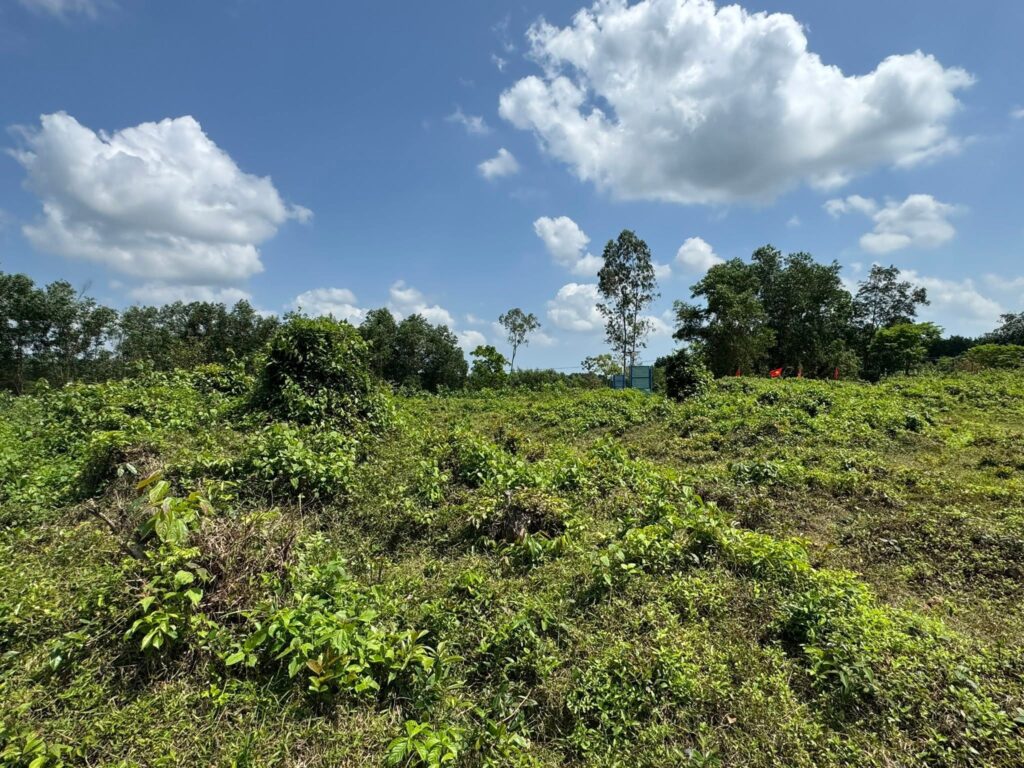
At around 3 p.m., the opposing forces launched repeated assaults from several directions. Under intense fire, the revolutionary fighters withdrew to a dry well belonging to a woman known as Bà Nhì. The well had been dug to provide irrigation water for crops during the dry season. It measured approximately 6.6 meters in diameter and 2 meters in depth, with a shallow layer of water at the bottom. Dense wild pineapple bushes around its perimeter concealed the fighters’ position.
From this improvised defensive position, the fighters continued resisting and repelled six successive attacks. As the afternoon drew to a close, ammunition for their submachine guns was nearly exhausted, leaving only one usable handgun. Unit leader Lê Tấn Viễn instructed Nguyễn Rìu to fire decoy shots while the others watched for M26 grenades thrown into the well and attempted to throw them back.
This tactic turned the opposing force’s own weapons against it, inflicting further casualties. However, as dusk fell, visibility deteriorated, making it increasingly difficult to see the incoming grenades. Several exploded inside the well, killing Trần Nghĩa and Lê Tựu and injuring all the remaining fighters.
After nightfall, opposing troops approached the well to retrieve their dead and tend to their wounded. The revolutionary fighters seized this opportunity to escape. Although lightly wounded, Võ Như Hưng helped Nguyễn Rìu out of the encirclement, while Võ Tiến assisted Lê Tấn Viễn. Secret revolutionary supporters took the survivors to a safe location, where their wounds were treated.
Đặng Xước, who had been gathering intelligence on the opposing forces before the battle, had been shot and wounded in Ngân Giang Hamlet. He was captured, taken to an opposing headquarters and brutally tortured. He subsequently died at the hands of his captors.
The Achievement of the Seven Heroes of Điện Ngọc
According to accounts of the battle, the special forces unit and the Điện Bàn District armed operations team inflicted heavy losses on the opposing forces, with more than 100 enemy combatants reported killed. Despite facing a force many times larger and equipped with superior firepower, the revolutionary fighters continued to resist with determination, composure and tactical ingenuity.
In recognition of their achievement, the fighters became known by the honored title “The Seven Heroes of Điện Ngọc.” They were also awarded the First-Class Liberation Order by the Chairperson of the Central Central Region Committee of the National Liberation Front.
The battle at Nhà Nhì Well was more than a military engagement during the resistance war. It became a symbol of courage and determination among the people of Quảng Nam. The story of the fighters who held their position inside a small, dry well while surrounded by a much larger force remains a powerful reminder of their commitment and sacrifice for their homeland.
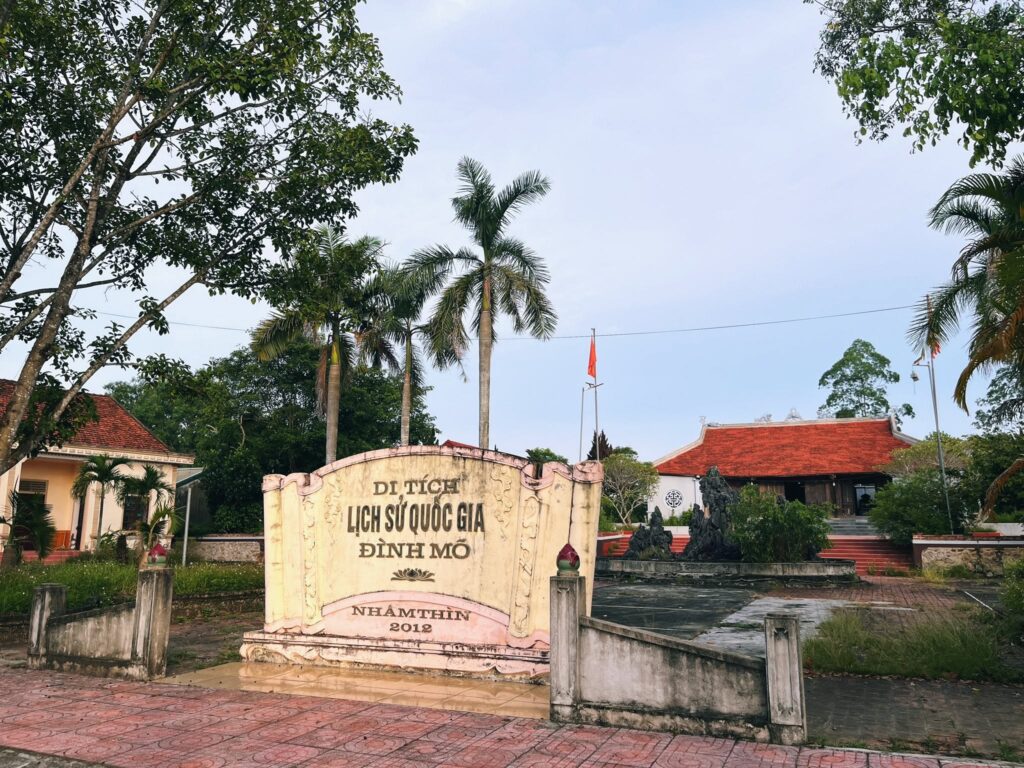
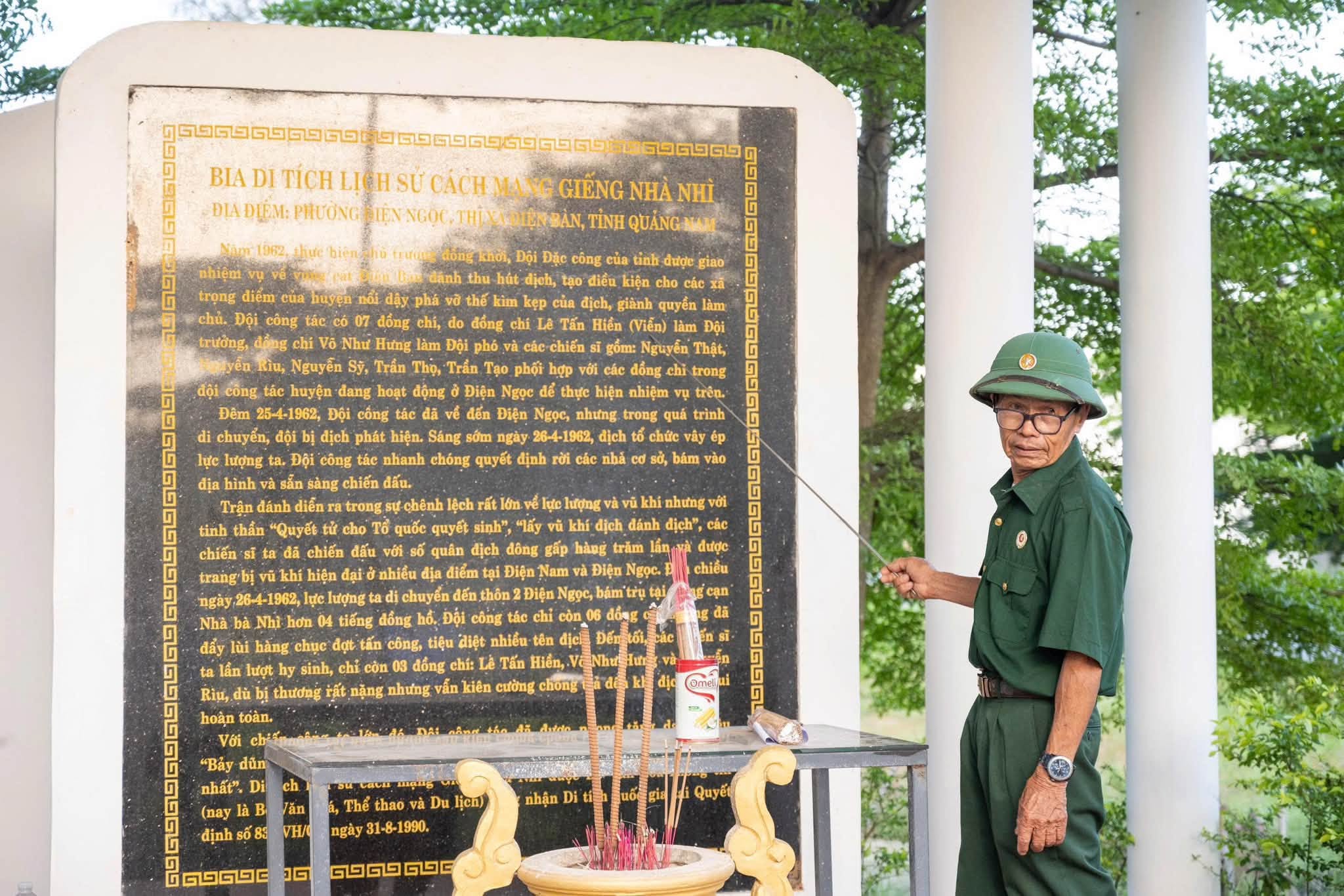
Nhà Nhì Well Historical Site
Once a simple well used by local residents for daily needs and agricultural irrigation, Nhà Nhì Well became inseparably associated with the historic battle of April 26, 1962. Its significance lies in preserving the memory of an unequal confrontation, the soldiers who sacrificed their lives and the survivors who carried the physical and emotional scars of war throughout their lives.
On August 31, 1990, the Ministry of Culture and Information issued Decision No. 839/VH-QĐ, recognizing Nhà Nhì Well as a national historical monument. This designation acknowledged the site’s historical importance and provided a basis for preserving and promoting the revolutionary traditions of the local community.
Today, Nhà Nhì Well is a place of historical remembrance and education. It helps younger generations understand the struggle to defend their homeland and appreciate the sacrifices made by earlier generations. The site also preserves an important chapter in the revolutionary history of Điện Bàn and Quảng Nam.
Quick Information
| Item | Information |
|---|---|
| Name | Nhà Nhì Well |
| Historical association | The Battle of the Seven Heroes of Điện Ngọc |
| Location | Điện Bàn Đông Ward, Đà Nẵng City, Vietnam |
| Historical event | Battle of April 26, 1962 |
| Participating forces | Quảng Nam Provincial Military Command special forces and the Điện Bàn District armed operations team |
| Honorary title | The Seven Heroes of Điện Ngọc |
| Award | First-Class Liberation Order |
| Historical significance | Commemorates the courage, resistance and sacrifice of revolutionary fighters |
| Heritage status | National historical monument |
| Recognition decision | Decision No. 839/VH-QĐ, dated August 31, 1990 |