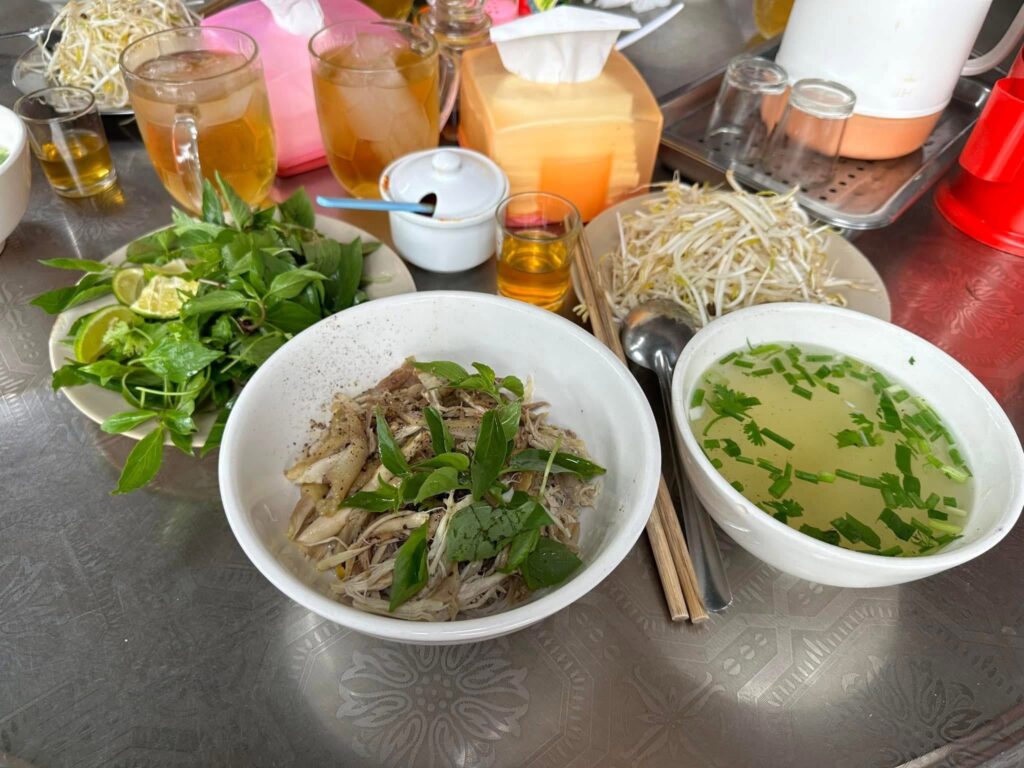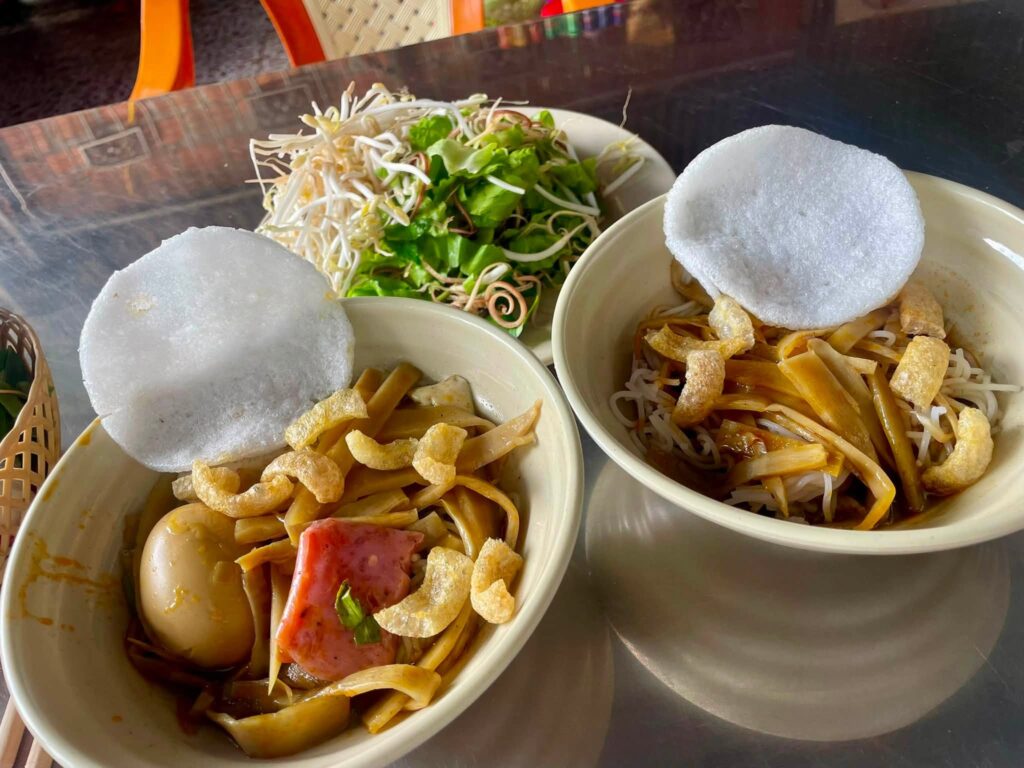
Ninh Binh Mountain Goat, known in Vietnamese as Dê núi Ninh Bình, is one of the most celebrated culinary specialties of the ancient capital region of Hoa Lu. Renowned for its firm texture, distinctive flavor, and remarkable variety of traditional preparations, mountain goat has become an essential part of the food culture of Ninh Binh Province.
Surrounded by the dramatic limestone mountains of Trang An, Tam Coc–Bich Dong, and the lush valleys of northern Vietnam, Ninh Binh offers a landscape that has shaped both its cultural heritage and its local cuisine. Goat farming has long contributed to the region’s agricultural traditions, while dishes prepared from goat meat have become increasingly popular among domestic and international visitors.
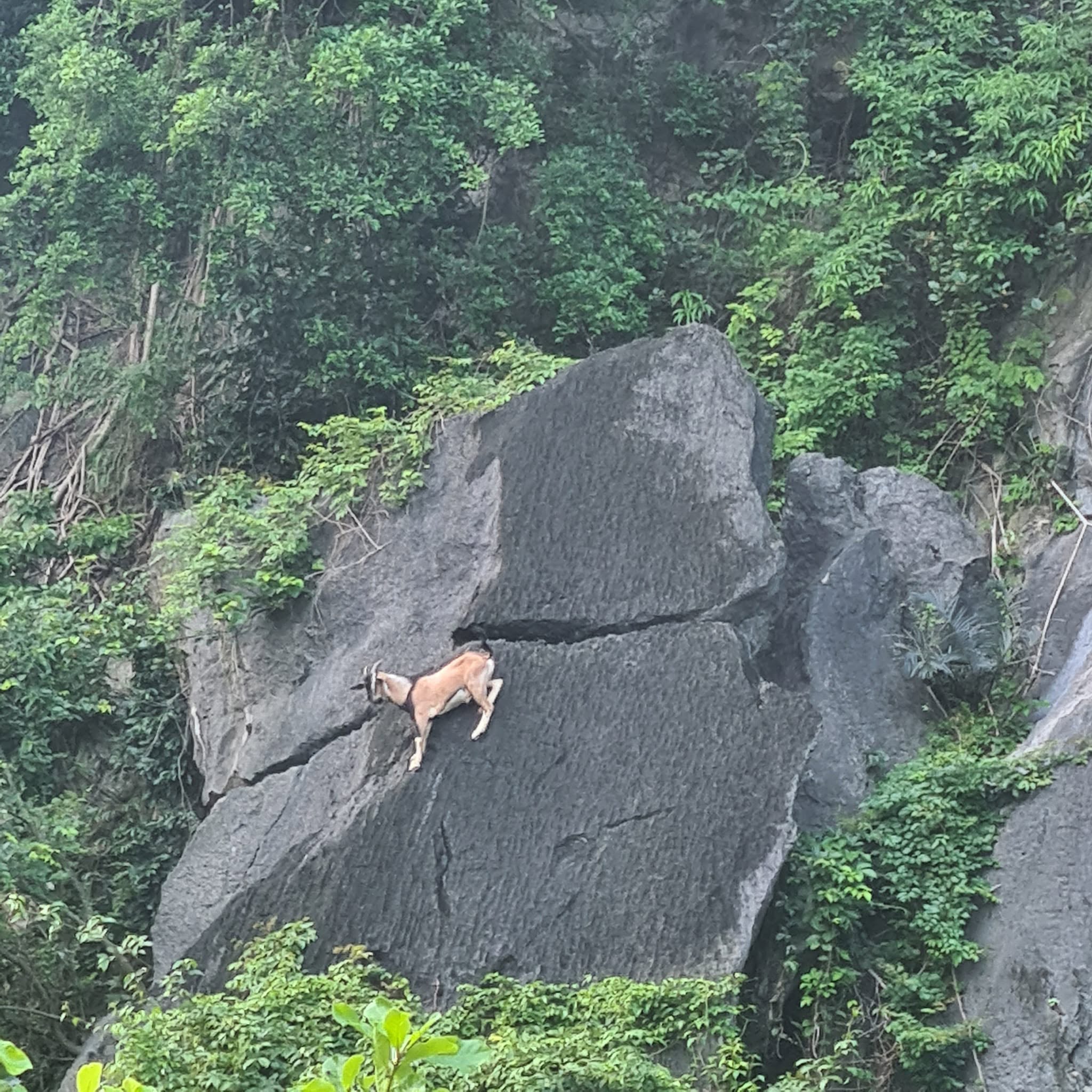
One of the distinguishing features of Ninh Binh mountain goat is its association with limestone terrain and traditional livestock-raising practices. Goats are naturally agile animals capable of navigating rocky slopes and feeding on grasses, leaves, and other suitable vegetation. According to local farming experience, regular movement and varied diets contribute to the characteristic firmness and flavor of meat produced under these conditions.
From this versatile ingredient, local cooks have developed numerous dishes, including lemon-marinated goat, steamed goat, grilled goat, stir-fried goat with lemongrass and chili, pan-seared goat, herbal goat stew, and traditional goat rolls. Each preparation offers a different combination of textures, aromas, and seasonings, reflecting the creativity of the region’s culinary traditions.
Mountain goat dishes are also frequently enjoyed with Ninh Binh crispy rice, another famous regional specialty. The combination of richly seasoned goat meat and crunchy rice creates one of the most recognizable dining experiences associated with the ancient capital.
According to local culinary accounts, in 2012, Ninh Binh mountain goat and crispy rice were recognized by the Vietnam Records Center among the Top 50 Famous Vietnamese Specialty Dishes. Goat dishes from Ninh Binh, particularly lemon-marinated goat, have also attracted attention on international food-ranking platforms.
Today, mountain goat is more than a popular regional dish. It is an important part of Ninh Binh’s culinary identity, connecting local farming traditions, traditional cooking knowledge, and tourism. From restaurants near major heritage attractions to establishments specializing in regional cuisine, mountain goat continues to introduce visitors to the distinctive flavors of Vietnam’s ancient capital.
Origins and Distinctive Characteristics of Ninh Binh Mountain Goat
Ninh Binh lies at the transition between the Red River Delta and the limestone highlands of northern Vietnam. Its landscape features rocky mountains, valleys, rivers, wetlands, and agricultural fields.
The limestone formations around Hoa Lu, Trang An, and surrounding areas provide a distinctive natural environment suited to the climbing and foraging behavior of goats.
Within this setting, goat raising developed as part of local agricultural livelihoods and eventually became closely associated with the region’s food culture.
Mountain Goats and the Natural Environment of Hoa Lu
Unlike livestock-raising regions dominated by broad, flat grasslands, Ninh Binh’s limestone areas feature uneven terrain, steep slopes, rocky outcrops, and vegetation growing between mountain crevices.
Goats are well adapted to navigating such environments.
They can move across rocky slopes and forage on suitable grasses, leaves, and other plants.
According to local livestock-raising experience, frequent movement and varied feeding conditions contribute to the characteristics of the meat.
However, not every goat sold under the name Ninh Binh mountain goat is necessarily raised entirely through free-range grazing.
Actual farming methods may vary between households and suppliers.
Meat quality also depends on breed, age, nutrition, animal care, and handling after slaughter.
The reputation of the specialty is therefore linked not only to the natural landscape but also to responsible livestock management and appropriate food preparation.
Characteristics of Ninh Binh Goat Meat
Ninh Binh mountain goat is commonly described as having firm flesh, relatively little fat, and a rich, distinctive flavor.
Compared with some other livestock meats, goat meat has its own texture and aroma, making it suitable for numerous cooking methods.
When carefully selected and properly prepared, the meat can retain its natural sweetness and achieve a pleasant balance between tenderness and firmness.
Ingredient quality is especially important in steamed goat and lemon-marinated goat dishes, where the preparation emphasizes the meat’s natural flavor.
Grilled, stir-fried, and stewed dishes allow cooks to incorporate stronger seasonings and develop different flavor profiles.
This versatility is one reason mountain goat has become a central ingredient in Ninh Binh’s regional cuisine.
Nutritional Value of Goat Meat
Goat meat provides protein and several important micronutrients, including iron, zinc, and B vitamins.
Its fat content varies depending on the cut, breed, age of the animal, and preparation method.
Lean cuts generally contain less fat than portions with substantial visible fat.
However, the nutritional composition of a complete dish also depends on added oils, sauces, seasonings, and accompanying ingredients.
For example, steamed goat prepared with aromatic herbs differs considerably from goat fried or stir-fried in large amounts of oil.
For a balanced meal, diners can enjoy moderate portions of goat meat alongside vegetables, rice, and other foods.
From Local Food Tradition to a Culinary Symbol of Ninh Binh
Historically, goat meat was prepared for family meals, gatherings, and community occasions.
As tourism expanded in Ninh Binh, goat dishes became increasingly common on restaurant menus.
The wide range of cooking methods made the specialty appealing to visitors with different tastes.
Over time, mountain goat developed into one of the province’s most recognizable culinary symbols.
It is frequently introduced alongside crispy rice and other regional foods when promoting the cuisine of Hoa Lu and the surrounding heritage landscape.
Famous Ninh Binh Mountain Goat Dishes to Try
One of the greatest attractions of Ninh Binh mountain goat is the variety of ways it can be prepared.
Using the same principal ingredient, local cooks create dishes with remarkably different textures and flavors.
From delicately steamed meat to aromatic grilled preparations, each dish demonstrates the flexibility of Vietnamese cooking techniques and traditional seasonings.
Lemon-Marinated Goat – Ninh Binh’s Signature Dish
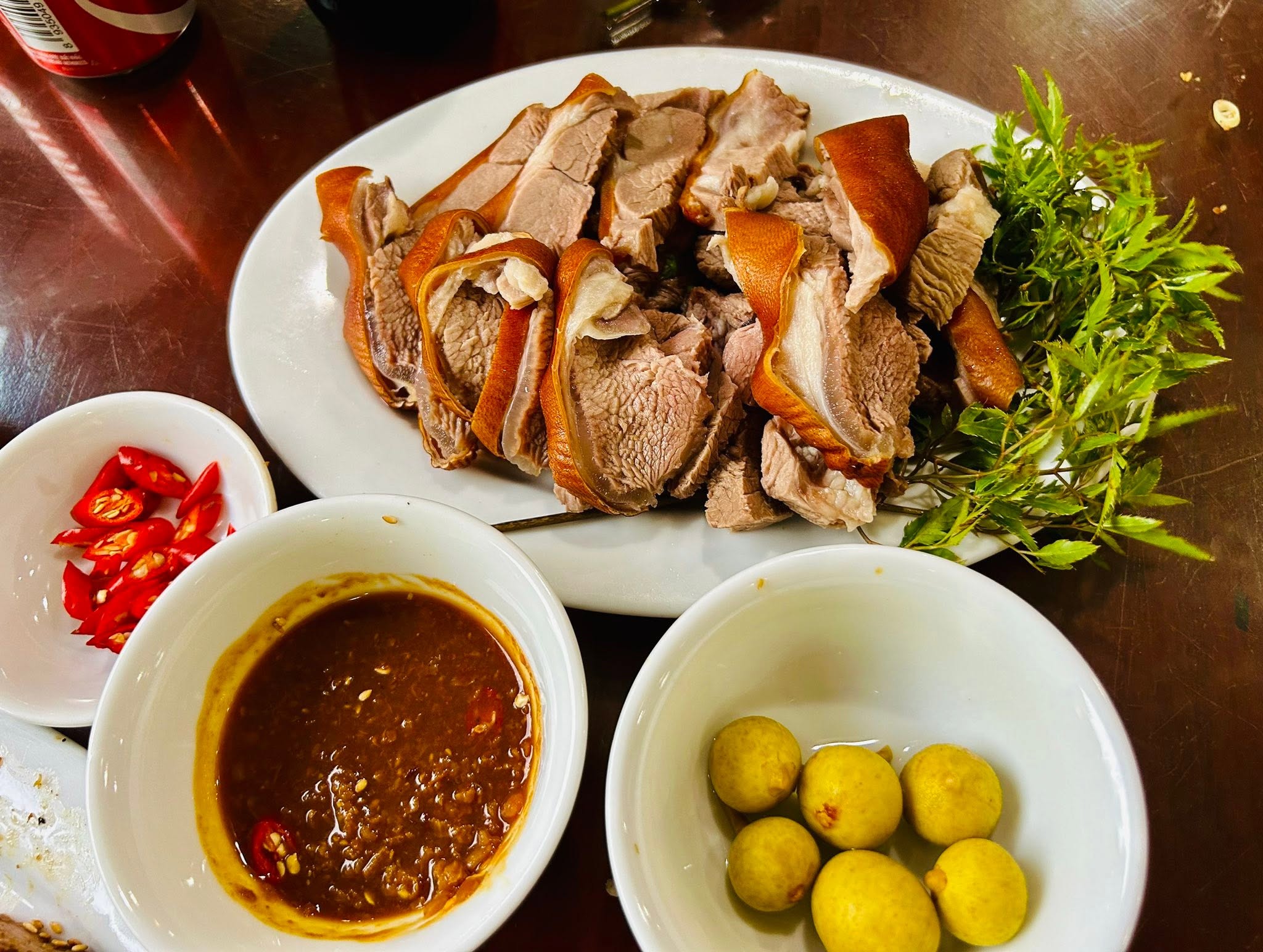
<italic>Dê tái chanh</italic>, commonly described in English as lemon-marinated goat, is among the best-known goat dishes associated with Ninh Binh.
The meat is sliced thinly, appropriately heat-treated, and mixed with lime or lemon juice, lemongrass, ginger, kaffir lime leaves or other aromatic leaves, and seasonings according to the recipe.
Some preparations include toasted sesame seeds, fresh herbs, and additional ingredients to enhance the flavor.
The finished dish typically offers a refreshing citrus tang, the fragrance of lemongrass, and the distinctive sweetness and texture of goat meat.
It may be served with fresh herbs, fig leaves, rice crackers, and dipping sauces.
An important food safety consideration is that citrus juice does not replace proper cooking.
Goat meat should be heat-treated to a safe temperature before being mixed with citrus and seasonings, particularly when served to children, pregnant women, older adults, or people with weakened immune systems.
Steamed Goat – Preserving the Meat’s Natural Flavor
Steamed goat is an excellent choice for diners who want to appreciate the natural characteristics of the meat.
The goat is commonly combined with ginger, lemongrass, or aromatic leaves before being steamed until thoroughly cooked.
This cooking method can limit the need for added oil and help retain moisture when carefully managed.
The meat is typically sliced into bite-sized portions and served with fresh herbs and dipping sauce.
Its final flavor depends heavily on ingredient quality, steaming time, and the accompanying sauce.
Grilled Goat – Rich Aromas from the Fire
Grilled goat is popular for its distinctive aroma and flavorful exterior.
The meat is cut into suitable portions and marinated with ingredients such as lemongrass, garlic, pepper, and other seasonings.
It is then cooked over charcoal or using specialized grilling equipment.
When prepared correctly, the surface develops an appealing roasted flavor while the interior remains tender and moist.
Grilled goat is often served with fresh vegetables, cucumber, and dipping sauces.
To maintain quality and food safety, the meat should be cooked thoroughly without excessive charring.
Stir-Fried Goat with Lemongrass and Chili
Stir-fried goat with lemongrass and chili is a strongly flavored dish suited to diners who enjoy fragrant, spicy food.
Thin slices of goat meat are marinated and quickly stir-fried with lemongrass, chili, garlic, and other ingredients.
The fragrance of lemongrass combines with the heat of chili to create a lively, savory dish.
It is commonly served hot with steamed rice or as part of a shared meal.
Cooking time must be carefully controlled to ensure that the meat is thoroughly cooked without becoming excessively dry or tough.
Pan-Seared Goat – A Contemporary Preparation
Pan-seared goat is a preparation used by many restaurants to add variety to their menus.
Suitable cuts of goat meat are seasoned and cooked in a hot pan.
This method develops color and aroma on the surface while allowing the cook to manage the texture of the meat.
Depending on the recipe, pan-seared goat may be accompanied by butter, garlic, pepper, or different sauces.
The dish illustrates how a traditional regional ingredient can be adapted to contemporary cooking styles.
Herbal Goat Stew – A Fragrant, Slow-Cooked Dish
Herbal goat stew combines goat meat with selected herbs and ingredients commonly used in traditional Vietnamese slow-cooked dishes.
The meat is simmered until it reaches the desired tenderness.
The broth develops the distinctive aromas of the herbs and spices included in the recipe.
Ingredients may vary considerably between restaurants.
Although herbal goat stew is often promoted as nourishing, it should not be considered a medical treatment.
People with specific health conditions or dietary restrictions should check the ingredients before consuming dishes containing medicinal-style herbs.
Traditional Goat Rolls – A Creative Regional Specialty
Traditional goat rolls, or nem dê, demonstrate another way local cooks use goat meat.
Depending on the recipe, the meat may be combined with roasted rice powder, herbs, seasonings, and other ingredients.
The resulting dish may be served as an appetizer or as part of a larger meal.
Because nem preparations vary, diners should ask about the ingredients and whether the meat has been fully cooked, particularly when considering fermented or minimally cooked versions.
Mountain Goat Served with Ninh Binh Crispy Rice
Alongside mountain goat, crispy rice is one of Ninh Binh’s most recognizable specialties.
Golden, crunchy pieces of rice are often served with flavorful sauces or savory meat dishes.
The combination of crispy rice and richly seasoned goat creates a contrast between crunchiness and tenderness.
These two specialties are frequently presented together when introducing visitors to the food culture of the ancient capital.
Cultural Significance and Recognition of Ninh Binh Mountain Goat
Ninh Binh mountain goat is valued not only for its taste but also for its connection to the local landscape, livestock-raising practices, and culinary traditions.
As tourism has developed, the specialty has become an important part of the province’s identity.
Mountain Goat in the Culinary Culture of Ancient Hoa Lu
Ninh Binh’s cuisine reflects the meeting of lowland agriculture, limestone mountains, and river environments.
Traditional dishes often make use of locally available ingredients and familiar Vietnamese seasonings.
Mountain goat is an example of the relationship between natural conditions and culinary knowledge.
From livestock raising and meat selection to seasoning and cooking, the specialty reflects practical experience developed within local communities.
Goat dishes are frequently served at gatherings, celebrations, and meals welcoming visitors.
They have become a familiar way of introducing the distinctive food culture of Hoa Lu.
Recognition Among Vietnam’s Top 50 Famous Specialty Dishes
According to local culinary accounts, in 2012, Ninh Binh mountain goat and crispy rice were recognized by the Vietnam Records Center among the Top 50 Famous Vietnamese Specialty Dishes.
This recognition is frequently mentioned in descriptions of Ninh Binh’s regional cuisine.
Inclusion in culinary promotion lists can help raise awareness of local food traditions and attract visitor interest.
However, such recognition should be distinguished from certification of the quality, geographical origin, or food safety standards of individual restaurants and suppliers.
Lemon-Marinated Goat and International Culinary Attention
Vietnamese goat dishes, including lemon-marinated goat, have also appeared on international food platforms and culinary ranking lists.
Some reports published in 2026 refer to dê tái chanh as being ranked among highly rated goat meat dishes worldwide.
However, the precise ranking, publication date, and evaluation criteria should be checked against the original ranking and its publisher.
Culinary rankings may use different methodologies and can change over time.
For that reason, a position on a food-ranking website should not be presented as a permanent or official global title.
Nevertheless, international attention provides opportunities to introduce Ninh Binh’s culinary traditions to overseas audiences.
The Role of Mountain Goat in Ninh Binh Tourism
Ninh Binh is home to major attractions such as the Trang An Landscape Complex, Tam Coc–Bich Dong, and the ancient capital of Hoa Lu.
Alongside sightseeing, regional cuisine is an important part of the visitor experience.
Restaurants specializing in mountain goat provide additional dining choices and encourage travelers to explore the province’s culinary traditions.
The specialty also supports related economic activities, including livestock raising, food supply, processing, and restaurant services.
When responsibly managed, these activities can create employment opportunities and contribute to local incomes.
Protecting the Reputation of Ninh Binh Mountain Goat
The popularity of the specialty creates a responsibility to maintain its reputation.
Businesses using the name Ninh Binh mountain goat should provide accurate information about ingredient origins and production methods.
Restaurants and suppliers should prioritize traceability, food hygiene, and consistent product quality.
Preserving traditional recipes, preparation techniques, and local seasoning practices is equally important.
Combining reliable quality with authentic cultural storytelling can help strengthen the specialty’s long-term reputation.
Enjoying Ninh Binh Mountain Goat – A Culinary Guide for Travelers
Tasting mountain goat is one of the most memorable culinary experiences available to visitors exploring Ninh Binh.
After visiting limestone landscapes and historical sites, travelers can choose from a variety of goat dishes to discover the flavors of the ancient capital.
Selecting suitable dishes and reputable restaurants can make the experience more enjoyable.
Enjoying Mountain Goat During a Ninh Binh Journey
Goat dishes appear on the menus of many restaurants in Ninh Binh, particularly in areas with established tourism services.
Visitors can combine a traditional goat meal with excursions to Trang An, Tam Coc–Bich Dong, or the historical sites of Hoa Lu.
After boat trips, mountain walks, or heritage exploration, a meal featuring local specialties provides another perspective on the destination.
For groups, ordering several dishes prepared in different styles allows everyone to experience the ingredient’s versatility.
Which Goat Dish Should First-Time Visitors Try?
For first-time visitors, steamed goat is a good starting point because it highlights the meat’s natural flavor.
Lemon-marinated goat is suitable for those who enjoy refreshing citrus notes and aromatic herbs.
Diners who prefer stronger flavors may enjoy grilled goat, stir-fried goat with lemongrass and chili, or pan-seared goat.
Herbal goat stew offers a different experience, with tender meat and a fragrant broth.
Ordering several dishes in moderate portions can provide variety while reducing food waste.
How to Choose a Mountain Goat Restaurant
When choosing a restaurant, visitors should consider ingredient sourcing, food safety, and menu transparency.
Useful considerations include:
- Meat sourcing: Prefer establishments that provide clear information about their suppliers and food storage practices.
- Cooking methods: Choose dishes prepared safely and appropriately for individual dietary needs.
- Menu and prices: Check whether dishes are priced per portion, per dish, or by weight before ordering.
- Dining environment: Consider location, cleanliness, seating capacity, and service conditions.
- Recent customer feedback: Read recent reviews while considering your own preferences and expectations.
Prices vary between restaurants according to the meat, preparation method, and portion size.
Visitors should consult current menus rather than relying on a single general price estimate.
Food Safety Considerations
Goat meat should be properly sourced, stored, and cooked.
For dishes described as lemon-marinated or lightly cooked, diners should remember that the acidity of citrus juice does not guarantee food safety.
Meat that has not received sufficient heat treatment may pose a foodborne illness risk.
Grilled and pan-seared dishes should also be cooked thoroughly, avoiding situations where the outside is charred but the interior remains undercooked.
Travelers with dietary restrictions or sensitivities to particular herbs and spices should ask about the ingredients before ordering.
Combining Mountain Goat with Other Ninh Binh Specialties
Ninh Binh offers numerous foods reflecting the traditions of northern Vietnam.
Crispy rice is one of the most familiar accompaniments to mountain goat dishes.
A shared meal might include steamed goat, grilled goat, or stir-fried goat alongside crispy rice, fresh vegetables, and a light soup.
The combination of different flavors and textures makes the meal more varied and satisfying.
For visitors interested in local culture, tasting regional specialties also provides insight into traditional eating habits and culinary creativity.
Developing Sustainable Culinary Tourism
Ninh Binh mountain goat has significant potential to continue developing as a distinctive culinary tourism product.
However, the expansion of livestock farming and food businesses should be balanced with environmental protection, responsible sourcing, and food safety.
In areas containing sensitive limestone landscapes or protected heritage values, grazing activities must comply with applicable land, forest, and heritage management regulations.
Transparent information about ingredient origins is also important for maintaining consumer trust.
Introducing visitors to the landscape, livestock-raising traditions, and cooking techniques behind the specialty can deepen their understanding of the region.
By combining culinary quality, cultural preservation, and responsible tourism, Ninh Binh mountain goat can remain an important part of the ancient capital’s identity.
Ninh Binh Mountain Goat is one of the defining culinary specialties of the ancient capital region of Hoa Lu, where limestone landscapes, traditional livestock-raising experience, and local cooking techniques contribute to a distinctive food culture. From lemon-marinated and steamed goat to grilled, stir-fried, stewed, and traditional goat roll preparations, each dish offers a different expression of the ingredient’s flavor and versatility. More than a popular meal for travelers, mountain goat helps promote Ninh Binh’s cultural identity, supports tourism-related livelihoods, and preserves valuable culinary knowledge. Protecting the specialty’s quality, origin, and traditional character will help ensure its sustainable development and continued appeal to visitors from Vietnam and around the world.
Quick Information
| Item | Details |
|---|---|
| Specialty name | Ninh Binh Mountain Goat |
| Vietnamese name | Dê núi Ninh Bình |
| Location | Ninh Binh Province, Vietnam |
| Area associated with the specialty | Hoa Lu and surrounding limestone mountain areas |
| Culinary region | Red River Delta, northern Vietnam |
| Food category | Traditional regional specialty |
| Main ingredient | Goat meat |
| Traditional farming method | Grazing in suitable mountainous environments |
| Characteristic natural environment | Limestone mountains, rocky slopes, and valleys |
| Typical forage in grazing systems | Grasses, leaves, and suitable natural vegetation |
| Commonly described meat characteristics | Firm texture, relatively low fat, distinctive flavor |
| Notable nutrients | Protein, iron, zinc, and B vitamins |
| Signature dish | Lemon-marinated goat (dê tái chanh) |
| Other popular dishes | Steamed goat, grilled goat, lemongrass and chili stir-fried goat, pan-seared goat, herbal goat stew, and traditional goat rolls |
| Common seasonings | Lemongrass, ginger, citrus, garlic, pepper, chili, and fresh herbs |
| Frequently paired specialty | Ninh Binh crispy rice (cơm cháy Ninh Bình) |
| Reported culinary recognition | Top 50 Famous Vietnamese Specialty Dishes, 2012 |
| Organization associated with the recognition | Vietnam Records Center |
| International culinary attention | Lemon-marinated goat has been mentioned in international food rankings; exact rankings require verification |
| Cultural significance | Livestock-raising knowledge, traditional cooking techniques, and the culinary heritage of ancient Hoa Lu |
| Tourism role | Regional dining specialty and part of Ninh Binh’s culinary tourism identity |
| Nearby attractions | Trang An Landscape Complex, Tam Coc–Bich Dong, and the ancient capital of Hoa Lu |
| Dining advice | Choose reputable restaurants and check menus and ingredient sourcing |
| Food safety advice | Prefer goat meat that has been thoroughly and safely cooked |
| Development priorities | Brand protection, ingredient traceability, sustainable livestock farming, and culinary tourism |