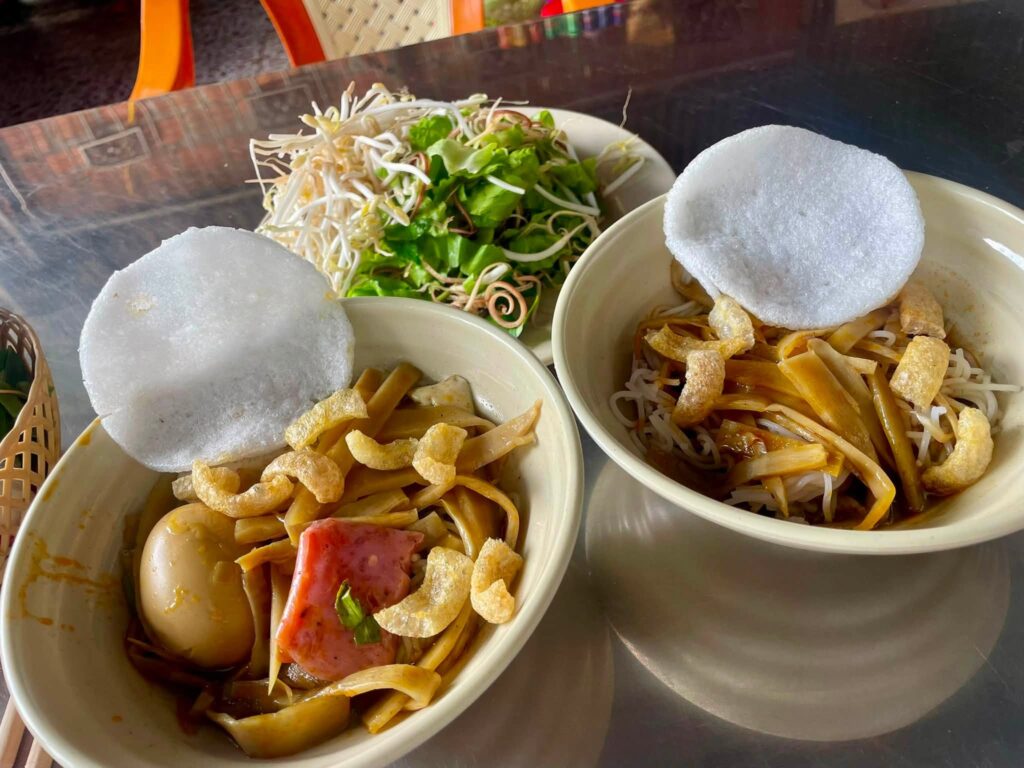


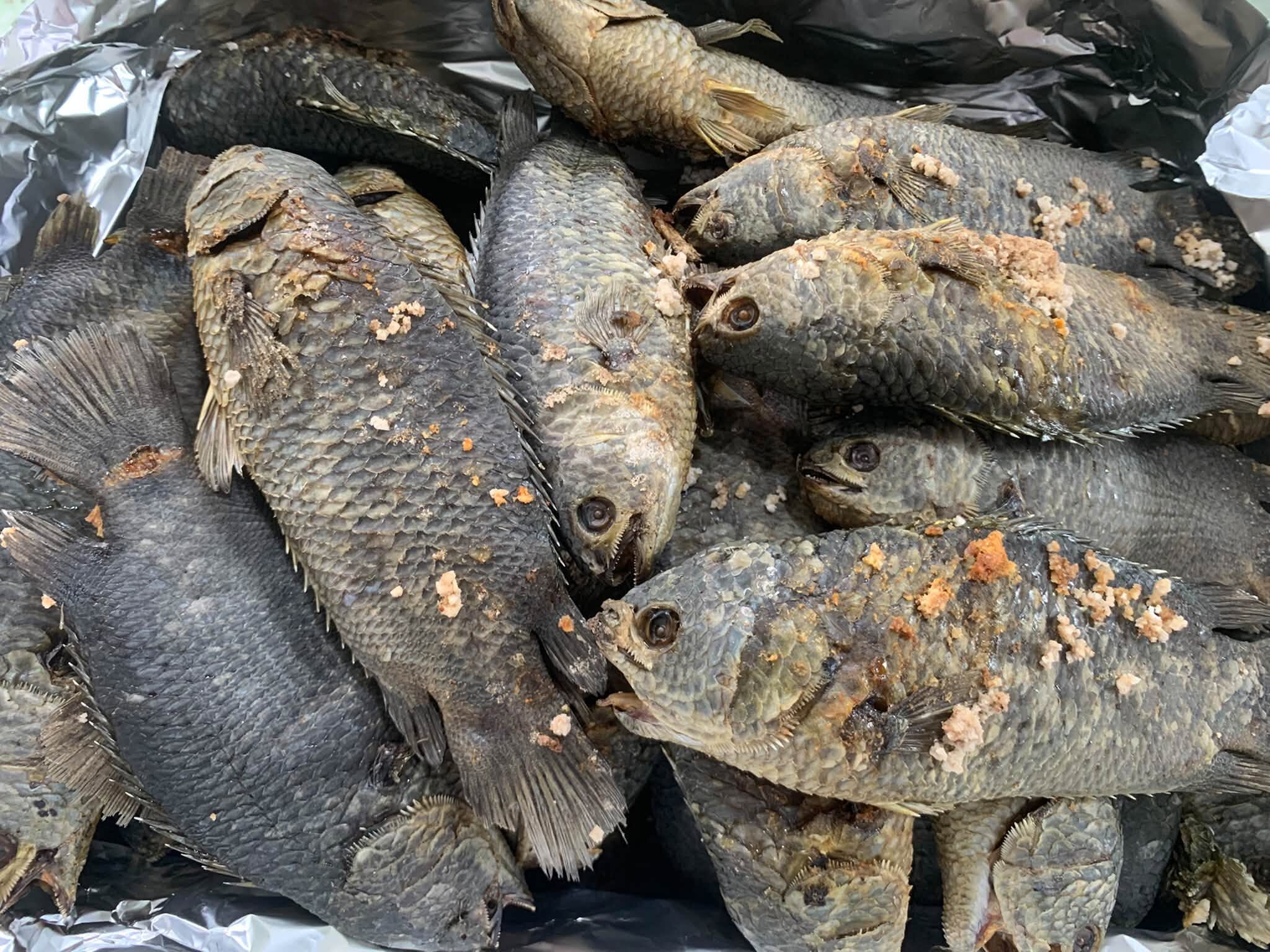
Tong Truong Climbing Perch, known in Vietnamese as Cá rô Tổng Trường and traditionally referred to as Royal Tribute Fish (Cá tiến vua), is one of the distinctive culinary specialties of Hoa Lu Ancient Capital in Ninh Binh Province, Vietnam. This humble freshwater fish is prized for its firm texture, rich flavor, natural sweetness, and versatility in traditional dishes such as dry-roasted fish, braised fish, crispy fried fish, and climbing perch soup with mustard greens. Beyond its culinary appeal, Tong Truong climbing perch is associated with local legends, historical traditions, and the cultural heritage of the region that once served as the capital of Dai Co Viet.
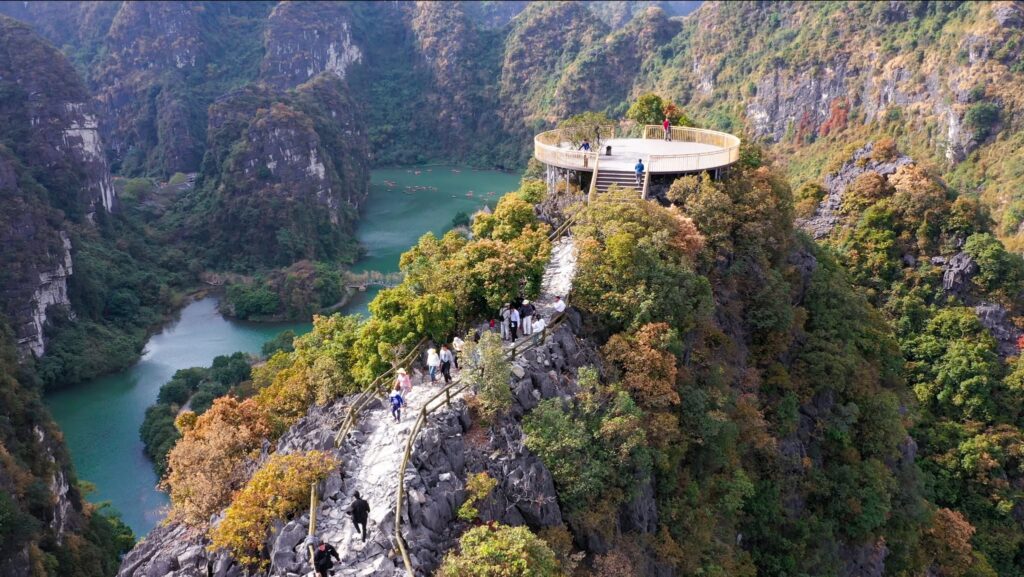
Surrounded by towering limestone mountains, Hoa Lu is characterized by wetlands, flooded valleys, ponds, and natural cave systems that provide habitats for numerous freshwater species. Among them, climbing perch caught in the former Tong Truong area became particularly well known for its flavorful, firm, and pleasantly rich flesh. According to local tradition, the finest fish from these waters were once selected as offerings to the royal court, giving rise to the name Royal Tribute Fish and making the specialty a source of local pride.
Unlike elaborate dishes that rely on complex presentation, Tong Truong climbing perch is appreciated for the simplicity and refinement of its preparation. Using familiar ingredients such as ginger, fish sauce, pepper, shallots, and mustard greens, local cooks have developed a variety of dishes with distinctive flavors. Small fish may be slowly dry-roasted in clay pots until golden and crisp, while larger fish can be braised with seasonings, fried until fragrant, or deboned and used in a delicate vegetable soup. Each cooking method reflects culinary knowledge and traditions passed down through generations.
Today, alongside Ninh Binh mountain goat and crispy rice, Tong Truong climbing perch continues to be introduced as a regional specialty closely connected to the identity of Hoa Lu. For travelers interested in Vietnamese food culture, discovering this historic dish offers an opportunity to explore the relationship between the natural environment, local traditions, and everyday life in Vietnam’s ancient capital.
Origins of Tong Truong Climbing Perch and the Royal Tribute Fish Legend
The name Tong Truong climbing perch originates from the former Tong Truong area of Hoa Lu, a region characterized by wetlands surrounded by limestone mountains. This distinctive landscape includes rivers, ponds, flooded valleys, and natural caves formed through geological processes over millions of years. These aquatic environments support a variety of freshwater species, including climbing perch, a fish traditionally caught and consumed by local communities.
According to local experience, climbing perch from the Tong Truong wetlands is particularly valued for its firm, rich, and flavorful meat. These qualities are commonly associated with the aquatic environment, natural food sources, and growing conditions of the fish. Over time, climbing perch caught in the area gained a reputation as a regional delicacy and became closely identified with its place of origin.
The legend of Tong Truong climbing perch being presented to the king has been passed down through generations. According to local accounts, the finest fish caught in the wetlands of Hoa Lu were once selected as tribute for the royal court when the region served as the capital. The name Royal Tribute Fish consequently became associated with the specialty, connecting it to the Dinh and Early Le dynasties, which ruled Dai Co Viet during the tenth century. Although this story is primarily preserved through local oral traditions and regional culinary accounts rather than fully documented historical records, it remains an important expression of the community’s pride in its native produce.
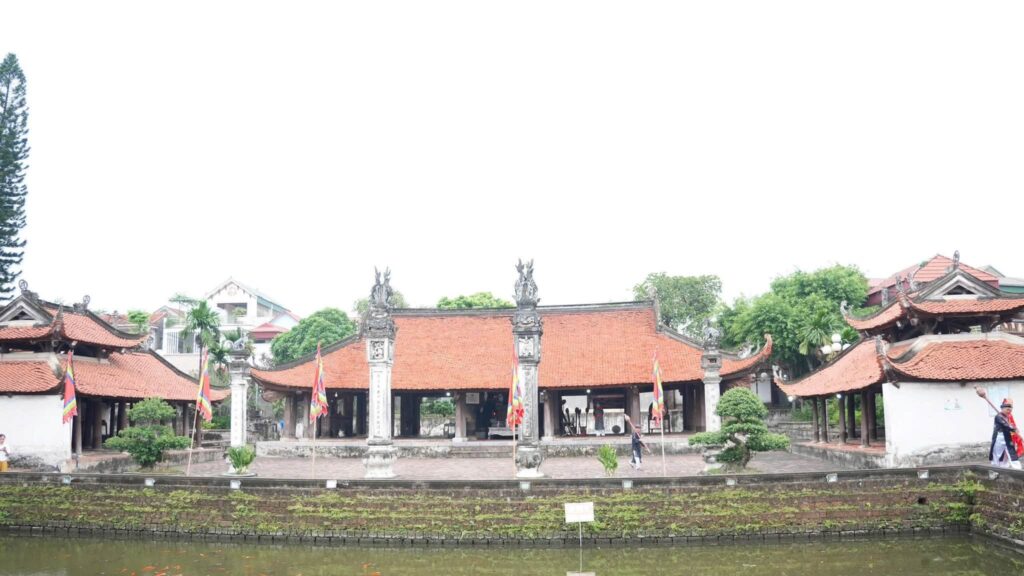
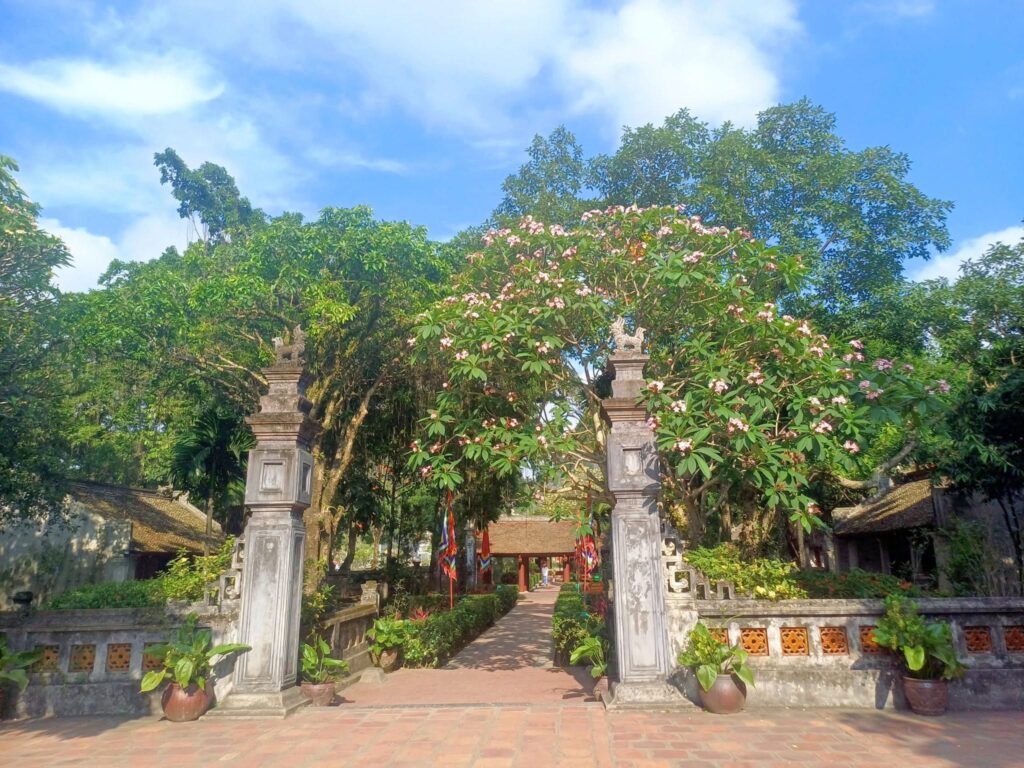
Another interesting cultural detail is the fish-transforming-into-a-dragon motif, which is mentioned in descriptions of the architectural decorations at King Le Temple within the Hoa Lu Ancient Capital heritage complex. According to local accounts, a carving in the ceremonial hall area depicts a mythical creature with a dragon-like head and a body retaining fish-like features. Some traditional interpretations associate this image with Tong Truong climbing perch, viewing it as a symbol of the fish’s place in the spiritual life of Hoa Lu residents. However, the fish-to-dragon transformation is a widespread motif in Vietnamese traditional art, and any direct identification of the carved fish as Tong Truong climbing perch requires further historical and artistic verification.
From a cultural perspective, the significance of Tong Truong climbing perch extends beyond its reputation as a royal offering. It reflects the close relationship between the inhabitants of the ancient capital and their surrounding aquatic environment. In an agricultural landscape filled with ponds and wetlands, freshwater fish formed an important part of the local diet. Traditional cooking techniques such as roasting, braising, frying, and preparing soup have continued to shape the region’s culinary identity, connecting modern family meals with the cultural memory of Hoa Lu.
Characteristics of Tong Truong Climbing Perch and Its Limestone Wetland Habitat
Tong Truong climbing perch is generally described as climbing perch associated with the former Tong Truong area rather than a scientifically established separate species. The common climbing perch, usually identified by the scientific name Anabas testudineus, is widely distributed in freshwater environments across Vietnam. It is capable of living in rice fields, ponds, marshes, and other aquatic habitats with abundant vegetation. Differences in habitat, however, may influence growth, size, coloration, and meat characteristics.
The Hoa Lu region has a distinctive landscape in which limestone mountains alternate with low-lying valleys, ponds, wetlands, and cave systems. According to local observations, climbing perch may seek deeper water, rocky crevices, or more thermally stable aquatic areas during colder periods. Wetland habitats also provide diverse food sources, including small aquatic organisms, shrimp, insects, vegetation, and other naturally available nutrients. These environmental conditions are traditionally believed to contribute to the distinctive flavor of Tong Truong climbing perch.
In appearance, Tong Truong climbing perch is commonly described as having a grayish-green body with a lighter underside. Some local descriptions also mention dark spots near the tail or behind the gills. The fish has a relatively thick body, spiny fins, and the general physical characteristics of common climbing perch. Certain mature specimens may grow to a size locally compared with the width of three or four fingers. Nevertheless, coloration and body size can vary according to age, habitat, and environmental conditions. These visual features alone cannot reliably establish whether a fish originated from Tong Truong.
The most highly regarded characteristic of Tong Truong climbing perch is its firm, rich, slightly chewy flesh with a naturally sweet flavor. According to local culinary experience, fish growing in wetlands with diverse food sources develop desirable meat qualities that make them suitable for several traditional cooking methods. When dry-roasted or fried, the fish can become crisp, fragrant, and pleasantly nutty. When braised, the flesh absorbs the seasonings while maintaining its texture. In soups, the natural sweetness of the fish combines with vegetables to create a light and comforting dish.
Nutritionally, climbing perch provides protein and various minerals. Its precise nutritional composition depends on the fish’s size, habitat, and preparation method. Boiled or soup-based preparations generally require less added oil than fried dishes, while heavily seasoned braised fish may contain substantial sodium. Because climbing perch contains numerous small bones, careful deboning and straining are especially important when preparing meals for children, older adults, or anyone who may have difficulty eating bony fish.
The preservation of natural Tong Truong climbing perch populations is closely connected to wetland conservation and responsible fishing practices. Maintaining water quality, protecting aquatic habitats, and managing fishing activities sustainably are important considerations for the future of this regional specialty. Visitors seeking authentic Tong Truong fish should prioritize suppliers who can provide reliable information about its origin rather than relying solely on appearance or commercial labeling.
Traditional Dishes Made with Tong Truong Climbing Perch
Local cooks in Hoa Lu have developed several dishes using Tong Truong climbing perch, each reflecting the simple yet thoughtful cooking traditions of northern Vietnam. Rather than depending on elaborate ingredients, these recipes emphasize fresh fish, careful heat control, and the balanced use of familiar seasonings. Among the best-known preparations are clay-pot dry-roasted climbing perch, braised fish, crispy fried fish, and climbing perch soup with mustard greens.
Clay-pot dry-roasted Tong Truong climbing perch is a traditional dish that requires patience and attention to detail. Small fish, locally known as rô don, are generally preferred. After cleaning, the fish are placed in an earthenware pot and cooked slowly over low heat. In some traditional preparations, little or no additional oil is used. As cooking continues, moisture gradually evaporates, the flesh becomes firmer, and the exterior develops a golden-brown color and a rich aroma. Served hot, the fish has a distinctive roasted flavor and a pleasantly crisp texture. It is often accompanied by fish sauce mixed with ginger, chili, and citrus juice. However, the degree to which the bones become crisp depends on the size of the fish and cooking time, so diners should remain cautious.
Braised climbing perch offers the deep, savory flavors commonly associated with traditional Vietnamese family meals. After cleaning, the fish is marinated with fish sauce, ginger, pepper, and other seasonings before being slowly cooked in a clay pot or another suitable cooking vessel. As the liquid reduces, the seasonings penetrate the flesh, creating a rich and fragrant dish. The finished fish usually has a deep brown color, firm texture, and a balanced savory flavor. Served with hot steamed rice, boiled vegetables, and a light soup, braised climbing perch forms a satisfying traditional meal. In local food traditions, braised fish is also commonly associated with nourishing family cooking, although individual dietary needs should always be considered.
Crispy fried climbing perch is another popular preparation, appreciated for its golden exterior and aromatic flavor. The fish is cleaned, drained, lightly seasoned if desired, and fried in hot oil until evenly cooked and crisp. Careful temperature control is essential to prevent excessive browning while ensuring the fish is thoroughly cooked. When served immediately, the skin is pleasantly crisp and the flesh retains its natural sweetness. Fried climbing perch is often enjoyed with ginger fish sauce, fresh vegetables, or steamed rice. Its appeal lies in the contrast between the crisp exterior and the tender fish inside.
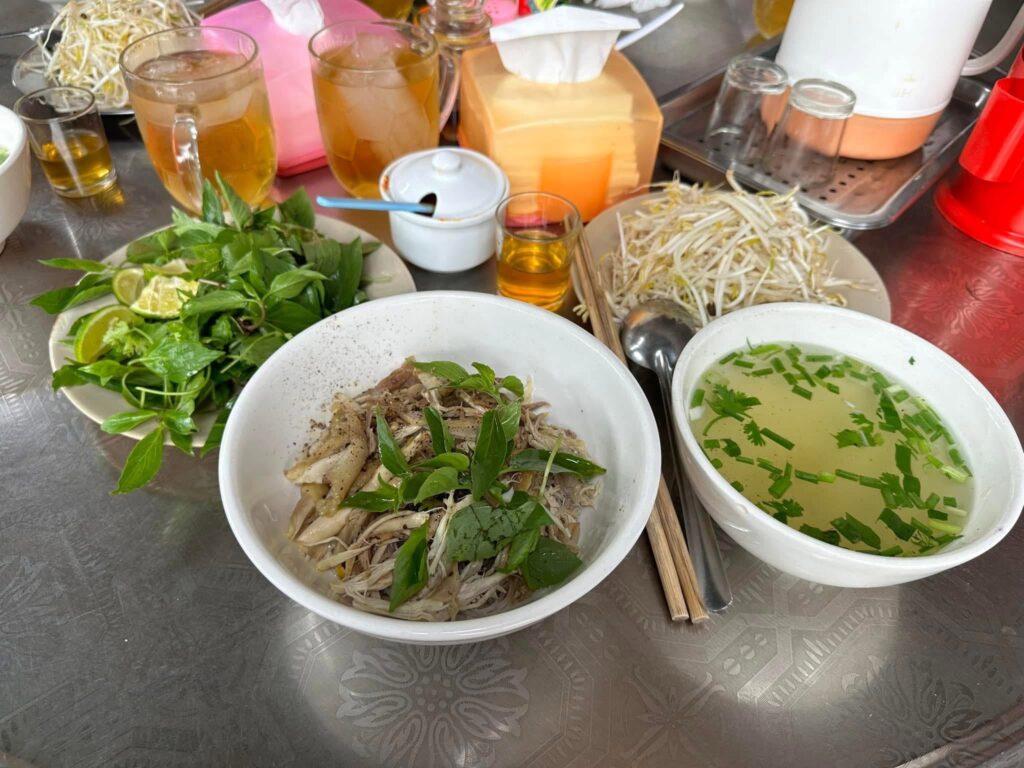
Among the most comforting dishes made from this specialty is climbing perch soup with mustard greens. The preparation reflects the resourcefulness and refinement of traditional countryside cooking. The fish is first boiled until cooked, after which the flesh is carefully separated from the bones. The head and bones may be crushed or pounded and then thoroughly strained to extract a flavorful broth. Meanwhile, the deboned fish is lightly stir-fried with minced ginger, shallots, and fish sauce to enhance its aroma. Mustard greens and the prepared fish are then added to the simmering broth and cooked until tender. The result is a light, naturally sweet soup with fragrant ginger, delicate fish, and soft green vegetables. Thorough straining is essential to prevent small bones from remaining in the finished dish.
Another enjoyable variation combines climbing perch broth with Vietnamese rice noodles known as bánh đa. Soft noodles are served with the sweet fish broth, mustard greens, and carefully deboned fish. Depending on personal preference, diners may add scallions, fresh herbs, pepper, or chili. The combination of noodles, vegetables, and freshwater fish is characteristic of northern Vietnamese cuisine, where everyday ingredients are skillfully transformed into flavorful and satisfying meals.
Regardless of whether Tong Truong climbing perch is roasted, braised, fried, or made into soup, the freshness of the fish remains essential. Proper cleaning, appropriate seasoning, and careful cooking all contribute to the final quality. For roasted and fried dishes, heat control determines crispness and aroma. For braised fish, cooking time allows the flavors to develop. For soup, meticulous deboning and broth preparation create the characteristic light sweetness while ensuring a safer dining experience.
Tong Truong Climbing Perch in Ninh Binh’s Culinary Culture and Tourism
Beyond its renowned attractions, including the Trang An Landscape Complex, Tam Coc–Bich Dong, and Hoa Lu Ancient Capital, Ninh Binh offers a rich culinary heritage shaped by its natural environment and local communities. While mountain goat reflects the province’s limestone highlands and livestock-raising traditions, and crispy rice represents a distinctive use of a staple agricultural product, Tong Truong climbing perch highlights the importance of wetlands and freshwater resources in the food culture of Hoa Lu.
The cultural value of Tong Truong climbing perch lies in the connection between an everyday ingredient and the historical identity of the ancient capital. Its traditional name, Royal Tribute Fish, makes the specialty particularly memorable and encourages visitors to learn more about the history of Dai Co Viet. At the same time, responsible interpretation requires a distinction between local legends and historically verified information. Presenting these stories accurately helps preserve their cultural significance without overstating their historical certainty.
For travelers visiting Ninh Binh, tasting Tong Truong climbing perch can be an interesting addition to a culinary exploration of Hoa Lu. Roasted, braised, fried, and soup-based preparations offer different flavors and textures, particularly appealing to visitors interested in traditional northern Vietnamese food. However, the availability of fish from the original Tong Truong area may depend on seasonal conditions and local supply. Not every restaurant serving climbing perch necessarily uses fish caught in Tong Truong, so visitors seeking the authentic local product should ask about ingredient origins before ordering.
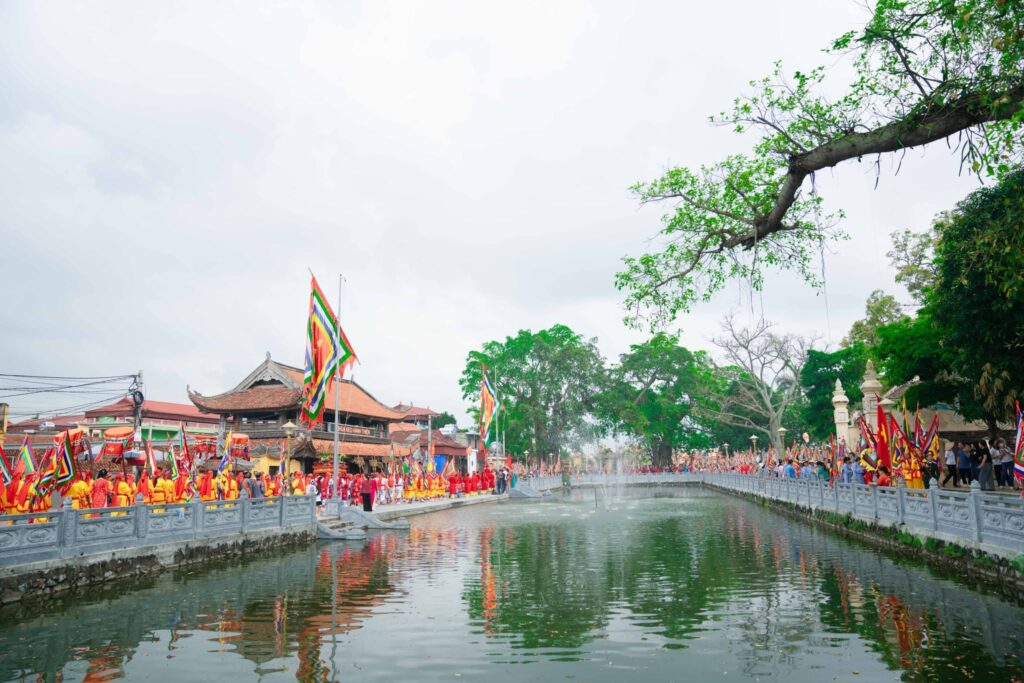
A culinary experience centered on Tong Truong climbing perch can also be combined with a visit to the Hoa Lu Ancient Capital Special National Relic Site, which preserves important historical associations with the Dinh and Early Le dynasties. The temples, architectural remains, and stories of Dai Co Viet provide valuable insight into the region’s role in Vietnamese history. Meanwhile, the surrounding limestone mountains, wetlands, and valleys help visitors understand the natural setting associated with local specialties such as Tong Truong climbing perch.
As culinary tourism continues to develop, Tong Truong climbing perch offers opportunities for experiences focused on local ingredients, traditional cooking techniques, and the cultural stories of Hoa Lu communities. Protecting wetland ecosystems, managing fish resources responsibly, and encouraging transparent ingredient sourcing are essential to preserving the specialty’s long-term value. When introduced through responsible tourism practices, Royal Tribute Fish can enrich visitors’ understanding of Ninh Binh while supporting the preservation of its distinctive culinary traditions.
Tong Truong Climbing Perch is a traditional freshwater specialty that reflects the distinctive character of Hoa Lu, where wetlands nestled among limestone mountains have shaped local food resources and culinary practices. Associated with the legend of Royal Tribute Fish, it is appreciated for its firm, flavorful flesh and its versatility in dishes such as clay-pot dry-roasted fish, savory braised fish, crispy fried fish, and mustard green soup. More than a familiar ingredient in local meals, Tong Truong climbing perch evokes the history, cultural traditions, and natural environment of the ancient capital of Dai Co Viet. Protecting its habitat, preserving traditional cooking knowledge, and presenting its heritage accurately will help ensure that this distinctive specialty remains part of Ninh Binh’s culinary identity for future generations.
Quick Information
| Item | Details |
|---|---|
| Specialty name | Tong Truong Climbing Perch |
| Vietnamese name | Cá rô Tổng Trường |
| Other names | Royal Tribute Fish, Cá tiến vua |
| Location | Ninh Binh Province, Vietnam |
| Area associated with the specialty | Former Tong Truong area, Hoa Lu |
| Culinary region | Red River Delta, northern Vietnam |
| Food category | Traditional freshwater fish specialty |
| Fish group | Climbing perch |
| Scientific name commonly used for climbing perch | Anabas testudineus |
| Typical habitat | Ponds, wetlands, flooded valleys, and limestone mountain areas |
| Appearance in local descriptions | Grayish-green body, lighter underside, sometimes with dark spots |
| Meat characteristics | Firm, rich, aromatic, and naturally sweet |
| Natural food sources | Small aquatic organisms, invertebrates, and suitable aquatic vegetation |
| Historical nickname | Royal Tribute Fish |
| Historical association | Hoa Lu Ancient Capital and Dai Co Viet |
| Nature of the royal tribute story | Local legend and oral tradition |
| Cultural motif associated with the specialty | Fish-transforming-into-a-dragon motif at King Le Temple |
| Popular dishes | Dry-roasted climbing perch, braised fish, fried fish, and fish soup |
| Signature preparation | Clay-pot dry-roasted climbing perch |
| Traditional soup | Climbing perch soup with mustard greens |
| Noodle dish | Climbing perch soup with bánh đa rice noodles |
| Common seasonings | Ginger, fish sauce, pepper, chili, and shallots |
| Serving suggestions | Enjoy hot with steamed rice, vegetables, or rice noodles |
| Nutritional value | Source of protein and various minerals |
| Cultural significance | Traditional cuisine, royal tribute legend, and Hoa Lu heritage |
| Nearby attractions | Hoa Lu Ancient Capital, Trang An, and surrounding heritage sites |
| Buying advice | Confirm fish origin rather than relying only on physical appearance |
| Food safety advice | Watch for small bones and consume thoroughly cooked fish |
| Conservation priorities | Wetland protection, responsible fishing, and preservation of traditional cooking methods |