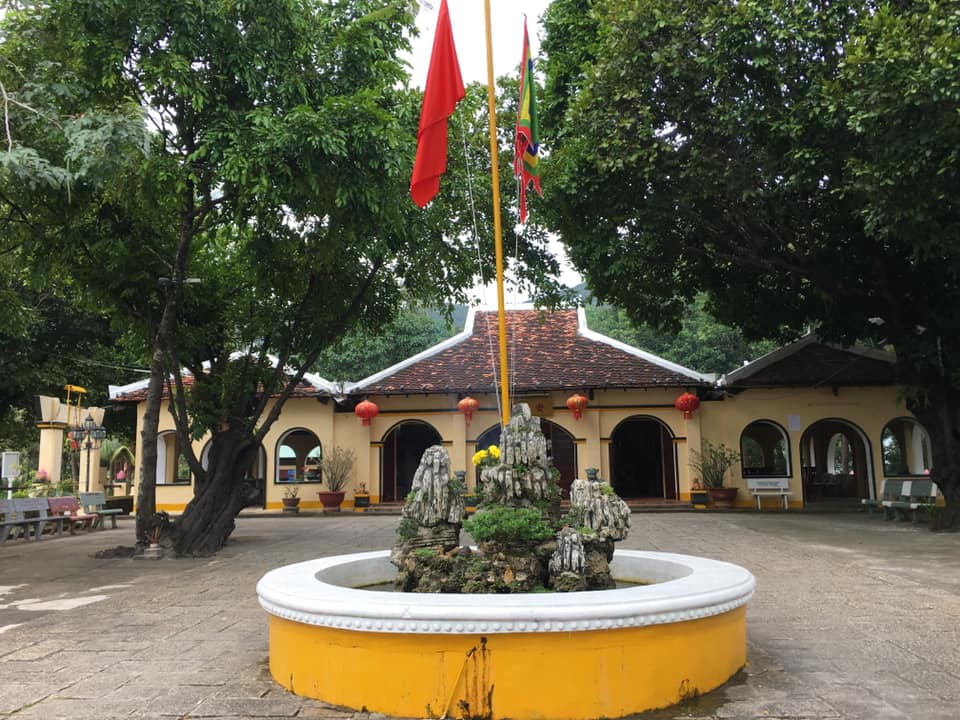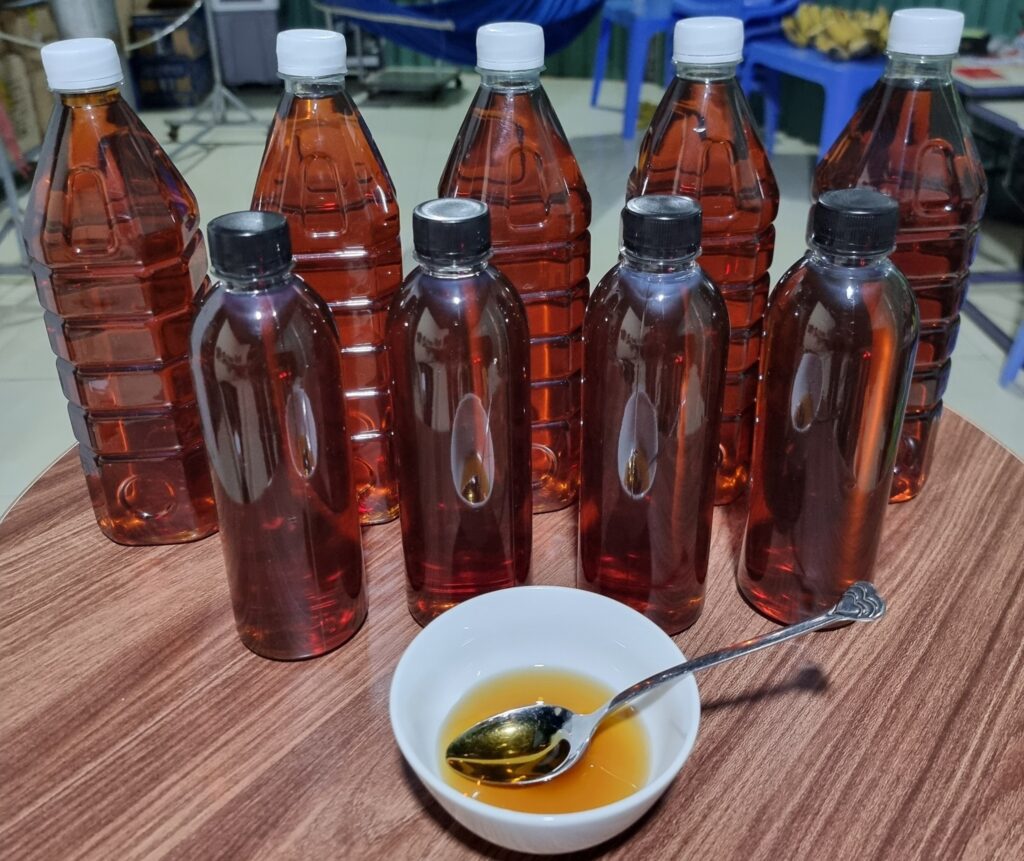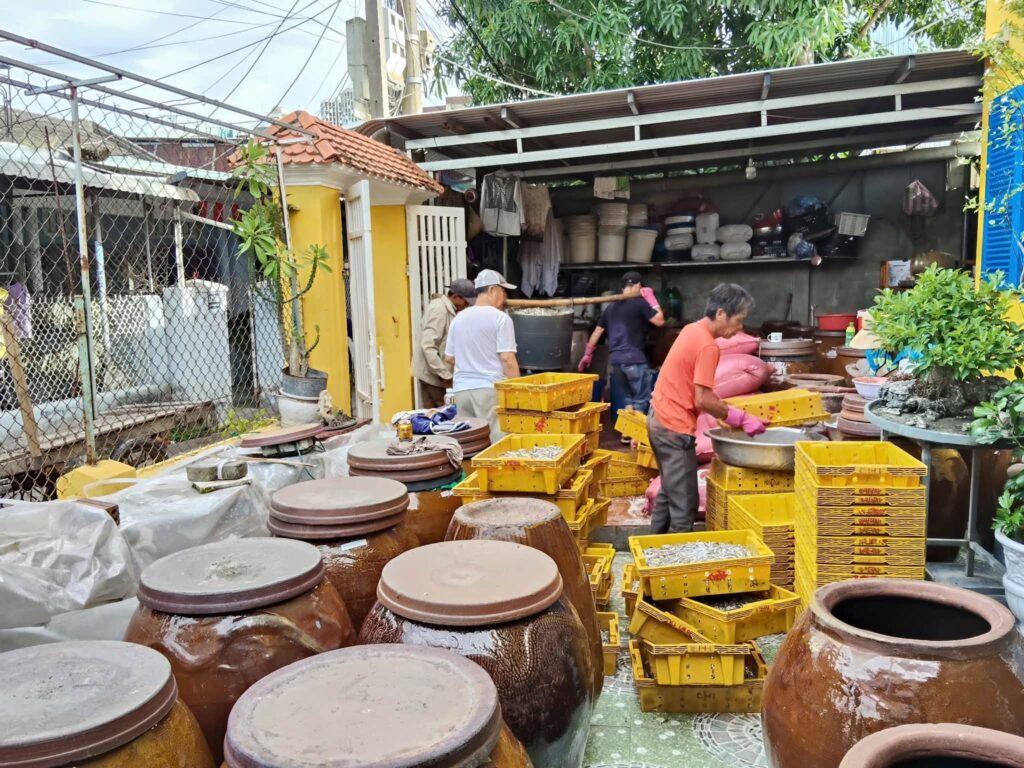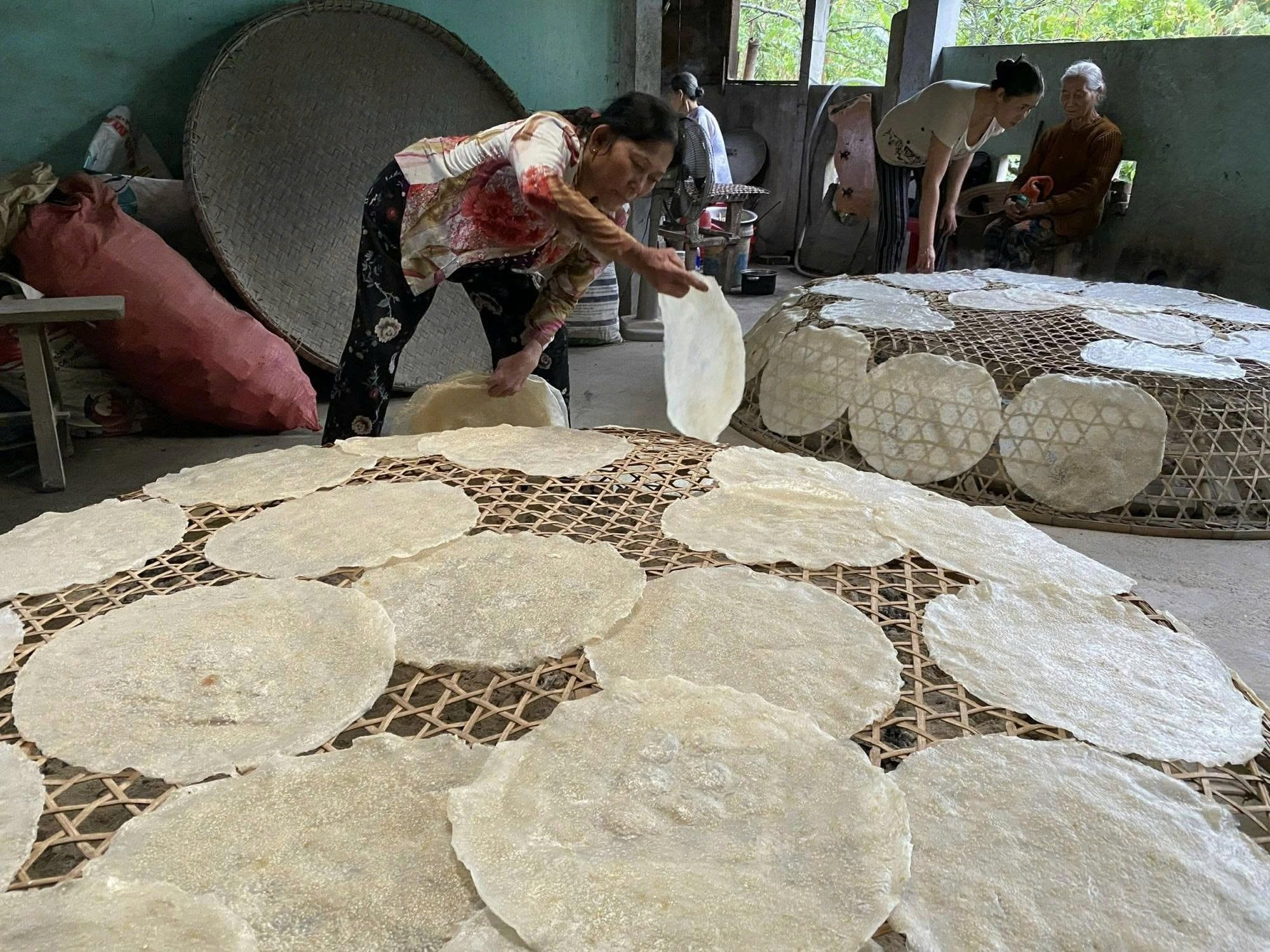
Nestled along the Tuy Loan River, the ancient village of Tuy Loan in Hoa Vang Commune, Da Nang City, is known not only for its historic communal house, with a history spanning more than 500 years, but also for a traditional rice paper-making craft preserved through generations.
Using familiar ingredients such as rice, white sesame seeds, ginger, garlic, and local seasonings, villagers produce thick, aromatic rice paper traditionally prepared for grilling. The finished product reflects the distinctive culinary identity of Central Vietnam and the craftsmanship of the former Quang Nam region.
Unlike many rice paper-producing communities that make a variety of products, Tuy Loan has maintained a distinctive tradition centered on rice paper intended for grilling. Each sheet is handmade through a series of carefully performed stages requiring patience, experience, and skilled hands.
In recognition of its historical significance, culinary traditions, and inherited craftsmanship, Tuy Loan Rice Paper Making was inscribed on Vietnam’s National List of Intangible Cultural Heritage under Decision No. 374/QĐ-BVHTTDL, signed on February 21 by the Minister of Culture, Sports and Tourism.
The recognition marks an important milestone in preserving a longstanding craft closely connected to the cultural life of Tuy Loan Ancient Village.
Tuy Loan Ancient Village and Its Traditional Rice Paper Craft
Tuy Loan Village is located in Hoa Vang Commune, Da Nang City, formerly part of Hoa Phong Commune, Hoa Vang District.
It is one of the historic villages in the southwestern countryside of Da Nang, where traditional cultural practices remain closely associated with the settlement and development of communities in the former Quang Nam region.
The village’s cultural landscape is shaped by the Tuy Loan River, traditional houses, community activities, and particularly Tuy Loan Communal House, a historic landmark associated with more than five centuries of village history.
Within this setting, rice paper making has been practiced for generations, becoming a familiar part of local cuisine and household life.
In the past, many families maintained rice paper production as a supplementary occupation alongside farming.
Using locally available rice and other ingredients, villagers prepared rice paper for family meals, traditional celebrations, and sale in nearby markets.
Over time, Tuy Loan rice paper makers developed distinctive techniques and family knowledge, from selecting rice and preparing batter to blending seasonings, steaming the sheets, and drying the finished products.
One of the defining characteristics of Tuy Loan rice paper is its rich, savory flavor, reflecting the culinary preferences of Central Vietnamese communities.
According to village records, approximately 15 households in the former Hoa Phong area continued making traditional rice paper on a regular basis, with most concentrated in Tuy Loan Hamlet.
During the Lunar New Year season, however, production increased considerably.
More than 40 households reportedly participated in rice paper making to meet growing demand, creating a lively atmosphere throughout the village in the weeks leading up to Tet.
This seasonal activity remains an important expression of the relationship between traditional craftsmanship, family livelihoods, and local celebrations.
The Traditional Techniques Behind Tuy Loan Rice Paper
Tuy Loan rice paper is made primarily from rice flour combined with white sesame seeds, ginger, garlic, sugar, fish sauce, salt, and other seasonings according to family recipes.
The combination of these ingredients gives the rice paper its distinctive flavor, setting it apart from simpler varieties made mainly from rice and sesame.
Producing a quality sheet involves several stages, beginning with ingredient selection and batter preparation.
The rice is processed into a smooth flour mixture with the appropriate consistency. Other ingredients and seasonings are then incorporated in proportions developed through generations of experience.
This stage is particularly important because the texture of the batter and the balance of seasonings influence the thickness, structure, and flavor of the finished rice paper.
Once the mixture is ready, the artisan spreads a measured portion of batter across a cloth stretched over a pot of boiling water.
The batter is distributed evenly into a circular sheet and steamed until cooked.
The process requires quick, precise movements and an understanding of the amount of batter, steaming temperature, and cooking time.
After steaming, the delicate sheet is carefully lifted and transferred onto a drying surface.
Drying must be managed according to weather conditions, humidity, and the required moisture level to prevent the rice paper from cracking or becoming damaged.
Once fully dried, the rice paper can be stored and grilled before serving.
When exposed to heat, the sheet becomes crisp and releases the characteristic aromas of toasted rice, sesame seeds, and seasonings.
The appeal of Tuy Loan rice paper lies in the harmony of its ingredients: the nutty flavor of sesame, the fragrance of ginger and garlic, and the savory notes of fish sauce and salt.
Individual families may preserve their own techniques for preparing the batter, balancing the seasonings, and controlling the thickness of each sheet.
These inherited skills contribute to the distinctive identity of Tuy Loan’s traditional rice paper craft.
Tuy Loan Rice Paper in Central Vietnamese Culinary Culture
For the people of Tuy Loan, rice paper is more than a product made for sale.
It is a familiar food associated with family meals, traditional celebrations, and the rhythms of village life.
In Central Vietnamese cuisine, grilled rice paper is commonly served alongside everyday dishes, adding a crisp texture and a rich, toasted flavor.
Tuy Loan rice paper, with its substantial thickness, sesame seeds, and seasoned batter, offers a particularly distinctive taste when grilled over charcoal or prepared using other suitable methods.
The Lunar New Year is an especially important period for local rice paper makers.
As families prepare for Tet celebrations and demand for traditional foods increases, more households become involved in production.
The sight of artisans working beside steaming pots, freshly made sheets arranged on drying racks, and the aroma of rice, sesame, ginger, and garlic has become part of the village’s cultural memory.
Rice paper making also strengthens relationships between generations.
Older family members pass on their knowledge of ingredient selection, batter preparation, seasoning, steaming, and drying through shared work and practical instruction.
Many of these skills are not preserved primarily in written recipes.
Instead, they are learned through observation, repeated practice, and experience accumulated over countless batches of rice paper.
This traditional method of knowledge transmission is an important element of the craft’s intangible cultural value.
The significance of Tuy Loan rice paper therefore extends beyond the finished food product to include the techniques, memories, family relationships, and cultural practices associated with its production.
Preserving the Craft Through Cultural Tourism
Like many traditional craft villages, Tuy Loan faces challenges associated with economic development, changing consumer habits, and the gradual transformation of rural communities.
The number of households producing rice paper regularly is relatively small, while handmade production requires considerable time, effort, and practical experience.
Encouraging younger generations to learn and continue the craft is therefore essential to its long-term preservation.
To support the occupation, local authorities have developed initiatives aimed at restoring and strengthening the traditional craft village.
These efforts have included proposals to improve production conditions and provide access to preferential loans for households investing in rice paper making.
Beyond preserving the traditional product, local development plans have also explored opportunities to connect the craft with cultural tourism and visitor experiences.
Tuy Loan’s location within a historic village, together with its centuries-old communal house and distinctive community traditions, provides a valuable setting for introducing visitors to rural cultural heritage in Da Nang.
Visitors may have opportunities to learn about the history of the craft, observe traditional production techniques, discover the ingredients used in rice paper making, and participate in hands-on experiences at workshops that welcome guests.
Such activities can help promote local products while allowing artisans to share their knowledge and stories directly with visitors.
However, tourism development should respect the everyday lives of residents and preserve the authenticity of traditional production methods.
The local community should remain central to decisions about how its heritage is presented and developed.
A balanced approach combining craft preservation, product promotion, and community-based tourism could provide new opportunities for Tuy Loan rice paper making while protecting the cultural values that make the occupation distinctive.
Recognition as National Intangible Cultural Heritage
Under Decision No. 374/QĐ-BVHTTDL, signed on February 21 by Minister of Culture, Sports and Tourism Nguyen Van Hung, Tuy Loan Rice Paper Making was officially included on Vietnam’s National List of Intangible Cultural Heritage in the category of traditional craftsmanship.
The recognition acknowledges the historical, cultural, and occupational knowledge preserved by the Tuy Loan community through generations.
The heritage encompasses much more than the finished sheets of rice paper.
It includes the selection and preparation of ingredients, batter-making techniques, the blending of seasonings, steaming and drying methods, and the transmission of practical skills within families.
The recognition also honors the artisans who have continued practicing the craft despite changes in production methods, consumer demand, and local economic conditions.
Together with Tuy Loan Communal House and the wider cultural landscape of the ancient village, rice paper making contributes to a distinctive heritage environment in the countryside of Da Nang.
From handmade sheets prepared over steaming pots to a traditional specialty bearing the name of a centuries-old village, Tuy Loan rice paper reflects the enduring vitality of Vietnamese craftsmanship.
Preserving this occupation means safeguarding not only a local culinary specialty but also the knowledge, memories, and cultural identity of the community that created it.
Basic Information
| Item | Details |
|---|---|
| Heritage name | Tuy Loan Rice Paper Making |
| Location | Tuy Loan Village, Hoa Vang Commune, Da Nang City, Vietnam |
| Former administrative location | Tuy Loan Hamlet, Hoa Phong Commune, Hoa Vang District, Da Nang City |
| Cultural landscape | Tuy Loan Ancient Village, Tuy Loan River, and Tuy Loan Communal House |
| Heritage category | Traditional Craftsmanship |
| Signature product | Traditional Tuy Loan rice paper for grilling |
| Main ingredients | Rice, white sesame seeds, ginger, garlic, sugar, fish sauce, and salt |
| Production method | Handmade steaming, drying, and grilling before consumption |
| Traditional production scale | Approximately 15 regular households and more than 40 households during Tet, according to village records |
| Cultural significance | Traditional culinary knowledge, family craftsmanship, and village cultural identity |
| Recognition | National Intangible Cultural Heritage |
| Decision number | 374/QĐ-BVHTTDL |
| Recognition date | February 21 2024 |