The Hà Lam – Chợ Được Struggle Site commemorates a significant popular movement in Quảng Nam during the resistance against oppression in the years following the 1954 Geneva Accords. The struggle took place from September 4 to 7, 1954, when local residents rose up to protest military abuses and demand respect for their rights.
Beyond its historical importance, the site stands as a reminder of the courage, resilience, and determination of the people of Quảng Nam in their pursuit of peace, justice, and freedom.
Location and Formation of the Memorial Site
The Hà Lam – Chợ Được Struggle Site is located in Thăng An Commune, Đà Nẵng City. From Hà Lam Intersection, visitors can travel east along Provincial Road 613 for approximately 5 kilometers. The site is about 300 meters from Chợ Được Market.
The memorial complex covers an area of nearly 9,000 square meters. It was established to preserve the memory of the struggle and honor the local residents who participated in the movement, including those who lost their lives.
Memorial Monument and Landscape
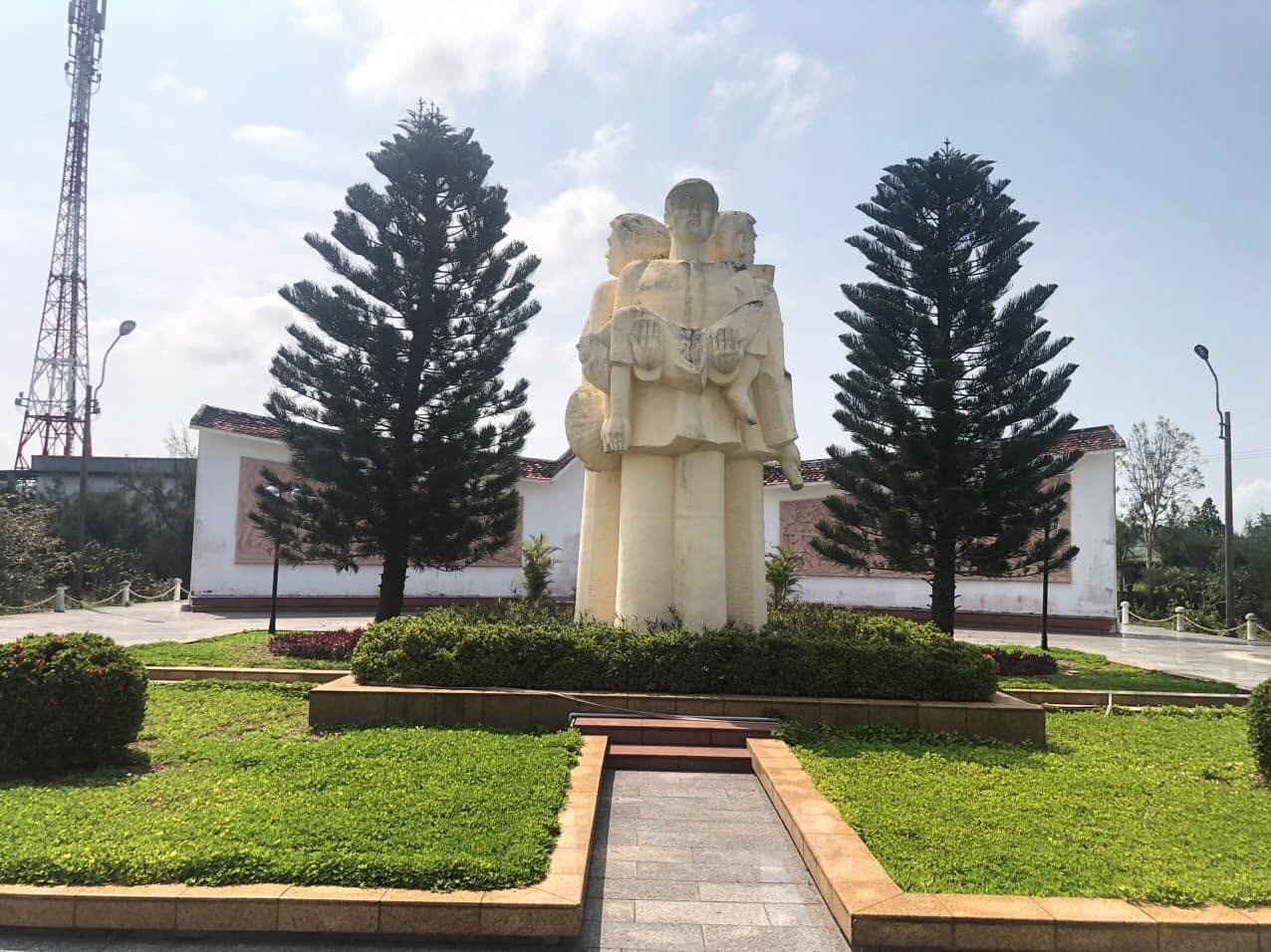
The central feature of the site is a monument approximately 5 meters high. Its sculptural composition depicts an elderly man, a young woman, and a young man holding a motionless child, symbolizing the suffering of civilians caught in the violence.
Two relief panels complement the monument, illustrating events associated with the struggle and conveying the determination of the local people in the face of oppression.
The memorial grounds provide a space for visitors to learn about the historical events, pay tribute to those who sacrificed their lives, and reflect on the value of peace.
Historical Background of the 1954 Struggle
Following the signing of the Geneva Accords in 1954, political and social tensions continued in many parts of central Vietnam. In Quảng Nam, local residents faced military pressure and restrictions that affected their daily lives.
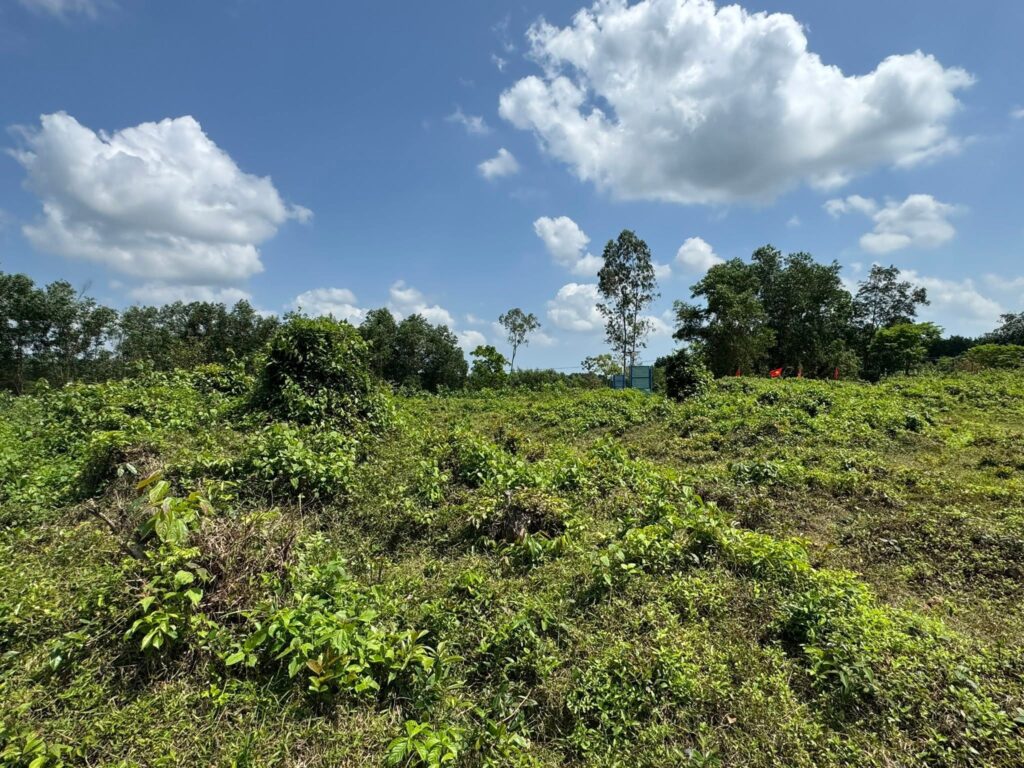
According to historical accounts, the immediate incident that sparked the Hà Lam – Chợ Được struggle occurred at Bàu Bàng. Soldiers cut down trees without obtaining permission from local residents to repair roads and bridges and construct barracks. When residents protested, the soldiers responded with gunfire and grenades.
The violence intensified public anger and prompted people from surrounding areas to join the protest. What began as a local confrontation developed into a larger movement demanding an end to military abuses and the protection of the people’s rights.
The Course of the Struggle
From September 4 to 7, 1954, residents of Hà Lam, Chợ Được, and neighboring areas took part in the struggle. Participants gathered to express their opposition to military actions and demand justice for the local community.
At its peak, the movement reportedly attracted more than 5,000 participants. The large turnout demonstrated the strong solidarity among local residents and their determination to defend their legitimate interests.
However, the struggle was met with violent repression. Soldiers used firearms and grenades against the demonstrators, resulting in casualties and widespread suffering. Despite the danger, the movement became an important expression of the people’s resistance to oppression during a turbulent period in local history.
Casualties and Eyewitness Accounts
Historical materials record that the struggle resulted in 43 deaths and 23 injuries. Nearly 100 people were reportedly detained and subjected to torture.
These figures reflect the severe human cost of the confrontation and the suffering endured by local families. Eyewitness accounts, including recollections attributed to Mr. Đức and Nguyễn Hữu Tuần, provide additional perspectives on the events and their impact on the community.
Such testimonies contribute to preserving the memory of the struggle and help future generations understand the experiences of those who lived through it.
Historical Significance
The Hà Lam – Chợ Được struggle holds an important place in the history of resistance movements in Quảng Nam. It illustrates the determination of ordinary people to stand up against military abuses and defend their rights in the aftermath of the 1954 Geneva Accords.
The movement also demonstrates the power of community solidarity. Thousands of residents came together despite the risks, turning a local protest into a significant historical event.
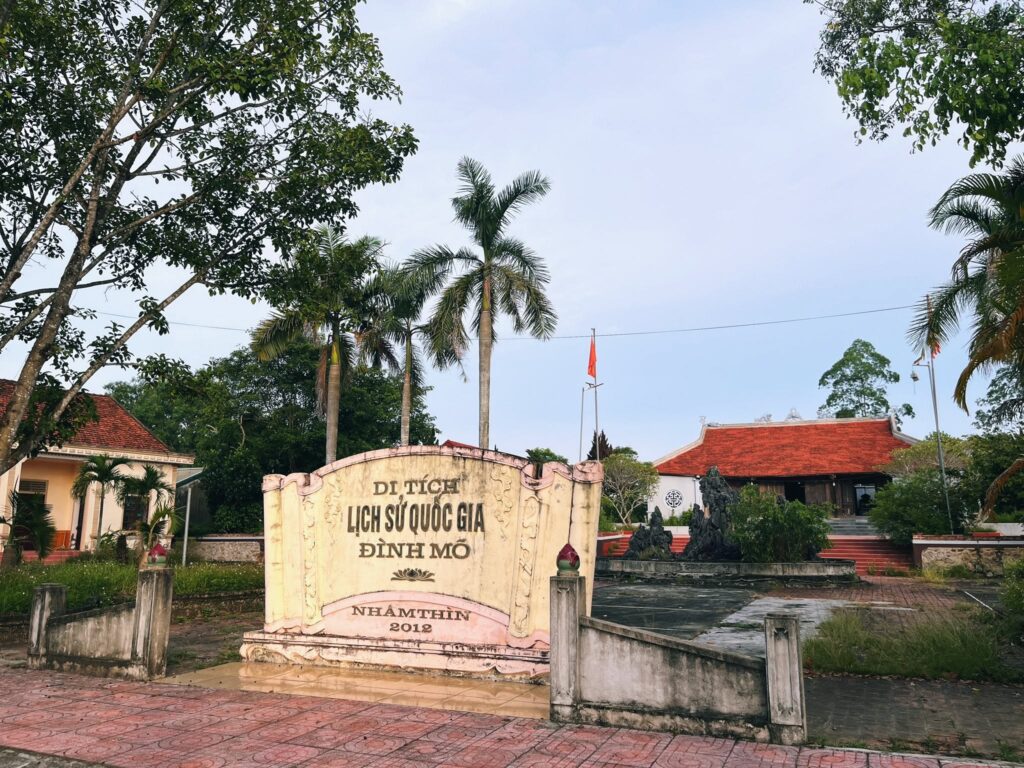
The site was recognized as a provincial historical relic in 2005 and was designated a national historical relic in 2014. These recognitions reflect its value in preserving local history and educating the public about the struggles and sacrifices of previous generations.
Commemoration and Preservation
Since the liberation, the memorial site has served as a place to honor those who died or suffered during the struggle. It also provides an opportunity for younger generations to learn about the history of their homeland and the importance of peace, solidarity, and justice.
In 2014, the book Cuộc đấu tranh Hà Lam – Chợ Được: Dấu ấn lịch sử (The Hà Lam – Chợ Được Struggle: A Historical Imprint) was published, contributing to the documentation and preservation of the event’s historical legacy.
Today, the Hà Lam – Chợ Được Struggle Site remains a meaningful destination for historical and educational visits, helping preserve the memory of a movement that left a lasting mark on the local community.
Quick Information
| Item | Details |
|---|---|
| Name | Hà Lam – Chợ Được Struggle Site |
| Location | Thăng An Commune, Đà Nẵng City, Vietnam |
| Historical event | The Hà Lam – Chợ Được struggle |
| Date of the struggle | September 4–7, 1954 |
| Area | Nearly 9,000 m² |
| Monument height | Approximately 5 meters |
| Provincial recognition | 2005 |
| National relic designation | 2014 |
| Historical significance | Commemorates the people’s struggle against military abuses and their pursuit of peace and justice |