The Hòn Tàu Base is a historical site associated with the establishment, leadership and activities of the Quảng Đà Special Zone Committee during the resistance war against the United States from 1967 to 1975. Located in rugged mountainous terrain that offered natural protection and favorable conditions for concealment, Hòn Tàu served as a headquarters for revolutionary leadership and a center for directing important military and political activities on the Quảng Đà battlefield.
Beyond its military significance, the base symbolizes the close bond between revolutionary forces and local communities. During the most difficult years of the war, the support, protection and loyalty of local residents helped safeguard the base, sustain the leadership apparatus and strengthen the revolutionary movement.
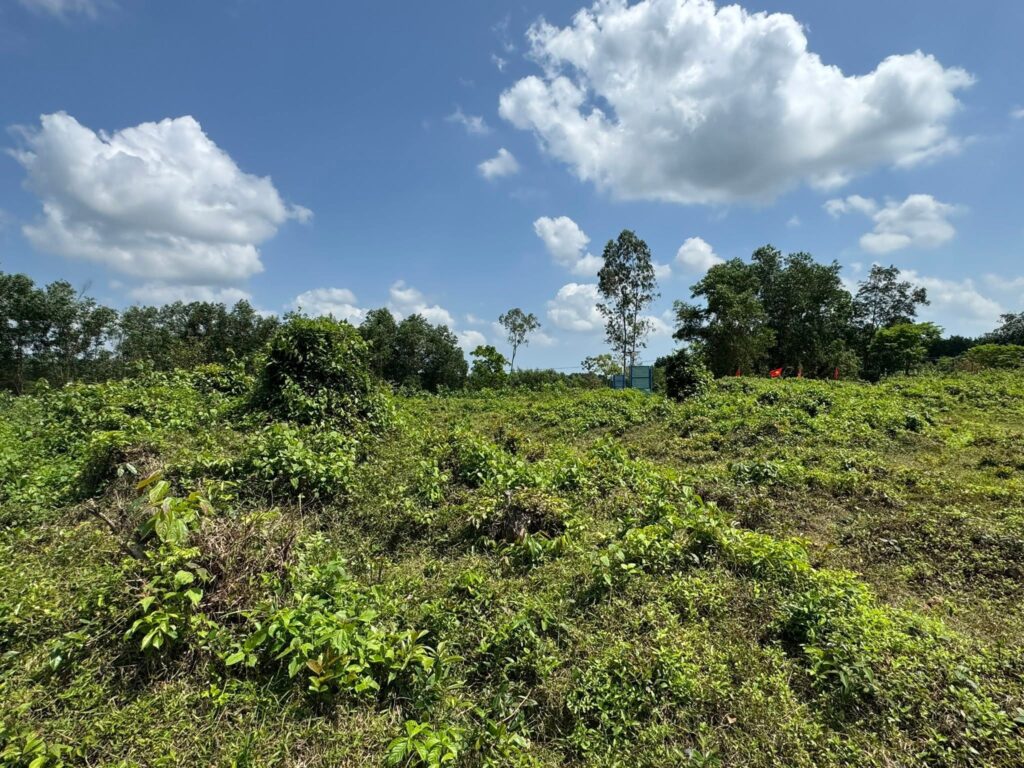
The historical site is associated with the Hòn Tàu mountain range, spanning the areas of Duy Xuyên Commune and Quế Sơn Trung Commune in Đà Nẵng City, in what was formerly Quảng Nam Province.
The Quảng Đà Special Zone Committee and the Historic Turning Point of 1967
In October 1967, in response to the changing demands of the war, the Region V Party Committee decided to merge Quảng Đà Province and Đà Nẵng City into the Quảng Đà Special Zone. Hồ Nghinh was appointed Secretary of the Special Zone Committee, with Trần Thận serving as Deputy Secretary.
The establishment of the Quảng Đà Special Zone was a strategic decision intended to strengthen coordination among three operational areas: urban centers, rural lowlands and mountainous regions. It also aimed to combine the capabilities of regular forces, local troops and militia and guerrilla units, while coordinating three fronts of struggle: political action, military operations and agitation among enemy troops. Particular emphasis was placed on Đà Nẵng, in preparation for the Tết Mậu Thân Offensive and Uprising of 1968.
To prepare for the offensive, the Region V Party Committee appointed Trương Chí Cương to serve directly as Secretary of the Quảng Đà Special Zone Committee, with Hồ Nghinh and Trần Thận as Deputy Secretaries. The Region V Military Command reinforced Front 4 with additional forces, including artillery and infantry units. The Lam Sơn Special Forces Battalion, designated D91 and sent by the Party organization and people of Thanh Hóa in support of their sister region, also took part in combat operations in Quảng Đà.
During the Tết Mậu Thân Offensive and Uprising in 1968, revolutionary forces in Quảng Đà launched coordinated attacks on Đà Nẵng, Hội An, Tam Kỳ and numerous district towns and enemy command centers. According to historical accounts, the forces put approximately 5,000 enemy troops out of action, destroyed or shot down 192 aircraft, and set 40 tanks and armored vehicles ablaze.
The offensive had significant military and political consequences, contributing to the weakening of the US strategy of “Limited War” and accelerating the process that led to negotiations in Paris.
Hòn Tàu: A Strategic Position Amid the Mountains of Quảng Nam
Historical records identify Hòn Tàu, also referred to as Tào Sơn in some sources, as a mountain range formerly bordering the districts of Duy Xuyên, Nông Sơn and Quế Sơn in Quảng Nam Province. The range covers nearly 100 square kilometers and reaches an elevation of approximately 953 meters above sea level.
The origin of the name Hòn Tàu has not been clearly established. According to The Gazetteer of Quảng Nam – Đà Nẵng, the mountain resembles the bow of a giant ship pointing westward when viewed from a distance, giving rise to its popular name. Meanwhile, Đại Nam nhất thống chí, a historical geographical work of the Nguyễn dynasty, describes Tào Sơn as a steep and imposing mountain whose central ridge resembles the front of a ship facing west.
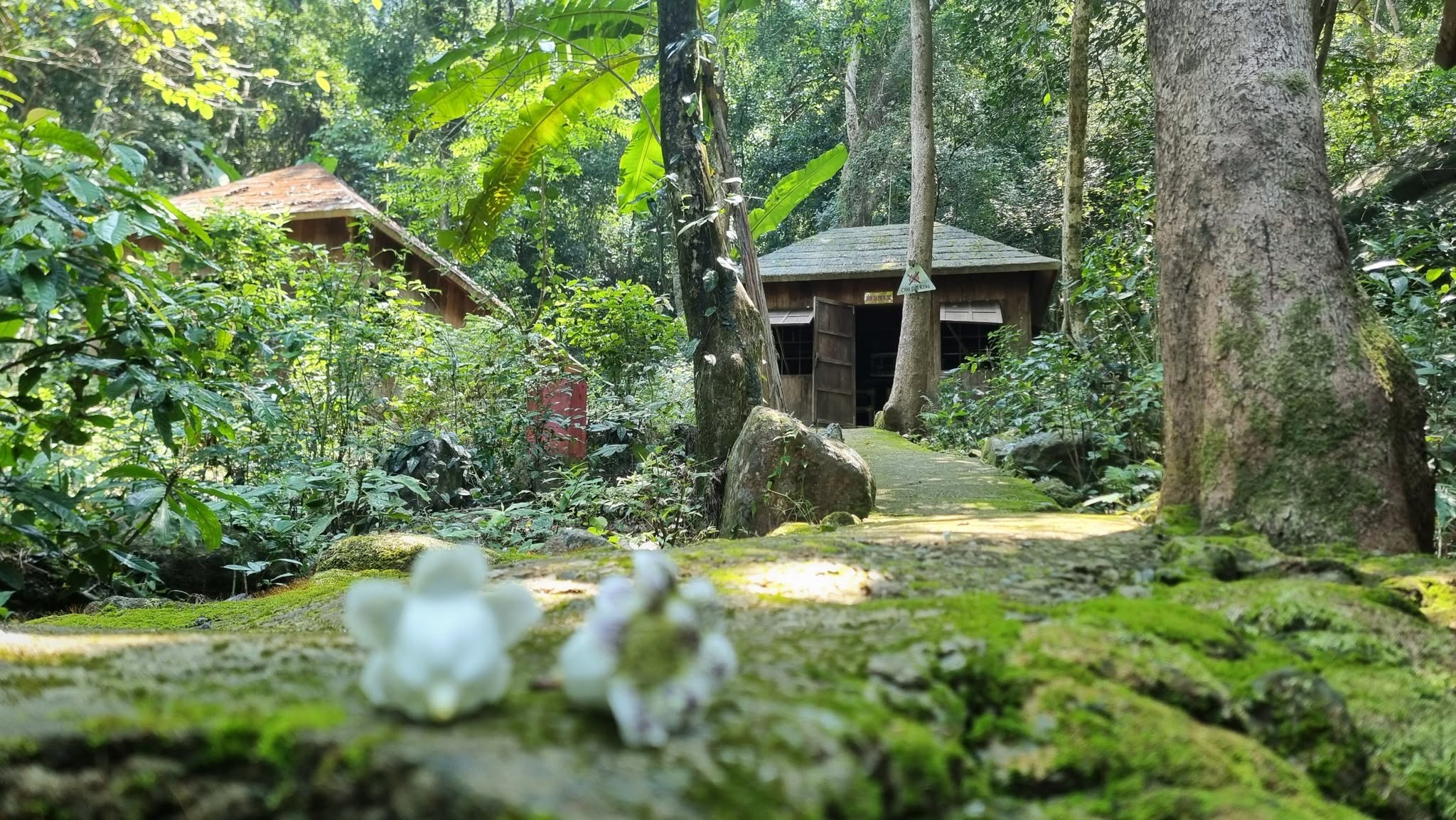
The Hòn Tàu area contains rugged peaks, including Nhà Muỗi, Cù Hang and Mặt Rạng. Its natural caves could accommodate groups of people and provide shelter, living quarters and meeting spaces. From elevated positions, revolutionary forces could observe the plains of Quảng Nam, monitor transport routes and follow enemy movements.
Viewed from Đà Nẵng toward the south and southwest, the Hòn Tàu range forms a natural barrier protecting the city’s approaches. The mountains also connect with the western highlands of Quảng Nam, creating an interconnected network of revolutionary bases that allowed forces to move between locations and withdraw when necessary.
In addition to its strategic terrain, Hòn Tàu possesses diverse forest resources, wildlife, vegetation and medicinal plants. For generations, people living in the valleys around Quế Sơn had relied on the surrounding mountains and forests for their livelihoods.
Hòn Tàu in the History of Revolutionary Resistance
Hòn Tàu was selected as a resistance base during several periods of Vietnamese history. During the Cần Vương movement of 1885–1887, Nguyễn Duy Hiệu became the leader of the Quảng Nam resistance organization, known as Nghĩa hội Quảng Nam, after Trần Văn Dư was captured and killed by French colonial forces on December 31, 1885.
Nguyễn Duy Hiệu chose the foothills of Hòn Tàu, in the Trung Lộc valley, as the site of a resistance leadership center called Tân tỉnh Trung Lộc. The location offered favorable conditions, with fertile land, fruit gardens, extensive rice fields and surrounding high mountains.
The selection of Hòn Tàu during the anti-French resistance demonstrates that its strategic importance had been recognized long before the war against the United States. During the later conflict, these natural advantages were put to use again, transforming Hòn Tàu into one of the major strongholds of the revolutionary movement in Quảng Đà.
Headquarters of the Quảng Đà Special Zone Committee, 1968–1975
In late 1968, the forward section and office of the Quảng Đà Special Zone Committee moved to Nhà Muỗi Mountain, within the Hòn Tàu base area. Meanwhile, the rear base was established near the boundary between Nam Giang and Đại Lộc districts and became known as Base A7.
In December 1971, a meeting of the Quảng Đà Special Zone Committee decided to relocate all its agencies to Hòn Tàu. This decision reflected the area’s strategic position and its proximity to the transport routes connecting it with the Region V Party Committee headquarters at Phước Trà.
From Hòn Tàu, revolutionary forces could travel south toward Duy Xuyên, Điện Bàn and Hội An, or move north toward Hiệp Đức and Đại Lộc and across to Hòa Vang. Its relative proximity to Đà Nẵng was particularly advantageous, allowing leaders to monitor developments, gather intelligence and issue timely instructions for political and military activities.
According to Phạm Thanh Ba, former Chief of Office of the Quảng Đà Special Zone Committee, the view from Mặt Rạng Mountain offered a commanding perspective over the battlefield, making it an exceptionally advantageous position for directing revolutionary warfare.
From 1968 to 1975, despite repeated artillery attacks, bombing raids and enemy sweeps, the base continued to operate. Orders and directives issued from Hòn Tàu helped organize forces, consolidate liberated areas and prepare for decisive developments in the resistance war.
From Hòn Tàu to the Liberation of Đà Nẵng
Following the signing of the Paris Peace Accords in 1973, the situation on the Quảng Đà battlefield remained tense. Enemy forces intensified territorial incursions and pacification campaigns, requiring revolutionary forces to adjust their methods of struggle, strengthen their ranks and defend liberated areas.
Implementing Resolution No. 21 of the Central Committee of the Communist Party of Vietnam and the directives of the Region V Party Committee, the Quảng Đà Special Zone Committee identified its main task as defeating enemy territorial expansion and pacification plans, winning and retaining popular support, expanding local control and strengthening revolutionary forces.
The final congress of the Quảng Đà Special Zone Party organization during the resistance war, held from September 4 to 10, 1973, reaffirmed a strategy combining political, military and diplomatic struggle, with particular attention to contested areas and territory controlled by the enemy.
Victories across southern Vietnam in late 1974 and early 1975, especially the Thượng Đức Victory in 1974, helped create favorable conditions for the Party’s decision to liberate southern Vietnam in 1975.
On March 27, 1975, at Hòn Tàu Mountain, Võ Chí Công, Secretary of the Region V Party Committee, and the committee’s forward command team reviewed the plan to liberate Đà Nẵng and assigned forces to approach the city.
On March 28, 1975, the agencies of the Quảng Đà Special Zone Committee began moving toward Đà Nẵng. By noon on March 29, regular forces, supported by local self-defense units and urban commandos, had taken control of the City Hall. The flag of the National Liberation Front of South Vietnam flew above the building, marking the liberation of Đà Nẵng.
After the city’s liberation, the Quảng Đà Special Zone Committee continued directing efforts to restore public order, stabilize daily life, manage former government and military personnel, and mobilize resources to support the liberation of the remaining southern territories and the reunification of Vietnam.
On October 4, 1975, as part of the postwar administrative reorganization, Quảng Nam Province and the Quảng Đà Special Zone were merged to form Quảng Nam – Đà Nẵng Province. After eight years of activity during a difficult and decisive period of the war, the Quảng Đà Special Zone completed its historic mission.
A Base Built on Trust and Popular Support
The special significance of Hòn Tàu lies not only in its rugged terrain and military advantages but also in the close relationship between the revolutionary base and the local population.
Throughout the war, residents of surrounding communities supplied food, protected communication routes, assisted with transportation and helped conceal the locations of the Special Zone Committee’s headquarters. Their support enabled revolutionary forces to continue operating even during periods of intense enemy bombardment and military sweeps.
Colonel Lê Công Thạnh described Hòn Tàu as a “base of faith.” He emphasized that the resilience of the Special Zone Committee during its years at Hòn Tàu strengthened the revolutionary movement throughout Quảng Đà. The site was more than a refuge: it was a place where revolutionary forces could regroup, build up their strength and reinforce the people’s confidence in eventual victory.
Phạm Thanh Ba, former Chief of Office of the Quảng Đà Special Zone Committee, also stressed that the story of Hòn Tàu could not be told solely through its imposing mountain landscape. The role of popular support was equally important. Food and other essential supplies for revolutionary cadres depended heavily on contributions from local residents.
This solidarity transformed Hòn Tàu into a resilient stronghold, where the protective power of the natural landscape was reinforced by the commitment of the surrounding communities.
Sacrifice, Remembrance and Gratitude
The history of Hòn Tàu is also marked by the immense sacrifices of revolutionary cadres and soldiers. During the night of May 21–22, 1972, a series of B-52 bombing strikes hit the area occupied by the Propaganda Department, killing ten cadres. Five of them were inside a cave where large rocks collapsed over their bodies, making recovery extremely difficult.
Approximately 40 years later, with assistance from relevant authorities and organizations, their remains were recovered and returned to their families and comrades.
These stories of sacrifice remind visitors that behind every military base, every command and every victory were people who gave their youth, health and lives to defend their homeland.
Nguyễn Đình An, a former member of the Propaganda Department of the Quảng Đà Special Zone Committee, emphasized that today’s generations should preserve the determination, courage and sense of responsibility demonstrated by those who came before them. These values remain important in fulfilling the responsibilities of peace and national development.
Heritage Recognition and Conservation
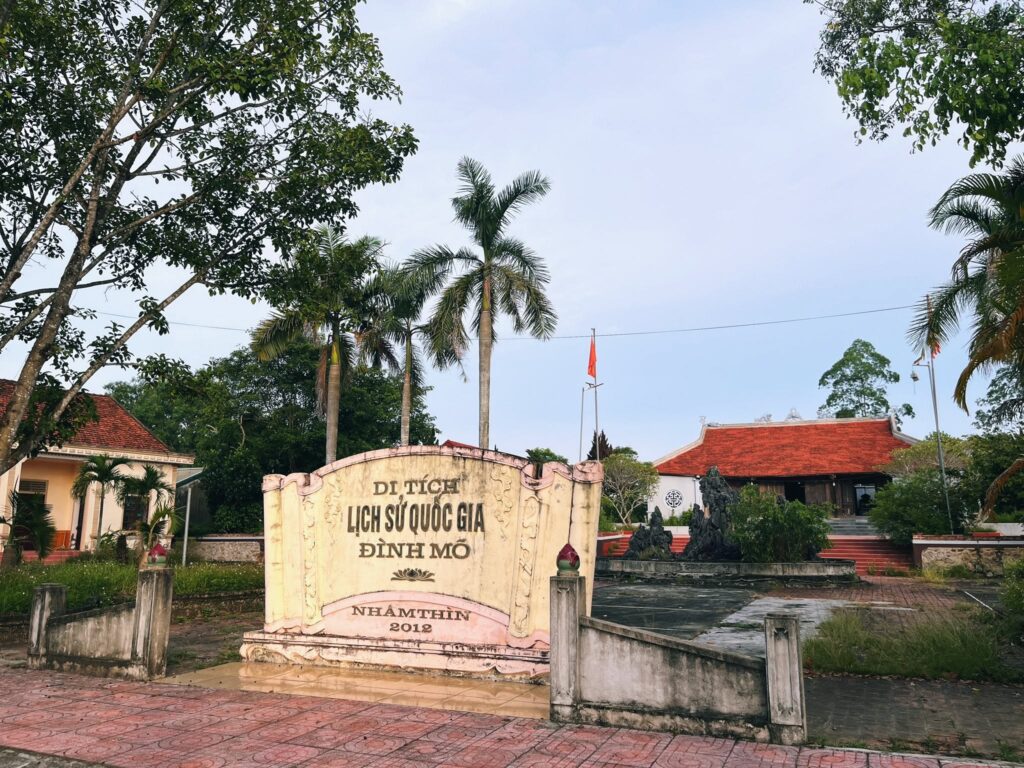
In recognition of its historical significance, the Hòn Tàu Base of the Quảng Đà Special Zone Committee was designated a National Historical Relic by the Ministry of Culture, Sports and Tourism under Decision No. 2164/QĐ-BVHTTDL, dated June 8, 2012.
To mark the 50th anniversary of the establishment of the Quảng Đà Special Zone Committee in October 2017, Quảng Nam Province and Đà Nẵng City held commemorative events and inaugurated the national historical relic complex dedicated to the base.
Today, Hòn Tàu serves not only as a landmark of wartime history but also as an important destination for revolutionary history education, remembrance of fallen heroes and the cultivation of civic responsibility among younger generations.
A visit to Hòn Tàu is a journey into a defining chapter of Vietnamese history, where the mountains sheltered the revolutionary movement and the loyalty of local people became its enduring foundation. The surviving heritage reminds visitors of the value of peace, the cost of sacrifice and the responsibility to preserve the nation’s historical memory.
Quick Information
| Item | Details |
|---|---|
| Name | Hòn Tàu Base, Headquarters of the Quảng Đà Special Zone Committee |
| Type | Revolutionary historical relic |
| Main period of operation | 1968–1975 |
| Associated historical events | Establishment of the Quảng Đà Special Zone Committee in 1967, leadership of the Quảng Đà battlefield and the liberation of Đà Nẵng in 1975 |
| Geographical features | Hòn Tàu mountain range, with rugged peaks and natural caves |
| Notable historical figures | Hồ Nghinh, Trần Thận, Trương Chí Cương, Võ Chí Công and other revolutionary leaders |
| Location | Duy Xuyên Commune and Quế Sơn Trung Commune, Đà Nẵng City, Vietnam |
| Heritage designation | National Historical Relic, 2012 |
| Key significance | Revolutionary command base and symbol of solidarity between the armed forces and local communities |