

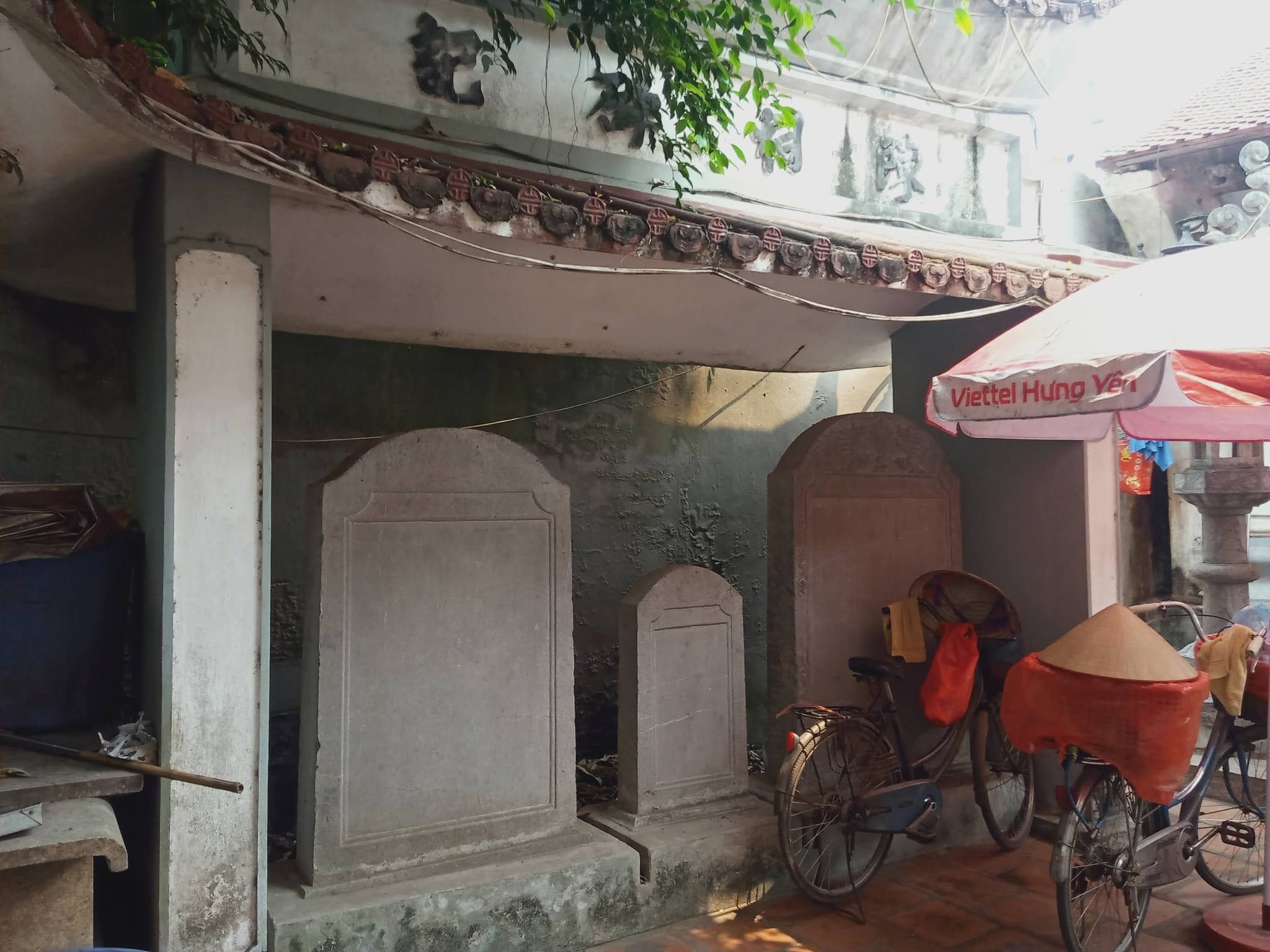
On November 5, 2026, the Pho Hien Stone Steles in Hung Yen Province, Vietnam, were officially inscribed on the UNESCO Memory of the World Asia-Pacific Register. This recognition marks an important milestone in preserving a collection of 41 ancient stone steles that document the history, commercial activities, and cultural diversity of one of Vietnam’s most prominent historic international trading ports.
Dating from the 17th to the 20th centuries, the Pho Hien Stone Steles preserve valuable historical records of trade, religion, education, and social life. They also provide evidence of cultural exchanges between Vietnamese communities and foreign merchants who once lived and traded in this thriving commercial center.
The collection offers a rare glimpse into a period when Pho Hien was celebrated in the traditional saying, “First the Capital, second Pho Hien,” reflecting its historical importance as a major commercial and cultural center in northern Vietnam.
Pho Hien Stone Steles Recognized by UNESCO in 2026
On November 5, 2026, during the 11th General Meeting of the Memory of the World Committee for Asia and the Pacific (MOWCAP), held in Jakarta, Indonesia, the nomination of the Pho Hien Stone Steles was officially approved for inscription on the UNESCO Memory of the World Asia-Pacific Register.
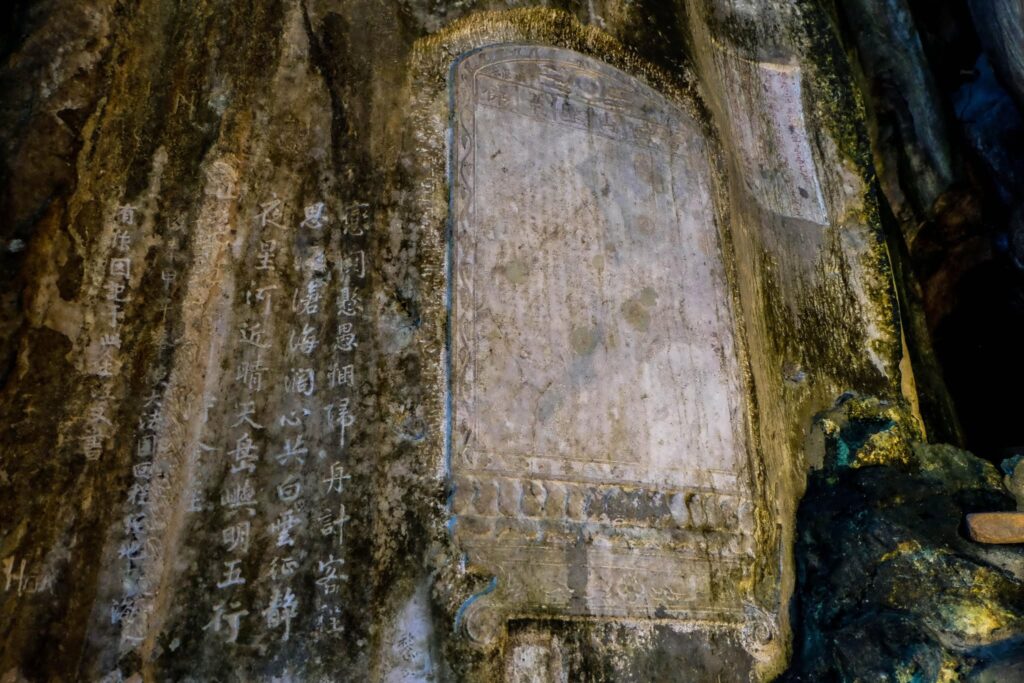
Another Vietnamese documentary heritage collection, the Cliff Inscriptions on Non Nuoc Mountain in Ninh Binh Province, was recognized during the same meeting.
The recognition acknowledges the historical importance, authenticity, and regional significance of these documentary collections.
Following these additions, Vietnam has 13 documentary heritage collections recognized under UNESCO’s Memory of the World Programme, including four on the International Register and nine on the Asia-Pacific Regional Register.
The Pho Hien Stone Steles are the first documentary heritage collection from Hung Yen Province to receive this regional recognition.
The inscription reinforces the importance of preserving historical records that reveal Vietnam’s commercial connections, intellectual traditions, and cultural exchanges with other parts of Asia and the wider world.
A Collection of 41 Ancient Stone Steles
The Pho Hien documentary heritage collection comprises 41 stone steles inscribed in Han and Nom scripts, dating from the 17th to the 20th centuries. They are preserved at various historical and religious sites within the Pho Hien Special National Historical Relic Complex in Hung Yen Province.
Unlike historical narratives compiled or reproduced by later generations, these stone inscriptions are original records created within the historical contexts they describe.
Their contents include information about the construction and restoration of religious buildings, community contributions, local associations, commercial activities, and changes in economic and social life.
Some inscriptions commemorate scholars and benefactors, while others document religious practices, community regulations, or contributions to temples and communal institutions.
Particularly valuable are the references to commercial activities and the formation of residential neighborhoods and merchant communities in Pho Hien.
These historical records help researchers understand how the trading port developed, how its communities were organized, and how commercial networks connected the region with other economic centers in Vietnam and abroad.
Historical Records of an International Trading Port
Pho Hien began developing as a trading settlement in the 16th century and reached its peak during the 17th century.
During this period, it became one of the most important commercial and cultural centers of Dang Ngoai, the northern region of Vietnam under the Le-Trinh administration.
Its location and commercial connections attracted merchants from China, Japan, and other parts of Asia. From the second half of the 17th century, European traders, including those from the Netherlands, Portugal, and England, also became associated with commercial activities in the area.
The expansion of trade encouraged the formation of merchant neighborhoods, religious institutions, assembly halls, and residential communities with diverse cultural traditions.
Many of the surviving stone steles were created within this dynamic urban environment.
As a result, the Pho Hien Stone Steles document more than the history of a single locality. They provide valuable evidence of Vietnam’s participation in regional and international trading networks several centuries ago.
Stone Inscriptions at Hien Pagoda: Evidence of Trade in 1625
Among the important historical documents associated with the Pho Hien collection are the stone inscriptions preserved at Hien Pagoda.
One notable inscription, associated with Thien Ung Temple, dates to 1625, the seventh year of the Vinh To reign.
The inscription provides historical evidence that commercial activities in Pho Hien had already developed before the establishment of European trading establishments, particularly those associated with Dutch merchants.
This is important because it demonstrates that Pho Hien’s commercial prosperity was not solely the result of European involvement.
Instead, the port had established trading activities and economic connections before European merchants became more active in the region.
Another inscription, Thien Ung Tu Bi, dated 1709, provides further information about religious life and contributions made by local communities to religious institutions.
Together, these records offer insights into the economic and cultural foundations of Pho Hien during its development as an international trading center.
Chuong Pagoda and the Historical Memory of Pho Hien
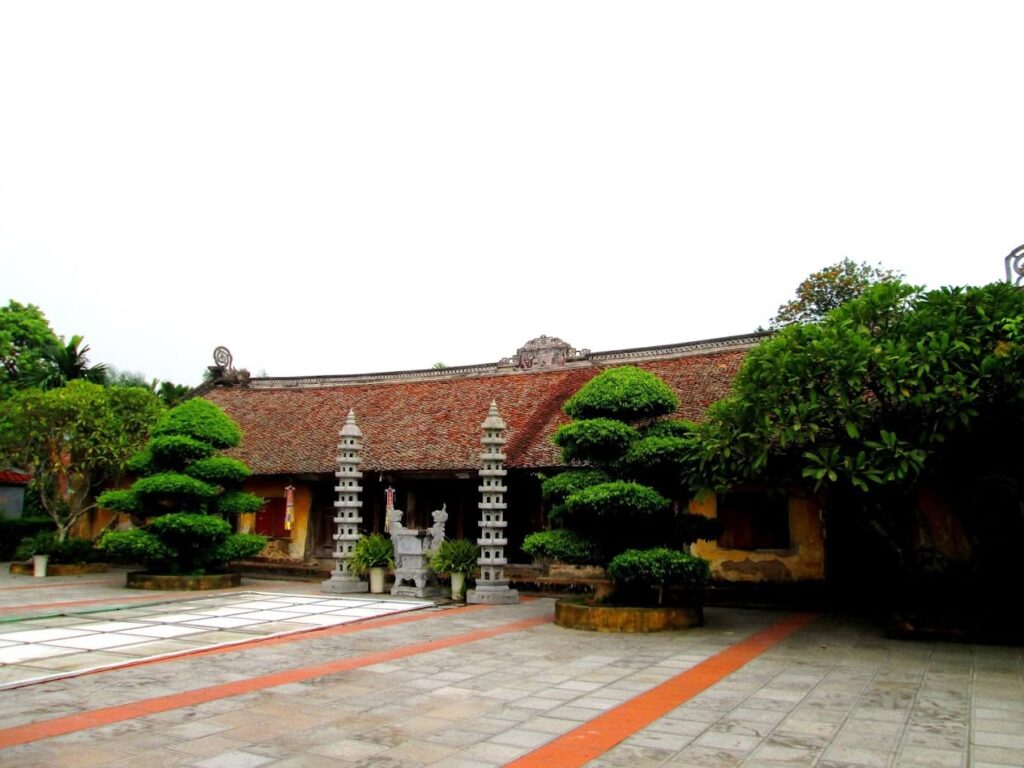
Chuong Pagoda, also known as Kim Chung Tu, is one of the best-known historical sites within the Pho Hien heritage complex.
The pagoda preserves the stone inscription known as Kim Chung Tu Thach Bi Ky, erected in 1711 during the reign of Emperor Le Du Tong.
This inscription is particularly valuable for its descriptions of the local landscape, social activities, and historical development of Pho Hien during its prosperous period.
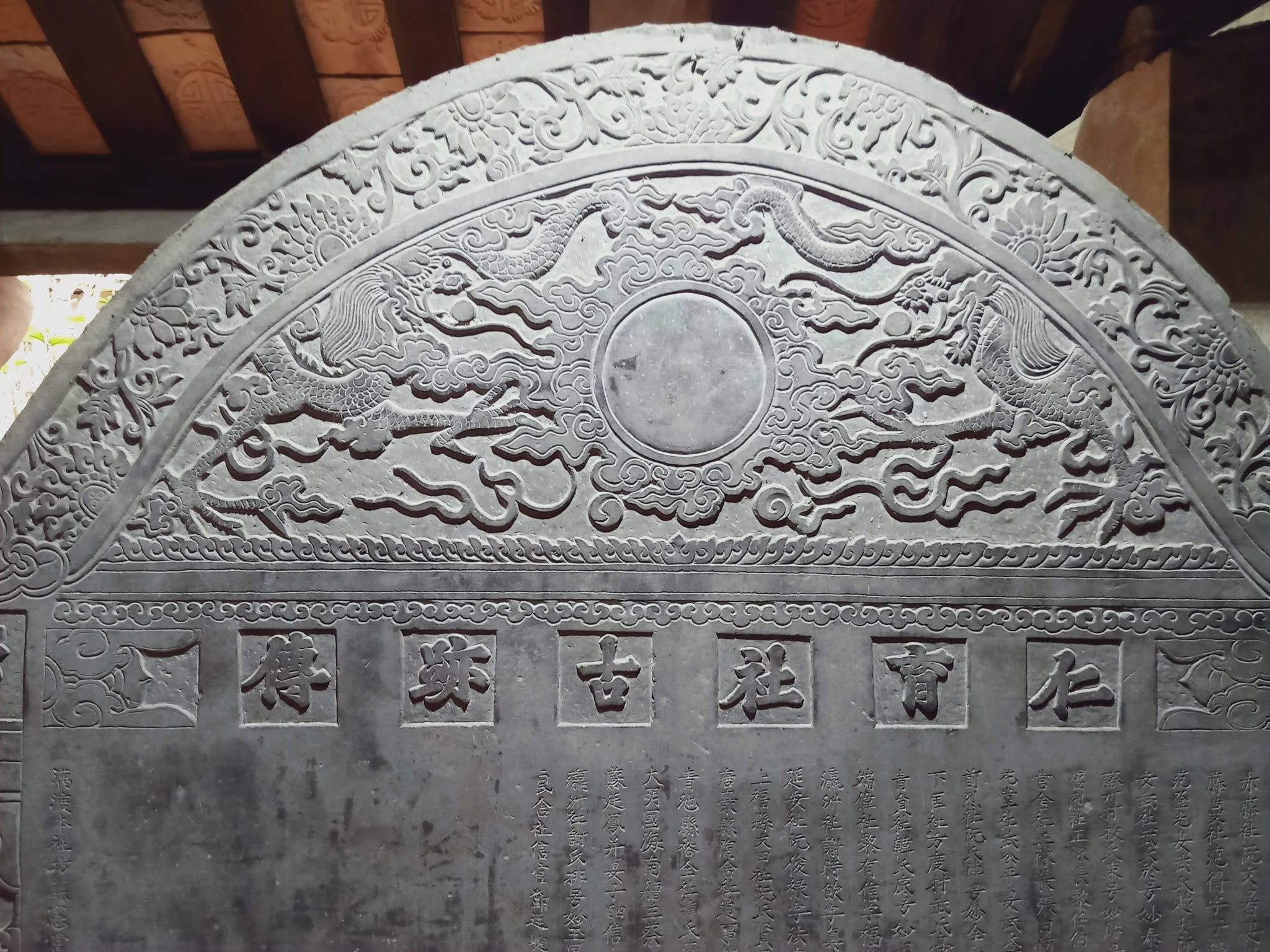
The reverse side contains a text titled Nhan Duc Xa Co Tich Truyen, which records information about the history of the area and the existence of various urban neighborhoods and local administrative communities.
These accounts help historians reconstruct the organization of Pho Hien as a commercial settlement with residential districts, transportation routes, and diverse economic and cultural activities.
Beyond their documentary significance, the inscriptions also demonstrate traditional stone-carving techniques and calligraphic artistry.
Their craftsmanship provides evidence of artistic traditions and technical skills practiced during Vietnam’s historical dynasties.
Literary and Educational Traditions at Xich Dang Temple of Literature
While many Pho Hien inscriptions document commerce and community life, others preserve valuable records of education and scholarly achievement.
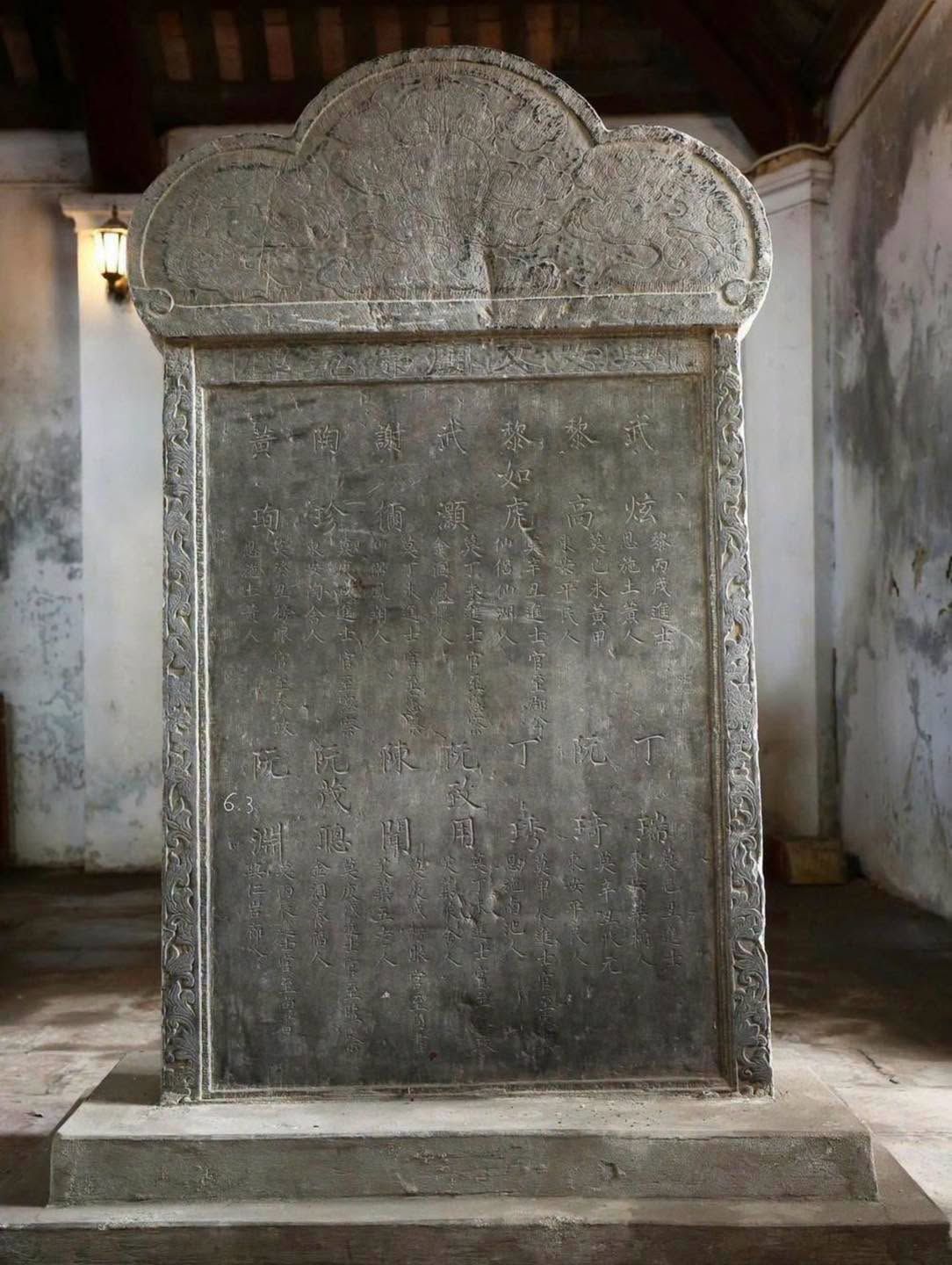
At the Xich Dang Temple of Literature, nine stone steles record the names of successful doctoral candidates from the Hung Yen region across different historical dynasties.
These inscriptions preserve information about scholars, their academic achievements, and the region’s long-standing traditions of learning.
They demonstrate that Pho Hien was not only a prosperous commercial center but also an area with an established intellectual and educational heritage.
Together with inscriptions found at temples, pagodas, and communal houses, these records provide a broader understanding of the cultural and social life of the region.
Cultural Exchange Between East and West
One of the most distinctive aspects of the Pho Hien Stone Steles is their ability to document cultural interactions among different communities.
During the trading port’s prosperous centuries, Vietnamese residents lived and traded alongside merchants from China and other regions.
The long-term interaction among these communities contributed to the development of Pho Hien’s distinctive urban and cultural identity.
Through the inscriptions, researchers can study the contributions of Vietnamese and Chinese communities to religious buildings, local associations, public activities, and community institutions.
Some inscriptions also record women’s participation and contributions to religious and social activities, providing valuable perspectives on their roles in historical society.
These records help historians examine community structures, social relationships, cultural adaptation, and the development of a multicultural trading environment.
They also provide insights into broader patterns of exchange across East and Southeast Asia during the early modern period.
Authenticity and Documentary Significance
The importance of the 41 stone steles lies not only in their historical contents but also in their authenticity as original documentary sources.
Many remain preserved at historical sites closely connected with their original creation and use.
Several retain identifiable inscriptions, decorative motifs, and carved characters that support scholarly research, transcription, and translation.
These original documents allow historians to compare information recorded on stone with ancient manuscripts, chronicles, and other historical materials.
The inscriptions also help reconstruct aspects of economic organization, religious traditions, and social relationships that may not be fully documented elsewhere.
Their inclusion in the UNESCO Memory of the World Asia-Pacific Register recognizes their authenticity, distinctive documentary value, and significance to the region’s shared historical memory.
Preserving Pho Hien’s Documentary Heritage After UNESCO Recognition
Despite surviving for centuries, ancient stone steles remain vulnerable to weathering, humidity, environmental changes, and human activities.
Conservation work must therefore prioritize the protection of original stone surfaces, inscriptions, and the historical environments in which the objects are preserved.
Scientific documentation, high-resolution photography, transcription, translation, and digital archiving are important tools for preserving the information contained in these historical records.
Digital preservation can also make the collection more accessible to researchers, students, and members of the public without placing unnecessary pressure on the original artifacts.
For cultural tourism, multilingual interpretation, educational exhibitions, and carefully designed visitor information can help international travelers understand the historical importance of the inscriptions.
Such initiatives can contribute to sustainable heritage tourism while ensuring that preservation remains the primary priority.
UNESCO recognition also highlights the responsibility of local authorities, researchers, and communities to protect these irreplaceable records for future generations.
Pho Hien Stone Steles: Preserving the Memory of an Ancient International Trading Port
Today, the bustling commercial world of ancient Pho Hien belongs to history. However, traces of its prosperous past remain visible in temples, pagodas, historic buildings, and centuries-old stone inscriptions.
Among these surviving records, the collection of 41 stone steles offers an especially valuable window into the economic, cultural, religious, and social life of the former trading port.
Each inscription preserves a particular story, but together they reveal a broader historical picture of a commercial center that once connected Vietnam with regional and international trade networks.
The official inscription of the Pho Hien Stone Steles on the UNESCO Memory of the World Asia-Pacific Register on November 5, 2026, is a significant milestone for the cultural heritage of Hung Yen Province and Vietnam.
The recognition confirms the importance of preserving original documentary sources and creates new opportunities to introduce Pho Hien’s remarkable history to international audiences.
Centuries after their creation, the 41 stone steles remain enduring witnesses to the past, preserving the memory of a trading port that once connected Vietnam with the wider world.