The Phú An – Phú Xuân Tunnels are a historical site associated with the resistance war against the United States and the struggle of the people and revolutionary forces of Đại Lộc, formerly part of Quảng Nam Province. Constructed between 1965 and 1967, this underground network served as a secret base for command operations, meetings, shelter and combat organization on the Quảng Đà battlefield.
One of the site’s most remarkable features was its location close to military outposts operated by US forces and the South Vietnamese government. Yet, the tunnel system remained concealed throughout its construction. Surrounded on three sides by the Thu Bồn River, the Vu Gia River and dense village bamboo hedges, the area became a strategic stronghold where revolutionary forces could remain active, protect their local networks and sustain operations in territory controlled by the enemy.
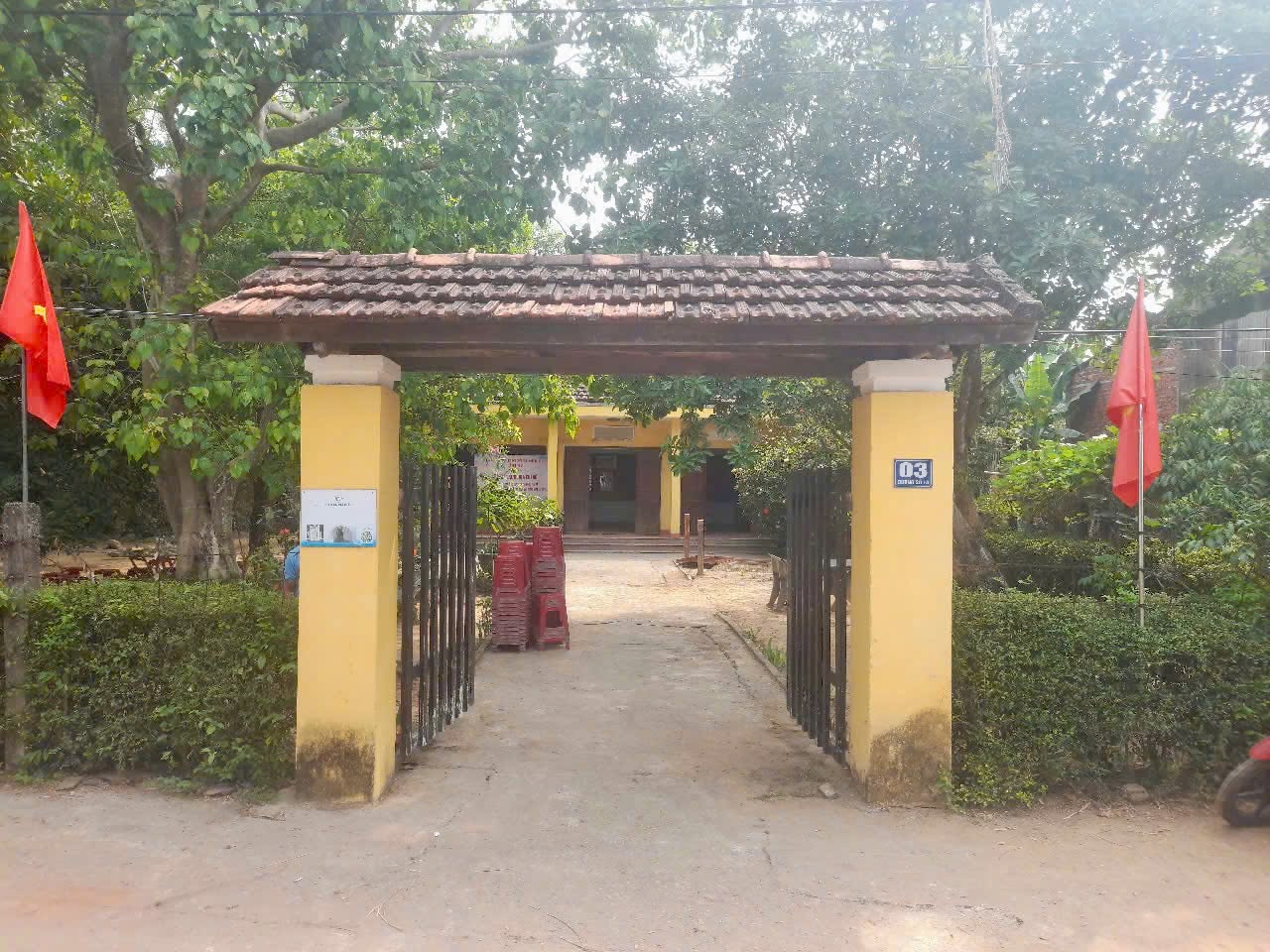
The historical site is now located in Phú Thuận Commune, Đà Nẵng City, approximately 35 km southwest of the city center.
Historical Background and Construction
In March 1965, as US forces expanded the war in southern Vietnam, South Vietnamese government forces in the Đại Lộc area intensified the construction of military outposts, launched sweeping operations and sought to control liberated areas. Population relocation campaigns were also carried out in an attempt to separate revolutionary forces from local communities.
In response, the Đại Lộc District Party Committee directed local forces to strengthen their networks, prepare shelters and establish bases that would allow soldiers and guerrillas to remain in the area and protect local villages. Under the direction of the Quảng Đà Special Zone Committee, residents of Phú An and Phú Xuân, together with local guerrillas, began digging the tunnels. At certain stages, Company 32 of the Security Department of the Quảng Đà Front also participated in the construction.
Most of the excavation took place at night to avoid detection. Men, women and children took turns digging, carrying soil and keeping watch. Excavated earth was disposed of in the rivers or placed in bomb craters to conceal traces of the work above ground. Meanwhile, lookouts monitored enemy aircraft and artillery and sounded the alarm when danger approached.
According to Lê Văn Sáu, who directly participated in digging the tunnels and later served as Chairman of the Đại Thắng Commune Association of the Elderly, villagers contributed according to their abilities, from young children to elderly residents. Even when their homes were at risk of destruction by bombs and artillery, local people remained determined to build the underground network in support of the resistance.
Their spirit was captured in a folk verse that became associated with the construction effort:
“Let our homes be destroyed, we will endure;
Once the Americans are defeated, hardship will give way to happiness.”
The tunnels were completed in 1967. The fact that such an extensive underground network was built close to enemy military bases without being discovered during construction demonstrates the discipline, vigilance and organizational skills of the local population and revolutionary forces.
Underground Structure and Tunnel System
The Phú An – Phú Xuân Tunnels were designed as an interconnected network of underground passages, narrow branches and communication trenches. The system made use of the natural terrain to support both concealment and combat operations.
According to some historical accounts, the tunnel network was approximately 800 meters long, while other accounts and local recollections put its length at nearly 2,000 meters. It contained 21 branches running beneath residential areas, shrubs and village bamboo hedges. The width of the passages varied according to the terrain and soil conditions, with some sections reaching approximately two meters below ground level.
Ventilation shafts were carefully positioned throughout the network. They helped circulate air while reducing the risk of detection by enemy forces. The tunnels also connected to two communication trenches running along either side, allowing revolutionary forces to observe enemy movements, move between positions and coordinate combat operations during military sweeps.
Several types of functional chambers were built inside the tunnels:
- Command chambers: Used to direct operations and organize combat activities.
- Meeting chambers: Places where revolutionary cadres exchanged information and discussed operational plans.
- First-aid chambers: Used to provide emergency care for wounded soldiers and sick personnel.
- Logistics storage chambers: Areas for storing food and essential supplies needed to sustain prolonged operations.
- Individual shelters: Positioned along the communication trenches to provide protection against sudden artillery attacks or enemy raids.
The interconnected passages created an underground defensive and communication network. This arrangement enabled revolutionary forces to disperse, move between positions and support one another during dangerous situations.
An Important Command Base on the Quảng Đà Battlefield
After its completion, the Phú An – Phú Xuân Tunnels became one of the important bases of the Quảng Đà Special Zone Committee. The site supported the reception of cadres and main-force troops sent from northern Vietnam to reinforce the southern battlefield. It also served as a workplace and meeting venue for revolutionary leadership and command organizations.
Between 1965 and 1972, the tunnels were associated with the activities of the Quảng Đà Special Zone Committee, the Region V Party Committee and Front 44. The area was also used as a forward command post for units of the Liberation Army, supporting operations against enemy military bases such as Đức Dục and An Hòa.
Many senior revolutionary leaders and military commanders who served on the Quảng Đà battlefield worked or took shelter at the site, including:
- Võ Chí Công: Secretary of the Region V Party Committee.
- Chu Huy Mân: Deputy Secretary of the regional leadership and Commander of the Military Region.
- Đoàn Khuê: Deputy Political Commissar of the Military Region.
- Nguyễn Chánh: Commander of Front 44.
- Giáp Văn Cương: Standing Committee member of the Quảng Đà Special Zone Committee, Deputy Commander and Chief of Staff of Front 44.
Thanks to its strategic location, favorable terrain and carefully organized underground fortifications, the tunnel network helped maintain command operations, support forces remaining in the area and facilitate military campaigns across Region V and the Quảng Đà Special Zone.
Reflecting on the site’s significance, Phạm Đức Nam, former Chairman of the Revolutionary People’s Committee and Chairman of the Quảng Đà Provincial Forward Council, expressed his deep appreciation for the contributions of the people of Đại Thắng. He also acknowledged the efforts and sacrifices of those who helped build and defend this revolutionary stronghold.
Historical Value and Preservation
The Phú An – Phú Xuân Tunnels stand as evidence of the solidarity, resilience and ingenuity of local people during the resistance war against the United States. Beyond their military function, the tunnels demonstrate the vital role played by communities in building bases, protecting revolutionary cadres and sustaining resistance activities close to enemy-controlled areas.
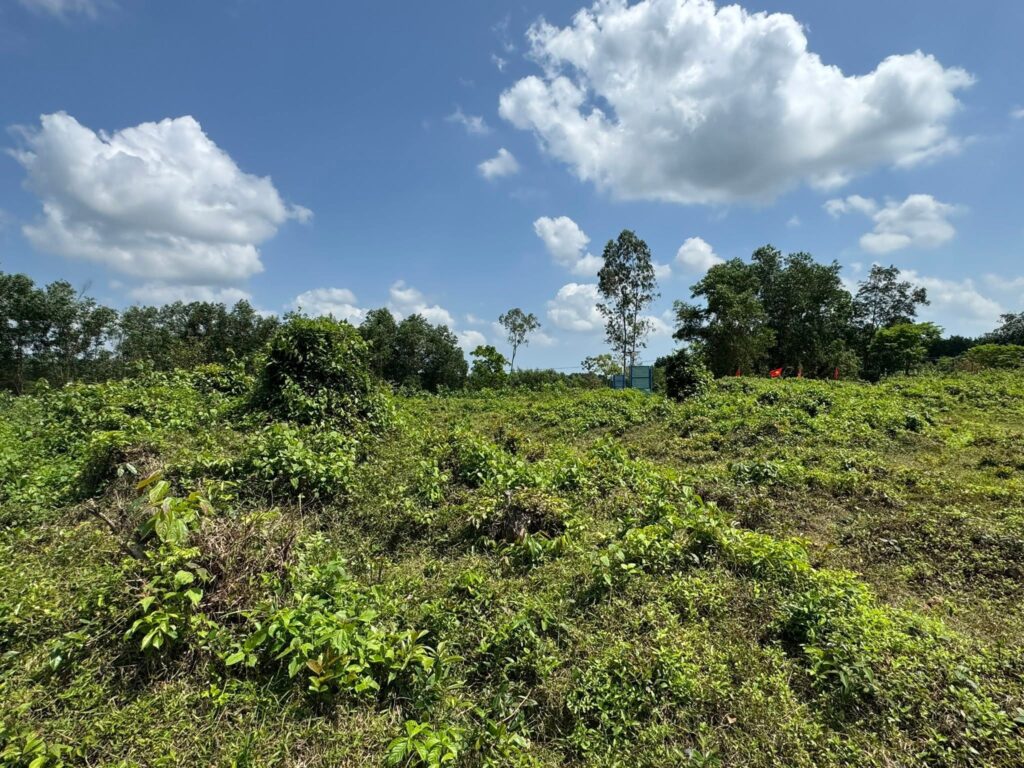
After national reunification in 1975, the tunnels were no longer used for military purposes and gradually deteriorated. Restoration and preservation work was subsequently undertaken to protect the surviving remains and maintain the site’s historical value.
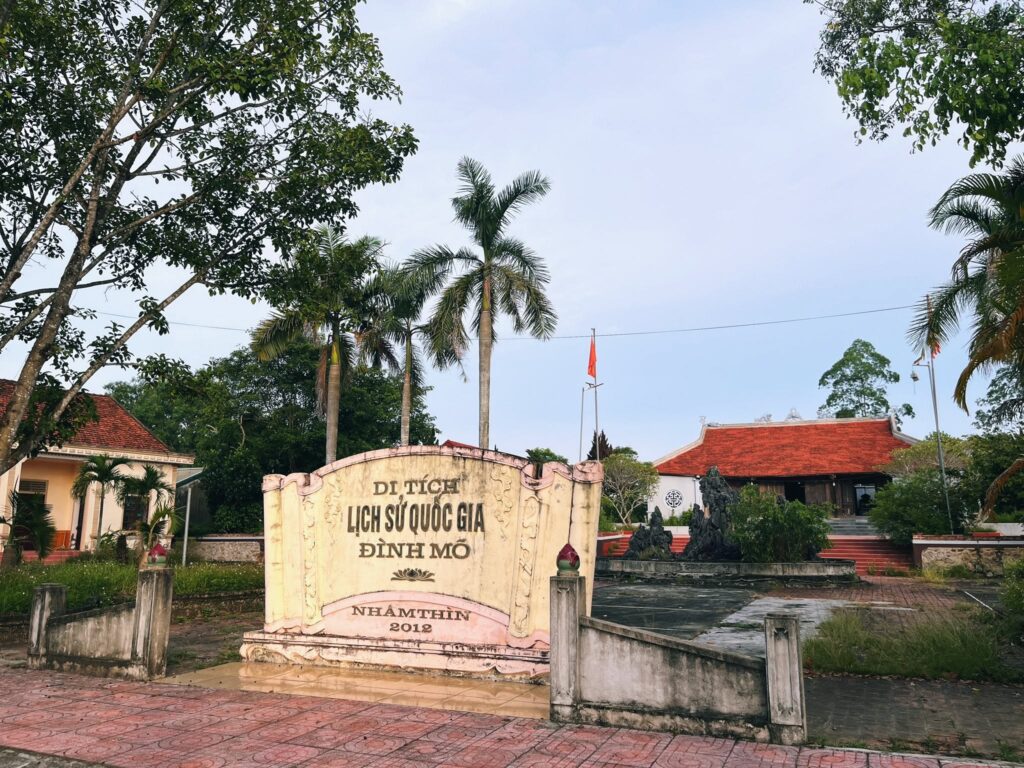
The site was recognized as a National Historical Relic, becoming an important destination for revolutionary history education and for visitors interested in the wartime experiences of the people of Quảng Đà.
Today, the Phú An – Phú Xuân Tunnels contribute to the historical heritage of Đà Nẵng City. They preserve the memory of a difficult period marked by hardship, determination and courage among the people of central Vietnam.
Quick Information
| Item | Details |
|---|---|
| Name | Phú An – Phú Xuân Tunnels |
| Type | Revolutionary historical relic |
| Construction period | 1965–1967 |
| Length | Approximately 800 meters in some accounts; nearly 2,000 meters in others |
| Key features | 21 branches, communication trenches, ventilation shafts and functional underground chambers |
| Historical role | Command base, meeting venue, shelter and combat coordination center on the Quảng Đà battlefield |
| Associated historical figures | Võ Chí Công, Chu Huy Mân, Đoàn Khuê and other revolutionary leaders and military commanders |
| Location | Phú Thuận Commune, Đà Nẵng City, Vietnam |
| Heritage status | National Historical Relic |