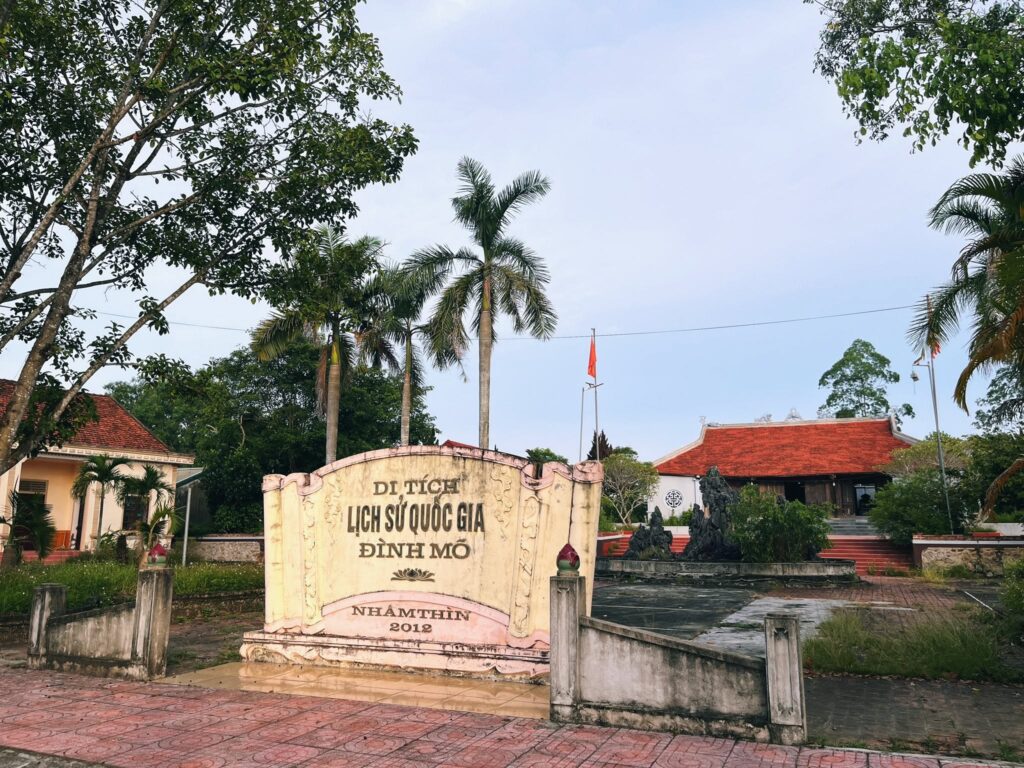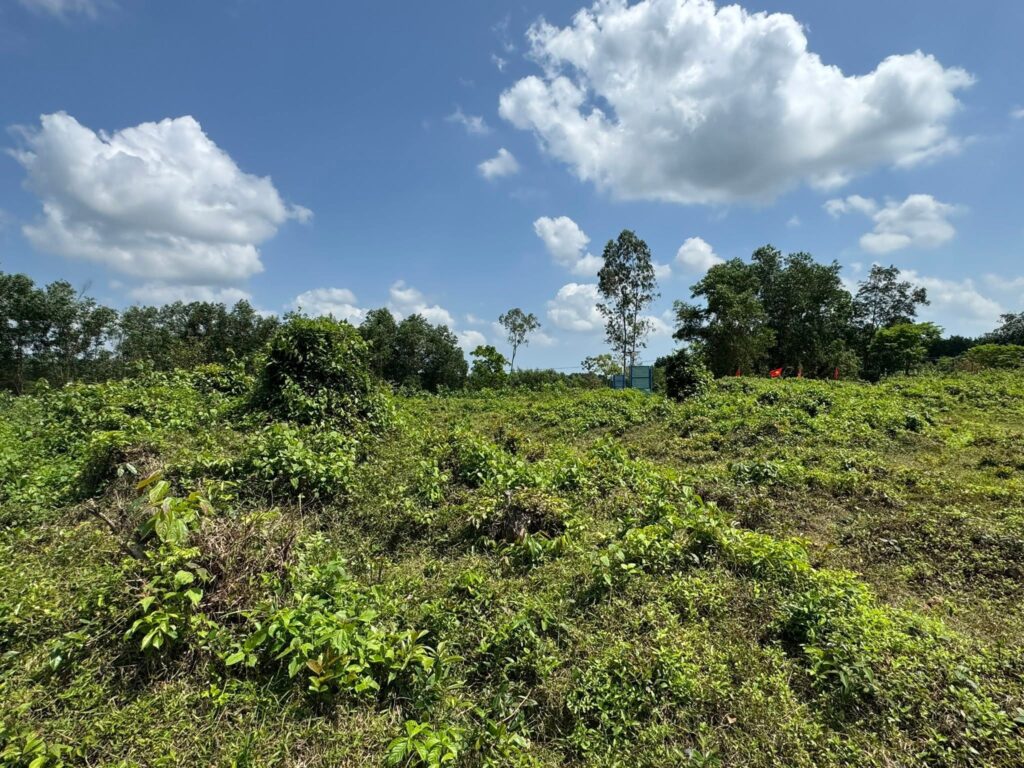
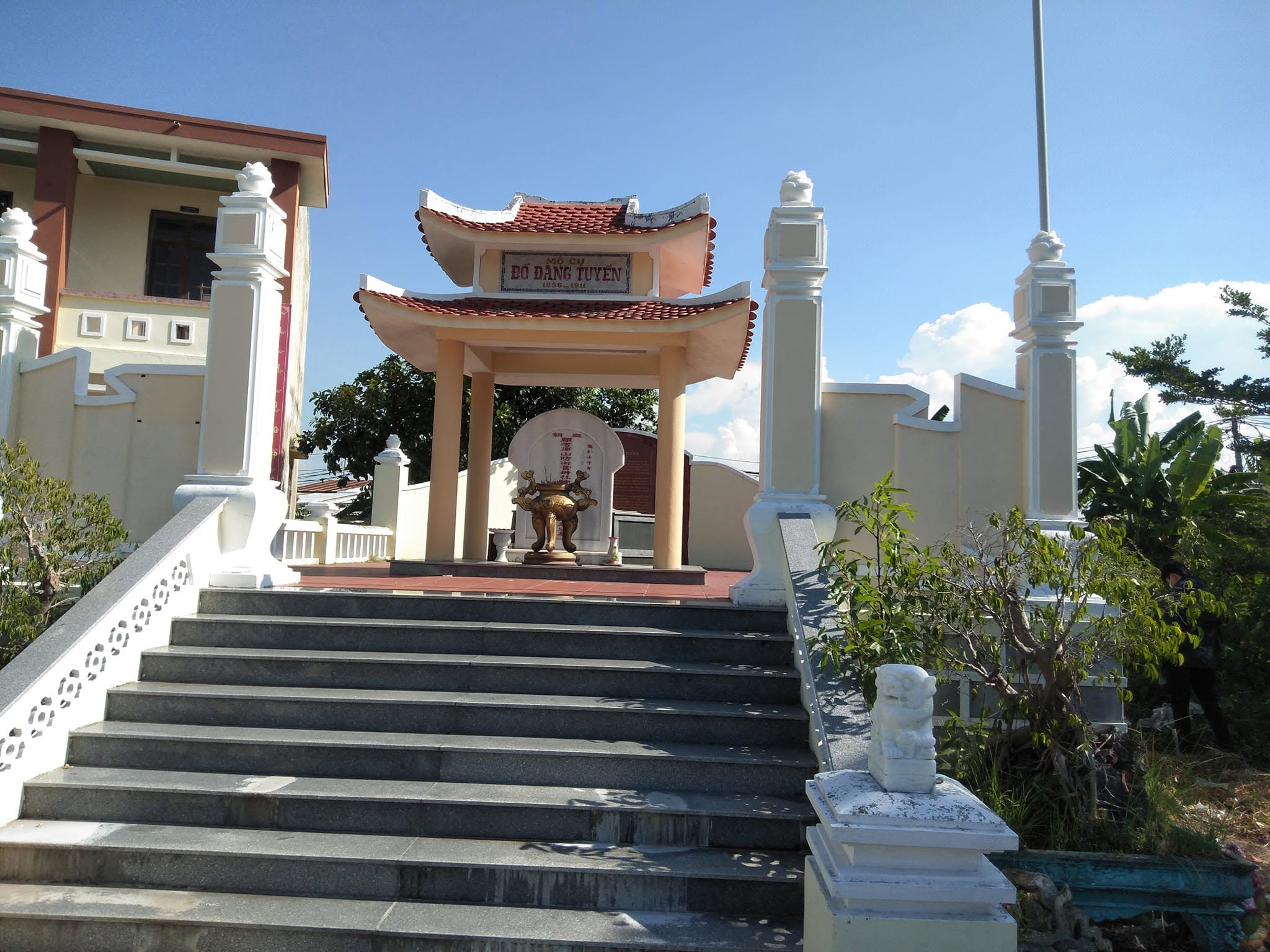
The Tomb of Đỗ Đăng Tuyển is a historical site commemorating a prominent patriot from Quảng Nam who lived during the late nineteenth and early twentieth centuries. He participated in the Nghĩa Hội Quảng Nam movement against French colonial rule and was also among the figures involved in the early formation of the Duy Tân Association, initiated by Phan Bội Châu.
Born during a period of profound national upheaval, Đỗ Đăng Tuyển devoted much of his life to resisting French colonialism and seeking a path toward national liberation. Although the Nghĩa Hội movement was ultimately defeated, he remained committed to the patriotic cause and continued his activities. He eventually died in captivity at Lao Bảo Prison in 1911.
The tomb is a meaningful historical landmark that honors a steadfast patriot and contributes to the preservation of Quảng Nam’s legacy of resistance during a turbulent period in Vietnamese history.
Early Life and Background of Đỗ Đăng Tuyển
Đỗ Đăng Tuyển, also known as Đỗ Đăng Cát, had the name Đăng Các, the literary name Hy Đào, the sobriquet Túy Am, and the revolutionary alias Sơn Tẩu. He was also commonly referred to by his contemporaries as Cụ Ô Gia or Trình Ô Gia.
He was born on May 16, 1856, in Ô Gia Village, Thanh Vân Hamlet, in the former Đại Lộc area of Quảng Nam Province. He was the second son of Đỗ Đăng Bộ and Nguyễn Thị Hà.
Although he came from an ordinary family, Đỗ Đăng Tuyển was known for his intelligence, extensive learning, poetic talent, and beautiful handwriting. He was described as calm yet resolute, honest, and deeply opposed to those who abused their power to oppress the poor.
Despite his academic abilities, his progress through the traditional civil service examinations was unsuccessful. In 1882, during the reign of Emperor Tự Đức, he was appointed as the administrator of the Sơn Phòng post in Đại Lộc, responsible for affairs in the mountainous Hiên Giằng area.
This was also a period when Vietnam faced increasing pressure from French expansion. Witnessing the weakening of the Nguyễn court and the spread of anti-French resistance, Đỗ Đăng Tuyển gradually turned from the life of a Confucian scholar toward patriotic activities and the struggle against foreign aggression.
Participation in the Nghĩa Hội Quảng Nam Movement
After the fall of Huế in 1885, Emperor Hàm Nghi left the imperial capital and issued the Cần Vương Edict, calling on scholars, local leaders, and the people to rise against the French. The appeal spread rapidly, inspiring resistance movements throughout the country.
In September 1885, the Nghĩa Hội Quảng Nam movement was established, bringing together patriotic scholars and activists from the province. Đại Lộc became an important base area, helping protect the northern approaches to the movement’s central base at Trung Lộc.
Đỗ Đăng Tuyển, together with Trần Huy and Trần Đỉnh, was assigned responsibility for organizing and commanding Nghĩa Hội forces in the Đại Lộc area. Under the participation and leadership of these local figures, the insurgents organized their forces, conducted operations against the French, and achieved several notable successes, including engagements at Gò Muồng in Ái Nghĩa and Động Hà Sống in Đại Đồng.
During this period, mountain outposts in Quế Sơn, Trà My, Dương Yên, A Bá, and An Lâm were used to establish bases and operating areas for the insurgents. The movement created considerable difficulties for French forces and their local allies while strengthening patriotic sentiment among the population.
However, sustained attacks by French troops and imperial forces under Nguyễn Thân gradually weakened the movement. In 1886, important bases, including Tân Tỉnh at Trung Lộc and associated locations, came under attack. The insurgents suffered heavy losses in personnel, weapons, and supplies.
After the defeat of Nghĩa Hội, Đỗ Đăng Tuyển returned to his hometown in accordance with the strategy of temporarily dispersing the remaining forces. He lived quietly, farming, drinking wine, and composing poetry. To outside observers, he appeared to have withdrawn from political affairs, but he continued to hold on to his patriotic convictions.
Involvement in the Formation of the Duy Tân Association
Following the Cần Vương movement, Đỗ Đăng Tuyển maintained close ties with fellow patriots who shared his aspirations. He was associated with Phan Bội Châu and other figures active in the Duy Tân movement in the early twentieth century.
According to the supplied historical account, in early April 1904, during the fourth lunar year of the Giáp Thìn cycle, an important meeting laying the foundations for the Duy Tân Association was held at Nam Thạnh Sơn Trang. Approximately 20 delegates attended. Among those later mentioned by Phan Bội Châu in his autobiographical work Tự phán were Nguyễn Thành, Đỗ Đăng Tuyển, Lê Võ, Đặng Tử Kính, and Đặng Thái Thân.
Đỗ Đăng Tuyển’s participation indicates that his role extended beyond the earlier Cần Vương resistance. He remained involved in patriotic networks during a period when Vietnamese activists were exploring new approaches to national liberation.
In the early twentieth century, the Duy Tân and Đông Du movements emerged as patriotic scholars sought ways to modernize the country, improve public education, and prepare for the struggle for independence. The French colonial authorities, however, increasingly tightened their controls and suppressed these activities.
Arrest, Exile to Lao Bảo, and Death
In 1908, following the severe suppression of patriotic movements, Đỗ Đăng Tuyển had to evade the colonial authorities. He was eventually captured in 1910 and subjected to harsh interrogation.
According to one account, while being transported by his captors, he attempted to take his own life with poison, but the attempt failed. He later jumped into a river near Thanh Hà, close to Hội An. Soldiers rescued him, however, and he was taken into custody and tortured. Despite the pressure and coercion, he refused to disclose information about his fellow activists or the movement’s activities.
In November 1910, he was escorted to Nghệ An to confront other members of the patriotic movement. In March 1911, he was sentenced to exile at Lao Bảo Prison in Quảng Trị.
While being transported on foot from Quảng Trị Prison to Lao Bảo, Đỗ Đăng Tuyển undertook a hunger strike and died along the way. According to the information supplied for the historical site, he died on the fourth day of the fourth lunar month in the Tân Hợi year, corresponding to May 2, 1911, in the Gregorian calendar.
His death marked the end of a life shaped by successive stages of patriotic resistance, from the Cần Vương movement to Duy Tân activities. Although he did not live to witness Vietnam’s eventual independence, he is remembered for his unwavering convictions and steadfastness in the face of colonial repression.
Phan Bội Châu’s Tribute to Đỗ Đăng Tuyển
Đỗ Đăng Tuyển was one of the comrades whom Phan Bội Châu held in high regard. In remembering fellow patriots, Phan Bội Châu composed a poem expressing his sorrow at Tuyển’s death and acknowledging his contributions to the national movement.
Đau đời nên phải nhớ tiên sinh,
Ưu quốc xưa nay bậc lão thành.
Tay trắng đỡ liều vai gánh nặng,
Lòng son đưa trước bọn đầu xanh.
Bội Châu không bác e vô sự,
Lao Bảo nhờ ông mới có danh.
Tiếc Bác lấy gì an ủi Bác,
Một chung rượu lạt máu thần minh.
The verses evoke the image of a devoted patriot who willingly shouldered great responsibilities despite limited resources. They also express Phan Bội Châu’s respect for those who accepted personal sacrifice in pursuit of national liberation.
Through this tribute, Đỗ Đăng Tuyển’s memory became part of a broader historical legacy: that of a generation of Vietnamese scholars and activists who committed themselves to the struggle for independence during an exceptionally difficult period.
Historical Significance of the Tomb of Đỗ Đăng Tuyển
After his death, Đỗ Đăng Tuyển’s family and clan relocated and reinterred his remains in his homeland, the place where he was born and raised. The tomb subsequently became a memorial to a figure who made significant contributions to the patriotic movement in Quảng Nam during the late nineteenth and early twentieth centuries.
The site is associated with important milestones in Vietnamese history, from the Cần Vương resistance against French rule to the emergence of patriotic organizations in the early twentieth century. It reflects the continuity of patriotic ideals and the sacrifices made by successive generations of scholars and activists before Vietnam’s revolutionary movement entered a new phase.
In recognition of its historical value, the Ministry of Culture, Sports and Tourism designated the Tomb of Đỗ Đăng Tuyển a National Historical Relic under Decision No. 608/QĐ-BVHTTDL, dated March 12, 2024.
Today, the site contributes to the preservation of historical memory and patriotic traditions, helping younger generations learn about individuals who devoted their lives to the struggle for national independence.
Đỗ Đăng Tuyển’s name has also been given to a street in Đà Nẵng, intersecting Tôn Thất Thuyết and Hà Tông Quyền streets, as well as a lower secondary school. These commemorations recognize his contributions to the region’s history and patriotic heritage.
Quick Information
| Item | Details |
|---|---|
| Name | Tomb of Đỗ Đăng Tuyển |
| Commemorated figure | Đỗ Đăng Tuyển, also known as Đỗ Đăng Cát, Hy Đào, and Sơn Tẩu |
| Year of birth | 1856 |
| Year of death | 1911 |
| Hometown | Ô Gia Village, in the former Đại Lộc area of Quảng Nam |
| Notable activities | Nghĩa Hội Quảng Nam movement and Duy Tân Association |
| Place of death | Lao Bảo Prison, Quảng Trị |
| Address provided | Vu Gia Commune, Đà Nẵng City |
| Classification | National Historical Relic |
| Recognition decision | No. 608/QĐ-BVHTTDL |
| Date of recognition | March 12, 2024 |